
Accessing a copy of a previous year’s tax return is a common necessity that arises for a variety of critical financial reasons. Whether you are in the middle of a mortgage application, applying for student financial aid, or simply preparing to file your current year’s taxes, having your prior records on hand is essential for accuracy and verification. For many, the process can feel daunting, especially if documents were misplaced or if you have switched tax preparation methods. However, the internal revenue service (IRS) and modern financial software provide several streamlined pathways to retrieve this information.

Understanding how to navigate these systems efficiently can save you significant time and prevent potential delays in your financial planning. This guide explores the various methods available to taxpayers for retrieving their federal and state tax returns, the differences between various types of documentation, and the best practices for future record-keeping.
Understanding the Difference Between a Tax Transcript and a Full Tax Return
Before initiating the retrieval process, it is vital to distinguish between a tax transcript and a full tax return copy. Most financial institutions and government agencies accept tax transcripts, which are often easier and cheaper to obtain than a complete copy of the original return.
What is a Tax Transcript?
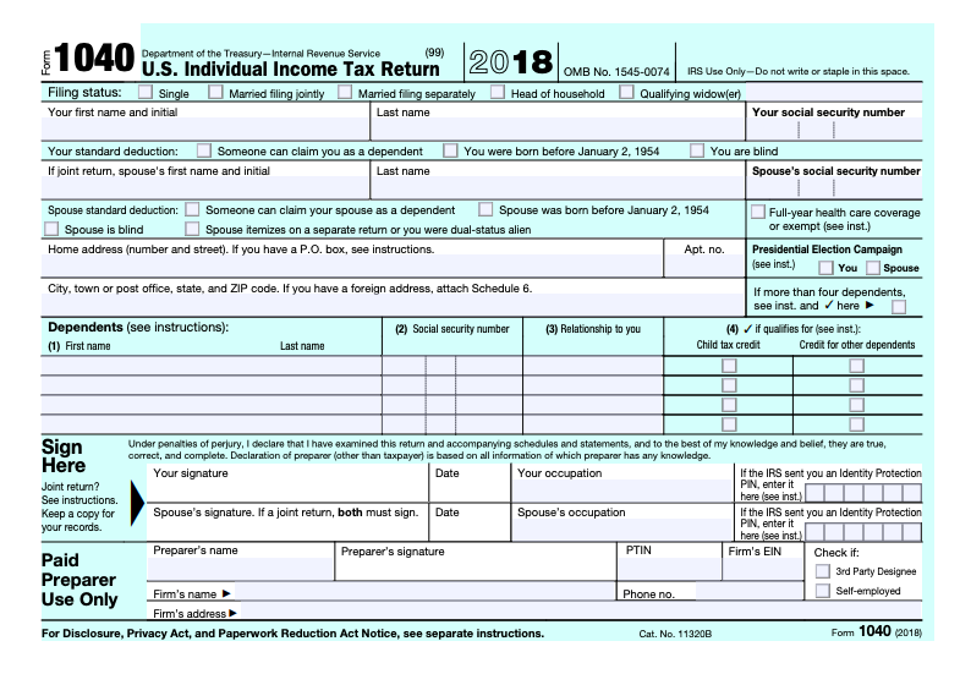
A tax transcript is a summary of your tax return information. The IRS offers several types of transcripts, including the Tax Return Transcript, which shows most line items from your original return (Form 1040) along with any accompanying forms and schedules. There is also the Tax Account Transcript, which provides basic data such as marital status, type of return filed, adjusted gross income, and taxable income.
The primary advantage of a transcript is that it is free and can often be accessed instantly online. For most loan applications or FAFSA (Free Application for Federal Student Aid) requirements, a transcript is the standard accepted document.
When is a Full Copy of Form 1040 Necessary?
A full copy of your tax return includes the actual Form 1040 and all attachments as they were submitted to the IRS. This is a photocopy of the original document. You might need a full copy if you are involved in a legal proceeding, such as a divorce or a complex business audit, where the exact layout and signature on the original document are required. Unlike transcripts, obtaining an actual copy of a filed return from the IRS involves a fee and a much longer processing time, typically up to 75 calendar days.
Primary Methods for Requesting Records Directly from the IRS
The IRS remains the definitive source for tax records. Depending on your level of urgency and your comfort with digital tools, there are three main ways to secure your past tax information.
Using the IRS Online Portal
The fastest way to get your tax return information is through the official IRS website. By creating or logging into an “Online Account,” taxpayers can immediately view, print, or download various types of transcripts.
To use this service, the IRS requires a rigorous identity verification process through ID.me. You will need a valid photo ID (such as a driver’s license or passport) and a smartphone or computer with a camera to complete a live selfie verification. Once your identity is confirmed, you can access your records for the past three years. This method is highly recommended for those who need their information for a mortgage or a time-sensitive financial application.
Requesting a Transcript by Mail
If you are unable to use the online verification system, you can request a transcript via mail. You can use the “Get Transcript by Mail” tool on the IRS website or call their automated phone line. You will need your Social Security Number (SSN) or Individual Taxpayer Identification Number (ITIN), date of birth, and the mailing address from your latest tax return. Transcripts requested this way typically arrive within five to ten business days at the address the IRS has on file.
Filing Form 4506 for a Full Copy
If a transcript is insufficient and you require an exact replica of your filed return, you must file Form 4506, Request for Copy of Tax Return. This form must be printed and mailed to the IRS along with a fee for each tax year requested (currently $30 per copy). Because of the manual processing involved, this is the slowest method available. It is generally advised to attempt using a transcript or checking with your tax preparer before resorting to this option.
Accessing Records Through Digital Tax Platforms and Preparers
If you used a commercial software service or a professional tax preparer to file your taxes last year, you likely have an existing digital trail that is much easier to navigate than the federal government’s archives.
Retrieving Data from Online Software
For those who used platforms like TurboTax, H&R Block, or TaxSlayer, your past returns are usually stored in your account for several years.
-
TurboTax: Users can log in to their account, navigate to the “Tax Home” section, and scroll down to find “Your tax returns & envelopes.” From there, you can select the specific year and download the PDF. Note that some platforms may require you to have a paid subscription or pay a small fee to access returns from several years ago.
-
H&R Block: Similar to other platforms, H&R Block provides an online archive. If you filed in an office, you may also be able to access those digital copies through your online account if you linked your previous filings.
Contacting Your Certified Public Accountant (CPA)
If you hired a professional tax preparer or a CPA firm, they are legally required to keep copies of your tax returns for a specific period—usually at least three years, though many keep them for seven years as a matter of best practice. A simple phone call or email to your accountant’s office is often the most painless way to retrieve your documents. Most modern firms use secure client portals where they can re-upload your PDF for secure download.
State-Level Tax Returns: Navigating Regional Requirements
While much of the focus is on federal taxes, you may specifically need your state tax return for local residency verification or state-sponsored financial programs. Federal IRS transcripts do not include state tax information.
Accessing State Department of Revenue Portals
Each state has its own Department of Revenue (DOR) or Franchise Tax Board with its own set of rules. Most states now offer online portals similar to the IRS where you can log in and download past returns. If an online portal is not available, you will likely need to submit a specific state form, which is often a state-equivalent of the federal Form 4506.
Consistency Between Federal and State Filings
In many cases, the information required for a financial application can be found on the federal return even if a state return is requested, as the Adjusted Gross Income (AGI) is usually consistent across both. However, if a state-specific credit or deduction is being audited, you must go through the state agency directly.
Modern Financial Management: Protecting and Organizing Your Tax Data
Retrieving a lost tax return is a reactive measure. To improve your overall financial health and security, it is beneficial to implement a proactive system for managing your tax records. This ensures that you are never caught off guard by a lender’s request or an IRS inquiry.
Digital Security and Redundancy
The safest way to store tax returns is through a combination of local and encrypted cloud storage. When you download your tax return PDF, ensure it is stored in a folder that is password-protected or encrypted. Cloud services like OneDrive, Google Drive, or Dropbox offer “Vault” features with two-factor authentication (2FA) that are ideal for sensitive financial documents.
The Document Retention Timeline
A common question in personal finance is: “How long should I keep my tax returns?” The IRS generally has three years to audit a return, but this period extends to six years if they suspect a substantial error (such as underreporting income by more than 25%). To be safe, financial experts recommend keeping your actual tax returns indefinitely, while supporting documentation—such as W-2s, 1099s, and receipts for deductions—should be kept for at least seven years.

Protecting Your Identity During Retrieval
When searching for your tax return, be wary of third-party websites that claim they can “find your return” for a fee. These are often phishing scams designed to steal your Social Security Number and financial data. Always use official government (.gov) websites or the verified portals of reputable tax software companies.
By understanding the pathways provided by the IRS, leveraging your tax software archives, and maintaining a disciplined approach to digital storage, you can manage your tax records with professional precision. Obtaining last year’s tax return is not just a clerical task; it is an essential component of maintaining your financial identity and ensuring you are prepared for life’s major financial milestones.
aViewFromTheCave is a participant in the Amazon Services LLC Associates Program, an affiliate advertising program designed to provide a means for sites to earn advertising fees by advertising and linking to Amazon.com. Amazon, the Amazon logo, AmazonSupply, and the AmazonSupply logo are trademarks of Amazon.com, Inc. or its affiliates. As an Amazon Associate we earn affiliate commissions from qualifying purchases.