
In the modern financial landscape, your bank account number serves as the primary identifier for your liquid assets. Whether you are setting up a direct deposit for a new job, authorizing an automated bill payment, or initiating a wire transfer for a major purchase, this unique string of digits is the key that unlocks the flow of capital. Despite its importance, the account number is often kept discreet for security reasons, leading many consumers to find themselves searching for it when it is needed most.
Locating your bank account number is a straightforward process, but it requires navigating various digital and physical interfaces. Understanding where this information is stored—and how to distinguish it from other numerical identifiers like your routing number or debit card number—is a fundamental skill in personal finance management.
Digital Retrieval Methods: Accessing Information in a Paperless World
As banking has migrated to digital-first platforms, the most common way to retrieve an account number is through online banking or mobile applications. These platforms are designed to provide immediate access to financial data while maintaining rigorous security protocols.
Online Banking Portals
To find your account number via a web browser, start by logging into your bank’s official website. Most institutions place the account number under an “Account Details,” “Settings,” or “Account Summary” tab. For security reasons, the full number is often masked (e.g., showing only the last four digits). To view the complete number, you may need to click a “Show” or “Eye” icon, which might prompt an additional security check, such as a one-time passcode sent to your mobile device.
Mobile Banking Applications
Mobile apps are arguably the most convenient tool for managing personal finance. Once authenticated via biometrics (FaceID or fingerprint) or a PIN, users can usually tap on a specific account (Checking, Savings, or Money Market) to view its details. Within the account dashboard, look for a “Manage Account” link or an information icon (i). Modern banking apps are increasingly streamlined, placing these critical numbers just one or two taps away from the home screen.
Electronic Statements (e-Statements)
If the account number is not immediately visible on the dashboard, downloading a PDF of a recent bank statement is a foolproof method. Every monthly statement contains the full account number, typically located in the header or the top right corner of the first page. These documents are official records and are the most reliable source for verifying account information for legal or professional purposes.
Physical Documents and Traditional Sources
While digital access is prevalent, traditional physical documents remain a vital resource for finding bank account numbers. For many users, having a hard copy of this information provides a sense of security and a backup in the event of a digital lockout.
The Anatomy of a Personal Check
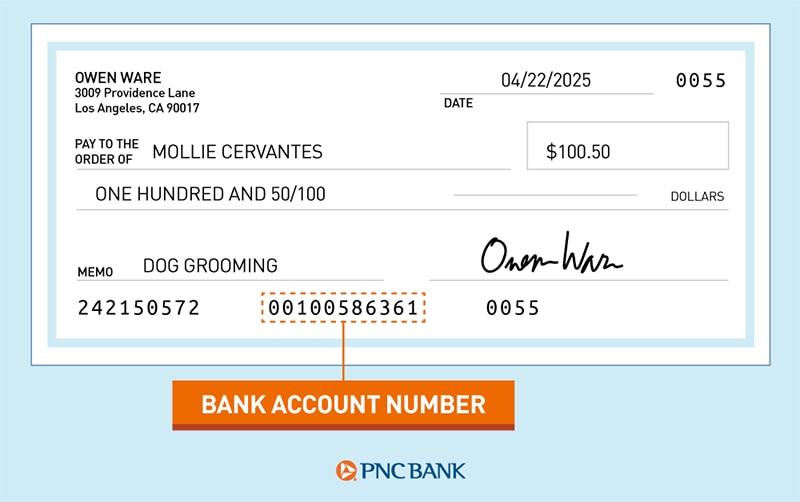
The most direct way to find your account number without a computer or smartphone is by looking at a personal check. At the bottom of every check, there is a string of numbers printed in a specialized font known as MICR (Magnetic Ink Character Recognition). This line typically consists of three distinct sets of numbers:
-
The Routing Number: A nine-digit code that identifies your specific financial institution.
-
The Account Number: Usually the second set of numbers, which identifies your specific account within that bank.
-
The Check Number: The sequential number of that specific check.
It is important to note that the placement can vary slightly depending on the bank, but the account number is almost always found between the routing number and the check number.
Paper Bank Statements and Deposit Slips
If you still receive mail from your financial institution, your monthly paper statement is a primary source of information. Just like its electronic counterpart, the paper statement lists the full account number at the top. Additionally, if you have a pre-printed deposit slip book, the account number will be listed at the bottom in the same MICR format used on checks.
Direct Deposit Forms and Welcome Packages
When you first open a bank account, the institution provides a “Welcome Kit” or a “New Account Disclosure” document. This paperwork explicitly lists your new account number and routing number. Furthermore, many banks provide a pre-filled direct deposit authorization form, which is specifically designed to be handed to an employer’s payroll department. Keeping these documents in a secure physical file is a best practice for any organized investor or budgeter.
Security Protocols: Protecting Your Sensitive Financial Data

Because a bank account number can be used to initiate ACH (Automated Clearing House) withdrawals, it must be treated as highly sensitive information. In the wrong hands, this number can lead to unauthorized transactions and identity theft. Consequently, banks have established strict protocols for how they share this information with customers.
Identity Verification at the Branch
If you cannot find your account number through digital or physical means, visiting a local branch is a secure alternative. However, a bank teller will not simply provide this information upon request. You will be required to present a valid government-issued photo ID (such as a driver’s license or passport) and may be asked to answer security questions or provide a debit card with a corresponding PIN. This “in-person” verification is one of the strongest defenses against social engineering attacks.
Customer Service Phone Protocols
Calling a bank’s customer service line is another option, though it is often the most time-consuming. To prevent fraud, representatives use multi-factor authentication (MFA). They may send a code to your registered phone number or ask for specific details about your recent transactions (e.g., “What was the approximate amount of your last deposit?”). Be wary of any call you receive from someone claiming to be your bank; legitimate institutions will rarely call you to ask for your full account number, as they already have it on file.
Cybersecurity Best Practices for Banking Data
To ensure your account number remains secure while you are retrieving it, follow these digital safety rules:
-
Avoid Public Wi-Fi: Never log into your bank account while connected to an unsecured public network, such as those in coffee shops or airports.
-
Enable Multi-Factor Authentication (MFA): Always opt-in for an extra layer of security that requires a code in addition to your password.
-
Be Cautious of Phishing: Only enter your credentials on the bank’s official URL. Scammers often create “look-alike” websites to harvest account numbers and passwords.
Understanding the Relationship Between Account and Routing Numbers
In the world of personal finance and business banking, the account number does not work in isolation. To move money successfully, it must be paired with a routing number. Distinguishing between these two is critical to avoid failed transfers and potential fees.
The ABA Routing Number
The American Bankers Association (ABA) routing number is a nine-digit sequence that acts as an “address” for the bank itself. It tells the financial system which institution holds the funds. Large national banks may have different routing numbers for different regions or for different types of transactions (e.g., one for paper checks and another for electronic wire transfers).
The Account Number as a Unique Identifier
While the routing number identifies the bank, the account number identifies you. Think of the routing number as the zip code and the account number as the specific street address. When you provide both to a third party, you are providing a complete path for the money to follow.
International Considerations: IBAN and SWIFT
For those conducting business or sending money internationally, the standard account number format may change. In many parts of the world, banks use the IBAN (International Bank Account Number), which is a longer alphanumeric string that includes the country code and the bank’s unique identifier. For international wires, you may also need a SWIFT or BIC code. Understanding these global standards is essential for anyone engaged in international trade or cross-border side hustles.
Common Scenarios and Troubleshooting
Finding an account number is usually simple, but certain circumstances can complicate the process.
Lost Access to Online Portals
If you have forgotten your login credentials and do not have any physical documents, you are effectively locked out of your account data. In this case, you must go through the bank’s identity recovery process, which usually involves verifying your Social Security number and answering questions from your credit report. This is a common hurdle for individuals who have inactive accounts they are trying to close or consolidate.
Distinguishing Between Multiple Accounts
Many consumers have multiple accounts within the same institution—such as a primary checking, a secondary savings, and a high-yield investment account. Each of these will have a unique account number. When setting up automated transfers, it is vital to double-check that you are using the number for the specific account intended for the transaction to prevent overdrafts or missed payments.

The Debit Card Misconception
A frequent point of confusion for those new to personal finance is the difference between a debit card number and a bank account number. The 16-digit number on the front or back of your physical card is linked to your account, but it is not the account number. Card numbers change when a card expires or is reported lost, whereas the underlying bank account number remains the same for the life of the account. For direct deposits and ACH payments, always use the account number, never the debit card number.
By mastering the methods for locating and securing your bank account number, you gain better control over your financial infrastructure. Whether through the convenience of a mobile app, the reliability of a paper check, or the security of a branch visit, knowing how to access this data ensures that your financial transactions remain seamless and secure.
aViewFromTheCave is a participant in the Amazon Services LLC Associates Program, an affiliate advertising program designed to provide a means for sites to earn advertising fees by advertising and linking to Amazon.com. Amazon, the Amazon logo, AmazonSupply, and the AmazonSupply logo are trademarks of Amazon.com, Inc. or its affiliates. As an Amazon Associate we earn affiliate commissions from qualifying purchases.