
Understanding how to access your Bank of America account number is a fundamental aspect of effective personal financial management. While often overshadowed by the convenience of debit card numbers or online banking logins, your account number remains a unique identifier critical for a wide array of financial transactions and security verifications. Whether you’re setting up direct deposit, initiating a wire transfer, or simply reconciling your records, knowing where and how to retrieve this crucial piece of information is indispensable for navigating the modern financial landscape with confidence and efficiency. This guide delves into the various reliable methods available to Bank of America customers, offering a comprehensive walkthrough designed to empower you with the knowledge needed to manage your finances more effectively and securely.
The Importance of Knowing Your Bank Account Number
Your bank account number, often a 10-12 digit sequence, is more than just a string of numbers; it’s the unique identifier for your specific account within the bank’s system. Unlike your debit card number, which is primarily used for transactions, your account number is the anchor for your entire banking relationship, playing a pivotal role in numerous financial operations. Overlooking its significance can lead to delays or complications when managing your money, highlighting why every account holder should be familiar with its location and purpose.
Essential for Financial Transactions
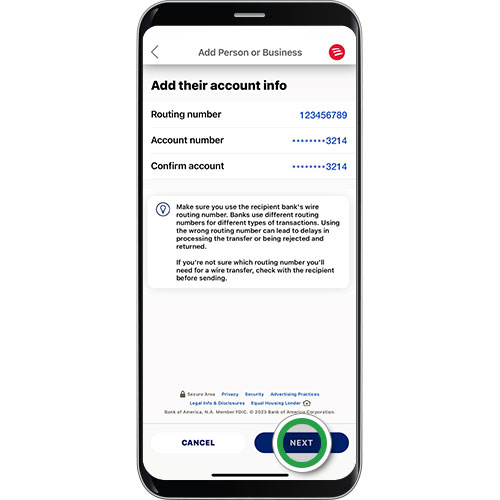
The account number serves as the primary identifier for many critical financial transactions. When money needs to be directly transferred into or out of your account without using a card, the account number is almost always required. This includes scenarios such as setting up direct deposits for your paycheck, establishing automatic bill payments, or receiving funds from external sources. Without this number, such transactions cannot be accurately initiated or completed, potentially disrupting your financial flow and leading to missed payments or delayed income. Moreover, for larger or international transactions like wire transfers, the account number, along with the routing number, forms the backbone of secure fund movement, ensuring that your money reaches the correct destination without error.
Security and Fraud Prevention
While it might seem counterintuitive, knowing your account number is also a layer of security, particularly in verifying legitimate communications or transactions. When interacting with Bank of America customer service, you may be asked for your account number to confirm your identity before sensitive information is discussed or actions are taken on your behalf. This measure helps prevent unauthorized access and ensures that only the rightful account holder or an authorized representative can make changes or inquiries. Conversely, being aware of when your account number is not needed for certain interactions can help you identify potential phishing attempts or fraudulent activities. For instance, reputable institutions typically won’t ask for your full account number via unsolicited emails or texts. Understanding these protocols is vital for protecting your financial information against increasingly sophisticated cyber threats.
Personal Financial Management
Beyond transactions and security, your account number is a key element in effective personal financial management. It’s often required for linking third-party financial tools, such as budgeting apps or investment platforms, to your bank account. These tools rely on accurate account information to pull transaction data, categorize spending, and provide a holistic view of your financial health. Furthermore, when reconciling bank statements or resolving discrepancies, having quick access to your account number facilitates communication with the bank and streamlines the problem-solving process. For small business owners or freelancers, providing their account number for client payments or supplier invoices is a regular occurrence, making easy retrieval a necessity for smooth business operations. In essence, a firm grasp of your account number’s whereabouts empowers you to maintain meticulous financial records and manage your money with greater precision and control.
Direct and Digital Methods to Locate Your Account Number
In an increasingly digital world, Bank of America offers several convenient ways to access your account number, leveraging both traditional documentation and modern technological platforms. These methods prioritize ease of access while maintaining robust security protocols, ensuring that your sensitive financial information remains protected. Familiarizing yourself with these direct and digital avenues can save you time and provide immediate access when needed.
Checking Your Bank Statements
One of the most reliable and readily available sources for your account number is your bank statement. Whether you receive paper statements by mail or opt for paperless electronic statements, your full account number is typically prominently displayed. For paper statements, look near the top of the document, often alongside your name and address. Electronic statements, accessible through your Bank of America online banking portal, will also feature this information. Navigating to your statement history online allows you to view or download past statements, each containing the necessary details. It’s important to note that for security reasons, some statements might display only the last few digits of your account number in certain sections, but the full number should be present in a primary location, often near your personal details. This method is particularly useful for historical verification or when you need a documented record of your account information.
Utilizing Bank of America Online Banking
Bank of America’s comprehensive online banking platform is an invaluable tool for managing your accounts and retrieving crucial information, including your account number. After logging into your account at BankofAmerica.com, you can typically navigate to the ‘Accounts’ or ‘Account Summary’ section. From there, selecting the specific checking or savings account you need will often reveal detailed account information. Look for an option to “Show Account Details” or similar, which will then display your full account number along with your routing number. The platform is designed with user-friendliness in mind, but exact navigation might vary slightly based on updates to the website interface. This method offers instant access to your account number from any computer with internet access, making it highly convenient for quick lookups.
Accessing Through the Bank of America Mobile App
For those who prefer managing their finances on the go, the Bank of America mobile app provides an equally efficient way to find your account number. Available for both iOS and Android devices, the app offers a streamlined experience mirroring many functions of the online banking portal. Once logged into the app, select the account for which you need the number. Similar to the online platform, there will usually be a section for “Account Details” or “Account Info.” Tapping on this option will reveal your full account number. The mobile app integrates strong security features, including biometric login options (fingerprint or facial recognition), making it a secure choice for accessing sensitive information on your smartphone or tablet. This method is ideal for those moments when you need your account number quickly but don’t have access to a computer or physical documents.
Traditional and In-Person Approaches
While digital methods offer unparalleled convenience, traditional and in-person approaches remain vital for retrieving your Bank of America account number, especially for those who prefer conventional banking methods or require additional assistance. These avenues provide direct interaction with bank resources and staff, ensuring accuracy and offering personalized support when navigating your financial details.
Examining Your Checkbook
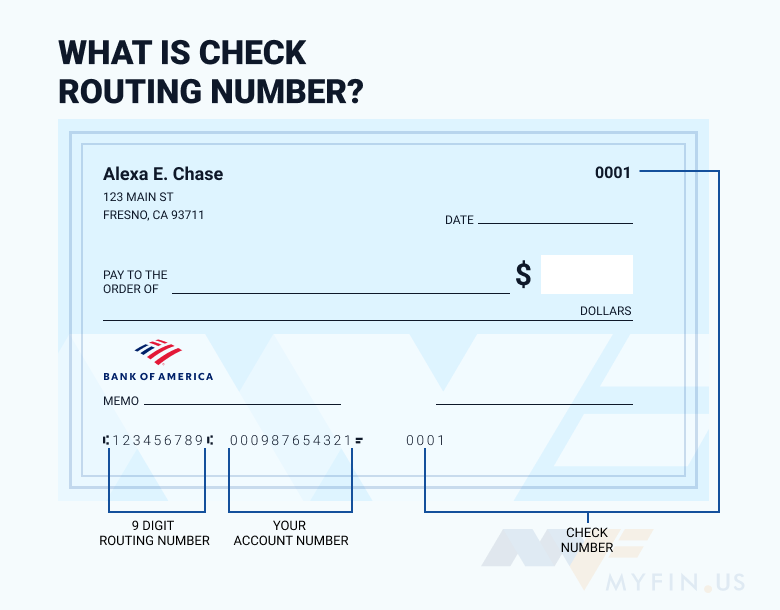
For checking accounts, your physical checkbook is a readily available source of your account number. On the bottom of each check, you’ll find a series of numbers printed in magnetic ink. From left to right, these numbers typically represent:
-
Routing Number: The nine-digit number that identifies your bank.
-
Account Number: Your specific checking account number. This is usually the middle set of numbers.
-
Check Number: The number specific to that particular check.
It’s crucial to correctly identify the account number, as it can sometimes be confused with the check number. The account number is consistently positioned between the routing number and the check number on personal checks. If you have deposit slips, these also contain your account number and routing number. This method is straightforward, requires no login, and is often the quickest way to find your account number if you have your checkbook handy.
Contacting Bank of America Customer Service
If you’re unable to find your account number through digital platforms or your physical documents, or if you simply prefer speaking to a representative, contacting Bank of America customer service is an excellent option. You can reach them by phone, typically using the number provided on the back of your debit card, on your bank statements, or on the Bank of America website. When you call, be prepared to go through a verification process to confirm your identity. This usually involves providing personal details such as your full name, address, date of birth, and potentially answering security questions or verifying recent transactions. Once your identity is confirmed, the representative will be able to provide your account number. This method is particularly useful if you’ve lost access to your online banking, don’t have physical documents, or need assistance understanding other account details.
Visiting a Bank of America Branch
For those who prefer face-to-face interaction or require a higher level of assistance, visiting a local Bank of America branch is a reliable method. A bank teller or personal banker can access your account information and provide you with your account number. When visiting a branch, ensure you bring a valid form of identification, such as a driver’s license, state ID, or passport. This is a mandatory step for identity verification to protect your account from unauthorized access. The staff can print out your account details, help you update your records, or answer any other questions you might have about your account. This option offers the most personalized support and can be particularly reassuring for individuals who are less comfortable with digital interfaces or prefer direct human assistance for sensitive financial inquiries.
When and Why You Might Need Your Account Number
Your Bank of America account number is a critical piece of information that facilitates a wide array of financial activities, extending far beyond simple deposits and withdrawals. Understanding the specific scenarios in which it’s required can help you anticipate needs and streamline your financial operations. From managing your income to securing loans, the account number serves as a foundational identifier in various financial interactions.
Setting Up Direct Deposits or Automatic Payments
One of the most common reasons to provide your account number is for setting up direct deposits. Employers, government agencies (for tax refunds or benefits), and other entities use your account number (along with your bank’s routing number) to electronically transfer funds directly into your checking or savings account. This eliminates the need for paper checks, ensures timely receipt of funds, and enhances security. Similarly, when you wish to set up recurring automatic payments for bills such as utilities, rent, mortgage, or credit card payments, you’ll often be asked for your account number. This allows the service provider to directly debit the funds from your account on scheduled dates, helping you avoid late fees and manage your budget more effectively.
Initiating Wire Transfers or ACH Payments
For larger sums of money, international transfers, or specific business-to-business transactions, wire transfers and ACH (Automated Clearing House) payments are frequently used. Both require your full account number (and the routing number) to ensure the funds are routed correctly. Wire transfers, known for their speed and finality, move money directly from one bank account to another, typically incurring a fee. ACH payments, while slower, are commonly used for bulk transactions like payroll or vendor payments and are generally less expensive. In either case, providing accurate account and routing numbers is paramount to prevent delays, incorrect transfers, or the inconvenience of recalling funds. This highlights the importance of double-checking these numbers before initiating such critical transactions.
Account Reconciliation and Verification
Your account number is invaluable during account reconciliation, especially if you’re meticulously tracking your spending or managing a business. When reviewing your bank statements or using personal finance software, having your account number readily available helps confirm that you are looking at the correct account data. In cases of discrepancies or suspected fraudulent activity, providing your account number to Bank of America customer service enables them to quickly locate your records and investigate the issue. Furthermore, some online services or financial institutions may request your account number for account verification purposes, confirming your identity or ownership of an account before linking services or approving certain actions.
Applying for Loans or Other Financial Products
When you apply for a new loan – whether it’s a personal loan, auto loan, or mortgage – financial institutions, including Bank of America, will often ask for your existing bank account number. This is usually for two main reasons: to verify your financial standing and to establish a convenient method for loan disbursement or recurring monthly payments. Similarly, opening a new investment account, setting up a retirement plan, or applying for specific credit products might also require your bank account information to link the new product to your primary banking relationship or to facilitate transfers of funds. Providing accurate account details streamlines the application process and ensures that funds can be seamlessly transferred to or from your designated account.
Best Practices for Account Number Security
While knowing how to retrieve your Bank of America account number is essential, equally important is understanding how to protect it. Your account number, when combined with other personal information, can be a gateway for fraudsters to access your finances. Implementing robust security practices is crucial in safeguarding your financial identity and preventing unauthorized access to your accounts.
Protecting Your Information Online
In the digital age, much of our banking happens online, making online security paramount. Always ensure you are accessing your Bank of America account through the official website (BankofAmerica.com) or the official mobile app. Bookmark the official URL to avoid phishing sites, and never click on suspicious links received via email or text messages that claim to be from the bank. Use strong, unique passwords for your online banking account and enable two-factor authentication (2FA) whenever possible. This adds an extra layer of security, typically requiring a code sent to your phone in addition to your password, making it significantly harder for unauthorized individuals to gain access even if they have your password. Be cautious about where you store your account number electronically; avoid saving it in easily accessible documents on your computer or cloud storage without strong encryption.
Beware of Phishing Scams
Phishing scams are a persistent threat, with criminals attempting to trick you into revealing sensitive information, including your account number. These scams often come in the form of emails, text messages, or phone calls that appear to be from legitimate institutions like Bank of America. They might create a sense of urgency, claiming there’s an issue with your account or that you’re eligible for a refund, and then ask you to click a link or provide your account number. Remember that Bank of America will never ask for your full account number, password, or PIN via unsolicited email or text. If you receive such a request, do not respond and report it to the bank. Always verify the authenticity of any communication claiming to be from your bank by contacting them directly through official channels.
Secure Storage of Financial Documents
Physical documents containing your account number, such as bank statements, checkbooks, and deposit slips, also require careful handling and secure storage. Avoid leaving these documents in unsecured locations where they could be easily accessed by others. When disposing of old bank statements or voided checks, always shred them to prevent identity thieves from piecing together your financial information. Consider opting for paperless statements to reduce the physical footprint of your financial data. If you maintain physical records, store them in a locked drawer, safe, or secure filing cabinet. Regularly review your bank statements for any suspicious activity, as prompt detection of unauthorized transactions is key to mitigating potential financial damage. By combining vigilance with practical security measures, you can significantly reduce the risk of your account number falling into the wrong hands and maintain the integrity of your financial well-being.
Navigating your finances requires a clear understanding of fundamental banking elements, and your Bank of America account number is undoubtedly one of them. By familiarizing yourself with the various reliable methods to retrieve it – from traditional statements and checkbooks to advanced online and mobile app functionalities – you empower yourself with seamless financial control. Moreover, recognizing the scenarios where your account number is essential for transactions, verification, and new financial products underscores its pivotal role in your financial life. Crucially, safeguarding this information through robust online security, awareness of phishing scams, and secure document storage is paramount. Armed with this knowledge, you can confidently and securely manage your Bank of America accounts, ensuring both efficiency and peace of mind in all your financial endeavors.
aViewFromTheCave is a participant in the Amazon Services LLC Associates Program, an affiliate advertising program designed to provide a means for sites to earn advertising fees by advertising and linking to Amazon.com. Amazon, the Amazon logo, AmazonSupply, and the AmazonSupply logo are trademarks of Amazon.com, Inc. or its affiliates. As an Amazon Associate we earn affiliate commissions from qualifying purchases.