
Tax season often brings a mix of anxiety and anticipation for millions of taxpayers. While the process of filing can feel like a bureaucratic hurdle, the potential for a significant tax refund represents a vital financial windfall for many households. However, receiving a substantial refund isn’t merely a matter of luck or the result of a generic software calculation; it is the product of strategic planning, meticulous record-keeping, and a deep understanding of the current tax code. To truly maximize your return, you must transition from a passive filer to an active financial strategist.
In the realm of personal finance, tax optimization is one of the most effective ways to increase your net worth without necessarily increasing your gross income. By lowering your taxable income and maximizing eligible credits, you effectively keep more of what you earn. This guide explores the most effective strategies to enhance your tax return, ensuring you leave no money on the table.
Mastering Deductions: Itemized vs. Standard
The foundation of any successful tax strategy begins with the choice between taking the standard deduction or itemizing your deductions. This choice alone can fluctuate your refund by thousands of dollars depending on your specific financial situation during the tax year.
Knowing When to Pivot from the Standard Deduction
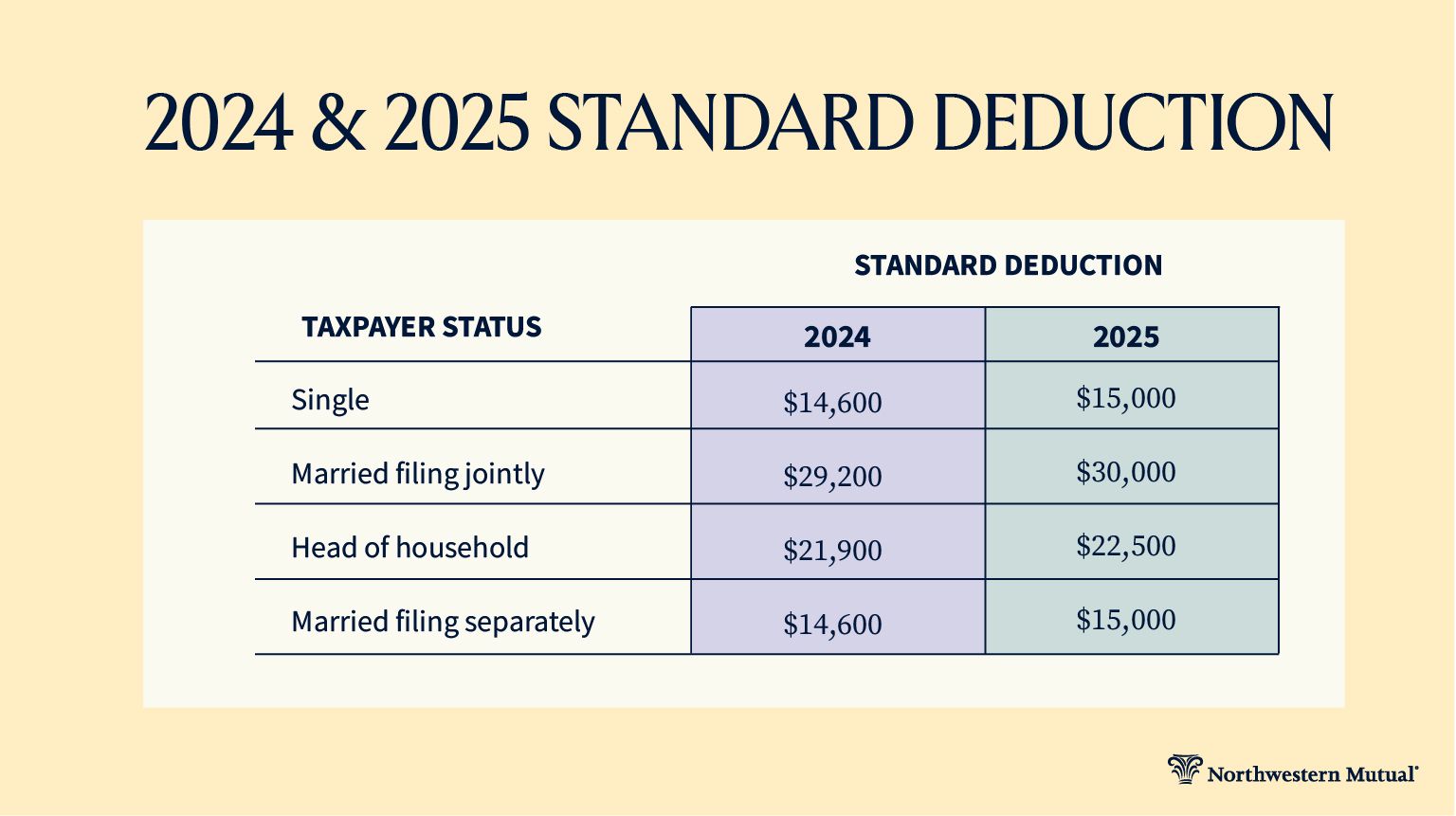
For the majority of taxpayers, the standard deduction is the most straightforward path. It is a fixed dollar amount that reduces the income on which you’re taxed. However, the “standard” isn’t always the “best.” To get more on your tax return, you must determine if your total qualifying expenses exceed the standard deduction threshold set by the IRS. For the 2024 tax year, these thresholds have increased significantly to account for inflation. If your mortgage interest, state and local taxes, and charitable contributions exceed these amounts, failing to itemize is essentially giving money back to the government.
Essential Itemized Deductions You Might Be Overlooking
If you decide to itemize, accuracy is paramount. One of the most significant deductions is mortgage interest on up to $750,000 of mortgage debt. Additionally, medical and dental expenses can be deducted, though only the portion that exceeds 7.5% of your adjusted gross income (AGI). Many taxpayers miss out on smaller, cumulative deductions such as out-of-pocket charitable contributions—including the cost of ingredients for a soup kitchen or mileage driven for a non-profit organization. When these are tracked meticulously throughout the year, they can push your itemized total well above the standard deduction, resulting in a much larger refund.
The Impact of State and Local Tax (SALT) Limits
Under current tax law, there is a cap on the deduction for state and local taxes, known as the SALT deduction. Taxpayers can deduct a combined total of up to $10,000 ($5,000 if married filing separately) for state and local income taxes (or sales taxes) and property taxes. While this cap has limited the refund potential for residents in high-tax states, it remains a critical component of the itemization process. Understanding how to balance your property tax payments and income tax withholdings to hit this $10,000 ceiling is a fundamental move for those looking to maximize their return.
Leveraging Tax Credits to Slash Your Liability
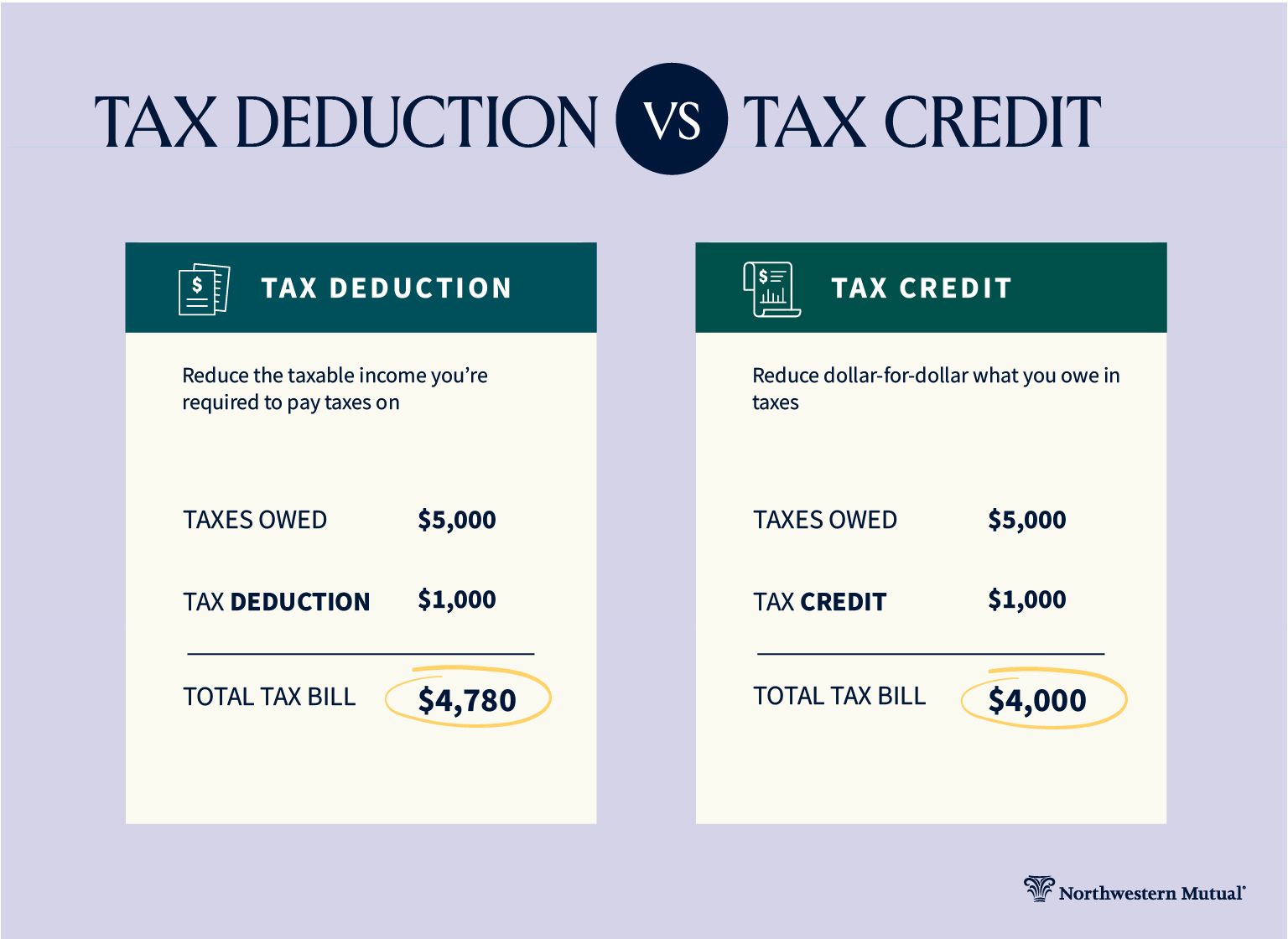
While deductions lower the amount of income you are taxed on, tax credits are far more powerful. Credits provide a dollar-for-dollar reduction of your actual tax bill. If you owe $5,000 in taxes and qualify for a $2,000 credit, your liability drops to $3,000. In many cases, if the credit exceeds what you owe, you may even receive the difference back as a refund.
Non-Refundable vs. Refundable Credits: Why it Matters
Understanding the distinction between refundable and non-refundable credits is vital for refund optimization. A non-refundable credit can reduce your tax liability to zero, but it won’t result in a check for the excess. A refundable credit, such as the Earned Income Tax Credit (EITC), is the “holy grail” of tax filing because it can be paid out to you even if you have no tax liability at all. Identifying which credits you qualify for—and which of those are refundable—is the quickest way to see a spike in your tax return.
Family-Centric Credits: Child Tax Credit and Beyond
The Child Tax Credit (CTC) remains one of the most substantial boons for families. In addition to the CTC, the Child and Dependent Care Credit allows parents to recoup a portion of the costs associated with childcare or day camps needed so the parents can work. For those caring for elderly parents or disabled dependents, the Credit for Other Dependents provides a $500 non-refundable credit per qualifying individual. Ensuring that every dependent is correctly accounted for and that all childcare receipts are organized is essential for reclaiming these funds.
Education and Energy Credits: Investing in the Future
The government often uses tax credits to incentivize specific behaviors, such as pursuing higher education or making homes more energy-efficient. The American Opportunity Tax Credit (AOTC) allows students or their parents to claim up to $2,500 per year for the first four years of post-secondary education. On the home front, the Energy Efficient Home Improvement Credit and the Residential Clean Energy Credit offer significant percentages back on investments like solar panels, heat pumps, and high-efficiency windows. These credits not only lower your tax bill in the short term but also increase the long-term value of your personal assets.
Strategic Retirement Contributions and Savings Accounts
One of the most effective “last-minute” ways to get more on your tax return is through strategic contributions to retirement and health accounts. Unlike most tax strategies that must be executed by December 31, some contributions can be made up until the filing deadline in April and still count toward the previous tax year.
Boosting Your Refund Through Traditional IRA Contributions
If you find that you owe money or your refund is lower than expected, contributing to a Traditional IRA can provide an immediate fix. Depending on your income level and whether you have a retirement plan at work, these contributions are often tax-deductible. By putting money into your own future, you lower your taxable income for the current year, which directly increases the size of your refund. This is a rare “win-win” in the financial world: you grow your personal wealth while simultaneously reducing your debt to the IRS.
The Triple Tax Advantage of Health Savings Accounts (HSAs)
For those with high-deductible health plans (HDHPs), the HSA is an unparalleled financial tool. Contributions are 100% tax-deductible (lowering your AGI), the money grows tax-free, and withdrawals for qualified medical expenses are tax-free. If you haven’t maxed out your HSA for the year, doing so before the tax deadline can significantly move the needle on your tax return. It effectively acts as a deduction that you can use immediately to lower your tax bracket.
The Saver’s Credit: A Bonus for Low-to-Moderate Earners
The Retirement Savings Contributions Credit, commonly known as the Saver’s Credit, is an often-overlooked incentive designed to help low-to-moderate-income workers save for the future. If you contribute to a 401(k) or IRA and fall within certain income limits, you could receive a credit of up to 50% of your contribution. This is a credit on top of the deduction you already received for the contribution, making it a powerful “double dip” for those looking to maximize their return.
Self-Employment and Side Hustle Optimization
In today’s gig economy, more people than ever have “1099 income” from side hustles or full-time self-employment. While this introduces complexity, it also opens the door to a vast array of business deductions that W-2 employees cannot access.
Tracking Business Expenses for Maximum Impact
Every dollar spent to earn a dollar in your business is potentially deductible. This includes advertising, software subscriptions, professional services, and even a portion of your internet and phone bill. The key to a higher tax return in this category is meticulous record-keeping. Using dedicated financial tools to track every expense ensures that you aren’t paying taxes on gross income, but rather on your net profit.
The Home Office Deduction: Rules and Requirements
If you use a portion of your home exclusively for business, the home office deduction can be a significant windfall. You can choose between the simplified method ($5 per square foot up to 300 square feet) or the actual expense method, which involves calculating the percentage of your home used for business and applying that to your utilities, insurance, and rent or mortgage interest. For many remote workers and freelancers, this deduction alone can reduce taxable income by thousands of dollars.
Depreciation and Equipment Write-Offs
For those who purchased significant equipment—such as computers, cameras, or machinery—for their business, Section 179 deductions allow you to deduct the full purchase price of qualifying equipment in the year it was placed in service, rather than depreciating it over several years. This “front-loading” of deductions can drastically reduce your tax liability for a high-income year, resulting in a much larger refund or a significantly smaller tax bill.
Long-Term Financial Planning for Tax Efficiency
Ultimately, getting more on your tax return is not a one-time event that happens in April; it is the result of a year-round commitment to financial literacy and proactive management.
Year-Round Tax Planning vs. Seasonal Preparation
The most successful taxpayers are those who review their financial standing quarterly. By adjusting your withholdings on your W-4 form at work, you can control how much of your paycheck goes to the IRS. While some people prefer a large refund as a “forced savings account,” others prefer to have that money in their monthly paycheck to invest. Regardless of your preference, being intentional about your withholdings ensures there are no surprises when you file.
The Role of Tax-Loss Harvesting in Portfolio Management
For those with taxable brokerage accounts, tax-loss harvesting is a sophisticated way to boost a refund. This involves selling investments that are at a loss to offset capital gains realized elsewhere in your portfolio. If your losses exceed your gains, you can use up to $3,000 of the excess loss to offset your ordinary income. This reduces your total taxable income and can be the difference between moving into a lower tax bracket or staying in a higher one.

Timing Your Income and Expenses
As you approach the end of a calendar year, you have the opportunity to time your income and expenses for maximum tax benefit. If you expect to be in a lower tax bracket next year, you might defer a year-end bonus or delay sending out invoices if you are self-employed. Conversely, you might “bunch” your charitable donations or medical procedures into the current year to ensure you exceed the itemization threshold. By taking a macro view of your finances, you can strategically position yourself to receive the largest possible return from the IRS, turning tax season into a powerful component of your overall wealth-building strategy.
aViewFromTheCave is a participant in the Amazon Services LLC Associates Program, an affiliate advertising program designed to provide a means for sites to earn advertising fees by advertising and linking to Amazon.com. Amazon, the Amazon logo, AmazonSupply, and the AmazonSupply logo are trademarks of Amazon.com, Inc. or its affiliates. As an Amazon Associate we earn affiliate commissions from qualifying purchases.