
In the fast-paced world of digital finance, mobile payment applications like Cash App have become indispensable tools for managing personal funds, sending money to friends, paying bills, and even investing. Their convenience and accessibility have revolutionized how many individuals interact with their money. However, this ease of use can quickly turn into significant stress when an account becomes locked, rendering your funds inaccessible. The experience of seeing “Account Locked” or “Funds Unavailable” can be alarming, especially when you have pressing financial needs.
A locked Cash App account isn’t just an inconvenience; it’s a direct threat to your personal finance stability. It means your hard-earned money, which you rely on for daily expenses, savings, or investments, is suddenly out of reach. Understanding why your account might be locked, what immediate steps to take, and how to navigate the recovery process is crucial for anyone using such platforms. This comprehensive guide delves into the intricacies of dealing with a locked Cash App account, offering practical advice and strategies to help you regain access to your funds and restore your financial peace of mind. We’ll explore the common reasons for lockouts, outline the immediate actions you should take, detail the process of working with Cash App support, and even discuss proactive measures to prevent such situations in the future, all within the context of sound personal financial management.
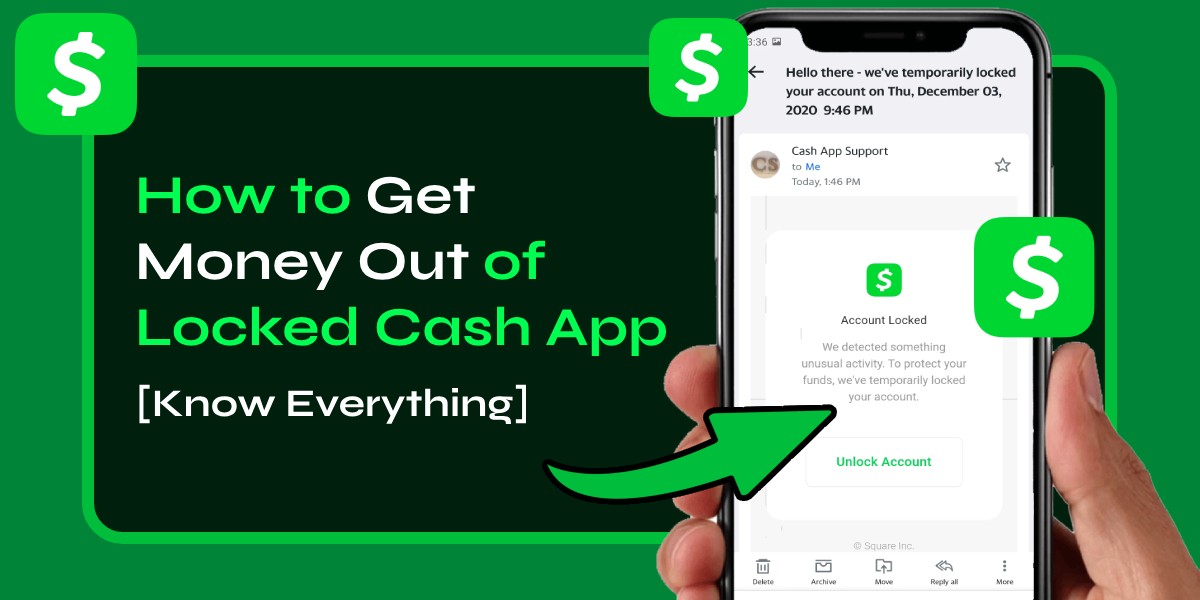
Understanding Why Your Cash App Account Might Be Locked
Before you can initiate any recovery efforts, it’s vital to understand the underlying reasons for your account lockout. Cash App, like all financial institutions and fintech platforms, implements robust security measures and strict terms of service to protect both its users and its system integrity. A lockout is almost always a security measure designed to prevent fraud, protect user funds, or enforce platform policies.
Security Protocols and Fraud Prevention
The most common reason for a locked account is Cash App’s sophisticated fraud detection system flagging unusual or suspicious activity. This could include:
-
Unusual Spending Patterns: A sudden increase in transaction volume, large transfers to new recipients, or transactions made from an unfamiliar location could trigger a security alert.
-
Failed Login Attempts: Multiple incorrect password attempts might be interpreted as an unauthorized access attempt, leading to a temporary or permanent lock.
-
Linking Suspicious Bank Accounts or Cards: If a financial institution linked to your Cash App account has been flagged for fraudulent activity, it could impact your Cash App status.
-
Suspicious Inbound Payments: Receiving large, unsolicited payments, especially if followed by immediate attempts to withdraw them, can raise red flags.
These measures are in place to safeguard your money from scammers and unauthorized access. While frustrating when it happens to you, remember these protocols are designed to protect your financial assets.
Terms of Service Violations
Cash App’s Terms of Service (TOS) are a legal agreement you enter into when you sign up. Violating these terms, whether intentionally or inadvertently, can result in account restrictions or a full lockout. Common TOS violations include:
-
Using Cash App for Prohibited Transactions: Engaging in activities like gambling, illegal drugs, purchasing firearms, or adult services can lead to account termination.
-
Operating Multiple Accounts: Cash App generally allows one personal account per user. Operating several accounts can be a violation.
-
Misrepresenting Identity: Using false information, aliases, or someone else’s identity during sign-up or verification is a severe breach.
-
Engaging in Scams or Fraudulent Activities: Any involvement in phishing, money laundering, or other illegal financial schemes will lead to an immediate and permanent ban.
It’s crucial for users to periodically review the TOS to ensure compliance and avoid unintended violations that could jeopardize their financial access.
Suspected Account Compromise
If Cash App detects that your account may have been compromised by an unauthorized third party, it will often lock the account as a protective measure. This prevents fraudsters from draining your funds or using your account for illicit activities. Signs of compromise could include:
-
Login from Unrecognized Devices or Locations: Access attempts from devices or IP addresses that don’t match your usual patterns.
-
Changes to Account Information: Unauthorized alterations to your linked bank accounts, debit cards, email, or phone number.
-
Reports of Unauthorized Transactions: If you or another user report transactions you didn’t initiate.
In such cases, the lockout is a critical defense mechanism, giving you time to secure your account and for Cash App to investigate.
Verification Challenges
Cash App is a regulated financial service and must comply with Know Your Customer (KYC) and Anti-Money Laundering (AML) regulations. This requires them to verify the identity of their users.
-
Incomplete Verification: If you haven’t fully verified your identity (e.g., providing your full name, date of birth, and last four digits of your SSN for higher limits), certain functionalities, including withdrawals, might be restricted.
-
Verification Discrepancies: If the information you provide during verification doesn’t match official records, or if there are inconsistencies, your account could be flagged and locked.
-
Expired ID: If the identification document you used for verification has expired, Cash App might request updated information, and restrict your account until it’s provided.
Maintaining up-to-date and accurate verification information is paramount for uninterrupted access to your funds.
Immediate Steps to Take When Your Account is Locked
Discovering your Cash App account is locked can be startling, but reacting effectively and calmly is crucial. Hasty actions or panic can complicate the recovery process.
Do Not Panic: Assess the Situation Calmly
Your first reaction might be frustration or fear, especially if you need the funds urgently. However, take a deep breath. Panicking can lead to impulsive decisions, like repeatedly trying to log in with incorrect credentials or contacting unofficial “support” channels, which could exacerbate the problem or expose you to scams. Calmly assess the notification you received. Is it an in-app message, an email, or an SMS? Note any specific reasons or instructions provided.
Review Cash App’s Official Communication
Cash App typically communicates account restrictions or lockouts through official channels, which could be an in-app message, an email to your registered email address, or an SMS to your verified phone number. This communication is often the most critical clue as to why your account was locked and what initial steps you need to take.
-
Check Your Email and Spam Folder: Look for any emails from Cash App. They often contain details about the lockout reason and instructions for resolution. Be wary of phishing attempts – always verify the sender’s email address.
-
Look for In-App Notifications: Open the Cash App (if you can) and check for any banners or messages explaining the situation.
-
Note Any Reference Numbers: If the communication provides a case ID or reference number, keep it handy for when you contact support.
Verify Your Identity and Account Details
One of the first things Cash App support will likely ask for is verification of your identity. Proactively ensure you have access to the necessary information:
-
Official ID: A valid government-issued photo ID (driver’s license, passport, state ID).
-
SSN/TIN: The last four digits or full Social Security Number/Taxpayer Identification Number you used for verification.
-
Linked Bank Account/Debit Card Details: Have the account numbers or card numbers readily available.
-
Registered Email and Phone Number: Ensure you can access these, as they are often used for security codes and communication.
Having this information at hand will significantly expedite the support process.
Check for Pending Transactions
If your account was locked while transactions were in progress, it’s important to understand their status.
-
Sent Payments: Payments you initiated might be pending or reversed. Check your bank statement or linked card statement for withdrawals.
-
Received Payments: Funds sent to you might be held or returned to the sender.
-
Direct Deposits: If you receive direct deposits through Cash App, ensure you have an alternative arrangement or contact your employer if a payment is due.
While you might not be able to act on these within a locked account, knowing their status will help you understand your financial position and inform your discussions with Cash App support.
Navigating the Recovery Process with Cash App Support
The primary pathway to regaining access to your locked Cash App account and your funds is through official Cash App support channels. This process can sometimes be lengthy, requiring patience and persistence.
Utilizing In-App Support and Help Center Resources

Cash App provides extensive resources within its application and on its website.
-
In-App Support: If you can still partially access the app, look for the “Support” or “Help” section. This often leads to a guided troubleshooting process or direct contact with support agents.
-
Cash App Help Center: Visit the official Cash App website and navigate to their Help Center. It contains articles on common issues, including account lockouts, verification problems, and security concerns. These articles might offer initial self-service solutions or clarify the steps needed.
Contacting Cash App Directly: Phone, Email, and Social Media
When self-help options don’t suffice, direct communication with Cash App support is necessary.
-
Phone Support: While Cash App primarily operates digitally, they do offer phone support for certain critical issues. However, be aware that many advertised “Cash App support numbers” are scams. Always find the official number directly from the Cash App website or within the app. (As of my last update, Cash App’s primary phone support is through its in-app chat, which can sometimes escalate to a phone call.)
-
Email Support: Sending an email through the in-app support or the official website’s contact form is a reliable method. Clearly state your issue, provide your account details (email/phone associated with the account), and any case reference numbers. Be concise and professional.
-
Social Media: Cash App has an official presence on platforms like Twitter. While not ideal for discussing sensitive account details, you can use it to highlight your issue publicly (without sharing personal info) and request a direct message contact from their official support account. Be extremely cautious of fake support accounts.
Always ensure you are interacting with official Cash App representatives to avoid falling victim to phishing or scams. Cash App will never ask for your PIN, full SSN, or login credentials via email or social media.
Preparing Necessary Documentation for Verification
When you engage with Cash App support, they will almost certainly request documentation to verify your identity and ownership of the account. This is a critical step in unlocking your account and releasing your funds.
-
Photo ID: Have a clear, unexpired photo of your government-issued ID ready. Sometimes they require a selfie holding your ID.
-
Proof of Address: A utility bill, bank statement, or other official document showing your current address may be requested.
-
Transaction History: Be prepared to discuss recent transactions, including senders, recipients, amounts, and dates, to prove account activity.
-
Source of Funds: In some cases, especially if large sums are involved, they might ask for proof of the source of your funds.
The faster and more accurately you provide the requested documentation, the quicker the resolution process can begin. Ensure all documents are clear, legible, and match the information on your Cash App profile.
Understanding Resolution Timelines
Resolving a locked account issue with any financial institution can take time.
-
Initial Response: You might receive an automated response quickly, but a human agent’s initial review could take 24-48 hours.
-
Investigation: Depending on the complexity of the lockout reason (e.g., fraud investigation vs. simple identity verification), the investigation period could range from a few days to several weeks.
-
Escalation: If initial attempts don’t yield results, you may need to politely follow up and request escalation of your case. Keep a record of all communications, including dates, times, and names of agents you speak with.
Patience is key. While frustrating, pressuring support excessively or providing incomplete information can hinder the process. Focus on providing accurate information and maintaining polite communication.
Alternative Strategies for Accessing or Recovering Funds (If Applicable)
While your Cash App account is locked, directly accessing funds through the app is generally impossible. However, understanding the limitations and exploring tangential avenues can provide some relief.
Explaining the Limitations of Fund Access While Locked
When an account is locked, Cash App’s primary goal is to freeze all activity to prevent further issues. This means:
-
No Sending or Receiving Money: You cannot initiate new payments, nor will you receive new payments.
-
No Withdrawals: You cannot transfer funds to a linked bank account or withdraw via ATM using a Cash Card.
-
No Cash Card Usage: Your Cash Card will likely be deactivated or declined for purchases.
The money held within a locked Cash App account is effectively frozen until the account is reinstated. This highlights the importance of not solely relying on a single digital platform for all your immediate financial needs and always maintaining an emergency fund accessible through traditional banking channels.
Potential for Partial Access or Alternative Withdrawal Methods (If Funds are Released)
In some specific scenarios, if Cash App determines that your account can be partially reinstated or if specific funds are deemed legitimate and safe, they might offer limited options. This is rare for a full lockout but could happen if the restriction was minor.
-
Transfer to Linked Bank Account: Once the security concern is resolved, Cash App might allow a direct transfer of your balance to your pre-linked and verified bank account, even if other app functionalities remain restricted for a short period.
-
Funds Sent to Sender: If a payment to you was deemed suspicious, Cash App might return the funds to the sender, effectively ‘recovering’ them for the original owner rather than for you.
These options are entirely at Cash App’s discretion and are usually the outcome of a successful resolution process with their support team. There is no guaranteed alternative method to ‘force’ money out of a locked Cash App account without Cash App’s direct intervention.
Legal Avenues and Consumer Protection (as a Last Resort)
If, after exhausting all communication with Cash App support, you believe your funds are being unfairly withheld or your account was locked without sufficient cause, and you have suffered financial harm, there are extreme last-resort options:
-
Consumer Protection Agencies: You can file a complaint with consumer protection agencies like the Consumer Financial Protection Bureau (CFPB) in the US. These agencies can mediate disputes between consumers and financial institutions.
-
State Attorney General: Your state’s Attorney General’s office may also handle consumer complaints against financial service providers.
-
Legal Counsel: In very rare and severe cases involving significant sums or clear violations of consumer rights, consulting with legal counsel specializing in financial law might be an option. This should only be considered after all other avenues have been exhausted due to the costs and complexities involved.
These are significant steps and should not be taken lightly. Documenting every interaction with Cash App support is critical if you ever need to pursue these avenues.
Proactive Measures to Prevent Future Account Lockouts
The best way to deal with a locked Cash App account is to prevent it from happening in the first place. Adopting sound financial practices and understanding the platform’s requirements can significantly reduce your risk.
Strengthening Account Security and Verification
Your account’s security is your first line of defense.
-
Enable Two-Factor Authentication (2FA): Always activate 2FA (also known as login verification) using a strong authenticator app or your verified phone number. This adds an extra layer of security, making it much harder for unauthorized users to access your account, even if they have your password.
-
Use Strong, Unique Passwords: Never reuse passwords across different platforms. Create a complex password for Cash App that includes a mix of upper and lower case letters, numbers, and symbols. Consider using a reputable password manager.
-
Verify Identity Fully: Complete all requested identity verification steps from Cash App. This often involves providing your full name, date of birth, and the last four digits of your SSN. Fully verified accounts are less prone to restrictions.
-
Regularly Review Linked Accounts: Periodically check which bank accounts and debit cards are linked to your Cash App. Remove any that are no longer in use or that you don’t recognize.
Adhering to Cash App’s Terms of Service
Ignorance of the rules is not an excuse.
-
Understand Prohibited Activities: Familiarize yourself with Cash App’s explicit list of prohibited transactions and services. Avoid using the app for any activity that could be deemed illegal or against their policies.
-
Use for Intended Purposes: Primarily use Cash App for personal transactions, sending money to friends and family, and legitimate small business payments (if you have a business account). Avoid using it for commercial activities that should go through dedicated business banking.
-
One Account Per User: Do not attempt to create or operate multiple personal Cash App accounts.
Regular Monitoring of Account Activity
Vigilance can help you spot issues before they escalate.
-
Check Transaction History: Regularly review your Cash App transaction history for any unauthorized payments or suspicious activity.
-
Monitor Linked Bank/Card Statements: Cross-reference your Cash App activity with your linked bank account or debit card statements to catch discrepancies.
-
Set Up Notifications: Enable notifications for all transactions (sends, receives, withdrawals) so you are immediately aware of any account activity.

Maintaining Up-to-Date Contact Information
Ensuring Cash App can reach you is vital for security and recovery.
-
Keep Email and Phone Number Current: Make sure the email address and phone number linked to your Cash App account are current and accessible to you. This is how Cash App will send security codes and communicate about your account.
-
Enable Push Notifications: Allow Cash App to send push notifications to your device for important alerts and security warnings.
By taking these proactive steps, you can significantly reduce the likelihood of encountering a locked Cash App account, ensuring your funds remain accessible and your digital finance experience stays smooth and worry-free. While no system is entirely foolproof, responsible usage and robust security practices are your best defense against financial disruption.
aViewFromTheCave is a participant in the Amazon Services LLC Associates Program, an affiliate advertising program designed to provide a means for sites to earn advertising fees by advertising and linking to Amazon.com. Amazon, the Amazon logo, AmazonSupply, and the AmazonSupply logo are trademarks of Amazon.com, Inc. or its affiliates. As an Amazon Associate we earn affiliate commissions from qualifying purchases.