
In an increasingly digital financial landscape, peer-to-peer payment applications like Cash App have become indispensable tools for managing personal finances. From receiving payments for a side hustle to splitting bills with friends, Cash App offers a convenient gateway to conduct financial transactions. However, the true utility of any financial tool lies not just in its ability to facilitate inbound funds, but crucially, in providing seamless access to those funds when they’re needed in traditional banking systems or as physical cash. This guide delves into the various methods of withdrawing money from your Cash App balance, examining the processes, associated costs, limits, and best practices to ensure you manage your funds effectively and securely.
Understanding Cash App’s Core Withdrawal Mechanisms
Accessing funds stored within your Cash App account primarily involves two distinct methods: transferring them to a linked bank account or withdrawing physical cash using the Cash Card at an ATM. Each method caters to different user needs, offering varying levels of speed, convenience, and associated costs. Understanding these mechanisms is fundamental to making informed financial decisions about your Cash App balance.
Direct Deposit to Your Linked Bank Account
The most common and often preferred method for moving money from Cash App back into your traditional banking ecosystem is via direct transfer to a linked bank account. This process leverages established banking infrastructure to ensure your funds reach your primary financial institution.
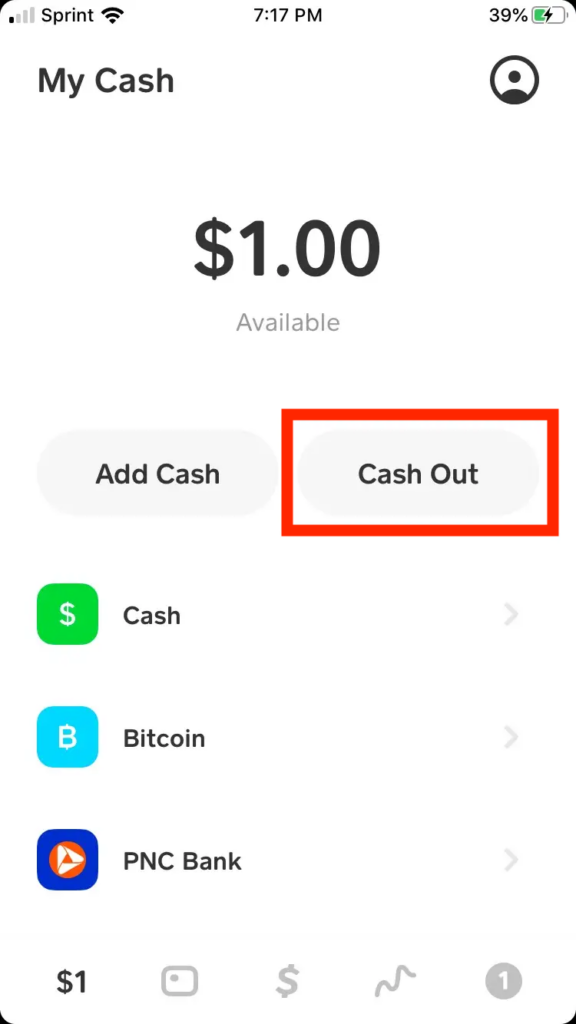
To initiate a transfer, users must first ensure they have a valid bank account linked to their Cash App profile. This typically involves providing your bank’s routing number and your account number. Once linked, you can initiate a transfer from your Cash App balance to your bank account. Cash App provides two options for these transfers, each with distinct financial implications:
- Standard Transfers: These transfers are free of charge and typically process within 1 to 3 business days. While they offer a cost-effective solution, the delayed access to funds means they are best suited for non-urgent financial needs or when planning ahead. For instance, if you’re transferring side hustle income to your main checking account for monthly bill payments, a standard transfer allows you to avoid additional fees.
- Instant Transfers: For situations requiring immediate access to funds, Cash App offers an instant transfer option. As the name suggests, funds are usually deposited into your linked bank account within minutes. However, this convenience comes with a fee, typically 1.5% of the transferred amount, with a minimum charge of $0.25. This fee can quickly accumulate for larger sums, making it crucial to weigh the urgency against the cost. Financial planning often involves determining if the immediate liquidity justifies the transaction cost.
Understanding the daily and weekly limits associated with bank transfers is also vital. While verified Cash App users generally have higher limits, these can still impact large financial transactions. Exceeding these limits will result in a failed transfer, necessitating a reassessment of your withdrawal strategy.
Utilizing the Cash Card for ATM Withdrawals
The Cash Card functions as a free, customizable debit card directly linked to your Cash App balance. Issued by Sutton Bank and powered by Visa, it allows users to spend funds directly from their Cash App balance at point-of-sale terminals or withdraw cash from ATMs. For those who prefer physical currency or need cash for transactions where digital payments aren’t accepted, the Cash Card offers a tangible solution.
Withdrawing cash from an ATM using your Cash Card is straightforward:
- Locate an ATM that accepts Visa.
- Insert your Cash Card.
- Enter your PIN (which you set up within the Cash App).
- Select “Withdrawal” and enter the desired amount.
While the Cash Card provides immediate access to physical cash, it’s important to be aware of the associated fees and limits. Cash App charges a $2 fee for ATM withdrawals if you do not have at least $300 in monthly direct deposits (which qualifies you for free ATM withdrawals). Beyond Cash App’s fee, most ATM operators impose their own surcharges. These combined fees can significantly reduce the effective amount of cash you receive, making ATM withdrawals potentially more expensive than even instant bank transfers for smaller amounts.
ATM withdrawal limits are also a critical consideration. Typically, Cash App imposes a limit of $310 per transaction and $1,000 per day, with a weekly limit of $1,000. These limits are in place for security and regulatory compliance but can restrict users with higher cash needs. Strategic use of the Cash Card for ATM withdrawals should involve prior planning to minimize fees and ensure compliance with daily limits, particularly for those managing operational cash for small businesses or frequent personal expenses.
Navigating Fees, Limits, and Timelines for Optimal Financial Management
Effective financial management hinges on a clear understanding of the costs, constraints, and timeframes associated with accessing your money. With Cash App, deciphering these elements for withdrawals is crucial for optimizing your liquidity and minimizing unnecessary expenses.
Deciphering Withdrawal Fees
Fees are a direct cost to your funds, and understanding them is paramount for budgeting and preserving your balance.
- Instant Transfer Fee: The 1.5% fee (minimum $0.25) for instant transfers is Cash App’s charge for providing immediate access to your funds. While seemingly small, for a $500 transfer, this amounts to $7.50. Users should evaluate if the urgency of accessing funds outweighs this cost. For regular or large transfers, switching to a standard (free) transfer, even with its delay, can result in significant savings over time.
- ATM Withdrawal Fees: These can be a double-edged sword. Cash App charges $2 per ATM withdrawal for users not meeting the direct deposit criteria. On top of this, the ATM operator typically imposes their own surcharge, which can range from $2 to $5 or more. This means a single ATM withdrawal could cost upwards of $7, eating into your available funds considerably. For instance, withdrawing $50 could cost you 10-14% of the amount in fees. Prioritizing ATMs from your primary bank (if it offers fee reimbursement) or those that are part of a surcharge-free network (e.g., Allpoint, although Cash App itself doesn’t directly participate in specific free networks beyond its direct deposit benefit) can mitigate these costs.
Savvy financial planning involves minimizing these fees. If you consistently need immediate access to funds, consider setting up direct deposits to Cash App to unlock fee-free ATM withdrawals, or plan standard transfers well in advance.
Understanding Transaction Limits
Transaction limits are put in place for security, fraud prevention, and regulatory compliance. Cash App has different limits for various transaction types:
- Bank Transfer Limits: While exact figures can vary and are often increased for verified users, typical limits might be around $2,500 per day and $25,000 per week for verified accounts. Unverified accounts have significantly lower limits.
- ATM Withdrawal Limits: These are generally more restrictive, often around $310 per transaction, $1,000 per day, and $1,000 per week. These limits underscore the fact that Cash App is primarily designed for smaller, peer-to-peer transactions rather than large-scale financial movements.
To increase your transaction limits, Cash App requires identity verification. This process typically involves providing your full name, date of birth, and the last four digits of your Social Security Number (SSN). For some, further verification like a full SSN or photo ID might be requested. Completing this verification is not just about increasing limits; it’s a critical step in making your Cash App experience more secure and in line with financial regulations, preventing potential issues with larger sums of money.
Managing Timelines for Fund Access
The speed at which you can access your funds directly impacts your financial flexibility.
- Standard Transfers (1-3 business days): This timeline is common for most ACH transfers between different financial institutions. It’s suitable for funds that aren’t time-sensitive, allowing you to avoid fees.
- Instant Transfers (minutes): This option provides near-real-time access, critical for emergencies or time-sensitive payments. The 1.5% fee is the cost of this immediate liquidity.
- ATM Withdrawals (immediate cash): The Cash Card allows for instant physical cash access. However, users must factor in the travel time to an ATM and the cumulative fees.
Choosing the right withdrawal method means balancing the urgency of fund access against the associated costs and convenience. For example, if you need $100 for groceries tomorrow, a standard transfer today might suffice, avoiding fees. If an unexpected expense arises, an instant transfer or an ATM withdrawal might be necessary, accepting the fees as a trade-off for immediate access.
Advanced Strategies and Best Practices for Secure Fund Management

While accessing your money from Cash App is relatively straightforward, optimizing its use and ensuring the security of your funds requires a thoughtful approach. Integrating Cash App into your broader financial strategy and understanding best practices can enhance both efficiency and safety.
Verifying Your Identity for Enhanced Access and Security
Identity verification is not merely an optional step to raise transaction limits; it’s a cornerstone of responsible digital financial management. For Cash App, verifying your identity means providing personal information like your full name, date of birth, and the last four digits of your Social Security Number (SSN). In some cases, a full SSN, physical address, or even photo ID might be requested.
Why it matters from a financial perspective:
- Increased Limits: Verified accounts enjoy significantly higher sending, receiving, and withdrawal limits, making Cash App viable for more substantial financial activities, such as receiving payments for freelance work or managing larger personal budgets.
- Enhanced Security: Verification adds a layer of security, making it harder for unauthorized individuals to open accounts in your name or conduct fraudulent activities. It helps Cash App comply with “Know Your Customer” (KYC) regulations, designed to prevent financial crimes like money laundering.
- Dispute Resolution: In case of transactional disputes or account issues, a verified identity simplifies the process of proving ownership and resolving problems, protecting your funds.
- Full Feature Access: Certain Cash App features, beyond basic money transfer, might only be available to verified users.
Treating identity verification seriously is a step towards secure and unfettered financial access within the digital ecosystem.
Troubleshooting Common Withdrawal Issues
Even with careful planning, withdrawal issues can occur. Knowing how to troubleshoot these can save time and frustration, ensuring your funds are accessible when needed.
- Failed Bank Transfers:
- Incorrect Bank Details: Double-check your linked bank account number and routing number. A single digit error can cause a transfer to fail.
- Exceeding Limits: Confirm you haven’t exceeded Cash App’s daily or weekly transfer limits, especially for unverified accounts.
- Bank Rejection: Your bank might reject a transfer for various reasons, including security flags (e.g., unusually large amounts), account freezing, or incorrect account status. Contact your bank directly to resolve this.
- Insufficient Funds: Although rare for withdrawals, if a transfer is initiated when funds are pending or otherwise unavailable, it will fail.
- Cash Card / ATM Issues:
- Insufficient Cash App Balance: Ensure your Cash App balance is sufficient to cover the withdrawal amount plus any associated ATM or Cash App fees.
- Incorrect PIN: Verify you are entering the correct PIN for your Cash Card. You can reset your PIN within the Cash App.
- Damaged Card: A physically damaged card might not be readable by the ATM.
- ATM Malfunction: Occasionally, the ATM itself might be out of service or out of cash. Try a different ATM.
For any persistent issues, contacting Cash App support is the next logical step. Having transaction details, screenshots, and an accurate description of the problem will expedite resolution.
Strategic Use of Cash App for Personal Finance
Integrating Cash App into your personal finance strategy can go beyond simple peer-to-peer payments.
- Budgeting for Specific Expenses: Use Cash App as a separate “envelope” for specific budgets, such as “fun money” or “side gig income.” This allows you to easily track and manage funds designated for particular purposes without commingling them with your main bank account.
- Emergency Fund Supplement: For small, immediate emergencies, a portion of an emergency fund kept on Cash App (or easily transferable to it) can provide quick access to cash without impacting your primary savings. However, always prioritize building a robust emergency fund in a high-yield savings account.
- Income Management: If you receive regular payments via Cash App (e.g., freelance clients), establish a routine for transferring these funds to your main bank account, differentiating between amounts needed instantly and those that can wait for a free standard transfer.
- Security Best Practices: Always use strong, unique passwords for your Cash App account. Enable two-factor authentication (2FA) for an added layer of security. Regularly review your transaction history for any unauthorized activity. Be vigilant against phishing scams and never share your PIN or sign-in code with anyone. Treating your Cash App balance with the same care as your traditional bank account is crucial for protecting your financial assets.
Alternative Avenues and Future Considerations for Your Funds
While direct bank transfers and ATM withdrawals are the primary ways to “get money off” Cash App, it’s also worth considering how else you can utilize your balance directly or through alternative channels, and what the future might hold for managing digital funds.
Direct Spending with the Cash Card
Sometimes, the most efficient way to use your Cash App balance isn’t to withdraw it, but to spend it directly. The Cash Card acts as a debit card linked to your Cash App balance, allowing you to make purchases anywhere Visa is accepted, both online and in physical stores. This bypasses withdrawal fees entirely and provides immediate utility for your funds.
Financial benefits of direct spending:
- No Withdrawal Fees: Avoids the 1.5% instant transfer fee or the combined ATM fees.
- Real-time Budgeting: As funds are spent directly from your Cash App balance, it offers a real-time view of your available spending money, which can be useful for managing a specific budget (e.g., weekly allowance, discretionary spending).
- Convenience: For everyday purchases, tapping or swiping your Cash Card is often more convenient than initiating a bank transfer or finding an ATM.
For individuals who primarily use Cash App to receive payments for services or small sales, direct spending can be a highly efficient way to utilize those funds for daily expenses without extra steps or costs.
Peer-to-Peer Transfers as a Solution
If your goal is to pay another individual or business that also uses Cash App, transferring funds directly within the app is often the most direct and cost-effective solution. Rather than withdrawing money to your bank account and then initiating a payment from there, a direct Cash App-to-Cash App transfer is instantaneous and free.
Scenario where this is beneficial:
- Splitting Bills: If you owe a friend for dinner and they also have Cash App, sending them money directly saves you the hassle and cost of withdrawing cash or transferring to your bank first.
- Paying Contractors/Vendors: For small businesses or individuals paying independent contractors who use Cash App, this method can streamline payments.
- Family Transfers: Sending money to family members who use the app is quick and incurs no fees.
This method highlights Cash App’s core strength as a peer-to-peer payment platform, providing a seamless way to move money between users without involving traditional banking channels for every transaction.
Looking Ahead: Evolution of Digital Wallets and Your Finances
The landscape of digital payments is constantly evolving, and platforms like Cash App are at the forefront of this change. As digital wallets become more integrated into our financial lives, understanding their capabilities and limitations will become even more crucial.
- Increased Integration: Expect greater seamlessness between digital wallets, traditional banks, and perhaps even investment platforms. This could mean more varied and flexible options for moving funds in and out of apps.
- Enhanced Features: Digital wallets are continuously adding features like investing in stocks or Bitcoin, direct deposit options, and budgeting tools directly within the app, further solidifying their role as comprehensive financial hubs.
- Regulatory Changes: As these platforms grow, so will regulatory scrutiny, potentially leading to changes in limits, verification processes, and fee structures to ensure consumer protection and financial stability.
By staying informed about these developments, users can continue to leverage digital tools like Cash App for optimal personal finance management, adapting their strategies to take advantage of new features and navigate evolving regulations. The key remains active engagement and understanding of how these platforms fit into one’s overall financial health.
Conclusion
Cash App is a powerful financial tool that simplifies sending and receiving money, but true empowerment comes from understanding how to efficiently access your funds. Whether through free standard bank transfers, convenient instant transfers, or the versatile Cash Card for ATM withdrawals and direct spending, each method offers distinct advantages and trade-offs. By carefully considering the fees, transaction limits, and timelines associated with each option, users can make informed decisions that align with their financial needs and priorities.
Beyond the mechanics of withdrawal, secure and strategic use of Cash App is paramount. Verifying your identity enhances security and access, while proactive troubleshooting ensures uninterrupted fund access. Integrating Cash App thoughtfully into your personal finance strategy—using it for specific budgeting, leveraging its peer-to-peer capabilities, and maintaining vigilance against security threats—transforms it from a simple payment app into a valuable component of your overall financial ecosystem. As digital finance continues to evolve, staying informed and adopting best practices will ensure you always have efficient and secure control over your money.
aViewFromTheCave is a participant in the Amazon Services LLC Associates Program, an affiliate advertising program designed to provide a means for sites to earn advertising fees by advertising and linking to Amazon.com. Amazon, the Amazon logo, AmazonSupply, and the AmazonSupply logo are trademarks of Amazon.com, Inc. or its affiliates. As an Amazon Associate we earn affiliate commissions from qualifying purchases.