
In an increasingly digital financial landscape, the ability to seamlessly transition between virtual funds and tangible cash remains a critical need for many individuals. Cash App, a popular mobile payment service, has become a cornerstone of peer-to-peer transactions and direct deposits for millions. While its primary utility lies in sending, receiving, and investing money digitally, the practical need for physical cash persists. This article delves into the precise mechanics of withdrawing money from your Cash App account at an ATM, providing a detailed guide for users to access their funds conveniently and securely. Understanding this process is crucial for effective personal financial management, ensuring liquidity when and where it’s most needed.

Understanding Cash App’s ATM Withdrawal Functionality
Cash App, developed by Block, Inc., has revolutionized the way many people manage their finances, offering a suite of services from instant payments to stock and Bitcoin trading. However, for those instances where digital funds need to be converted into physical cash, Cash App provides a straightforward solution through its associated debit card. This functionality bridges the gap between the digital wallet and the traditional banking infrastructure, offering users a familiar method to access their money.
The Role of the Cash Card
The linchpin of ATM withdrawals from Cash App is the Cash Card. This is a free, customizable Visa debit card directly linked to your Cash App balance. Unlike a traditional bank debit card, the Cash Card draws funds exclusively from your available Cash App balance. It functions like any standard Visa debit card, allowing you to make purchases online, in stores, and, critically, withdraw cash from ATMs. For users who have funds held within their Cash App account from direct deposits, peer-to-peer payments, or other sources, the Cash Card transforms these digital balances into spendable physical currency, making it an indispensable tool for financial flexibility.
Eligibility and Account Verification
Before you can order or use a Cash Card for ATM withdrawals, certain eligibility requirements and verification steps must be met. Primarily, users must be at least 18 years old. To order a Cash Card, you will typically need to verify your identity within the Cash App. This often involves providing your full legal name, date of birth, and the last four digits of your Social Security Number (SSN). This verification process is a crucial anti-fraud and Know Your Customer (KYC) measure, ensuring the security of your funds and compliance with financial regulations. Once verified, you can request a Cash Card directly through the app, which usually arrives by mail within 5-10 business days. Upon receipt, the card must be activated within the app by scanning the QR code or manually entering the card details. Only after successful activation can the Cash Card be used for transactions, including ATM withdrawals.
Key Benefits of ATM Access
The ability to withdraw cash from Cash App at an ATM offers several compelling benefits for users managing their personal finances. Firstly, it provides unparalleled convenience and liquidity. Whether you’re in an area where digital payments aren’t accepted, need cash for a specific purchase, or simply prefer to manage some funds physically, ATM access ensures your money is readily available. Secondly, it acts as a valuable emergency fund access point. If your primary bank card is compromised or inaccessible, having a separate means to withdraw cash from your Cash App balance can be a lifesaver in unexpected situations. Lastly, for individuals who rely on Cash App for receiving paychecks or other income, it simplifies the process of converting those digital deposits into spendable cash without needing to transfer funds to a separate bank account first, streamlining their financial workflow.
Step-by-Step Guide to Withdrawing Cash App Funds at an ATM
Withdrawing cash from your Cash App balance at an ATM is a straightforward process, akin to using a traditional bank debit card. However, understanding the nuances and ensuring you follow each step correctly can prevent complications and make the experience seamless.
Locating Compatible ATMs
The first step in withdrawing cash is to find a compatible ATM. Since the Cash Card is a Visa debit card, it is accepted at virtually any ATM that displays the Visa or Plus logo. This includes most major bank ATMs, independent ATM networks, and ATMs found in retail stores, gas stations, and other locations. While Cash App itself does not have a proprietary ATM network, its partnership with Visa provides extensive access. It’s advisable to look for ATMs associated with major banks or reputable networks, as these tend to be more secure and less prone to surcharges from the ATM operator, though always be mindful of displayed fees.
Initiating the Transaction
Once you’ve located a suitable ATM, the process begins much like any other debit card transaction. Carefully insert your Cash Card into the ATM’s card slot. The ATM will prompt you to select your preferred language. Following this, you will be asked to enter your four-digit Personal Identification Number (PIN). This PIN is set by you within the Cash App itself when you activate your card. It’s crucial to keep your PIN confidential and never share it with anyone. Always shield the keypad with your hand when entering your PIN to prevent “shoulder surfing” attempts by potential fraudsters.
Selecting Withdrawal Options
After successfully entering your PIN, the ATM will present you with a menu of transaction options. You will typically see choices such as “Withdrawal,” “Balance Inquiry,” “Transfer,” and “Deposit.” For cash access, select the “Withdrawal” option. Some ATMs may then ask you to specify the account type you’re withdrawing from; always select “Checking” or “Debit” as the Cash Card functions as a debit card linked to your primary Cash App balance. Do not select “Savings” or “Credit” as these are not applicable to the Cash Card.
Confirming the Amount and Completing the Transaction
The ATM will then prompt you to enter the amount of cash you wish to withdraw. Ensure that the amount you enter does not exceed your available Cash App balance and is within the daily ATM withdrawal limits set by Cash App (discussed in the next section). After entering the amount, the ATM will often display a confirmation screen, showing the amount requested and any potential ATM operator fees. Review this information carefully. If everything is correct, confirm the transaction. The ATM will dispense your cash. Remember to take your cash, retrieve your Cash Card, and collect your transaction receipt before leaving the ATM. The receipt serves as proof of your transaction and can be helpful for reconciliation or in case of any discrepancies.
Navigating Fees and Limits Associated with ATM Withdrawals
While the convenience of ATM withdrawals from Cash App is significant, it’s essential for users to be aware of the associated fees and withdrawal limits. Understanding these aspects is key to managing your funds efficiently and avoiding unexpected charges.
Cash App’s Fee Structure for ATM Use
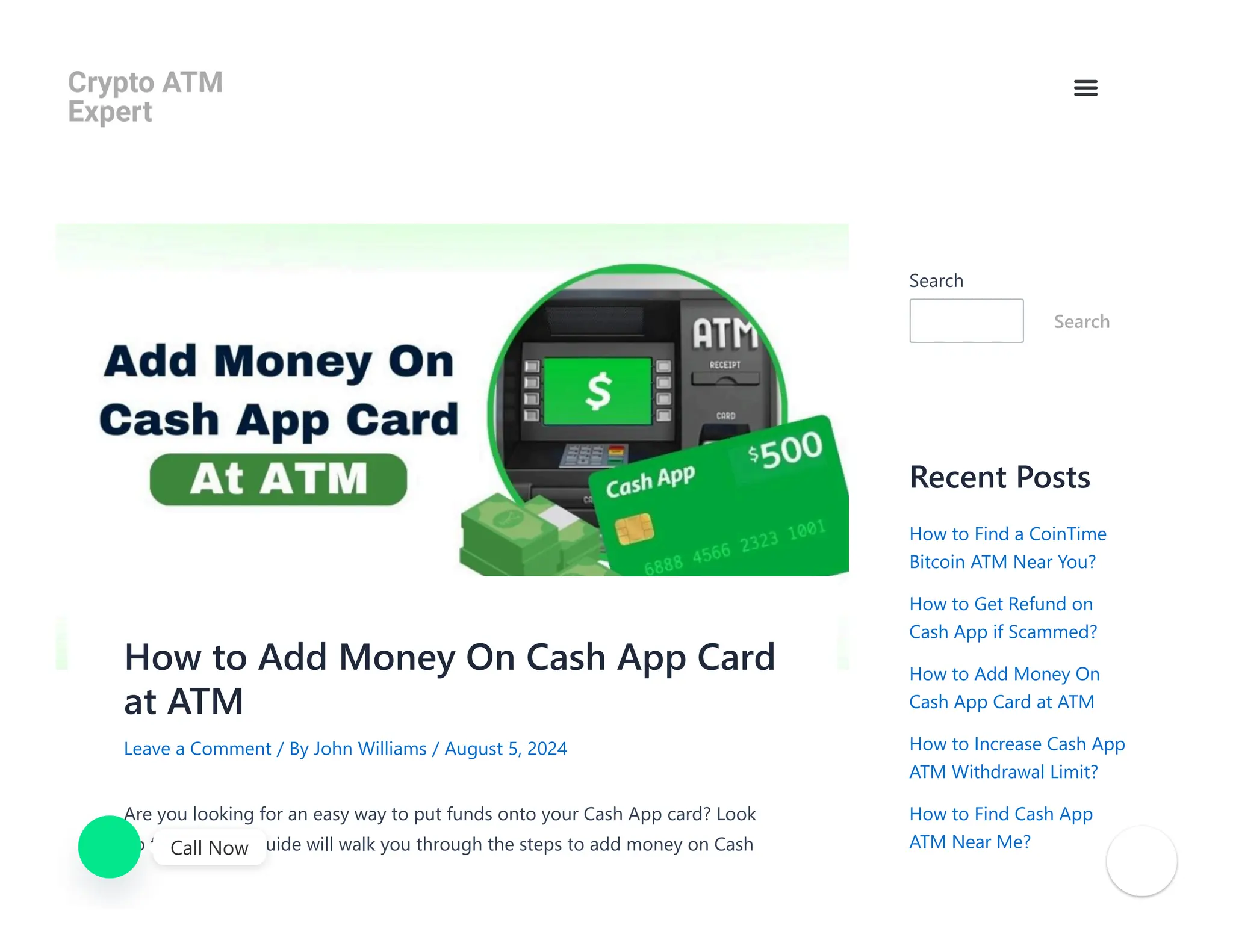
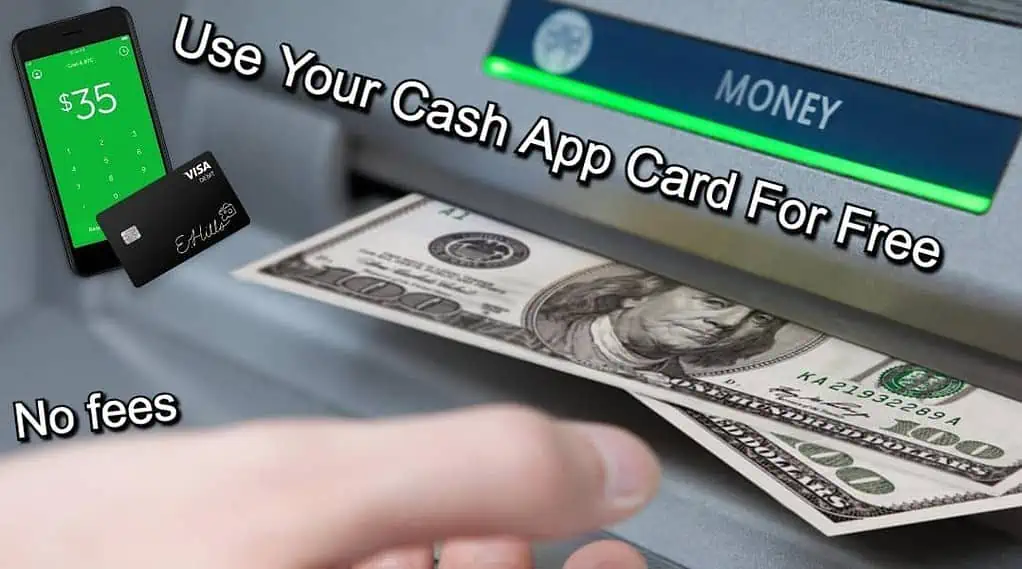
Cash App itself does not charge a direct fee for standard ATM withdrawals. However, there’s a crucial caveat: if you do not have at least $300 in qualifying direct deposits into your Cash App account each month, Cash App will charge a $2.50 ATM fee for each withdrawal. If you meet the $300 direct deposit threshold, these Cash App-imposed ATM fees are waived. This incentive encourages users to route their paychecks or other regular income streams directly into their Cash App account, enhancing its utility as a primary financial tool. It’s important to regularly check your direct deposit status within the app to understand whether you qualify for fee-free ATM withdrawals.
Understanding Daily and Weekly Withdrawal Limits
To ensure security and mitigate risk, Cash App imposes limits on how much money can be withdrawn from an ATM. As of the current policies, users can typically withdraw a maximum of $310 per transaction and up to $1,000 within a 24-hour period. There is also often a weekly withdrawal limit, which can be around $2,500. These limits are subject to change and may vary based on individual account history, verification status, and other factors. It’s always advisable to check the most current limits directly within the Cash App’s settings or support documentation before attempting a large withdrawal. These limits are designed to protect users from potential fraud while still providing ample access to their funds for daily needs.
Potential Third-Party ATM Fees
Beyond any potential fees imposed by Cash App, users must also contend with surcharges from the ATM operator. Many independent ATMs, and even some bank-owned ATMs not part of your primary banking network (if you had one), will charge a fee for using their machine. These fees can range from $2.00 to $5.00 or more per transaction. The ATM is legally required to disclose these fees on screen before you complete the transaction, giving you the option to cancel if you don’t wish to pay the surcharge. These third-party fees are completely separate from Cash App’s fees and are levied by the owner of the ATM. When choosing an ATM, it’s always prudent to look for machines that state “No Surcharge” or are part of a network that explicitly avoids such fees.
Strategies to Minimize Costs
Minimizing the costs associated with ATM withdrawals is a smart financial practice. The most effective strategy is to meet Cash App’s $300 direct deposit requirement to waive their $2.50 fee. By setting up direct deposit from your employer or other income sources to your Cash App account, you can access ATMs without incurring Cash App’s specific charges. Additionally, always prioritize using fee-free ATMs. These are typically found at larger banks (if you have an account with them and it’s a network ATM), credit unions, or specific retail chains that partner with ATM networks like Allpoint or MoneyPass (though verify if your Cash Card is part of these networks or if the ATM operator directly waives fees). If you must use a fee-charging ATM, consider withdrawing a larger amount less frequently, within your daily/weekly limits, to reduce the number of individual transaction fees incurred. Planning your cash needs can significantly cut down on these incidental expenses, allowing you to retain more of your hard-earned money.
Best Practices for Secure and Efficient Cash App ATM Withdrawals
Utilizing your Cash Card at an ATM involves handling both your financial assets and personal information. Adhering to best practices for security and efficiency is paramount to protecting your funds and ensuring smooth transactions.
Prioritizing Security Measures
Security should always be your top concern when dealing with ATMs. Firstly, always protect your PIN. Never write it down, share it with anyone, or choose an easily guessable number combination (e.g., your birthday). When entering your PIN at an ATM, always use your other hand to shield the keypad from view. Secondly, be vigilant for skimmers or tampering. Before inserting your card, quickly inspect the card slot, keypad, and surrounding areas for anything unusual or loosely attached, which could indicate a skimming device. If something looks suspicious, do not use the ATM and report it. Thirdly, choose well-lit, public locations for ATM withdrawals, especially during off-hours, to minimize the risk of being targeted by criminals. If an ATM location feels unsafe, find another one. Lastly, always keep your Cash Card secure; treat it like cash and report it immediately if lost or stolen through the Cash App.
Monitoring Your Cash App Balance
One of the fundamental principles of responsible financial management is knowing your available funds. Before heading to an ATM, always check your Cash App balance directly within the app. This ensures you have sufficient funds for the withdrawal amount you intend to make and helps avoid potential declined transactions due to insufficient funds, which can sometimes incur a fee or simply be an inconvenience. Regularly monitoring your balance also allows you to track your spending and reconcile transactions, providing a clear picture of your financial health within the Cash App ecosystem. The app provides real-time updates, making it easy to stay informed.
Troubleshooting Common Issues
Even with careful planning, issues can sometimes arise during an ATM withdrawal. If your withdrawal fails, first check your Cash App balance again. Ensure you have enough funds and that you haven’t exceeded any daily or weekly withdrawal limits. Secondly, review the ATM’s error message; it might provide a clue about the problem (e.g., “Insufficient Funds,” “Invalid PIN,” “Transaction Limit Exceeded”). If the ATM malfunctions or retains your card, immediately contact the bank that owns the ATM (their customer service number is usually displayed on the machine) and then contact Cash App support through the app. Take a picture of any error messages and note the ATM’s location and time of the incident. In situations where the ATM dispenses less cash than requested or doesn’t dispense any cash but your balance is debited, reporting the issue immediately to both the ATM operator and Cash App is crucial for investigation and resolution.
Alternatives to ATM Withdrawals
While ATM withdrawals offer essential access to cash, Cash App provides several other avenues for accessing or spending your funds that might be more convenient or cost-effective in certain situations. The most direct alternative is simply using your Cash Card for purchases. It functions as a standard Visa debit card, allowing you to pay for goods and services directly at point-of-sale terminals or online, negating the need for physical cash and avoiding ATM fees. Another option is to transfer funds from Cash App to a linked bank account. Standard transfers are free and typically arrive within 1-3 business days. For urgent needs, an Instant Deposit to your linked debit card is available for a small fee (usually 0.5% – 1.75%, with a minimum fee of $0.25), and funds arrive almost instantly. For peer-to-peer transactions, sending money directly to another Cash App user is instant and free, removing the need for cash altogether. Considering these alternatives can help optimize your financial management and reduce reliance on fee-incurring ATM transactions.
Financial Implications and Broader Context
Integrating Cash App into one’s financial ecosystem, particularly its ATM withdrawal capabilities, carries significant implications for personal finance and reflects broader trends in how individuals manage their money. Understanding these implications helps users leverage Cash App more effectively as a comprehensive financial tool.
Cash App as a Personal Finance Tool
For many, Cash App is more than just a payment app; it’s a vital personal finance tool. Its ability to facilitate direct deposits transforms it into a pseudo-bank account for managing income, while its linked Cash Card and ATM access provide the necessary liquidity. This integration can simplify budgeting, as users can allocate specific funds to their Cash App for daily spending, separate from long-term savings or investments held elsewhere. For gig economy workers, freelancers, or those who frequently send and receive peer-to-peer payments, Cash App offers an agile platform for managing these dynamic income streams and expenditures. By consolidating various financial activities within one app, users gain a more holistic view of their immediate financial standing, enabling better decision-making regarding cash flow and spending habits.
Balancing Digital and Physical Cash
The ongoing debate about the transition to a cashless society often overlooks the persistent need for physical cash in various scenarios. While digital payments offer unparalleled convenience, privacy, and speed for many transactions, physical cash remains crucial for small vendors, tipping, emergencies, and situations where technology might fail or isn’t universally accessible. Cash App’s ATM withdrawal feature directly addresses this balance, providing a flexible bridge between the digital and physical realms of money. It acknowledges that while digital wallets are convenient, the real-world utility of cash is far from obsolete. For individuals, this means having the best of both worlds: the efficiency of digital transactions combined with the universal acceptance and reliability of physical currency when required. This flexibility is a cornerstone of robust personal financial management, allowing adaptation to diverse economic environments and personal preferences.
Future Trends in Digital Wallets and Cash Access
The evolution of digital wallets like Cash App continues at a rapid pace, driven by technological advancements and changing consumer expectations. We can anticipate further integration with broader financial services, potentially offering more sophisticated budgeting tools, enhanced investment options, and tighter security protocols. Regarding cash access, future innovations might include wider networks of fee-free ATMs through strategic partnerships, or even novel methods of cash disbursement that bypass traditional ATMs altogether. Biometric authentication, AI-powered fraud detection, and even integration with decentralized finance (DeFi) platforms could reshape how users interact with their digital funds and access physical currency. As the lines between traditional banking and fintech blur, Cash App’s commitment to providing seamless and secure access to funds, both digitally and physically, will remain a critical differentiator and a testament to its value in the modern financial ecosystem.
aViewFromTheCave is a participant in the Amazon Services LLC Associates Program, an affiliate advertising program designed to provide a means for sites to earn advertising fees by advertising and linking to Amazon.com. Amazon, the Amazon logo, AmazonSupply, and the AmazonSupply logo are trademarks of Amazon.com, Inc. or its affiliates. As an Amazon Associate we earn affiliate commissions from qualifying purchases.