
In the rapidly evolving landscape of fintech, Cash App has emerged as a cornerstone for personal finance management, offering a seamless interface for peer-to-peer (P2P) payments, stock trading, and even Bitcoin investment. However, the utility of the platform is entirely dependent on one’s ability to efficiently move liquidity into the ecosystem. Understanding how to get money into Cash App is not merely a technical necessity; it is a foundational skill for anyone looking to optimize their digital banking experience. Whether you are transitioning from traditional banking, managing a side hustle, or looking for ways to digitize physical currency, mastering the various funding avenues is essential for financial agility.
Linking Traditional Banking to Digital Wallets
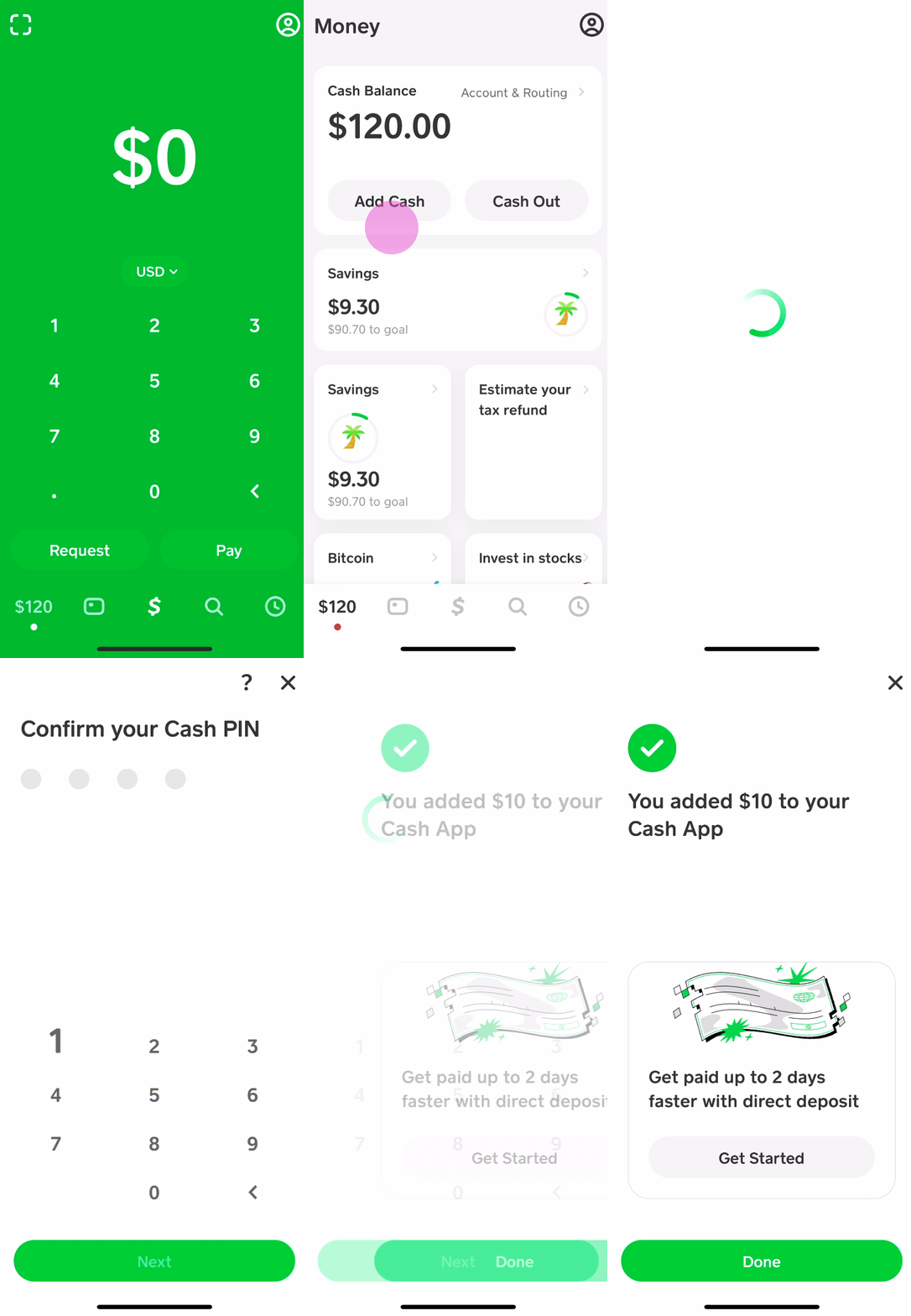
The most common and efficient method to fund a Cash App account is through the integration of traditional banking infrastructure. By bridging the gap between legacy financial institutions and modern digital wallets, users can move capital with minimal friction.
Connecting a Debit Card for Instant Transfers
For the majority of users, the primary conduit for funding is a linked debit card. When you link a debit card from a mainstream bank, Cash App utilizes the existing payment rails to allow for near-instantaneous transfers. To execute this, a user simply navigates to the “Banking” tab and enters their card details.
Once the card is verified, the “Add Cash” feature becomes the main tool for liquidity. This method is highly favored because it carries no transaction fees for the user and allows for the immediate availability of funds. From a personal finance perspective, this is the most effective way to manage daily expenses, as it allows you to pull only what is needed from a primary savings account, thereby maintaining a clear boundary between “spending money” and “savings.”
The Role of Linked Bank Accounts in Large Transactions
While debit cards are excellent for speed, linking a full bank account via the ACH (Automated Clearing House) network provides a different set of advantages. Using services like Plaid, Cash App allows users to securely log into their external bank accounts to establish a direct link.
This connection is particularly useful for larger transfers that might exceed the daily or weekly limits imposed on debit card transactions. For individuals using Cash App as a secondary business account or for significant personal finance milestones—such as paying rent or transferring large sums for investments—the bank account link acts as a high-capacity pipeline. While ACH transfers can sometimes take 1–3 business days to settle compared to the instant nature of debit cards, they offer a layer of stability and higher limits necessary for comprehensive money management.
Leveraging Peer-to-Peer Networks and Deposits
Cash App’s ecosystem is designed around the velocity of money. It is not just a storage container for cash; it is a dynamic network where money moves between individuals and organizations. Leveraging these networks is an excellent way to increase your balance without pulling from your own external accounts.
Requesting Funds from Friends and Family
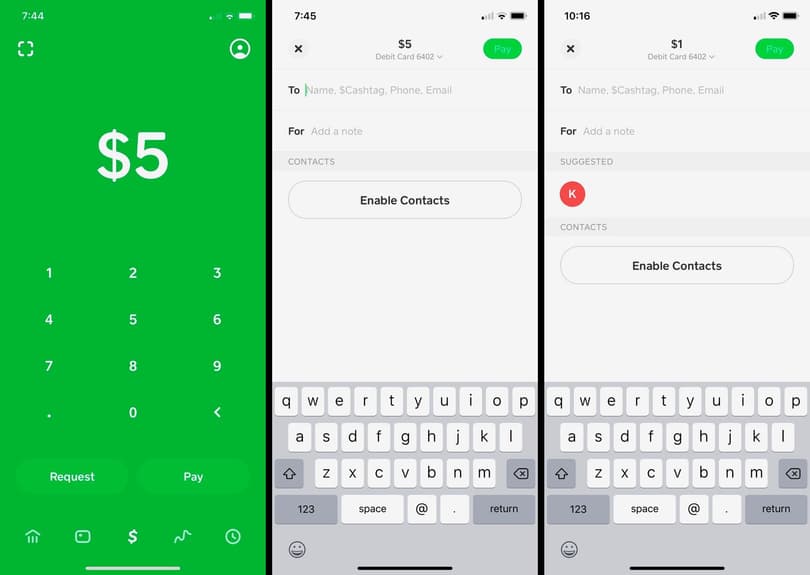
At its core, Cash App is a social financial tool. One of the simplest ways to get money into the app is by requesting payments for shared expenses. Whether you are splitting a dinner bill, collecting a portion of the monthly utility costs, or receiving a gift, the “Request” feature is a powerful tool.
From a strategic standpoint, using the request feature ensures that your personal cash flow remains positive without you having to manually transfer funds from your bank. For those engaged in freelance work or small-scale side hustles, the “Cashtag” serves as a professional handle, allowing clients to send payments directly to your balance, which can then be immediately reinvested or used for expenses.
Utilizing Direct Deposit for Paychecks and Tax Refunds
One of the most significant upgrades Cash App has made to its financial suite is the inclusion of routing and account numbers, effectively turning the app into a full-fledged checking account. By providing these details to an employer or the IRS, users can have their paychecks or tax refunds deposited directly into Cash App.
This is a game-changer for individuals who want to bypass traditional banks entirely. Direct deposits often arrive up to two days earlier on Cash App than they do at traditional brick-and-mortar institutions. Financially, this provides earlier access to capital, allowing for quicker debt payments or investment contributions. It also consolidates one’s financial life, as the income arrives exactly where the spending and investing tools are located.
Physical Cash Ingress: Retail Locations and ATM Solutions
A common challenge in the digital age is the “last mile” of finance: converting physical paper money into digital credits. Cash App has solved this through a robust network of retail partnerships, making it possible to digitize cash without needing a traditional bank teller.

Adding Cash at Participating Retailers
For those who receive cash tips, work in cash-heavy industries, or simply prefer to keep a portion of their wealth in physical form, the “Paper Money” deposit feature is invaluable. Cash App has partnered with major national retailers—such as Walgreens, 7-Eleven, Walmart, and Family Dollar—to act as deposit hubs.
To use this feature, a user generates a unique barcode within the app, which the retail cashier scans. The user then hands over the physical cash, and for a small fee (typically around $1), the funds are added to the digital balance. This democratizes access to digital finance, allowing unbanked or underbanked individuals to participate in the digital economy, pay bills online, and send money to others without needing a traditional debit card.
Paper Money Deposits: A Step-by-Step Walkthrough
To ensure a smooth transaction at a retail location, it is important to understand the limits and requirements. Typically, there are daily and monthly limits on how much physical cash can be deposited (often capped at $500 per transaction or $1,000 per week).
From a financial planning perspective, users should account for the $1 service fee. While nominal, it is a cost of convenience. Strategic users often wait until they have a larger sum of cash to deposit rather than making multiple small deposits, thereby minimizing the percentage of their capital lost to transaction fees. This method bridges the gap between the physical and digital worlds, ensuring that “cash under the mattress” can be put to work in the digital marketplace.
Advanced Funding Methods: Credit Cards and Recurring Transfers
As users become more sophisticated in their use of Cash App, they may look toward more complex ways to manage their liquidity. This includes using credit as a tool and automating their financial habits to ensure consistent growth of their digital balance.
The Pros and Cons of Using Credit Cards on Cash App
Cash App allows users to link a credit card to send money to others, though it is important to note that you cannot currently use a credit card to “Add Cash” directly to your own balance. However, by using a credit card to pay a friend who then sends the money back, or by using it for P2P transactions, you are effectively using credit to fund your movement within the app.
The financial caveat here is the 3% transaction fee associated with credit card usage. In the world of personal finance, a 3% hit on principal is significant. Generally, this method should be reserved for emergencies or for users who are strategically “churning” credit card points where the reward value exceeds the 3% fee. For the average user, debit and bank transfers remain the superior financial choice due to their lack of fees.
Automating Your Finances with Recurring Deposits
Consistency is the hallmark of successful financial management. Cash App offers an “Auto-Invest” or recurring deposit feature that allows users to schedule automatic transfers from their linked bank account into their Cash App balance or directly into stocks/Bitcoin.
By setting up a recurring deposit of, for example, $50 every Friday, you ensure that your Cash App wallet is always funded for your weekend spending or investment goals. This “set it and forget it” mentality removes the psychological barrier of manual transfers and helps in building a disciplined financial habit. It ensures that your digital wallet is a reflection of your broader financial strategy rather than an afterthought.
Security and Best Practices for Mobile Money Management
When moving money into any digital platform, security must be the primary concern. The convenience of Cash App is a double-edged sword; while it makes moving money easy, it also requires the user to be vigilant in protecting their assets.
Protecting Your Digital Assets from Scams
As you increase the amount of money you move into Cash App, you become a more attractive target for bad actors. One of the most important rules of financial tool management is to never send money to someone promising a “cash flip” or claiming to be “Cash App Support.”
Legitimate funding methods—whether through a bank, a retailer, or an employer—will never require you to send money first to “verify” your account. Furthermore, enabling Security Locks (requiring FaceID, TouchID, or a PIN for every transaction) adds a vital layer of protection. If your phone is lost or stolen, these measures ensure that your hard-earned balance remains inaccessible to unauthorized users.
Maximizing the Utility of Your Cash App Balance
Once you have successfully mastered the art of getting money into Cash App, the focus shifts to how to use that balance effectively. Beyond simple payments, the balance can be used to earn “Boosts”—instant discounts at various retailers when using the Cash Card.
By strategically funding your app and then spending through the Cash Card, you can effectively “earn” money back on your daily purchases. For instance, a 10% boost at a grocery store or a coffee shop is essentially a high-yield return on your liquidity. This turns Cash App from a simple P2P tool into a comprehensive financial ecosystem that rewards active management and smart funding strategies. Through a combination of direct deposits, retail cash-ins, and automated transfers, users can create a robust, secure, and highly efficient financial hub that serves their modern lifestyle.
aViewFromTheCave is a participant in the Amazon Services LLC Associates Program, an affiliate advertising program designed to provide a means for sites to earn advertising fees by advertising and linking to Amazon.com. Amazon, the Amazon logo, AmazonSupply, and the AmazonSupply logo are trademarks of Amazon.com, Inc. or its affiliates. As an Amazon Associate we earn affiliate commissions from qualifying purchases.