
In the rapidly evolving landscape of digital finance, peer-to-peer payment applications like Cash App have become indispensable tools for many, enabling instant money transfers, direct deposits, and even investing. This convenience, however, often comes with an underlying anxiety: what happens when a payment goes awry? Whether it’s an accidental transfer to the wrong recipient, an unauthorized transaction, or a dispute over goods or services, the question of “how to get money back from Cash App” is a common and critical one for countless users.
Unlike traditional banking where chargebacks and disputes are more structured, the instantaneous nature of Cash App transactions presents unique challenges. This comprehensive guide aims to demystify the process, offering actionable steps, insightful advice, and preventative measures to help users navigate the complexities of fund recovery on Cash App. Understanding the mechanisms, limitations, and best practices is paramount to protecting your financial interests in the digital age.
Understanding Cash App Transactions and Reversals
Before delving into the specifics of fund recovery, it’s crucial to grasp how Cash App transactions fundamentally operate and the general principles governing reversals. The platform is designed for quick, direct transfers between individuals, which inherently impacts the ease of retrieving funds once they’ve been sent.
How Cash App Transactions Work
When you send money via Cash App, the funds are typically deducted from your linked bank account or Cash App balance and credited to the recipient’s account almost instantly. This immediacy is a cornerstone of the app’s appeal, but it also means that once a payment is processed, it’s akin to handing over physical cash – the transaction is largely irreversible by default from Cash App’s side without the recipient’s cooperation. This peer-to-peer model differs significantly from credit card transactions, which often have built-in consumer protections and chargeback mechanisms.
When Can You Request a Refund?
The ability to request a refund on Cash App primarily hinges on two factors: the nature of the transaction and the willingness of the recipient.
- Direct Refund by Recipient: This is the simplest and most effective method. If you’ve sent money in error or have an agreement with the recipient for a refund (e.g., for returned goods), they can easily send the money back to you from their Cash App account.
- Disputed Transactions: In cases of unauthorized transactions, fraud, or failure to receive promised goods/services, you can initiate a dispute through Cash App support. However, Cash App’s role in these disputes is often limited to mediation or investigation, as they are not a bank and do not hold funds in escrow.
- Pending Payments: Sometimes, a payment might show as “pending.” This status can occur if there’s a temporary issue with the recipient’s account or if the transaction is undergoing a security review. A pending payment is often easier to cancel than a completed one, as the funds haven’t fully transferred.
Key Differences: Direct vs. Pending Payments
The distinction between direct (completed) and pending payments is vital for understanding your options.
- Direct/Completed Payments: Once a payment is complete, the money is in the recipient’s account. Your primary recourse is to ask the recipient to send it back. If they refuse, Cash App’s ability to intervene directly and force a refund is very limited.
- Pending Payments: If a payment is pending, there’s a window of opportunity to cancel it. You can usually find the option to cancel a pending payment within the transaction details in your activity feed. If you successfully cancel it, the funds will be returned to your account. It’s important to check your activity feed regularly if you suspect an issue with a recent transfer.
Understanding these foundational aspects sets realistic expectations for the fund recovery process and informs the strategies you should employ.
Navigating Common Scenarios for Money Recovery
Users encounter various situations that necessitate getting money back from Cash App. Each scenario often demands a slightly different approach, though the overarching principle remains active engagement with the recipient and, if necessary, Cash App support.
Accidental Payments to the Wrong Person
One of the most frequent reasons for needing a refund is sending money to the wrong individual. This often happens due to a typo in a username ($Cashtag) or selecting the incorrect contact from a list.
- Immediate Action: As soon as you realize the error, check the transaction details. If the payment is still pending, cancel it immediately.
- Contact the Recipient: If the payment has completed, your first and most effective step is to politely request a refund from the unintended recipient. Cash App provides a messaging feature within the app, or you can try other contact methods if you know the person. Clearly explain the situation and provide the transaction details. Many people are understanding and will return the funds.
- Involve Cash App Support: If the recipient is unresponsive or refuses to send the money back, you can contact Cash App support. While they cannot force a refund, they can review the situation and may be able to offer guidance or initiate a dispute process on your behalf, especially if there’s clear evidence of an error.
Unauthorized Transactions and Fraud
Unauthorized transactions occur when someone accesses your Cash App account without your permission and sends money. Fraud often involves deceptive practices where you are tricked into sending money under false pretenses.
- Unauthorized Transactions: If you notice a payment you didn’t authorize, immediately change your Cash App PIN, disable your Cash Card if applicable, and contact Cash App support. They have established procedures for investigating unauthorized access and may be able to reverse the transaction if it’s proven to be fraudulent. You may also need to file a report with your bank or credit card company if your linked financial account was used.
- Fraud/Scams: This is a tougher category. If you willingly sent money to a scammer (e.g., for a fake prize, a non-existent item, or a deceptive investment opportunity), Cash App’s ability to recover funds is significantly limited because you authorized the transaction. Your best bet is to report the scammer and the transaction to Cash App support, providing all relevant details. They may be able to flag the account, preventing further scams, but a direct refund is unlikely unless the scammer chooses to send it back (which is rare).
Issues with Goods or Services Not Received
When you use Cash App to pay for goods or services and the merchant fails to deliver or provides a substandard product, this constitutes a dispute.
- Contact the Seller: First, attempt to resolve the issue directly with the seller. Provide documentation of your payment and the unfulfilled promise.
- Dispute through Cash App: If direct resolution fails, you can dispute the transaction through Cash App support. You will need to provide evidence of the purchase, communication with the seller, and proof of non-delivery or faulty service. Cash App will investigate and may mediate the dispute, but again, their power to force a refund is restricted.
- Chargeback via Bank/Card: If your Cash App payment was funded directly from a linked debit card or bank account, you might have recourse through your bank’s chargeback process. This is often a last resort and can be a lengthy process, but it leverages the consumer protections offered by traditional financial institutions.
Scams and Social Engineering
Scammers are constantly evolving their tactics. Common Cash App scams include fake customer support, “cash flipping,” lottery scams, and impersonation. The crucial element here is that the user is often tricked into authorizing the payment themselves.
- Recognize and Report: The most effective defense is prevention. If you suspect a scam, do not send money. If you have already sent money, immediately report the scammer and the transaction details to Cash App support. Provide screenshots of conversations and any other evidence. While a refund is improbable, reporting helps Cash App combat fraud.
- Consumer Protection Agencies: For significant losses due to scams, consider reporting to external bodies like the Federal Trade Commission (FTC) or your local consumer protection agencies.
Step-by-Step Guide to Requesting a Refund on Cash App
When facing a situation requiring a refund, a structured approach can increase your chances of success. Follow these steps meticulously, documenting everything along the way.
Initiating a Refund Request for Sent Payments
Cash App provides a direct, in-app method for requesting a refund from the recipient.
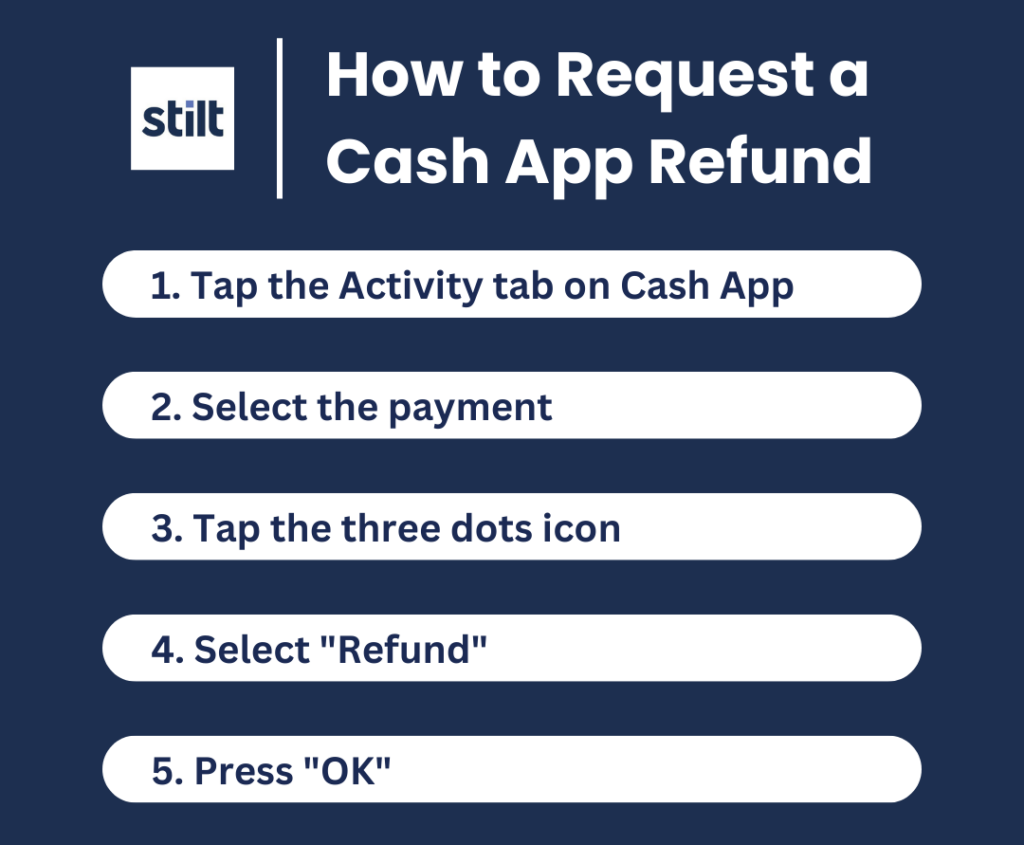
- Locate the Transaction: Open Cash App and tap the activity tab (the clock icon) on your home screen.
- Select the Payment: Scroll through your activity feed to find the specific payment you wish to dispute or request a refund for. Tap on it.
- Initiate Refund: On the transaction details page, tap the three dots (…) in the top right corner. Select “Refund.”
- Confirm Request: A prompt will appear asking if you want to request a refund. Confirm your action. This sends a notification to the recipient, allowing them to initiate the refund from their end.
It’s important to remember that this process merely sends a request; it does not automatically return the funds. The recipient must still approve the refund for it to go through.
Contacting the Recipient Directly
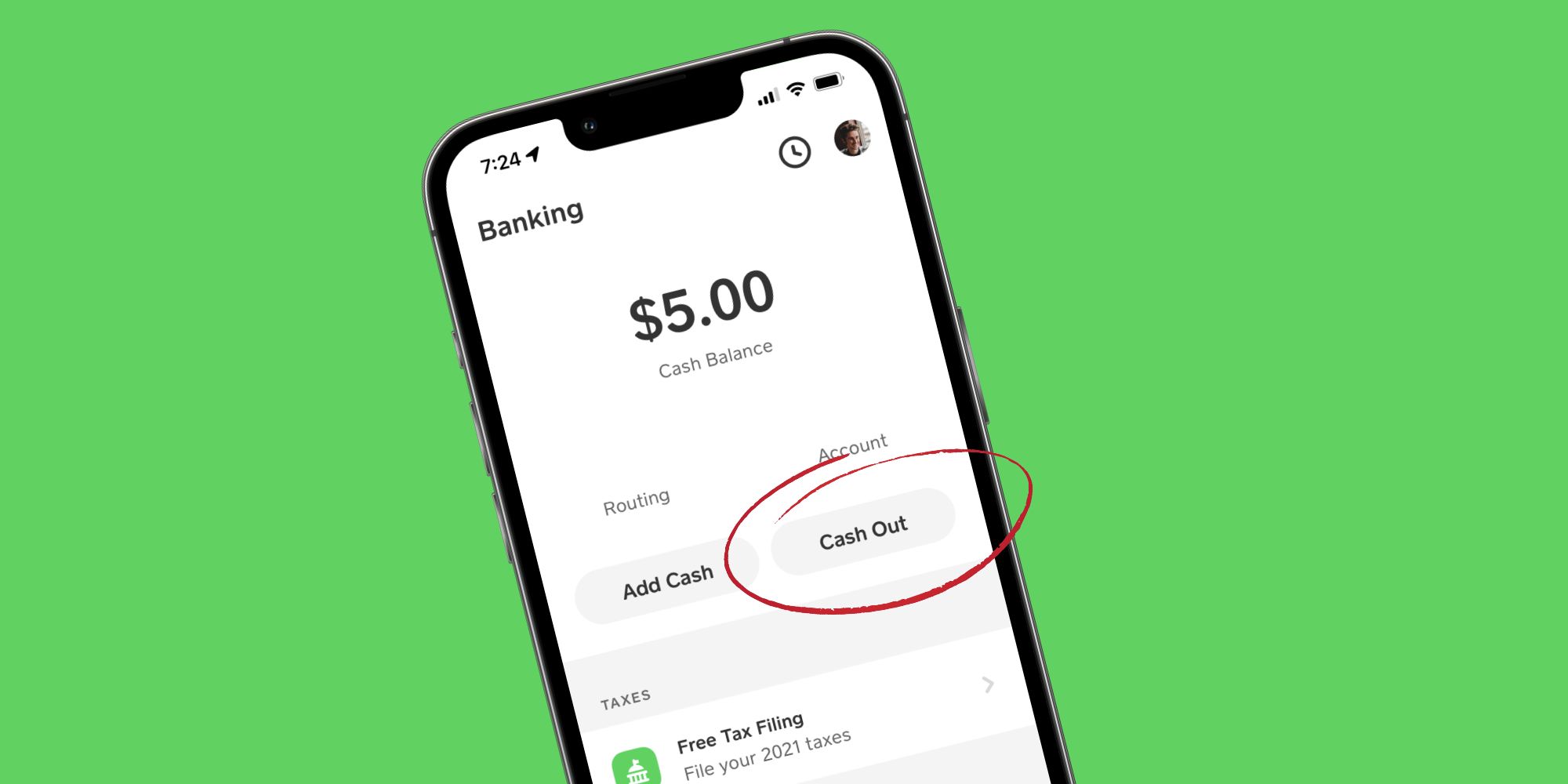
If the in-app refund request goes unanswered, direct communication is the next logical step, especially if you know the person or business.
- In-App Messaging: If the recipient is a known contact, try sending a message through Cash App’s chat feature. Explain the situation clearly and concisely, including the amount and date of the transaction.
- External Contact: If you have their phone number, email, or social media, reach out through those channels. Maintain a polite and professional tone. Provide all necessary details to help them identify the transaction. Keep records of all communication attempts.
Escalating to Cash App Support
When direct communication fails, or if the issue is a suspected unauthorized transaction or serious fraud, involving Cash App support is essential.
- Access Support: From your Cash App home screen, tap the profile icon in the top right corner. Scroll down and select “Support.”
- Browse Topics or Contact Support: You can search for relevant topics or scroll to the bottom and select “Something Else” or “Contact Support.”
- Chat with a Representative: Choose to chat with a representative. Clearly and calmly explain your situation, providing all relevant details: transaction ID, date, amount, recipient’s $Cashtag, and a summary of your attempts to resolve the issue. Attach any supporting documentation (screenshots of messages, invoices, etc.).
- Follow Up: Keep a record of your communication with Cash App support, including dates, names of representatives, and case numbers. Follow up regularly if you don’t hear back within their stated timeframe.
Cash App support will investigate the claim. For unauthorized transactions, they might reverse the charge if sufficient evidence proves fraud. For other disputes, they typically act as a mediator, encouraging the recipient to refund the money.
Utilizing Your Linked Bank or Card for Chargebacks (Last Resort)
If all other avenues fail, and the original payment was funded by a linked debit card or bank account, you might consider initiating a chargeback through your financial institution.
- Contact Your Bank/Card Issuer: Reach out to your bank or credit card company and explain that you have an unauthorized or disputed transaction via Cash App. Provide them with all the details, including your attempts to resolve it with Cash App.
- Understand the Process: Chargebacks can be a lengthy process and are not guaranteed. Your bank will investigate the claim, and if they side with you, they will reverse the transaction. However, using a chargeback on Cash App transactions can sometimes lead to your Cash App account being restricted or closed. This option should be reserved for significant disputes where no other resolution is possible.
Proactive Measures to Safeguard Your Funds
Prevention is always better than cure, especially when it comes to financial transactions. Adopting robust security practices and understanding the platform’s intricacies can significantly reduce your risk of needing a refund.
Verifying Recipient Information Carefully
The instantaneous nature of Cash App payments means that once sent, they are difficult to reverse. Always double-check, and triple-check, the recipient’s information before tapping “Send.”
- Verify $Cashtag: Ensure the $Cashtag matches exactly. Scammers often use very similar usernames to trick users.
- Confirm Name and Photo: Cash App often displays the recipient’s name and sometimes a profile picture. Confirm these details with the intended recipient.
- Small Test Payments: For significant amounts or first-time transactions with a new recipient, consider sending a small test payment (e.g., $1) first to ensure it reaches the correct person. Once confirmed, send the remaining amount.
Enhancing Account Security (PIN, 2FA)
Protecting your Cash App account is crucial to preventing unauthorized transactions.
- Strong PIN: Set a unique and strong PIN for your Cash App account and avoid sharing it.
- Two-Factor Authentication (2FA): Enable 2FA whenever possible. This adds an extra layer of security, requiring a code sent to your phone or email in addition to your PIN, making unauthorized access much harder.
- Biometric Security: If your device supports it, enable fingerprint or facial recognition for quicker and more secure access.
- Monitor Activity: Regularly review your Cash App activity feed for any unfamiliar transactions.
Understanding Cash App’s Terms of Service
Many users skip reading the terms of service, but they contain vital information about your rights, Cash App’s responsibilities, and the limitations of the platform. Familiarize yourself with sections pertaining to disputes, unauthorized transactions, and chargebacks. This knowledge will equip you with a better understanding of what Cash App can and cannot do.
Recognizing and Avoiding Common Scams
Educating yourself about common Cash App scams is perhaps the most powerful preventative measure.
- Fake Customer Support: Cash App will never ask for your PIN, sign-in code, or to send money to “verify” your account. Always go through the official app to contact support.
- “Cash Flipping” Schemes: Any offer promising to multiply your money with a small upfront payment is a scam.
- Lottery/Prize Scams: Never pay money to receive a prize or winnings. Legitimate lotteries don’t ask for upfront payments.
- Phishing Attempts: Be wary of suspicious emails or texts claiming to be from Cash App, asking for personal information or leading to fake login pages.
By being vigilant and informed, you can significantly reduce your vulnerability to scams and avoid the need for fund recovery in the first place.
What to Do If Your Refund Request Is Denied
Despite your best efforts, there may be instances where your refund request is denied by the recipient or by Cash App support. While disheartening, this is not necessarily the absolute end of the road, particularly for larger sums.
Reviewing Your Documentation
If your refund request is denied, the first step is to meticulously review all your documentation.
- Gather Evidence: Did you provide all necessary screenshots, communication logs, and transaction details to Cash App support?
- Identify Gaps: Is there any missing information that could strengthen your case? For instance, if it was an accidental payment, do you have concrete proof that the recipient was not the intended one? If it was a purchase dispute, do you have clear evidence of non-delivery or product defects?
- Re-evaluate Your Claim: Honestly assess the strength of your claim. Is it genuinely an unauthorized transaction, or did you make a mistake you’re now trying to rectify? Understanding the nuances will help you decide if further action is worthwhile.
Exploring External Dispute Resolution
For significant amounts that Cash App cannot or will not resolve, you might need to explore external avenues, although these are typically more time-consuming and complex.
- Financial Institutions (Chargeback): As mentioned, if the payment originated from your linked bank account or debit card, a chargeback through your financial institution is a potential recourse. Be prepared for your bank to require extensive documentation and for the process to take several weeks or even months. Note the potential impact on your Cash App account.
- Small Claims Court: For substantial sums, especially if you have irrefutable evidence against a known individual or business, pursuing a claim in small claims court could be an option. This requires formal legal action and a clear understanding of local laws and procedures.
- Consumer Protection Agencies: You can also file a complaint with consumer protection agencies like the Federal Trade Commission (FTC) in the U.S. or similar bodies in other countries. While they might not directly recover your funds, they can investigate patterns of fraud and take action against unscrupulous entities, potentially leading to broader resolutions.
Learning from the Experience
Regardless of the outcome, every denied refund request offers a valuable learning opportunity.
- Refine Your Practices: What could you have done differently to prevent the situation? Was it a lack of vigilance, a misunderstanding of Cash App’s features, or a lapse in security?
- Enhance Security: Revisit your security settings and transaction verification habits.
- Share Your Experience: By sharing your experience (responsibly and factually), you can help educate others and contribute to a safer digital payment ecosystem.
In conclusion, getting money back from Cash App can be a challenging endeavor due to the platform’s instant, peer-to-peer nature. While direct refunds from recipients and robust internal dispute processes exist for specific scenarios, prevention through meticulous verification, strong security, and scam awareness remains the most effective strategy for safeguarding your funds. When issues do arise, a systematic approach involving direct communication, Cash App support, and, as a last resort, traditional financial institution mechanisms, offers the best path toward resolution.
aViewFromTheCave is a participant in the Amazon Services LLC Associates Program, an affiliate advertising program designed to provide a means for sites to earn advertising fees by advertising and linking to Amazon.com. Amazon, the Amazon logo, AmazonSupply, and the AmazonSupply logo are trademarks of Amazon.com, Inc. or its affiliates. As an Amazon Associate we earn affiliate commissions from qualifying purchases.