
Car insurance is a non-negotiable expense for nearly every driver, a legal necessity that provides crucial financial protection against the unforeseen. Yet, for many, the annual premium feels like an unavoidable drain on their finances. In an era where every penny counts, understanding how to effectively reduce these costs without compromising essential coverage is paramount. This comprehensive guide will demystify the intricacies of car insurance pricing, equip you with immediate actionable strategies, and outline long-term approaches to ensure you’re always paying the lowest possible premium for the protection you need. By taking a proactive, informed approach, you can transform car insurance from a dreaded expense into a manageable and optimized line item in your personal budget.

Understanding the Factors That Influence Your Car Insurance Premiums
Before diving into cost-cutting strategies, it’s crucial to understand the myriad factors insurers consider when calculating your premium. These elements paint a risk profile that directly impacts the price you pay.
Personal Profile and Driving History
Your individual circumstances and past behavior behind the wheel are primary determinants. Insurers assess risk based on statistical probabilities, and certain personal characteristics have historically correlated with higher or lower claim rates.
-
Age and Gender: Younger, less experienced drivers, particularly males under 25, statistically face higher premiums due to a greater likelihood of accidents. Rates tend to decrease with age, stabilizing in middle age before potentially rising again in very senior years.
-
Driving Record: This is perhaps the most significant factor. A clean driving record, free of accidents, speeding tickets, or other moving violations, is a powerful indicator of responsible driving and will result in lower premiums. Conversely, even a single minor infraction can elevate your rates for several years. DUIs or serious accidents can lead to substantial increases or even policy cancellation.
-
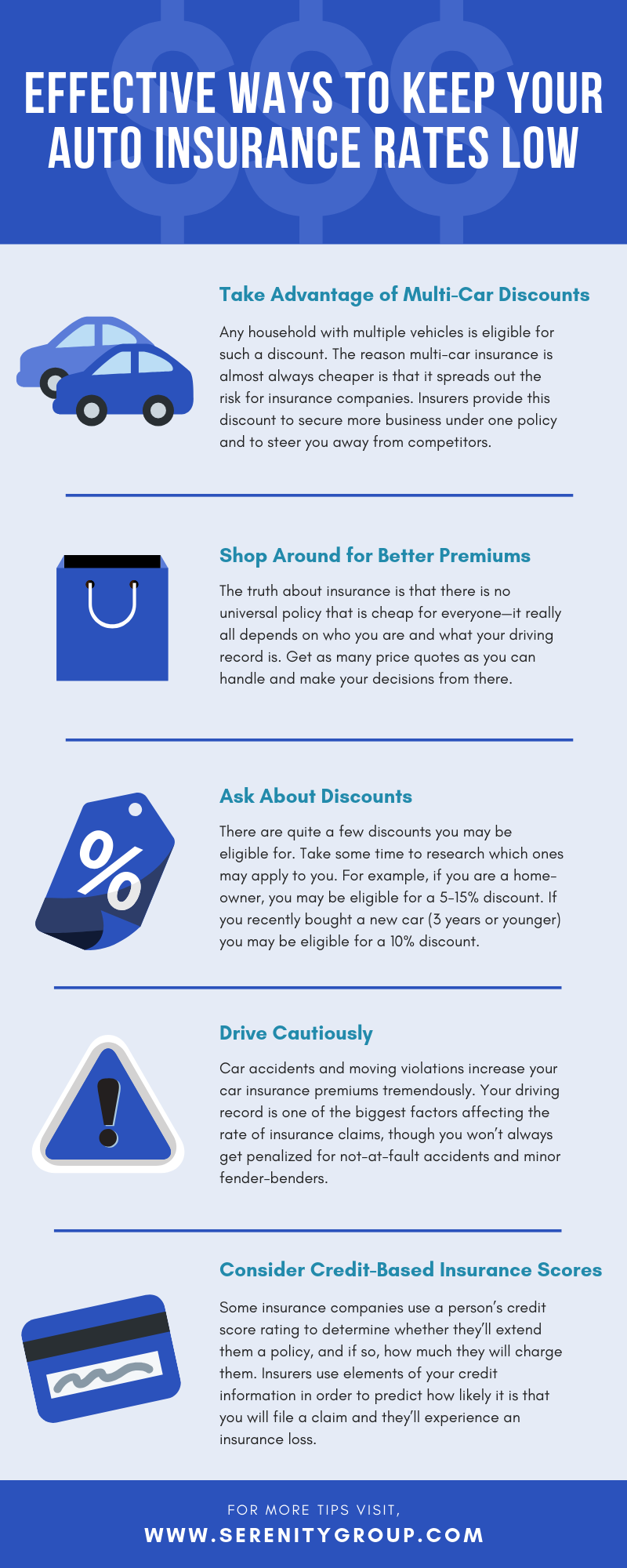
Credit Score (in most states): In many states, insurers use a credit-based insurance score as a predictive tool. Studies suggest a correlation between higher credit scores and a lower likelihood of filing claims. A poor credit score can significantly increase your premiums, highlighting the interconnectedness of your financial health.
-
Location: Where you live and park your car plays a substantial role. Urban areas with higher traffic density, greater crime rates (theft, vandalism), and increased accident statistics typically incur higher premiums than rural or suburban areas. Even specific zip codes within a city can have different rates.
-
Marital Status: Married individuals often receive slightly lower rates, as statistics suggest they are less likely to be involved in accidents compared to single drivers.
-
Occupation and Annual Mileage: Certain professions are statistically associated with lower accident rates. Additionally, the less you drive your car annually, the lower your risk of an accident, often leading to reduced premiums. Commuting distance, in particular, can be a factor.
Vehicle Characteristics
The car you drive is another major piece of the premium puzzle. Some vehicles are simply more expensive to insure than others due to their inherent qualities.
-
Make, Model, and Year: Luxury cars, sports cars, and high-performance vehicles generally cost more to insure because they are more expensive to repair or replace, and often driven more aggressively. Conversely, practical, family-oriented sedans or SUVs often have lower rates.
-
Safety Features: Vehicles equipped with advanced safety features like anti-lock brakes, airbags, electronic stability control, lane departure warnings, and automatic emergency braking can qualify for discounts, as they reduce the likelihood or severity of accidents.
-
Anti-Theft Devices: Cars with alarm systems, immobilizers, GPS tracking, or other anti-theft devices are less likely to be stolen, resulting in lower comprehensive coverage premiums.
-
Repair and Replacement Costs: Insurers consider the cost of parts and labor for repairs. Foreign or exotic cars with specialized parts are typically more expensive to insure than common domestic models with readily available components.
Coverage Choices and Deductibles
The type and amount of coverage you select, as well as your chosen deductible, directly influence your premium. This is often where drivers have the most immediate control over their costs.
-
Liability Coverage Limits: This mandatory coverage protects you if you’re at fault in an accident. Higher liability limits (e.g., $100,000/$300,000/$100,000 instead of state minimums) offer greater protection but come with higher premiums. While tempting to opt for minimums, insufficient liability can expose your personal assets in a serious accident.
-
Collision Coverage: Pays for damage to your own car resulting from a collision, regardless of fault. This is optional if your car is paid off, but often required by lenders for financed or leased vehicles.
-
Comprehensive Coverage: Covers non-collision incidents like theft, vandalism, fire, natural disasters, or hitting an animal. Also optional for paid-off vehicles, but often required by lenders.
-
Deductibles: This is the amount you pay out-of-pocket before your insurance kicks in for collision and comprehensive claims. A higher deductible (e.g., $1,000 instead of $250) means lower monthly premiums, but you’ll pay more if you file a claim.
-
Additional Coverages: Options like roadside assistance, rental car reimbursement, medical payments, or uninsured/underinsured motorist coverage add convenience and protection but also increase your overall premium. Carefully evaluate if these are truly necessary for your situation.
Strategies to Lower Your Car Insurance Costs Right Now
While some factors like age are beyond your immediate control, numerous proactive strategies can significantly reduce your car insurance premiums in the short term.
Shop Around and Compare Quotes
This is arguably the most impactful strategy. Insurance premiums vary wildly between providers for the exact same coverage, often by hundreds or even thousands of dollars annually.
-
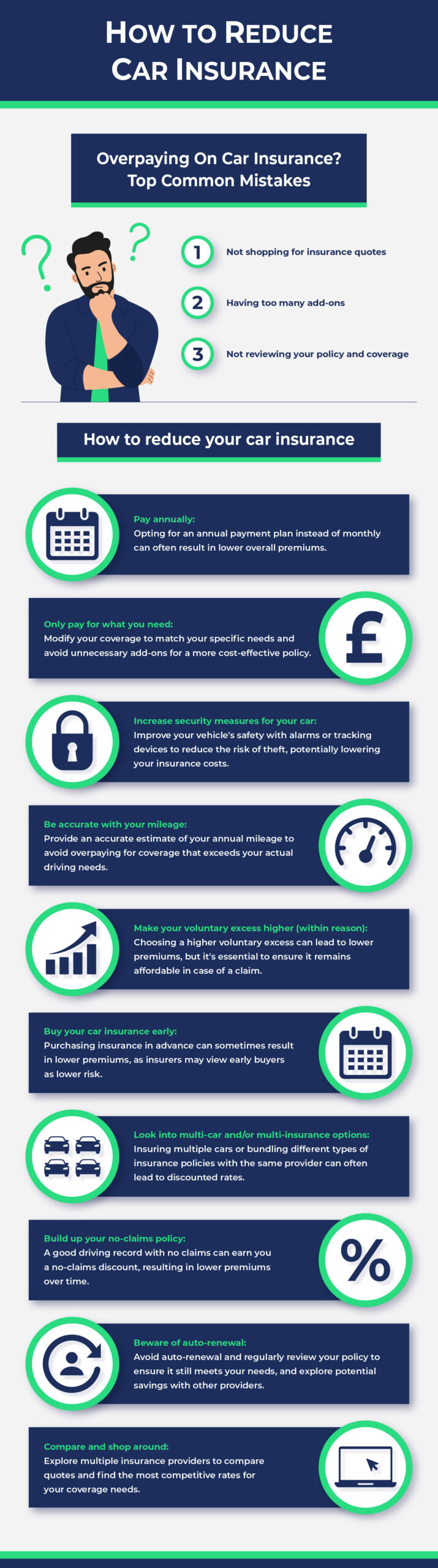
Get Multiple Quotes: Don’t settle for the first quote you receive or automatically renew with your current insurer. Obtain quotes from at least 3-5 different companies, including large national carriers, regional insurers, and independent agencies that work with multiple providers.
-
Use Comparison Websites: Online aggregators can quickly provide multiple quotes, but remember they don’t always include every insurer. Use them as a starting point, but also check directly with insurers not listed.
-
Review Annually: Make it a habit to shop for new quotes every year or whenever your circumstances change (e.g., buying a new car, moving, getting married). Insurers frequently adjust their pricing models.
-
Be Consistent with Information: Ensure you provide identical coverage limits, deductibles, and personal information to each insurer to ensure an accurate apples-to-apples comparison.
Leverage Discounts
Insurers offer a wide array of discounts, but they won’t always apply them automatically. It’s your responsibility to inquire and ensure you’re receiving every discount you qualify for.
-
Multi-Policy Discount (Bundling): One of the most common and significant discounts. If you have your home, renters, or life insurance with the same company as your auto policy, you can often save 10-25% on both.
-
Good Driver Discount: For drivers with a clean record over a specified period (e.g., 3-5 years).
-
Good Student Discount: Students with a “B” average or higher (often 3.0 GPA) can qualify, especially if they are under 25.
-
Defensive Driving/Driver Education Discount: Completing an approved defensive driving course can reduce your premium, particularly if you’re a younger driver or have a minor infraction on your record.
-
Vehicle Safety Features Discount: For cars equipped with anti-lock brakes, airbags, anti-theft systems, daytime running lights, etc.
-
Low Mileage Discount: If you drive significantly fewer miles than the average driver.
-
Payment Discounts: For paying your premium in full, opting for automatic payments, or choosing paperless billing.
-
Affinity Discounts: Some insurers offer discounts to members of certain organizations, alumni associations, or employee groups.
-
Professional Discounts: Certain occupations (e.g., teachers, nurses, engineers) may qualify for specialized discounts.
Optimize Your Coverage
Carefully review your existing policy and make informed decisions about your coverage levels.
-
Increase Deductibles: If you have a robust emergency fund, consider increasing your collision and comprehensive deductibles. Moving from a $250 to a $500 or $1,000 deductible can significantly lower your premium. Just ensure you can comfortably afford the deductible if you need to file a claim.
-
Drop Unnecessary Coverage: If your car is older and its market value is low (e.g., less than $3,000-$5,000), consider dropping collision and comprehensive coverage. The cost of these coverages over a year might exceed the car’s actual cash value, making it financially inefficient.
-
Re-evaluate Additional Coverages: Assess if you truly need rental car reimbursement or roadside assistance if you already have these through a credit card or auto club membership.
-
Review Liability Limits: While minimum liability is cheaper, it’s often insufficient. However, if your personal assets are limited, you might opt for slightly lower limits if that aligns with your financial risk tolerance, understanding the potential exposure. Always balance cost savings with adequate protection.
Long-Term Approaches for Sustained Savings
While immediate strategies offer quick relief, long-term habits and choices contribute to sustained savings on your car insurance premiums.
Maintain a Good Driving Record
This cannot be stressed enough. A clean driving history is the single most powerful factor in keeping your insurance costs low.
-
Drive Safely: Avoid speeding, distracted driving, and aggressive maneuvers. Every ticket or at-fault accident stays on your record for several years and will increase your rates.
-
Defensive Driving: Proactively anticipate hazards and drive defensively to avoid potential accidents, even when other drivers are at fault.
-
Address Minor Infractions: In some cases, for minor moving violations, you might be able to attend traffic school to prevent points from appearing on your record, which can help keep rates stable.
Improve Your Credit Score
Since credit-based insurance scores are used in many states, improving your overall credit health can lead to lower premiums.
-
Pay Bills on Time: Payment history is the biggest factor in your credit score.
-
Reduce Debt: Lowering credit utilization can boost your score.
-
Monitor Your Credit: Regularly check your credit report for errors and dispute any inaccuracies.
Consider Usage-Based Insurance (UBI) Programs
These programs, also known as telematics, monitor your driving habits and offer discounts based on safe behavior.
-
How They Work: Insurers provide a small device to plug into your car’s OBD-II port or use a smartphone app to track mileage, speed, braking, acceleration, and time of day you drive.
-
Potential Savings: Safe drivers can often save 10-30% or more. However, aggressive drivers might see their premiums increase, so be honest about your driving style before enrolling.
-
Privacy Concerns: Be aware that these programs collect data on your driving. Weigh the potential savings against your comfort level with data sharing.
Re-evaluate Annually
Insurance needs and market rates change. What was the best deal last year might not be this year.
-
Set a Reminder: Put a reminder on your calendar to shop for new quotes about 30-45 days before your policy renewal date.
-
Update Information: Inform your insurer of any life changes that might lower your rates (e.g., turning 25, getting married, changing jobs that reduce your commute, paying off your car).
-
Review Policy Details: Ensure your coverage still aligns with your current needs and financial situation.
Beyond the Basics: Advanced Tips for Savvy Consumers
To truly master the art of getting low car insurance, consider these additional, often overlooked, strategies.
Review Local and State Regulations
Insurance regulations vary significantly by state. Understanding the specific laws in your area can help you navigate requirements and identify unique savings opportunities. For example, some states have “no-fault” insurance laws, which can impact how claims are handled and priced. Others may offer specific programs or resources for low-income drivers.
Bundling Policies
Reiterating this for its sheer impact: beyond home and auto, consider bundling RV, motorcycle, boat, or even umbrella insurance policies with the same carrier. The more policies you consolidate, the greater the potential discounts. Always check the combined cost of bundled policies versus buying them separately from different insurers; sometimes, unbundled can still be cheaper, but it’s rare.
Paying Annually or Bi-Annually
Many insurance companies charge administrative fees for monthly payment plans. By paying your premium in one or two lump sums annually, you can often save a small percentage (typically 3-5%) of your total premium. This requires upfront budgeting, but the savings are consistent.
Driver Education and Telematics
For younger drivers or those looking to offset minor infractions, formal driver education courses or defensive driving refreshers can not only improve safety but also unlock specific discounts. Telematics devices, as mentioned, are increasingly sophisticated. Some modern cars come with built-in telematics, allowing insurers to offer discounts without requiring an additional device. Inquire about these options, especially if you drive a newer vehicle.
Debunking Common Car Insurance Myths
Misinformation can lead to costly decisions. Let’s clarify some pervasive myths.
Myth: The Cheapest Policy is Always the Best
Reality: While cost is a major factor, the cheapest policy often means minimal coverage, leaving you severely exposed in a major accident. The “best” policy offers adequate protection for your assets at a competitive price. Always prioritize sufficient liability limits and consider collision/comprehensive if your vehicle has significant value. An insufficient policy can lead to personal financial ruin.
Myth: Red Cars Cost More to Insure
Reality: The color of your car has absolutely no bearing on your insurance premiums. Insurers care about the make, model, year, engine size, safety features, and theft statistics – not the paint job. This myth likely stems from the perception that red cars are typically sports cars, which do indeed cost more to insure, but due to their performance characteristics, not their color.
Myth: Comprehensive and Collision are Always Necessary
Reality: While crucial for newer or financed vehicles, these coverages become less cost-effective as a car ages and depreciates. If your vehicle’s market value is less than a few thousand dollars, the annual premium for comprehensive and collision (plus your deductible) might exceed the potential payout in a claim. At that point, it may be more financially prudent to save those premium dollars and self-insure for potential damage or replacement.
Conclusion
Securing low car insurance doesn’t require a secret formula; it demands diligence, informed decision-making, and a proactive approach. By thoroughly understanding the factors influencing your premiums, implementing immediate cost-saving strategies like shopping around and leveraging discounts, and committing to long-term habits such as maintaining a clean driving record and improving your credit, you can significantly reduce your annual insurance burden. Remember to regularly review your policy, reassess your coverage needs, and never shy away from comparing offers from multiple providers. With these insights and strategies, you can drive with confidence, knowing you’re adequately protected without overpaying, allowing you to allocate those savings to other crucial aspects of your financial life.
aViewFromTheCave is a participant in the Amazon Services LLC Associates Program, an affiliate advertising program designed to provide a means for sites to earn advertising fees by advertising and linking to Amazon.com. Amazon, the Amazon logo, AmazonSupply, and the AmazonSupply logo are trademarks of Amazon.com, Inc. or its affiliates. As an Amazon Associate we earn affiliate commissions from qualifying purchases.