
In an age dominated by on-demand content and personalized streaming libraries, the concept of “live television” might seem like a relic of a bygone era. Yet, the desire to watch events unfold in real-time—be it a breaking news story, a highly anticipated sports match, or the latest episode of a beloved show—remains a powerful draw. The methods for accessing live TV, however, have evolved dramatically, moving far beyond the traditional cable box and satellite dish. Today, getting live TV is less about a single provider and more about a diverse ecosystem of technological solutions, ranging from digital antennas to sophisticated streaming platforms. This guide will explore the myriad ways modern consumers can tap into live broadcasts, delve into the essential tech required, and offer insights into navigating this ever-changing landscape.

The Evolution of Live TV Access: From Antennas to Streaming
The journey of live television has been one of continuous innovation, driven by advancements in broadcasting, transmission, and consumer technology. Understanding this evolution provides crucial context for today’s diverse options.
Traditional Broadcast TV: The Enduring Role of Antennas
For decades, the most straightforward way to get live TV was through over-the-air (OTA) broadcasts using a simple antenna. This method, reliant on terrestrial radio waves, remains a cornerstone of free television access in many parts of the world. With the digital television (DTV) transition, analog signals were replaced by digital ones, offering superior picture quality (often HD) and more channels for free. A digital antenna, strategically placed, can still pull in local affiliates of major networks like ABC, CBS, NBC, Fox, and PBS, along with sub-channels offering niche programming. This technology is foundational and incredibly cost-effective, requiring only a one-time purchase of hardware.
The Cable and Satellite Era: A Monopoly on Content
The mid-to-late 20th century saw the ascendancy of cable and satellite television, which revolutionized access by delivering a vast array of channels directly to homes. These services, while offering unparalleled choice and specialized programming, also introduced the concept of subscription fees and bundled packages. For a long time, they were the exclusive gateways to premium content, regional sports networks, and a truly comprehensive channel lineup. Their infrastructure, involving extensive coaxial networks or direct-to-home satellite dishes, represented a significant technological investment that locked in many consumers.
The Rise of Streaming: A Paradigm Shift
The advent of high-speed internet fundamentally disrupted the traditional TV landscape. Initially, streaming focused on on-demand content, allowing viewers to watch movies and shows whenever they wanted. However, it wasn’t long before innovators realized the potential for delivering live broadcasts over the internet. This “internet TV” model leverages existing home broadband connections and a host of dedicated applications and devices, offering an unprecedented level of flexibility and often, more competitive pricing than legacy providers. This shift empowered consumers to “cut the cord,” shedding expensive bundles for more tailored, internet-centric solutions.
Modern Methods for Cutting the Cord and Beyond
Today’s consumers have a rich palette of technological choices for accessing live TV, each with its own advantages and prerequisites.
Over-the-Air (OTA) Digital Antennas: Free Local Channels
As mentioned, digital antennas are experiencing a resurgence. They are an excellent solution for anyone looking to receive local news, primetime network shows, and major sporting events for free, permanently.
- Indoor Antennas: Compact and easy to set up, ideal for urban or suburban areas with strong signals.
- Outdoor/Attic Antennas: More powerful, designed for rural areas or homes with weaker signals, providing greater range and reliability.
- DVR Integration: Modern OTA antennas can be paired with digital video recorders (DVRs) specifically designed for OTA broadcasts (e.g., Tablo, HDHomeRun), allowing users to record live TV, pause, and rewind, much like a traditional cable DVR, but without monthly fees.
Live TV Streaming Services: A Cable Alternative
This category represents the most dynamic and rapidly growing segment for live TV access. These services operate over your internet connection and typically require a monthly subscription. They are designed to mimic the cable TV experience but with greater flexibility, no contracts, and often, more customizable channel packages.
-
Popular General-Purpose Services:
- YouTube TV: Offers a comprehensive channel lineup, unlimited cloud DVR storage, and a user-friendly interface. It’s often praised for its robust sports coverage and integration with the Google ecosystem.
- Hulu + Live TV: Combines live channels with Hulu’s extensive on-demand library, providing a hybrid solution. It includes a good selection of entertainment, news, and sports channels, though its cloud DVR may have limitations depending on the plan.
- Sling TV: Known for its à la carte channel packages (Orange and Blue bases, plus various add-ons), allowing for greater customization and a lower entry price point. It’s a good choice for those looking to tailor their channel lineup to specific interests.
- FuboTV: Heavily focused on sports, offering an unparalleled selection of national and international sports channels, alongside a strong general entertainment lineup. It includes cloud DVR functionality and often supports 4K streaming for select events.
-
Niche and Sports-Centric Services: Beyond the broad offerings, many services cater to specific content types. ESPN+, for example, provides exclusive live sports, documentaries, and original programming that complements traditional ESPN channels. Paramount+ and Peacock also offer live access to their respective network feeds (CBS and NBC, respectively) along with extensive on-demand libraries. These are often cheaper alternatives if your live TV needs are highly specialized.
Device-Specific Apps and Smart TV Integrations
Many content providers and even individual channels now offer their own apps that can be downloaded onto smart TVs, streaming sticks, and mobile devices. While some require a login from a traditional cable/satellite or live TV streaming provider (known as “TV Everywhere” apps), others offer limited live content for free or as part of a standalone subscription. Smart TVs themselves are increasingly integrating streaming platforms directly into their operating systems, providing seamless access to live TV apps without additional hardware.
DVR and Cloud DVR Solutions: Time-Shifting Live Content
The ability to record live TV and watch it later, pause, or rewind is crucial for many viewers.
- Traditional DVRs: For OTA antennas, dedicated DVRs like Tablo or HDHomeRun connect to your antenna and home network, recording broadcasts to local storage or network-attached storage (NAS).
- Cloud DVRs: Most live TV streaming services include a cloud DVR feature. This stores your recordings on the service’s servers, accessible from any device where you log in. Storage limits and retention periods vary by service, but many now offer unlimited cloud DVR, fundamentally changing how consumers interact with scheduled programming.
Essential Gear and Connectivity for Optimal Live TV Streaming
Regardless of the method chosen, certain technological foundations are critical for a high-quality live TV experience, especially when streaming is involved.
High-Speed Internet: The Backbone of Streaming
Reliable, high-speed internet is non-negotiable for modern live TV. A minimum of 25 Mbps is generally recommended for a single HD stream, but for multiple users, 4K content, or to avoid buffering, 100 Mbps or higher is advisable. Upload speeds are less critical than download speeds for most streaming, but a stable connection with low latency is paramount. Fiber optic internet offers the best performance, but robust cable or even fixed wireless can suffice.
Streaming Devices: Enhancing the Viewing Experience
While smart TVs have built-in capabilities, dedicated streaming devices often offer superior performance, a wider array of apps, and more frequent software updates.
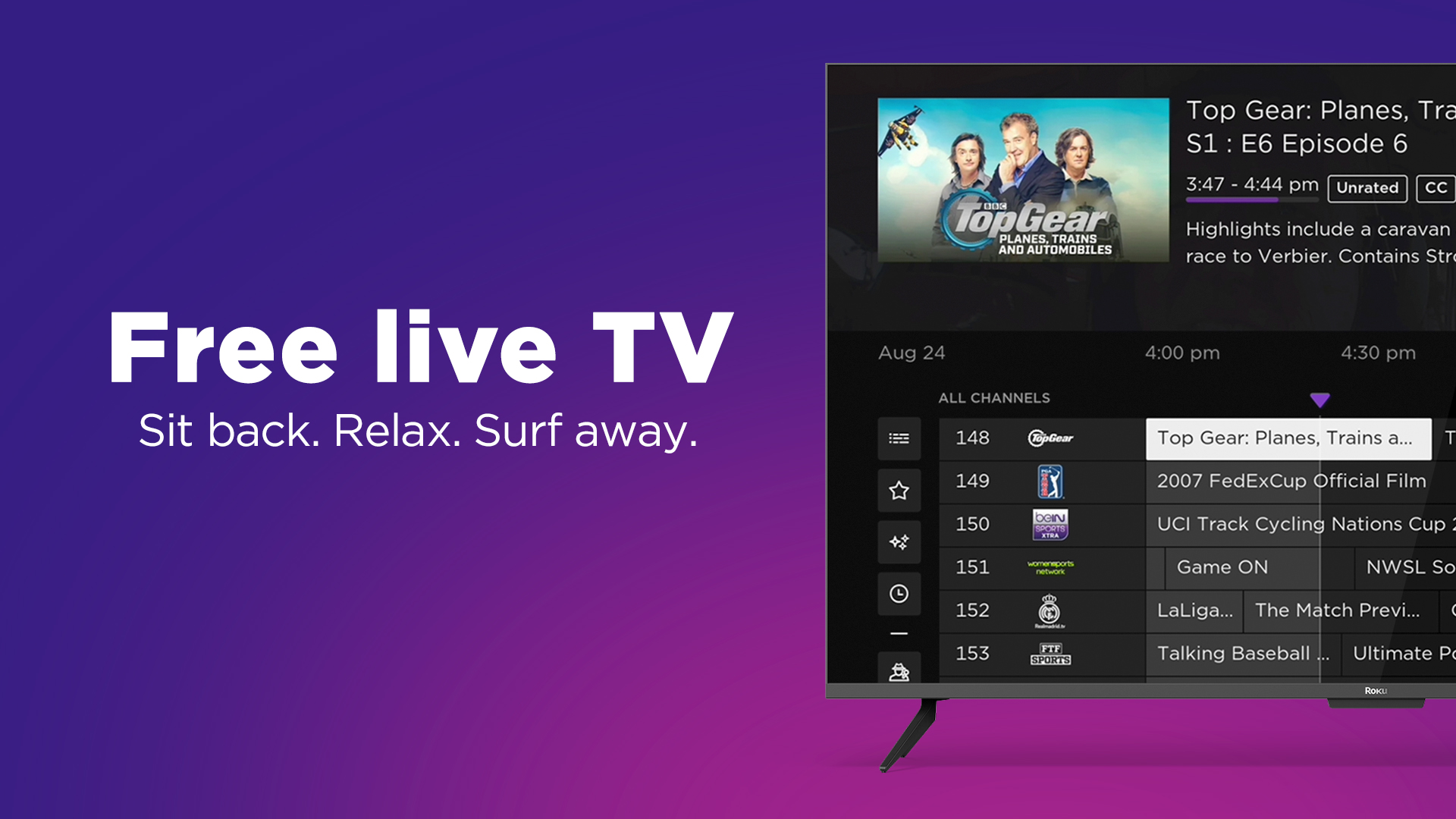
- Roku Devices (e.g., Roku Streaming Stick, Roku Ultra): Known for their user-friendly interface, vast app selection, and device agnostic approach.
- Amazon Fire TV Devices (e.g., Fire TV Stick, Fire TV Cube): Integrate deeply with Amazon’s ecosystem, including Alexa voice control, and offer a wide range of apps.
- Apple TV (e.g., Apple TV 4K): Offers premium performance, tight integration with Apple’s services, and a sleek user experience, often favored by those in the Apple ecosystem.
- Google TV / Chromecast with Google TV: Provides a modern interface that prioritizes content discovery and integrates well with Google Assistant and Android apps.
- Gaming Consoles (e.g., PlayStation, Xbox): Capable of running many streaming apps, making them versatile entertainment hubs.
Network Infrastructure: Routers, Wi-Fi, and Ethernet
Your home network plays a vital role. A modern, high-quality Wi-Fi router (preferably Wi-Fi 5 or Wi-Fi 6) is essential for delivering consistent speeds to all your streaming devices.
- Wi-Fi Placement: Central placement of the router, away from obstructions, optimizes signal strength.
- Mesh Wi-Fi Systems: For larger homes or those with dead zones, a mesh network can extend coverage and improve overall reliability.
- Ethernet Connection: For critical devices like your main streaming box or a smart TV, a wired Ethernet connection is always superior to Wi-Fi, offering maximum speed and stability, virtually eliminating buffering due to wireless interference.
Audio-Visual Setup: TVs, Soundbars, and Home Theater Systems
While not strictly about getting live TV, the quality of your display and audio setup significantly impacts the viewing experience. Modern 4K HDR TVs are the standard, offering stunning visuals. Complementing this with a soundbar or a full home theater system can elevate immersion, especially for sports or cinematic content. Ensuring your devices and TV are compatible with features like HDMI ARC/eARC for simplified audio routing is also key.
Navigating the Live TV Landscape: Considerations and Best Practices
With so many options, choosing the right live TV solution requires careful consideration of individual needs and technological factors.
Content Availability and Channel Lineups
The first step is to identify the channels that are absolutely essential for you. Local network affiliates, specific sports channels (e.g., ESPN, regional sports networks), news channels (e.g., CNN, Fox News), and entertainment channels (e.g., FX, TBS) often dictate which services are viable. Check each service’s channel lineup against your must-have list, as offerings can vary significantly by service and even by geographic region.
Cost Analysis: Subscription Fees vs. Free Options
Evaluate your budget. OTA antennas provide free content after an initial hardware purchase. Live TV streaming services range from around $30/month (for more basic packages like Sling TV) to $70+/month (for comprehensive packages like YouTube TV or Hulu + Live TV). Consider annual costs and potential add-ons. The goal of “cord-cutting” is often to save money, but poorly planned streaming subscriptions can quickly add up to or even exceed previous cable bills.
User Experience and Interface Design
Ease of use is crucial. Try free trials of various streaming services to assess their interface, channel guide, and search functionality. Some platforms are more intuitive than others, and personal preference plays a significant role in long-term satisfaction. Features like seamless content discovery, robust search, and personalized recommendations enhance the overall experience.
Technical Requirements and Troubleshooting Tips
Before committing, ensure your internet speed meets the requirements of your chosen service. If buffering or quality issues arise, basic troubleshooting steps include:
- Restarting your modem and router.
- Updating streaming device software.
- Using an Ethernet connection instead of Wi-Fi where possible.
- Checking for bandwidth contention on your network (e.g., too many devices streaming simultaneously).
- Reducing streaming quality settings if necessary.
The Future of Live TV: Personalization and Integration
The trajectory of live TV suggests an even more personalized and integrated future, deeply intertwined with emerging technologies.
AI-Driven Content Discovery
Artificial intelligence is increasingly being used to personalize content recommendations, not just for on-demand libraries but also for live TV. Future interfaces will likely learn individual viewing habits to highlight upcoming live events, suggest relevant channels, or even create personalized “channels” of curated live streams, moving beyond traditional linear programming guides.
Seamless Cross-Platform Integration
The lines between live broadcast, on-demand streaming, and interactive content will continue to blur. Expect even more sophisticated integration between smart TVs, mobile devices, and streaming platforms. This could manifest as “follow me” content, where you start watching a live show on your TV and seamlessly pick it up on your phone when you leave the house, or enhanced second-screen experiences for live events.
Interactive and Immersive Viewing Experiences
Technologies like augmented reality (AR) and virtual reality (VR) hold the potential to transform live sports and concert viewing. Imagine watching a live game in a VR stadium with friends, or having real-time stats and player information overlaid onto your screen via AR. Personalized camera angles, real-time polling, and interactive elements during broadcasts will likely become more commonplace, moving live TV from a passive experience to an active one.
In conclusion, “how to get live TV” is no longer a simple question with a single answer. It’s an exploration of a vibrant technological ecosystem. By understanding the options, ensuring the right infrastructure is in place, and considering personal viewing habits, consumers can build a customized, flexible, and future-ready live TV experience that perfectly suits their needs in the digital age.
aViewFromTheCave is a participant in the Amazon Services LLC Associates Program, an affiliate advertising program designed to provide a means for sites to earn advertising fees by advertising and linking to Amazon.com. Amazon, the Amazon logo, AmazonSupply, and the AmazonSupply logo are trademarks of Amazon.com, Inc. or its affiliates. As an Amazon Associate we earn affiliate commissions from qualifying purchases.