
The journey toward financial independence often begins with a single realization: saving money is rarely enough to outpace inflation and build significant wealth. To truly grow your capital, you must put your money to work. For most people, the most accessible and historically proven vehicle for this growth is the stock market. However, for a beginner, the world of tickers, charts, and financial jargon can seem like a daunting fortress.
Getting into stocks is not about “beating the market” overnight or finding the next “meme stock” that will moon. It is a disciplined process of allocating capital into productive businesses, participating in their growth, and leveraging the power of compounding over time. This guide provides a strategic roadmap for anyone looking to transition from a saver to an investor, covering the psychological, technical, and strategic foundations required for success.
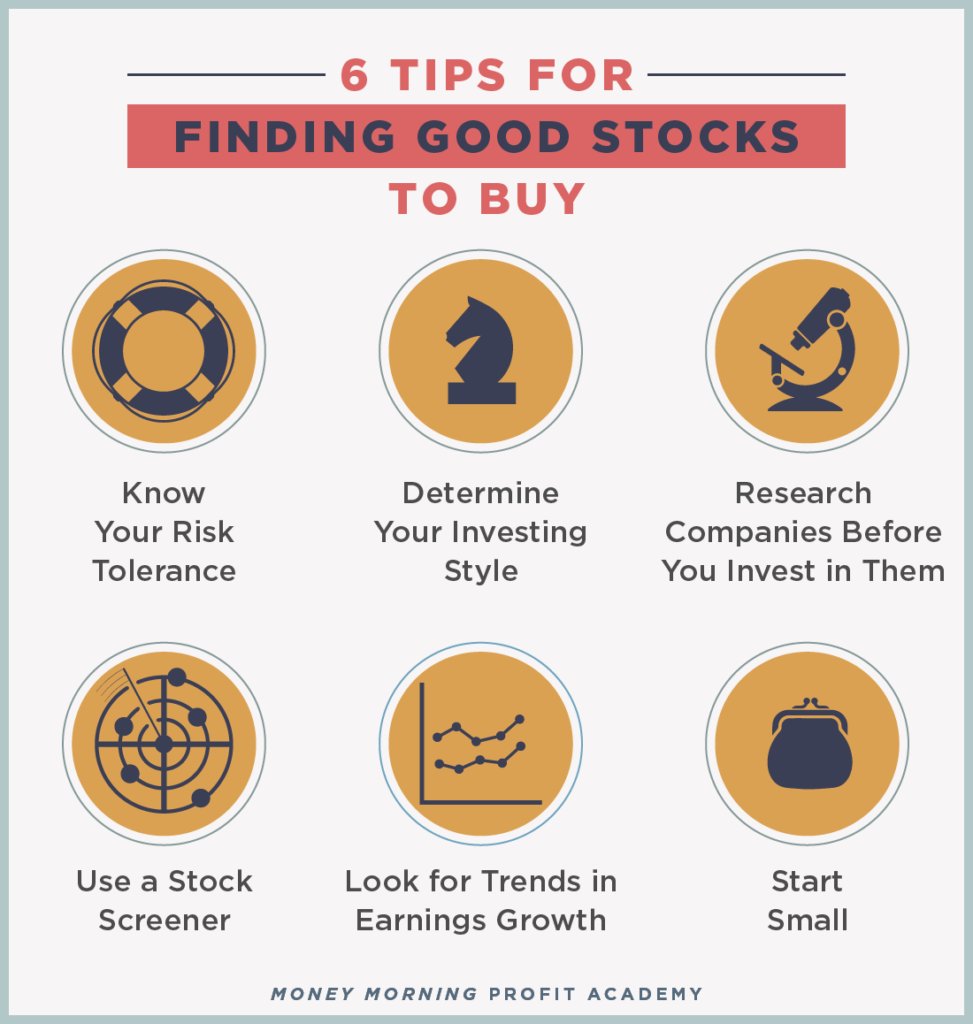
1. Preparing Your Financial Foundation
Before you buy your first share of a company, you must ensure that your personal finances are stable enough to withstand the inherent volatility of the equity markets. Investing is a long-term game; if you are forced to sell your stocks during a market downturn because you need the cash for an emergency, you risk locking in permanent losses.
Building an Emergency Fund and Managing Debt
The first rule of investing is to never invest money you might need in the next three to five years. Before entering the market, you should have an emergency fund covering three to six months of living expenses held in a high-yield savings account. This “moat” protects your investments from your life.
Furthermore, you must address high-interest debt. If you are carrying credit card debt at an 18% or 24% interest rate, no stock market return can reliably beat that. Paying off high-interest debt is a guaranteed return on your investment. Once your debt is manageable and your emergency fund is set, you are ready to move forward.
Defining Your Risk Tolerance and Time Horizon
Risk tolerance is a measure of how much market volatility you can handle without panicking. Ask yourself: “How would I react if my portfolio dropped 20% in a month?” If the answer is “sell everything,” you may need a more conservative strategy.
Your time horizon—the number of years until you need the money—is the most critical factor in your strategy. A 25-year-old investing for retirement can afford to be aggressive because they have decades to recover from market cycles. A 55-year-old nearing retirement must be more cautious to preserve their capital.
2. Understanding the Mechanics of the Market
To navigate the stock market, you must understand what a stock actually represents and how the ecosystem functions.
What is a Stock?
A stock (or a share) is a piece of ownership in a corporation. When you buy a share of a company like Apple or Microsoft, you become a partial owner. You are entitled to a portion of the company’s earnings, often paid out as dividends, and you benefit if the company’s value increases. There are two primary ways to make money: capital appreciation (the stock price goes up) and dividends (regular cash payments from the company to shareholders).
The Role of Exchanges and Brokerages
Stocks are traded on exchanges, such as the New York Stock Exchange (NYSE) or the Nasdaq. As an individual, you cannot trade directly on these exchanges. Instead, you use a brokerage—a firm that acts as an intermediary. In the modern era, digital brokerages have democratized access, offering commission-free trades and user-friendly mobile apps. When you place a “buy” order, your broker finds a seller on the exchange and executes the trade on your behalf.
3. Selecting Your Investment Strategy
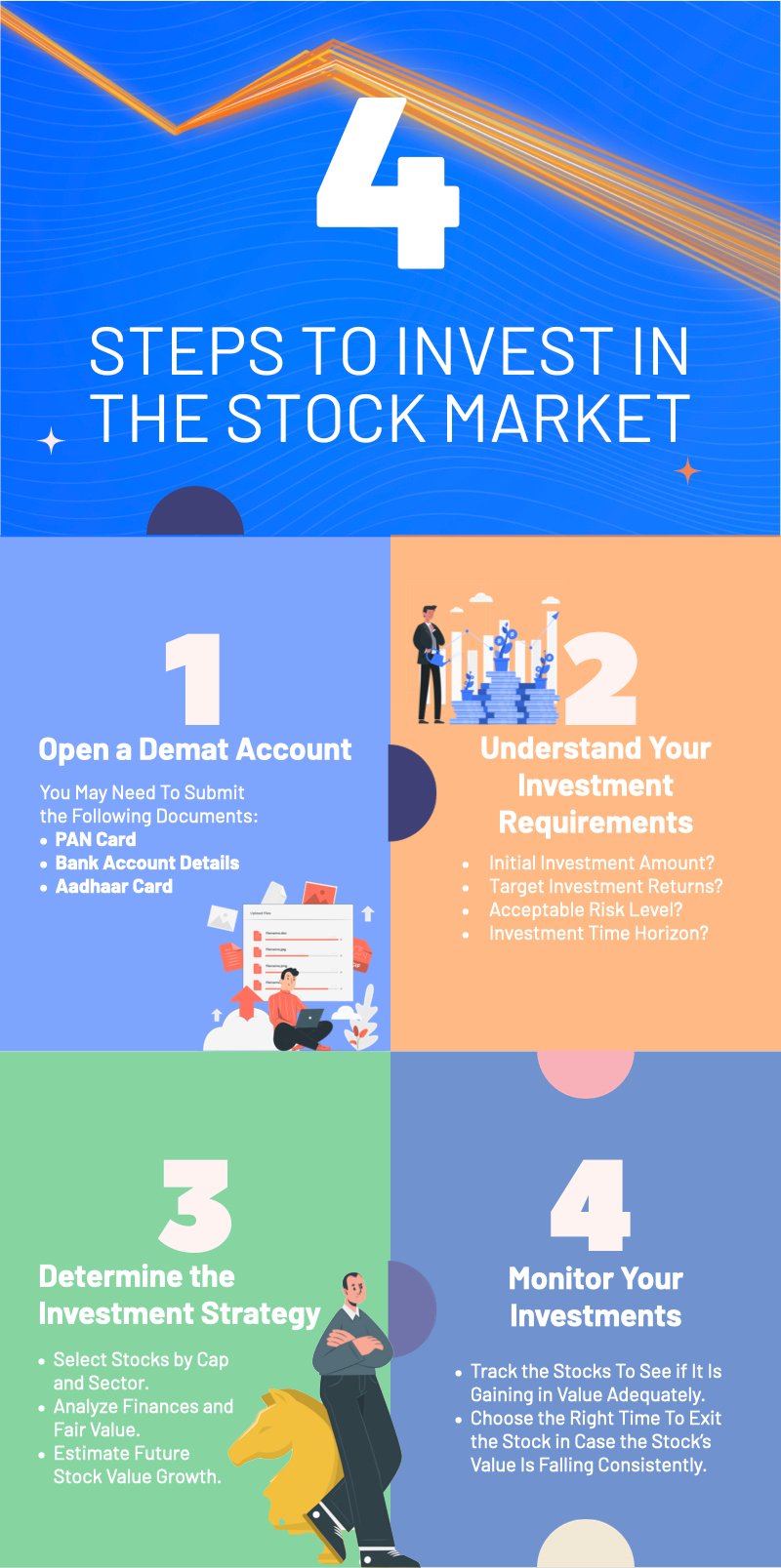
One of the biggest hurdles for beginners is deciding what to buy. While the media often focuses on “picking winners,” professional evidence suggests that for most people, a simplified approach is superior.
Individual Stocks vs. Index Funds and ETFs
Buying individual stocks requires significant research into financial statements, competitive advantages, and management teams. It offers the potential for high rewards but carries the risk of a single company failing.
For most beginners, Exchange-Traded Funds (ETFs) or Index Funds are the ideal starting point. These funds allow you to buy a “basket” of stocks in a single transaction. For example, an S&P 500 index fund gives you exposure to the 500 largest companies in the United States. This provides instant diversification; even if one company in the index goes bankrupt, the impact on your total portfolio is minimal.
The Power of Passive Investing and Dollar-Cost Averaging
Passive investing involves buying a diversified set of assets and holding them for the long term, regardless of market fluctuations. A highly effective way to implement this is through Dollar-Cost Averaging (DCA). This means investing a fixed amount of money at regular intervals (e.g., $200 every payday).
DCA removes the emotional stress of trying to “time the market.” When prices are high, your $200 buys fewer shares; when prices are low, your $200 buys more. Over time, this lowers your average cost per share and ensures you are consistently building your position.
4. Setting Up Your Investment Account
Once you have a strategy, the next step is the practical execution. Opening an account is now as simple as opening a bank account.
Choosing the Right Brokerage Platform
In the current market, you have several options:
- Traditional Brokerages (e.g., Fidelity, Charles Schwab, Vanguard): Excellent for long-term investors, offering robust research tools, diverse account types (like IRAs), and reliable customer service.
- Modern FinTech Apps (e.g., Robinhood, Webull): Best for those who prefer a mobile-first experience and a simplified interface.
- Robo-Advisors (e.g., Betterment, Wealthfront): Ideal for hands-off investors. These platforms use algorithms to automatically build and rebalance a portfolio based on your risk profile.
Executing Your First Trade
After funding your account, you will need to place an order. There are two main types of orders you should know:
- Market Order: This tells the broker to buy the stock immediately at the best available current price. It guarantees the trade happens quickly but doesn’t guarantee the exact price.
- Limit Order: This tells the broker to buy the stock only if it hits a specific price or lower. This gives you more control over the price you pay, but if the stock never hits that price, the trade won’t execute. For beginners, a market order is usually sufficient for highly liquid ETFs or large-cap stocks.
5. Maintaining Your Portfolio and Your Mindset
Getting into stocks is easy; staying in the market is the hard part. The stock market is a “pendulum of emotion” that swings between irrational exuberance and extreme fear.
The Importance of Diversification and Rebalancing
You should never “put all your eggs in one basket.” A healthy portfolio often includes a mix of domestic stocks, international stocks, and perhaps some bonds for stability. Over time, some of your investments will grow faster than others, causing your portfolio to become “tilted.” For example, if you wanted 80% stocks and 20% bonds, a big market rally might leave you with 90% stocks. Rebalancing is the process of selling a bit of what has grown and buying what has lagged to bring your portfolio back to your target allocation.
Developing Emotional Discipline
The greatest enemy of the investor is not the market, but the mirror. When the headlines are full of “market crash” warnings, the temptation to sell is overwhelming. However, history shows that the market has recovered from every single downturn it has ever faced.
Successful investors view market dips as “sales” where they can buy shares at a discount. Maintaining a long-term perspective—thinking in decades rather than days—is the ultimate “secret” to stock market success. Avoid checking your portfolio daily. Instead, focus on your savings rate and let the power of compounding work its magic over the years.

Conclusion
Getting into stocks is a transformative step toward financial sovereignty. By building a solid foundation, understanding the mechanics of ownership, choosing a diversified strategy like index fund investing, and maintaining the discipline to stay the course, you position yourself to capture the growth of the global economy. The best time to start was ten years ago; the second best time is today. Start small, stay consistent, and let time be your greatest ally in the journey of wealth creation.
aViewFromTheCave is a participant in the Amazon Services LLC Associates Program, an affiliate advertising program designed to provide a means for sites to earn advertising fees by advertising and linking to Amazon.com. Amazon, the Amazon logo, AmazonSupply, and the AmazonSupply logo are trademarks of Amazon.com, Inc. or its affiliates. As an Amazon Associate we earn affiliate commissions from qualifying purchases.