
The world of cryptocurrency, once a niche curiosity, has blossomed into a formidable frontier of personal finance and investment. It represents a paradigm shift in how we conceive of money, assets, and value, offering unprecedented opportunities for wealth creation but also presenting unique challenges and risks. For the uninitiated, the sheer volume of information, jargon, and volatile market movements can be overwhelming. This guide aims to demystify the process, providing a professional, insightful, and engaging roadmap for individuals looking to prudently navigate and enter the cryptocurrency market. Our focus will strictly remain on the financial implications, investment strategies, and practical steps from a money management perspective.
Understanding the Fundamentals of Digital Assets
Before committing any capital, a solid grasp of the underlying principles of cryptocurrency is indispensable. This isn’t merely about understanding technical definitions but recognizing the financial architecture that supports this new asset class and its potential impact on your personal financial strategy.
What is Cryptocurrency?
At its core, a cryptocurrency is a decentralized digital or virtual currency secured by cryptography, making it nearly impossible to counterfeit or double-spend. Unlike traditional currencies issued by governments (fiat money), cryptocurrencies operate on distributed public ledgers called blockchains. This decentralization means no single entity—like a bank or government—controls it, fostering a new era of financial autonomy. From an investment perspective, cryptocurrencies offer an alternative asset class with characteristics distinct from stocks, bonds, or real estate, driven by supply and demand within a global, 24/7 market.
Blockchain Technology and Its Financial Implications
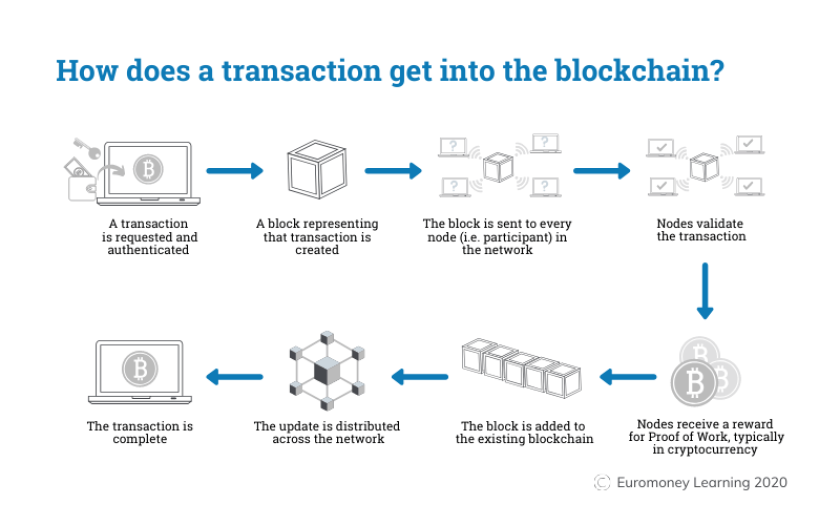
The blockchain is the foundational technology enabling cryptocurrencies. It’s a distributed database that maintains a continuously growing list of records, called blocks, which are secured from tampering and revision. Each block contains a timestamp and a link to a previous block, forming a chain. For investors, blockchain ensures transparency, immutability, and security for transactions. It eliminates the need for intermediaries, potentially reducing transaction costs and increasing efficiency in financial operations. Understanding this allows investors to appreciate the inherent value proposition and the potential for disruption across various industries, from finance to supply chain management, driving long-term investment narratives.
Key Concepts: Wallets, Exchanges, and Decentralization
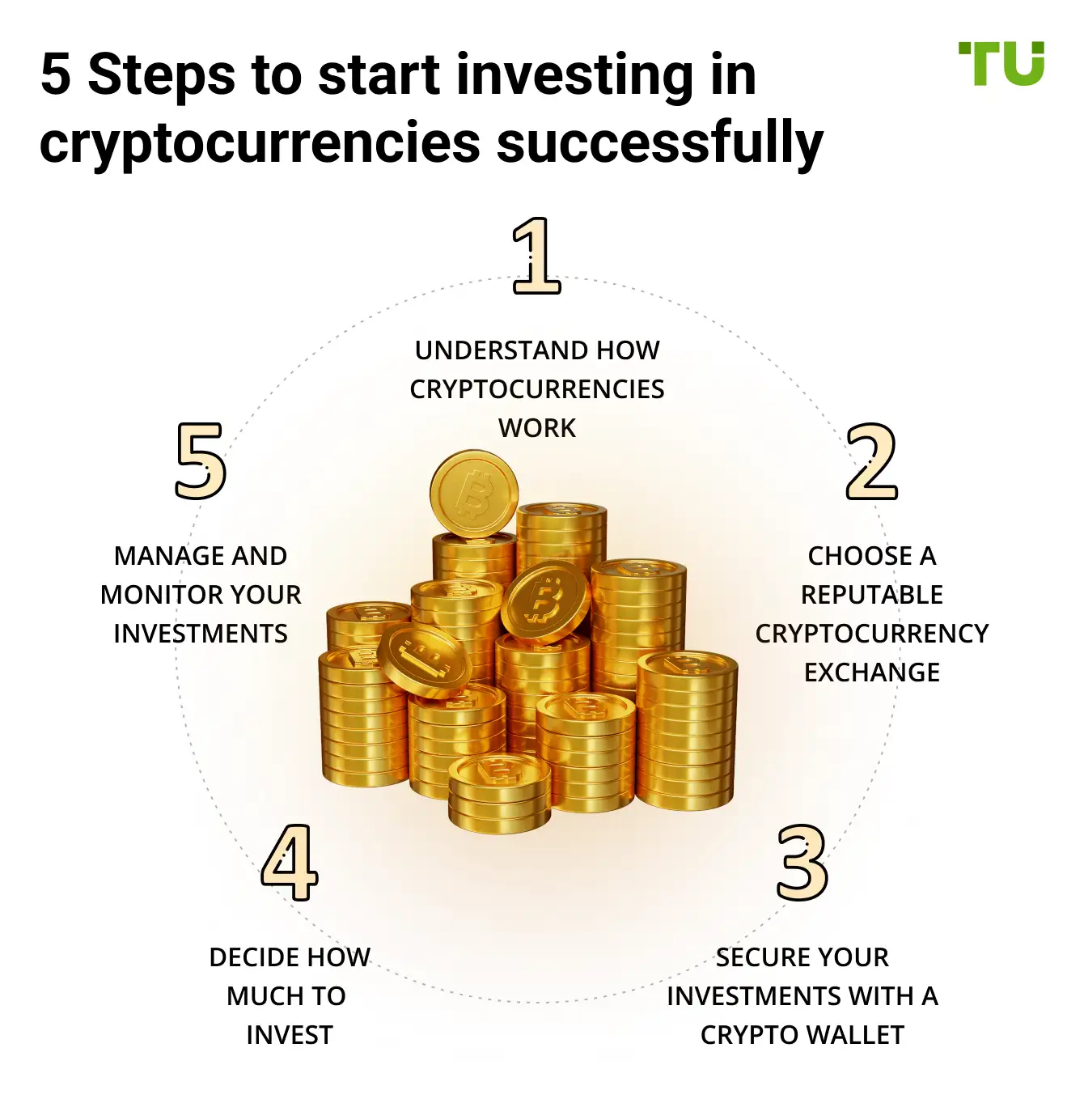
To engage with cryptocurrencies, you’ll encounter several critical concepts. A cryptocurrency wallet is a digital tool that allows you to store, send, and receive digital assets. It doesn’t physically hold your crypto but stores the cryptographic keys that prove ownership. There are various types: hot wallets (connected to the internet, e.g., exchange wallets, mobile apps) and cold wallets (offline hardware devices). Cryptocurrency exchanges are online platforms where you can buy, sell, and trade cryptocurrencies using fiat money or other cryptocurrencies. They act as the primary gateway for most new investors. Decentralization is the philosophical and operational backbone, meaning no central authority governs the network. This provides resilience against censorship and single points of failure, characteristics highly valued by many investors seeking alternatives to traditional financial systems.
Your First Steps: Practical Entry into Crypto Investing
Once you have a conceptual understanding, the next phase involves the practical steps of setting up your investment infrastructure. This requires careful consideration of your financial goals, risk appetite, and the platforms you choose to interact with.
Defining Your Investment Goals and Risk Tolerance
Before making any purchase, articulate why you want to invest in cryptocurrency. Are you seeking long-term growth, short-term trading opportunities, or simply curious? Cryptocurrencies are notoriously volatile; prices can swing dramatically within short periods. This volatility underscores the importance of assessing your risk tolerance. Only invest capital you can afford to lose. A prudent strategy often involves allocating a small percentage (e.g., 1-5%) of your total investment portfolio to crypto, especially initially, to mitigate potential downside.
Choosing a Reputable Cryptocurrency Exchange
Selecting the right exchange is paramount. Look for platforms that are:
- Regulated and compliant: Adhere to local financial regulations (e.g., KYC/AML procedures).
- Secure: Implement robust security measures like two-factor authentication (2FA), cold storage for client funds, and insurance policies where available.
- User-friendly: Especially for beginners, an intuitive interface simplifies the buying and selling process.
- Offer competitive fees: Understand the fee structure for deposits, trades, and withdrawals.
- Provide good customer support: Essential for troubleshooting and guidance.
- Support your desired cryptocurrencies: While Bitcoin and Ethereum are standard, if you’re interested in altcoins, ensure the exchange lists them.
Popular choices include Coinbase, Binance, Kraken, and Gemini, each with varying features and geographical availability.
Setting Up Your Account and Verification (KYC)
After choosing an exchange, you’ll need to create an account. This typically involves providing your email address, creating a strong password, and enabling 2FA for enhanced security. Due to regulatory requirements (Know Your Customer – KYC and Anti-Money Laundering – AML), you will also need to verify your identity. This usually entails submitting government-issued identification (e.g., driver’s license, passport) and sometimes a selfie or proof of address. While this might seem intrusive, it’s a standard practice in regulated financial services and helps protect both you and the exchange from illicit activities.
Funding Your Account and Making Your First Purchase
Once verified, you can fund your account. Exchanges usually support various fiat deposit methods, including bank transfers (ACH/SEPA), debit cards, and sometimes even wire transfers or PayPal. Bank transfers are often the cheapest but can take a few days. Debit card purchases are instant but may incur higher fees.
With funds in your account, you can make your first purchase. Many beginners opt for Dollar-Cost Averaging (DCA), an investment strategy where you invest a fixed amount of money at regular intervals (e.g., $50 every week) regardless of the asset’s price. This strategy helps mitigate the impact of market volatility and reduces the psychological stress of trying to “time the market.” Start with well-established cryptocurrencies like Bitcoin (BTC) or Ethereum (ETH) as they tend to be more stable and liquid than smaller altcoins.
Navigating the Cryptocurrency Market with Confidence

Entering the market is just the beginning. Sustained success in cryptocurrency investing requires continuous learning, strategic planning, and emotional discipline to navigate its unique dynamics.
Essential Research and Due Diligence
The crypto market is rife with projects, and distinguishing legitimate innovations from speculative ventures or outright scams is crucial. Thorough due diligence involves:
- Reading the whitepaper: Understand the project’s vision, technology, use case, and tokenomics (how the currency is distributed and used).
- Evaluating the team: Research the founders, developers, and advisors. Do they have relevant experience and a track record?
- Analyzing the community and ecosystem: A strong, active community and robust developer activity can indicate a healthy project.
- Assessing market capitalization and liquidity: Larger market caps often imply more stability, while good liquidity ensures you can buy and sell without significant price impact.
- Understanding the utility: What problem does the cryptocurrency solve? Does it have real-world applications or adoption?
Understanding Market Volatility and Price Action
Cryptocurrency markets are known for their extreme volatility. Prices can rise or fall by double-digit percentages in a single day, driven by news, social media sentiment, regulatory developments, and broader economic factors. It’s vital to:
- Avoid impulsive decisions: Don’t buy purely based on hype (FOMO – Fear of Missing Out) or sell out of panic (FUD – Fear, Uncertainty, and Doubt).
- Develop a long-term perspective: While short-term trading exists, many successful investors adopt a long-term “HODL” (Hold On for Dear Life) strategy for their core holdings, riding out market fluctuations.
- Utilize stop-loss orders: On exchanges that support them, stop-loss orders can help limit potential losses by automatically selling your assets if they drop to a predetermined price.
Portfolio Diversification Strategies
Just as with traditional investments, diversification is key in crypto. Instead of putting all your capital into one cryptocurrency, consider allocating it across several different assets. A diversified crypto portfolio might include:
- Major cryptocurrencies: Bitcoin and Ethereum form the bedrock for many portfolios.
- Layer 1 blockchains: Other foundational networks like Solana, Cardano, or Polkadot.
- Decentralized Finance (DeFi) tokens: Projects in lending, borrowing, and decentralized exchanges (e.g., Aave, Uniswap).
- NFT-related tokens: Projects supporting the non-fungible token ecosystem.
- Utility tokens: Cryptocurrencies designed to provide access to a specific product or service.
Diversification helps spread risk and capture growth from different sectors of the crypto economy, but always ensure each investment is based on sound research, not just speculation.
Managing Risks and Ensuring Security
The decentralized nature of cryptocurrency, while offering benefits, also places a greater onus on the individual investor for security and risk management. This requires proactive measures and a continuous awareness of potential threats.
Safeguarding Your Digital Assets
The mantra “not your keys, not your crypto” is paramount. If you don’t control the private keys to your crypto wallet, you don’t truly own the assets.
- Choose strong, unique passwords: For all your exchange accounts and wallets.
- Enable Two-Factor Authentication (2FA): Always use hardware-based 2FA (like YubiKey) or authenticator apps (like Google Authenticator) over SMS-based 2FA, which is more vulnerable.
- Utilize cold storage for significant holdings: Hardware wallets (e.g., Ledger, Trezor) keep your private keys offline, making them immune to online hacks. For substantial amounts, moving crypto from an exchange to a personal cold wallet is highly recommended.
- Be wary of phishing attacks: Always double-check URLs, emails, and messages to ensure they are from legitimate sources. Never share your private keys or seed phrase with anyone.
Protecting Against Scams and Fraud
The allure of quick riches in crypto unfortunately attracts scammers. Common scams include:
- Phishing websites: Replicas of legitimate exchanges designed to steal your login credentials.
- Fake initial coin offerings (ICOs) or rug pulls: Projects that launch with hype, raise funds, and then disappear with investors’ money.
- Ponzi schemes: Promises of impossibly high returns, paid out by subsequent investors’ funds.
- Impersonation scams: Individuals posing as support staff or influential figures to solicit funds or private information.
Always be skeptical of offers that sound too good to be true, verify information independently, and never send crypto to unknown addresses promising returns.
The Importance of Regulatory Awareness and Tax Implications
The regulatory landscape for cryptocurrency is evolving rapidly across jurisdictions. It’s crucial to understand:
- Tax obligations: In many countries, cryptocurrency gains are subject to capital gains tax. Accurately tracking your purchases, sales, and any other taxable events (like staking rewards or airdrops) is essential. Tools and services exist to help with crypto tax reporting.
- Local regulations: Be aware of any specific laws or restrictions in your region regarding cryptocurrency investment, trading, or ownership. Regulatory changes can significantly impact market sentiment and asset values.
Staying informed helps ensure compliance and avoids potential legal or financial repercussions.
Continuous Learning and the Future of Digital Finance
The cryptocurrency space is dynamic and constantly innovating. To remain a successful participant, a commitment to continuous learning and adaptation is essential.
Exploring Advanced Concepts: DeFi, NFTs, and Staking/Lending
Beyond basic investing, the crypto ecosystem offers more advanced avenues:
- Decentralized Finance (DeFi): A burgeoning sector that recreates traditional financial services (lending, borrowing, trading) on the blockchain without intermediaries.
- Non-Fungible Tokens (NFTs): Unique digital assets representing ownership of items like art, music, or collectibles, with increasing financial and cultural significance.
- Staking and Lending: Earning passive income by “staking” your crypto to support a network’s operations or “lending” it out to earn interest. These carry their own risks but offer yield generation opportunities.
These areas represent deeper dives into the financial applications of blockchain and can offer diversified income streams or alternative investment avenues for those with a higher risk tolerance and deeper understanding.
The Evolving Landscape of Digital Finance
Cryptocurrency is not a static technology; it’s a rapidly evolving field. New protocols, applications, and use cases emerge regularly. Staying abreast of these developments involves:
- Following reputable news sources and analysts: Critically evaluate information from various perspectives.
- Engaging with educational communities: Online forums, webinars, and courses can provide valuable insights.
- Understanding macroeconomic influences: Broader economic trends, inflation, interest rates, and geopolitical events increasingly impact the crypto market.
By maintaining a curious and informed mindset, investors can adapt their strategies and identify new opportunities as the digital finance landscape continues to mature and integrate with the traditional financial world.
Entering the cryptocurrency market is an exciting journey into the future of finance. While the potential rewards are significant, so are the risks. By approaching it with a solid understanding of the fundamentals, meticulous planning, robust security practices, and a commitment to continuous learning, you can strategically position yourself to participate effectively in this transformative financial revolution. Remember, patience, discipline, and thorough research are your most valuable assets in the world of digital currencies.
aViewFromTheCave is a participant in the Amazon Services LLC Associates Program, an affiliate advertising program designed to provide a means for sites to earn advertising fees by advertising and linking to Amazon.com. Amazon, the Amazon logo, AmazonSupply, and the AmazonSupply logo are trademarks of Amazon.com, Inc. or its affiliates. As an Amazon Associate we earn affiliate commissions from qualifying purchases.