
Insurance is often viewed as a complex and sometimes burdensome necessity, yet from a personal finance perspective, it is the bedrock of a sound financial plan. Whether you are safeguarding your health, your home, or your ability to earn an income, getting the right insurance cover is an exercise in risk management and wealth preservation. Without adequate protection, a single unforeseen event—a medical emergency, a natural disaster, or a legal liability—can derail years of disciplined saving and investing.
Securing insurance cover is not merely about finding the lowest premium; it is about ensuring that the coverage you purchase aligns with your specific financial profile and long-term goals. This guide provides a comprehensive roadmap for navigating the insurance landscape, from assessing your unique risks to finalizing a policy that provides genuine peace of mind.
Understanding Your Insurance Needs: The Foundation of Financial Security
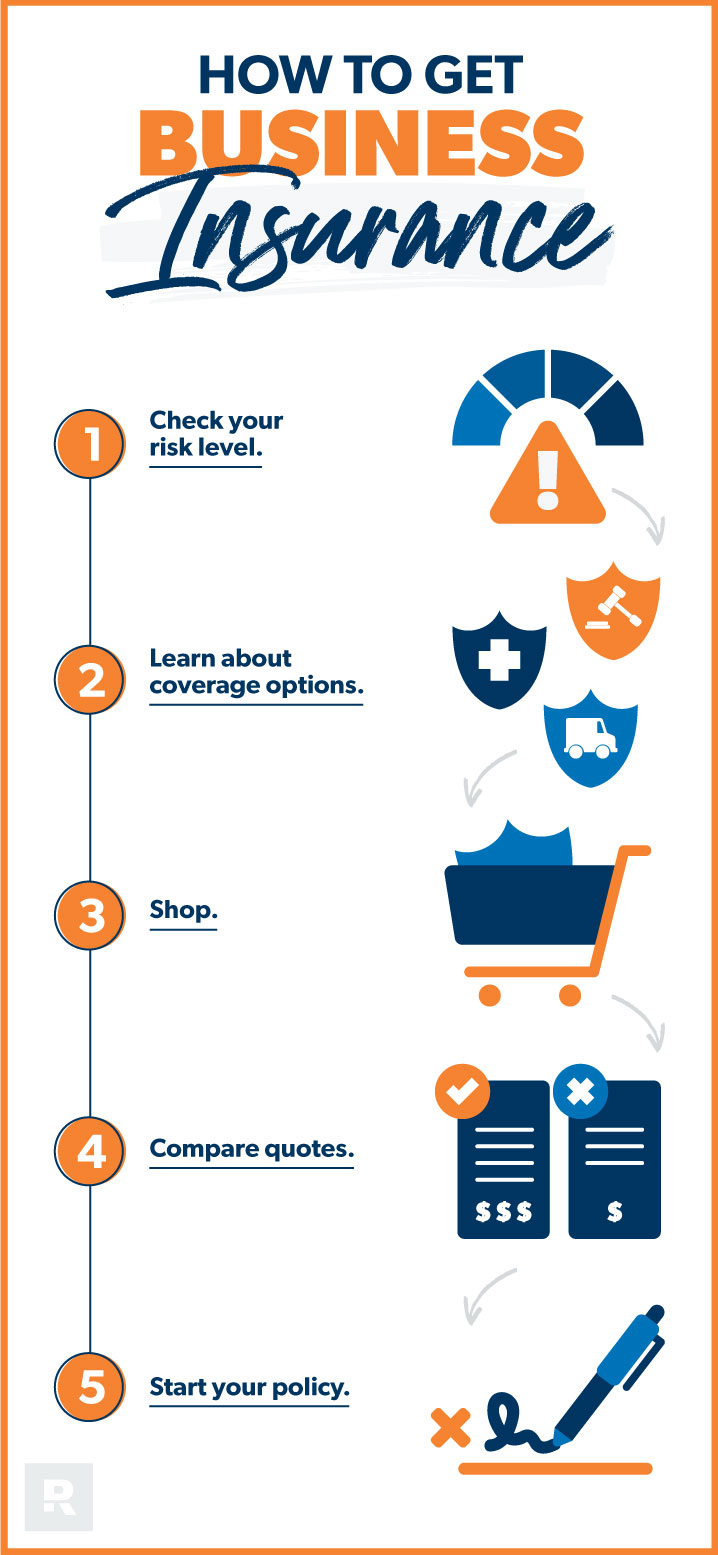
The first step in getting insurance cover is not looking at quotes, but looking at your life. In the realm of personal finance, insurance serves as a transfer of risk. You pay a relatively small, known cost (the premium) to an insurance company to avoid a potentially catastrophic, unknown cost. To begin this process, you must conduct a thorough audit of your financial vulnerabilities.
Assessing Your Risk Exposure
Every individual faces different risks based on their stage of life, career, and assets. A young professional without dependents may prioritize disability insurance—protecting their greatest asset, which is their future earning potential—over a large life insurance policy. Conversely, a breadwinner with a mortgage and three children must prioritize significant life cover to ensure the family’s financial stability in their absence.
To assess your exposure, categorize your risks into three buckets: assets (home, car, jewelry), liabilities (mortgage, debt), and human capital (your ability to work). By quantifying the financial impact of losing any of these, you can determine which types of cover are non-negotiable.
Prioritizing Essential vs. Optional Cover
While it might be tempting to insure every possible minor inconvenience, this is rarely a sound financial strategy. The purpose of insurance is to cover “low probability, high impact” events. This means prioritizing “catastrophic” coverage. For example, high-deductible health insurance or comprehensive life insurance is far more critical than an extended warranty on a consumer electronic device.
In your financial hierarchy, focus first on health, life, and disability insurance. Next, move to property and casualty (homeowners or renters and auto). Finally, consider umbrella insurance if you have significant assets that could be targeted in a lawsuit. By prioritizing these essentials, you ensure that your most significant financial pillars are reinforced first.
Navigating the Market: How to Compare and Choose Providers
Once you have identified your needs, the next hurdle is navigating a market saturated with options. In the modern financial era, consumers have more access to information than ever before, but this can lead to “analysis paralysis.” Choosing the right provider requires looking beyond the marketing slogans to the underlying financial health and reliability of the institution.
Decoding Policy Language and Premiums
One of the biggest mistakes people make when getting insurance cover is choosing a policy based solely on the monthly premium. In personal finance, “cheaper” often means more out-of-pocket costs when you actually need to file a claim. When comparing policies, you must look at the deductible (the amount you pay before insurance kicks in), the coverage limits (the maximum the insurer will pay), and the exclusions (what is not covered).
A policy with a $50 monthly premium might seem like a bargain compared to one for $80, but if the cheaper policy has a $5,000 deductible and the more expensive one has a $500 deductible, the “expensive” policy is actually the better financial tool for someone who doesn’t have a massive emergency fund.
Evaluating Financial Strength Ratings
An insurance policy is a promise to pay in the future. Therefore, the promise is only as good as the company making it. Before committing to a provider, check their financial strength ratings from independent agencies like A.M. Best, Moody’s, or Standard & Poor’s. These agencies grade insurers on their ability to meet their ongoing insurance obligations.
From an investment standpoint, you would never put your money in a bank that was on the verge of collapse; the same logic applies here. Sticking with companies that have an “A” rating or higher ensures that if a widespread disaster occurs, the company will have the liquidity to settle your claim.
The Step-by-Step Process of Getting Covered
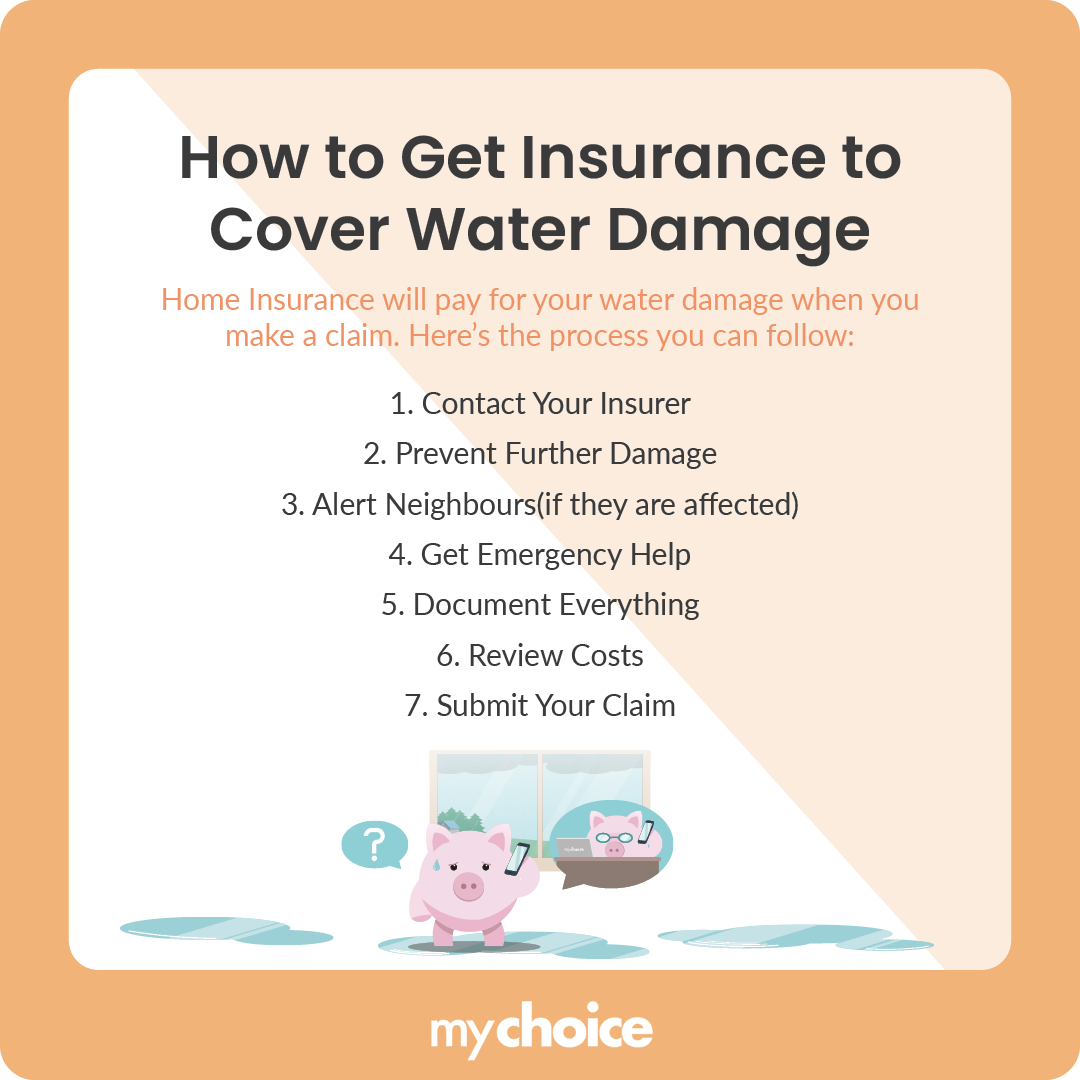
With your research complete, the actual application process begins. This phase requires meticulous attention to detail and absolute transparency. The integrity of your insurance cover depends on the accuracy of the information provided during the application phase.
Gathering Documentation and Disclosure
To secure an accurate quote and avoid future claim denials, you must gather all relevant documentation. For life or health insurance, this includes your medical history, current medications, and lifestyle habits. For property insurance, you will need details on the age of the structure, the materials used, and any safety features installed.
The most important rule in getting insurance is “utmost good faith.” You must disclose everything. If you fail to mention a pre-existing condition or a previous accident to save money on a premium, the insurer may have the right to void your policy when you file a claim. In the world of finance, an unpayable policy is worse than no policy at all, as you have wasted money on premiums for a false sense of security.
The Underwriting Process Explained
After you submit your application, it goes to an underwriter. This is the individual (or algorithm) that assesses the risk you represent and determines the final premium. During this time, the insurer may request a medical exam (for life insurance) or an inspection (for home insurance).
Underwriting can take anywhere from a few minutes (for digital-first auto policies) to several weeks (for complex life insurance). Understanding that this is a data-driven process helps you remain patient. If the underwriter “rates” your policy higher than the initial quote, don’t panic. Ask for the reasoning; sometimes, providing additional documentation or undergoing a follow-up test can lower the rate.
Optimizing Your Coverage for Long-Term Savings
Getting insurance cover is not a “set it and forget it” task. As your financial life evolves, your insurance should evolve with it. Strategic management of your policies can lead to significant savings and more robust protection over time.
Utilizing Bundling and Deductible Strategies
One of the most effective ways to save money on insurance is through “bundling.” Most major insurers offer discounts ranging from 10% to 25% if you carry multiple policies—such as home, auto, and life—with them. This not only reduces your total outlay but also simplifies your financial management by centralizing your coverage.
Furthermore, as your emergency fund grows, you should consider increasing your deductibles. By moving from a $500 deductible to a $1,500 deductible, you can significantly lower your annual premiums. From a personal finance perspective, this is a savvy move: you are “self-insuring” for the smaller risks you can afford to pay, while using the insurance company only for the major losses.
Annual Reviews and Life Stage Adjustments
Your insurance needs change as your net worth changes. An annual insurance review should be a standard part of your year-end financial planning. For instance, if you have paid off your mortgage, you may no longer need as much life insurance. If you have sold an expensive piece of jewelry, you should remove it from your scheduled personal property rider.
Conversely, if you have started a side hustle or a home-based business, your standard homeowners’ policy may not cover your business equipment or liability. Keeping your insurance in sync with your actual life circumstances prevents you from being over-insured (wasting money) or under-insured (risking financial ruin).

Conclusion: Insurance as a Tool for Wealth Preservation
At its core, getting insurance cover is about protecting the life you have built and the wealth you are creating. It is an essential component of personal finance that transforms the “unthinkable” into a manageable financial event. By carefully assessing your risks, choosing reputable providers, being transparent during the application process, and regularly optimizing your policies, you ensure that your financial plan is resilient.
In the journey of wealth building, most people focus on the “offense”—earning and investing. Insurance is your “defense.” A strong defense ensures that a single setback doesn’t take you out of the game. Secure your cover today, not just as a legal or social obligation, but as a strategic investment in your future financial independence.
aViewFromTheCave is a participant in the Amazon Services LLC Associates Program, an affiliate advertising program designed to provide a means for sites to earn advertising fees by advertising and linking to Amazon.com. Amazon, the Amazon logo, AmazonSupply, and the AmazonSupply logo are trademarks of Amazon.com, Inc. or its affiliates. As an Amazon Associate we earn affiliate commissions from qualifying purchases.