
The world of stock market investing can seem daunting, a complex labyrinth of charts, jargon, and financial news that often feels out of reach for the average individual. Yet, for many, it represents one of the most powerful avenues for wealth creation and financial independence. From retirees planning for their golden years to young professionals looking to build long-term assets, the stock market offers the potential to grow capital beyond what traditional savings accounts can provide.
However, “getting in” isn’t merely about opening an account and buying a stock. It requires understanding, strategy, discipline, and a clear vision of your financial goals. This comprehensive guide will demystify the stock market, breaking down the essential steps, concepts, and strategies you need to embark on your investment journey with confidence and a solid foundation. Whether you’re starting with a modest sum or have substantial capital, the principles remain the same: educate yourself, plan meticulously, and invest wisely.
Understanding the Fundamentals Before You Invest
Before you commit any capital, it’s crucial to grasp the basic ecosystem of the stock market. Think of it as learning the rules of a game before you step onto the field.
What is the Stock Market?
At its core, the stock market is a collection of exchanges and markets where buying, selling, and issuance of shares of publicly-held companies take place. When you buy a stock, you’re essentially purchasing a small ownership stake in a company. These shares are traded on exchanges like the New York Stock Exchange (NYSE) or the Nasdaq. The primary functions of the stock market are two-fold:
- For Companies: It provides a mechanism for companies to raise capital to fund their operations, expansion, or research and development.
- For Investors: It offers individuals and institutions an opportunity to grow their wealth by owning a piece of successful businesses.
The price of a stock fluctuates based on supply and demand, company performance, economic conditions, and investor sentiment.
Why Invest in Stocks?
While there are risks involved, the potential benefits of stock market investing are compelling:
- Capital Appreciation: The primary draw is the potential for your investments to grow in value over time. As a company performs well and its value increases, so does the price of its stock.
- Dividends: Many companies distribute a portion of their profits to shareholders in the form of dividends, providing a regular income stream.
- Inflation Hedge: Over the long term, stocks have historically outperformed inflation, helping your money retain and grow its purchasing power.
- Diversification: Stocks can be a crucial component of a diversified investment portfolio, complementing other asset classes like bonds or real estate.
Key Concepts to Grasp
Familiarizing yourself with common terminology will help you navigate financial news and investment platforms more effectively:
- Stocks vs. Shares: Often used interchangeably, a “stock” refers to the equity ownership of a company, while “shares” refer to the specific units of ownership.
- Bulls vs. Bears: A “bull market” signifies a rising market where investors are optimistic, while a “bear market” indicates a declining market characterized by pessimism.
- Market Capitalization: This is the total value of a company’s outstanding shares (share price multiplied by the number of shares). It helps categorize companies (small-cap, mid-cap, large-cap).
- Volatility: Refers to the degree of variation of a trading price series over time. High volatility means prices can change dramatically and quickly.
- Risk and Return: In investing, risk and potential return are generally correlated; higher potential returns often come with higher risk. Understanding your personal risk tolerance is paramount.
- Diversification: The strategy of spreading your investments across various assets, industries, and geographies to reduce risk. It’s often encapsulated in the adage, “Don’t put all your eggs in one basket.”
Preparing for Your Stock Market Journey
Investing isn’t just about money; it’s about making informed decisions aligned with your personal financial landscape. Proper preparation sets the stage for success and helps mitigate potential setbacks.
Define Your Financial Goals and Risk Tolerance
Before you buy your first share, ask yourself: Why am I investing?
- Goals: Are you saving for retirement, a down payment on a house, your child’s education, or simply long-term wealth accumulation? Your goals will influence your investment horizon (short-term vs. long-term) and the types of assets you choose.
- Risk Tolerance: How comfortable are you with the possibility of losing money? Could you sleep soundly if your portfolio dropped by 10%, 20%, or even more in a market downturn? Your risk tolerance should dictate your asset allocation. A younger investor with a longer time horizon might tolerate more risk than someone nearing retirement. Be honest with yourself about this crucial factor.
- Emergency Fund: Before investing in volatile assets like stocks, ensure you have a robust emergency fund (3-6 months of living expenses) in a liquid, accessible account. This prevents you from being forced to sell investments at a loss if an unforeseen expense arises.
Educate Yourself Continually
The stock market is dynamic, constantly evolving with economic shifts, technological advancements, and geopolitical events. Lifelong learning is not optional; it’s essential for long-term success.
- Books and Online Resources: Read reputable books on investing (e.g., those by Benjamin Graham, Peter Lynch, John Bogle). Utilize financial education websites, blogs, and reputable news sources.
- Financial Statements: Learn the basics of how to read a company’s financial statements – the income statement (profit & loss), balance sheet (assets, liabilities, equity), and cash flow statement. These provide critical insights into a company’s health.
- Investment Strategies: Familiarize yourself with different investment philosophies such as value investing (buying undervalued stocks), growth investing (seeking companies with high growth potential), dividend investing (focusing on income-generating stocks), and passive investing (tracking an index).
Start with a Budget and Investment Capital
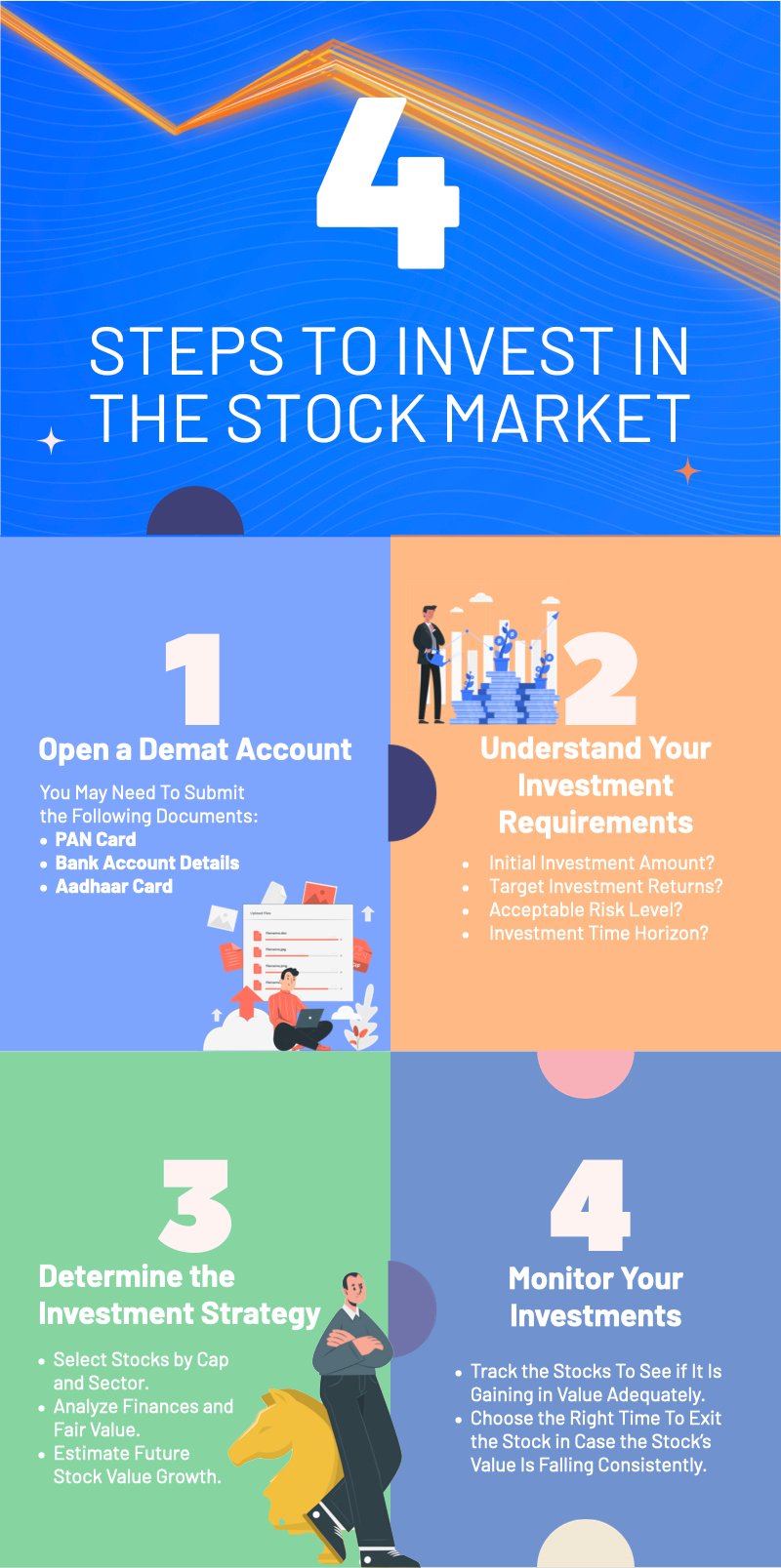
You can only invest what you have. Creating a detailed personal budget is the cornerstone of effective financial planning.
- Identify Disposable Income: Track your income and expenses to pinpoint how much money you can realistically set aside for investing each month or year without compromising your essential living expenses or emergency fund.
- Start Small, Invest Consistently: You don’t need a large sum to begin. Many online brokers allow you to start with modest amounts, and the power of dollar-cost averaging (investing a fixed amount regularly, regardless of market fluctuations) can be incredibly effective over time.
- Avoid Emotional Decisions: Never invest money you cannot afford to lose or money that you might need in the short term. This often leads to panic selling during market downturns, locking in losses.
Choosing Your Investment Path and Platform
Once you’re grounded in the fundamentals and prepared financially, the next step is to decide how you want to invest and through which platform.
Direct Stock Ownership vs. Diversified Funds
This is a fundamental choice for new investors:
- Direct Stock Ownership:
- Pros: Potential for higher returns if you pick successful individual stocks, direct control over your investments, greater learning experience.
- Cons: Higher risk (if one company performs poorly, it significantly impacts your portfolio), requires substantial research and monitoring, less diversified.
- Diversified Funds (ETFs, Mutual Funds, Index Funds):
- ETFs (Exchange-Traded Funds): These are baskets of securities (like stocks, bonds, commodities) that trade on exchanges like individual stocks. They offer instant diversification, often have low expense ratios, and can be bought and sold throughout the day. A popular choice for beginners is an S&P 500 ETF.
- Mutual Funds: Professionally managed portfolios of stocks, bonds, or other investments. They offer diversification and expert management but typically have higher fees (expense ratios) and trade only once a day after market close.
- Index Funds: A type of mutual fund or ETF designed to track the performance of a specific market index, like the S&P 500. They are passively managed, have very low fees, and are an excellent choice for long-term, hands-off investors seeking market returns.
- Pros of Funds: Automatic diversification, often lower risk than individual stocks, less research required, suitable for passive investors.
- Cons of Funds: Lower potential for outsized returns compared to picking a winning individual stock, management fees (though low for index funds/ETFs), less direct control.
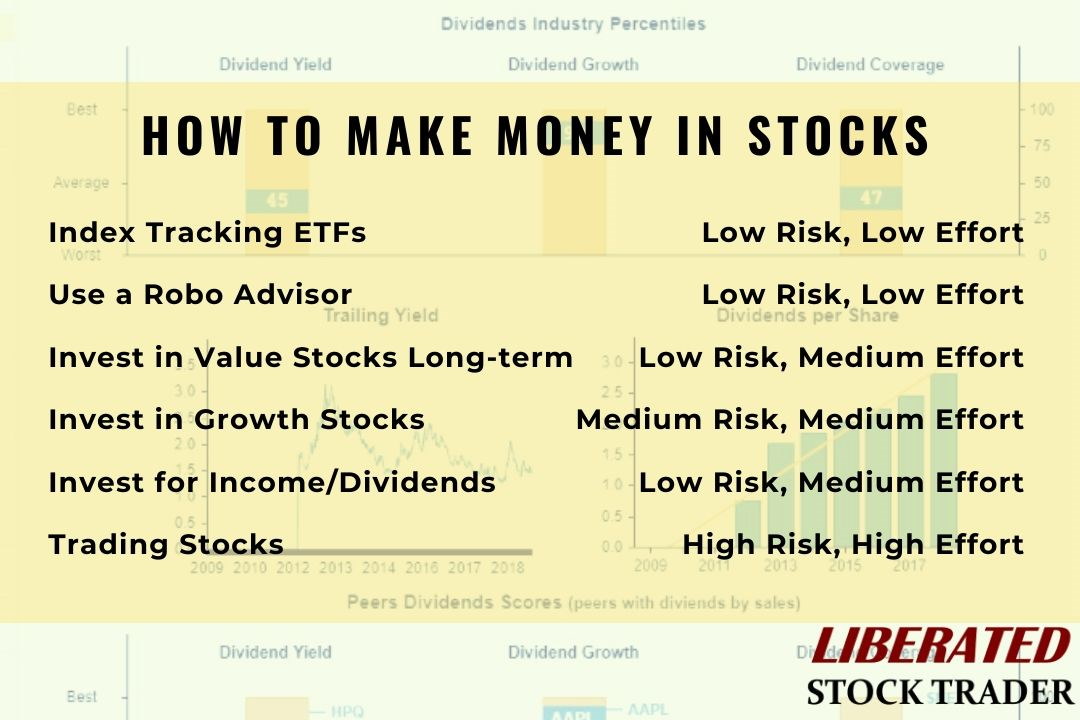
For beginners, starting with diversified index funds or ETFs is often recommended due to their simplicity, lower risk, and broad market exposure.
Selecting a Brokerage Account
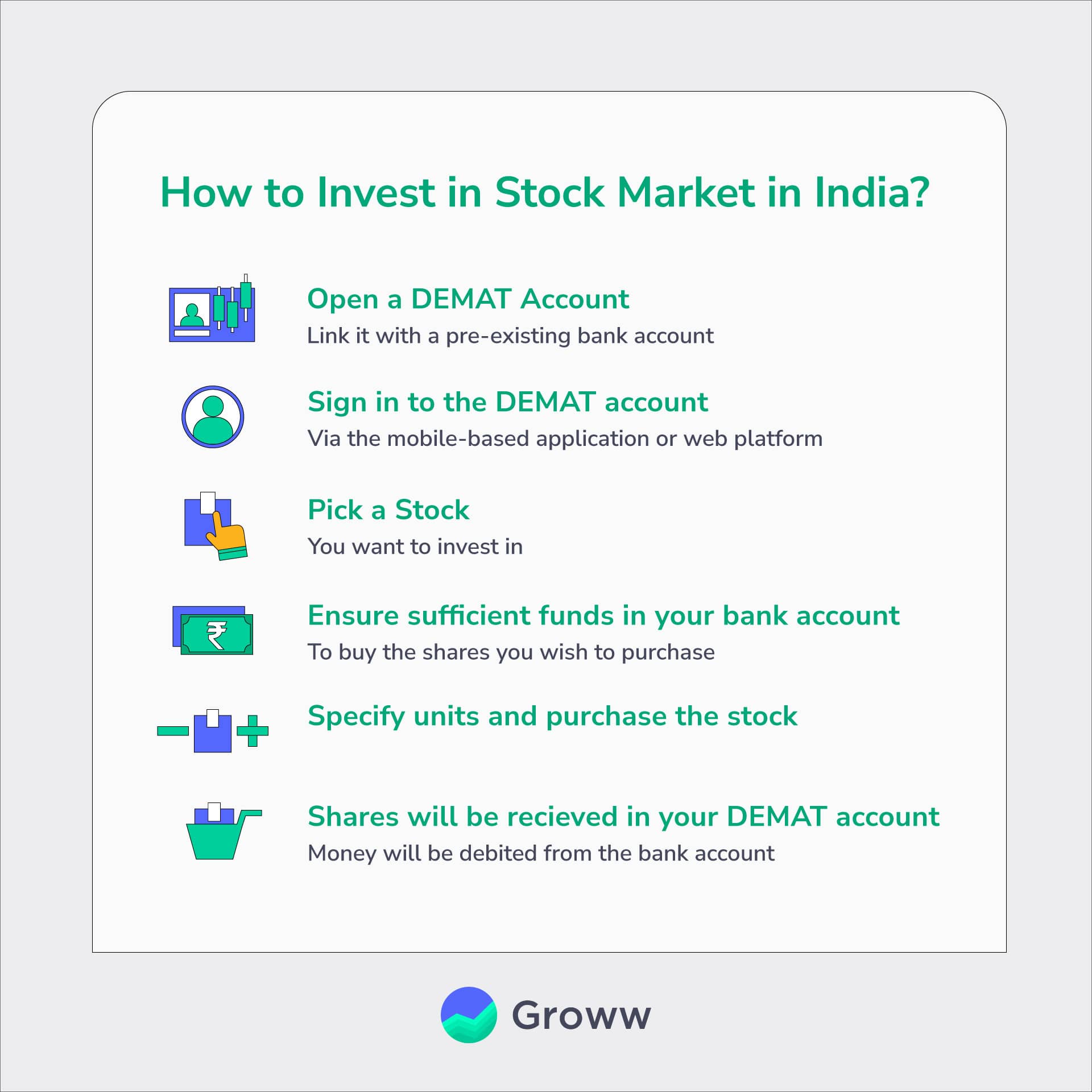
To buy and sell stocks, you’ll need a brokerage account.
- Types of Brokers:
- Discount Brokers: Most popular for individual investors. They offer online platforms, typically low or zero commission fees for stock/ETF trades, and self-directed investing. Examples include Charles Schwab, Fidelity, Vanguard, E*TRADE, Robinhood (though beware of its gamified approach for beginners).
- Full-Service Brokers: Offer comprehensive financial advice, portfolio management, and a wide range of products but come with significantly higher fees. Generally not necessary for new, self-directed investors.
- Factors to Consider:
- Fees: Look for zero-commission stock and ETF trades. Be aware of other potential fees like account maintenance, inactivity, or fund expense ratios.
- Investment Options: Ensure the broker offers the types of investments you’re interested in (individual stocks, ETFs, mutual funds, options, etc.).
- Research Tools and Educational Resources: Many brokers provide valuable research reports, analytical tools, and educational content.
- Platform Usability: A user-friendly interface is crucial, especially for beginners. Check if they offer a mobile app and a robust web platform.
- Customer Service: Good support is essential if you encounter issues.
Understanding Different Account Types
Consider the tax implications of your investment account:
- Taxable Brokerage Accounts: Standard investment accounts where capital gains and dividends are typically taxed annually.
- Retirement Accounts:
- IRAs (Traditional and Roth): Individual Retirement Arrangements offer tax advantages for retirement savings. Contributions to a Traditional IRA may be tax-deductible, and growth is tax-deferred until withdrawal in retirement. Roth IRA contributions are made with after-tax money, but qualified withdrawals in retirement are tax-free.
- 401(k)s (and similar workplace plans): Employer-sponsored retirement plans that also offer tax advantages. Investing in the stock market through these accounts is a common and highly recommended strategy for long-term growth.
Always prioritize funding tax-advantaged retirement accounts before taxable brokerage accounts, especially if your employer offers a 401(k) match.
Strategies for Entering and Managing Your Investments
With your account set up, it’s time to put your plan into action. Smart entry and ongoing management are key to long-term success.
Researching and Selecting Investments
This is where your education pays off.
- Fundamental Analysis: This involves evaluating a company’s intrinsic value by examining its financial statements, management team, industry position, competitive advantages, and overall economic environment. Look for strong revenue growth, healthy profit margins, manageable debt, and competent leadership.
- Technical Analysis: Focuses on analyzing past market data, primarily price and volume, to predict future price movements. This involves charts, indicators, and patterns. While useful for traders, it’s generally less critical for long-term investors.
- Sector Analysis: Understand the different economic sectors (e.g., technology, healthcare, financials, consumer staples) and how they perform under various economic conditions. Diversify across sectors to reduce industry-specific risk.
- Due Diligence: Never invest based on tips, hype, or social media trends. Always conduct your own thorough research.
Developing an Investment Strategy
Consistency and a defined approach are paramount.
- Dollar-Cost Averaging (DCA): This is a powerful strategy for beginners. Instead of trying to time the market (which is notoriously difficult), you invest a fixed amount of money at regular intervals (e.g., $100 every month). This means you buy more shares when prices are low and fewer when prices are high, averaging out your purchase price over time and reducing risk.
- Long-term vs. Short-term Approaches: For most beginners, a long-term, buy-and-hold strategy is advisable. This involves investing in quality assets and holding them for many years, riding out market fluctuations and benefiting from compounding returns. Short-term trading is significantly riskier and requires advanced knowledge, time, and emotional resilience.
- Portfolio Rebalancing: Periodically (e.g., annually), review your portfolio to ensure its asset allocation still aligns with your goals and risk tolerance. If, for instance, stocks have performed exceptionally well and now constitute a larger portion of your portfolio than intended, you might sell some stocks and buy bonds to restore your desired allocation.
Managing Risk and Emotions
Emotional control is arguably as important as financial knowledge in investing.
- Diversification is Your Best Friend: Don’t just diversify across different stocks; diversify across industries, market capitalizations (large-cap, mid-cap, small-cap), and even different asset classes (stocks, bonds, real estate, cash). International diversification can also be beneficial.
- Avoid Emotional Decisions: The biggest enemy of an investor is often themselves. Fear when the market is down can lead to selling at a loss, while greed during market rallies can lead to over-investing in risky assets. Stick to your long-term plan, remain disciplined, and avoid impulsive reactions to market news.
- Regular Review, Not Over-Trading: Review your portfolio periodically to ensure your investments are still performing as expected and align with your goals. However, resist the urge to constantly tinker with your holdings. Frequent trading generates transaction costs and often leads to worse returns.
Common Pitfalls to Avoid and What to Expect
The path to investment success is rarely a straight line. Being aware of common mistakes and having realistic expectations will help you navigate the inevitable ups and downs.
Avoiding Common Mistakes
- Chasing “Hot” Stocks: Investing in companies purely based on hype, social media trends, or speculative tips without proper research is a recipe for disaster.
- Lack of Diversification: Putting all your money into one or a few stocks exposes you to immense risk. If those companies falter, your entire portfolio could be wiped out.
- Leveraging (Using Borrowed Money): Using margin (borrowing from your broker to invest more) magnifies both gains and losses. It’s an advanced strategy not suitable for beginners.
- Panicking During Market Downturns: Market corrections and crashes are a normal part of the investing cycle. Selling your investments during a downturn locks in losses. History shows that markets typically recover, and patient investors are rewarded.
- Ignoring Fees and Taxes: High fees (e.g., for actively managed mutual funds) can significantly eat into your returns over time. Understand the tax implications of your investments, particularly capital gains and dividends.
The Importance of Patience and Discipline
- The Stock Market is a Marathon, Not a Sprint: Wealth creation through the stock market is a long-term endeavor. Compounding returns—earning returns on your initial investment and on the accumulated returns—takes decades to show its true power.
- Market Fluctuations are Normal: Expect volatility. Your portfolio value will go up and down. Focus on the long-term trend, not daily movements.
- Stay Committed to Your Plan: Once you’ve established your goals, risk tolerance, and investment strategy, stick to it. Avoid constant changes based on short-term news or emotions.
Taxation and Reporting
Understanding the tax implications of your investments is crucial.
- Capital Gains Tax: When you sell an investment for a profit, you incur a capital gain. Short-term capital gains (assets held for one year or less) are typically taxed at your ordinary income tax rate. Long-term capital gains (assets held for over one year) usually have preferential, lower tax rates.
- Dividend Tax: Dividends received from stocks are also subject to taxation.
- Record Keeping: Maintain meticulous records of your trades (purchase date, price, sale date, price) to accurately report gains and losses at tax time. Your brokerage will typically provide year-end statements (e.g., 1099-B, 1099-DIV).
Conclusion
Getting started in the stock market can be one of the most rewarding financial decisions you make. It’s a journey that demands education, patience, and discipline, but one that offers immense potential for long-term wealth growth.
Begin by understanding the fundamentals, clearly defining your financial goals and risk tolerance, and committing to continuous learning. Choose your investment path wisely, considering diversified funds as a strong starting point for beginners, and select a reliable brokerage platform. Finally, implement a consistent investment strategy like dollar-cost averaging, prioritize diversification, and steel yourself against emotional decision-making.
The stock market is not a get-rich-quick scheme. It is a powerful tool for building wealth steadily over time. By approaching it with a professional, insightful, and engaging mindset, you can navigate its complexities and harness its potential to achieve your financial aspirations. Start small, stay informed, and commit to the long game – your future self will thank you.
aViewFromTheCave is a participant in the Amazon Services LLC Associates Program, an affiliate advertising program designed to provide a means for sites to earn advertising fees by advertising and linking to Amazon.com. Amazon, the Amazon logo, AmazonSupply, and the AmazonSupply logo are trademarks of Amazon.com, Inc. or its affiliates. As an Amazon Associate we earn affiliate commissions from qualifying purchases.