
The global financial landscape is undergoing a paradigm shift. Once relegated to the fringes of internet forums, cryptocurrency has matured into a multi-trillion-dollar asset class that demands the attention of every serious investor. Getting in on cryptocurrency is no longer just about technical curiosity; it is a strategic move toward financial diversification and participation in a new era of digital value. For those looking to enter the market, the transition from observer to participant requires a disciplined approach, a clear understanding of market mechanics, and a robust risk-management strategy.
Building a Foundation: Understanding Crypto as an Asset Class
Before deploying capital, it is essential to view cryptocurrency through the lens of modern portfolio theory. Unlike traditional equities or bonds, digital assets operate on decentralized protocols, offering unique properties such as censorship resistance, transparency, and, in many cases, absolute scarcity.

The Role of Bitcoin and Ethereum
Bitcoin remains the primary entry point for most investors. Often referred to as “digital gold,” its value proposition lies in its finite supply—capped at 21 million coins. This makes it a potential hedge against fiat currency devaluation and inflation. Ethereum, the second-largest asset by market capitalization, offers a different financial utility. It serves as the foundational layer for decentralized finance (DeFi) and smart contracts, making it more akin to “digital oil” or a global computing platform. Understanding the distinction between these two titans is the first step in building a balanced crypto portfolio.
Market Volatility and Risk Management
The hallmark of the cryptocurrency market is its volatility. While the potential for high returns is significant, the drawdown periods can be equally intense. A professional approach to “getting in” involves never investing more than you can afford to lose. Institutional-grade investors often allocate a small percentage of their total portfolio—ranging from 1% to 10%—to digital assets. This allows for exposure to the upside while protecting the overall financial health of the investor from sudden market corrections.
Analyzing Market Cycles
Crypto markets move in cycles, often influenced by the Bitcoin “halving” event, which occurs approximately every four years. By studying these cycles, investors can better understand when the market is in a state of accumulation versus euphoria. Getting in during a bear market, though psychologically difficult, has historically proven more lucrative than chasing “all-time highs” during a bull run.
Choosing Your Entry Point: Navigating Financial On-Ramps
Once you have established your investment thesis, the next step is selecting the right infrastructure. The “on-ramps” are the platforms that allow you to convert traditional fiat currency (USD, EUR, etc.) into digital assets.
Centralized Exchanges (CEXs)
For most beginners, centralized exchanges like Coinbase, Kraken, or Binance provide the most user-friendly experience. These platforms function similarly to traditional brokerage accounts. They offer high liquidity, a wide range of assets, and integrated reporting tools for tax purposes. When selecting an exchange, prioritize those with high security ratings, a history of regulatory compliance, and transparent reserve reporting.
Funding Your Account and First Purchase
The process of funding your account usually involves a bank transfer (ACH or SEPA) or a wire transfer. While some platforms allow credit card purchases, these often come with high fees and are generally discouraged in a professional investment strategy. Once your account is funded, you can execute market orders or limit orders. For those looking to mitigate the impact of price swings, “limit orders” allow you to set a specific price at which you are willing to buy, ensuring you don’t overpay during a period of high volatility.
Custody and Security: The “Not Your Keys” Rule
In the world of cryptocurrency, custody is a critical financial decision. While keeping assets on an exchange is convenient for active trading, it introduces “platform risk.” Experienced investors often use a combination of custodial and non-custodial solutions. A non-custodial hardware wallet (often called “cold storage”) allows you to hold the private keys to your assets offline. This removes the risk of an exchange hack or insolvency, giving you total sovereign control over your wealth.
Strategic Investment Approaches
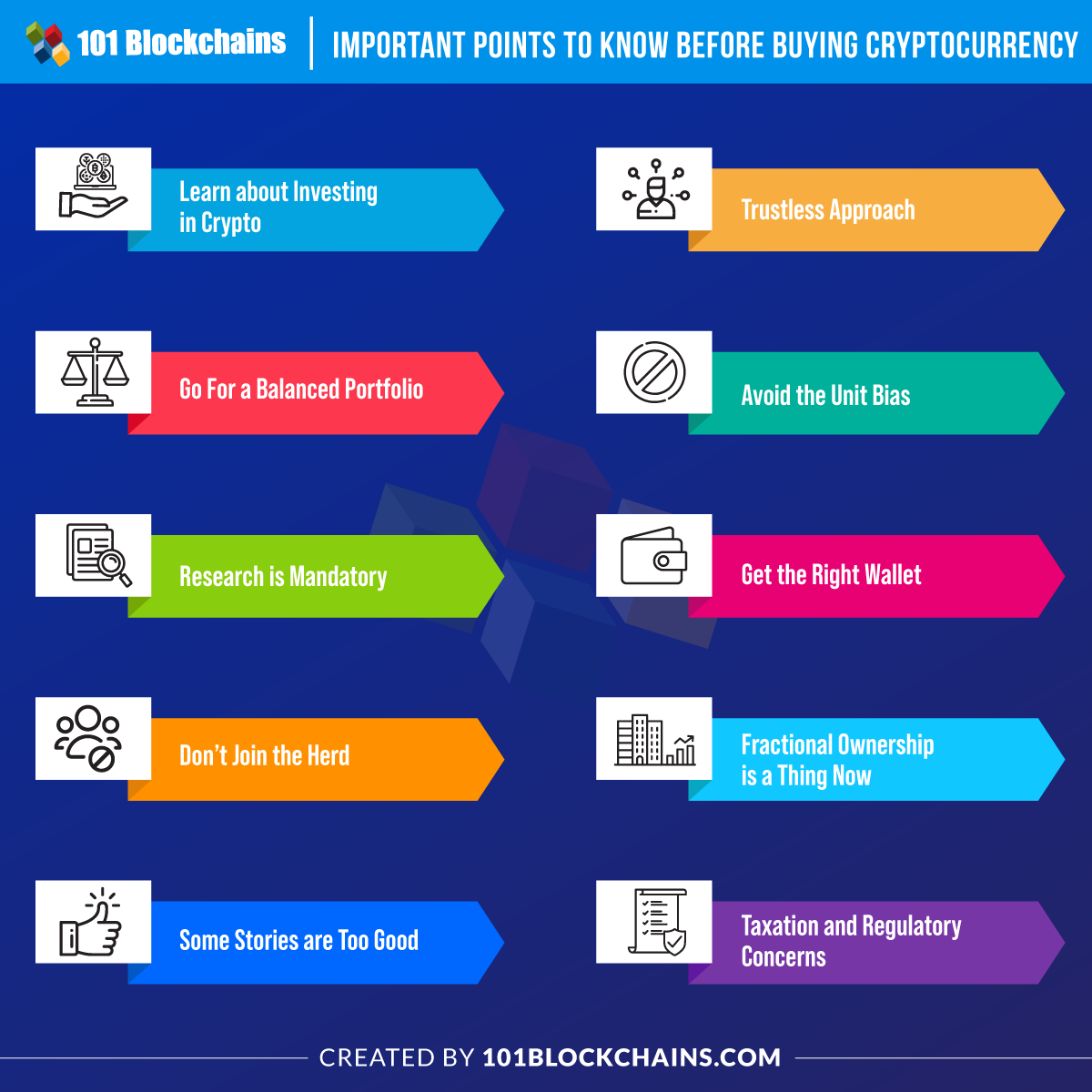
Successfully getting in on cryptocurrency requires moving beyond speculative gambling and toward structured investment methodologies. How you enter the market is often just as important as what you buy.
Dollar-Cost Averaging (DCA)
One of the most effective strategies for the digital asset market is Dollar-Cost Averaging. This involves investing a fixed amount of money at regular intervals, regardless of the asset’s price. For example, investing $200 every month. This strategy smooths out the purchase price over time, reducing the psychological stress of trying to “time the market” and ensuring that you accumulate more units when prices are low.
Diversification Beyond the Top Two
While Bitcoin and Ethereum should form the core of most portfolios, “getting in” also involves exploring the broader ecosystem. This includes “Altcoins” (alternative coins) which focus on specific niches like decentralized storage, oracle networks, or privacy. However, the risk profile increases significantly as you move down the market-cap ladder. A disciplined investor researches the whitepapers, the development team, and the tokenomics (the economic model of the coin) before diversifying into smaller projects.
Staking and Passive Income
The transition of many blockchains to “Proof of Stake” has opened new avenues for income. By “staking” your assets—effectively locking them up to support network security—you can earn rewards in the form of additional tokens. This is comparable to earning dividends on a stock or interest in a high-yield savings account. Yield-generating strategies can significantly enhance long-term returns, especially in a flat or trending market.
Navigating the Regulatory and Tax Landscape
Cryptocurrency is no longer a “wild west” in the eyes of the law. As the market matures, regulatory oversight has increased, and tax authorities have become more sophisticated in their tracking methods.
Understanding Tax Obligations
In many jurisdictions, including the United States, cryptocurrency is treated as property. This means every “disposal”—whether you are selling crypto for fiat, trading one coin for another, or even using crypto to buy a cup of coffee—is a taxable event. Capital gains taxes apply to the difference between your “cost basis” (what you paid) and the fair market value at the time of the sale. Keeping meticulous records or using specialized crypto tax software is non-negotiable for anyone looking to enter the space professionally.
Regulatory Compliance and KYC
To prevent money laundering and fraud, reputable exchanges require “Know Your Customer” (KYC) documentation. This involves providing government-issued identification. While some decentralized platforms allow for permissionless trading, getting in via traditional financial channels will almost always require identity verification. Embracing these compliant platforms provides a layer of legal protection and ensures your ability to eventually off-ramp your gains back into the traditional banking system.
The Impact of Institutional Adoption
The landscape changed significantly with the approval of Spot Bitcoin ETFs (Exchange-Traded Funds). This allows investors to gain exposure to Bitcoin through traditional brokerage accounts without the need to manage private keys or set up digital wallets. For many, this is the safest and most convenient way to “get in,” as it brings crypto into the familiar environment of 401(k)s and IRAs, backed by the security of major financial institutions like BlackRock or Fidelity.
Maximizing Returns through Continuous Education
The final step in getting in on cryptocurrency is recognizing that this is a dynamic, rapidly evolving market. Unlike the traditional stock market, which operates on set hours, the crypto market is open 24/7, 365 days a year.
Evaluating Fundamentals
Investing in crypto requires a shift from looking at quarterly earnings reports to looking at on-chain data. Metrics such as “Total Value Locked” (TVL), “Daily Active Users,” and “Transaction Volume” provide a real-time look at the health and adoption of a specific network. Learning to interpret these data points allows an investor to separate hype from genuine utility.
Networking and Information Hygiene
The crypto space is rife with misinformation and “influencer” hype. To stay informed, follow reputable financial news outlets, read primary sources like project whitepapers, and engage with professional communities. Understanding the “macro” environment—such as interest rate hikes by the Federal Reserve—is also vital, as digital assets have shown a high correlation with global liquidity trends.

The Long-Term Vision
Getting in on cryptocurrency should be viewed as a long-term play. The technology behind these assets—blockchain—is being integrated into supply chains, voting systems, and global payments. By positioning yourself now, you are not just buying a digital token; you are acquiring a stake in the future infrastructure of the global economy. Patience, education, and a commitment to security are the three pillars that will define your success in this burgeoning financial frontier.
aViewFromTheCave is a participant in the Amazon Services LLC Associates Program, an affiliate advertising program designed to provide a means for sites to earn advertising fees by advertising and linking to Amazon.com. Amazon, the Amazon logo, AmazonSupply, and the AmazonSupply logo are trademarks of Amazon.com, Inc. or its affiliates. As an Amazon Associate we earn affiliate commissions from qualifying purchases.