
Managing personal finances in the modern era requires a multifaceted approach that extends far beyond traditional budgeting and investing. One of the most significant and often unpredictable drains on a household budget is the cost of healthcare, specifically prescription medications. With the volatility of drug pricing and the complexities of insurance tiers, savvy consumers are increasingly turning to financial tools designed to bypass traditional markups. GoodRx has emerged as a cornerstone in this strategy, offering a free platform that can significantly reduce out-of-pocket expenses.
Getting a GoodRx card is not merely a matter of signing up for a discount; it is a strategic move to regain control over your healthcare expenditures. Whether you are uninsured, underinsured, or simply dealing with a high-deductible plan, understanding how to obtain and effectively use this tool is essential for maintaining fiscal health.
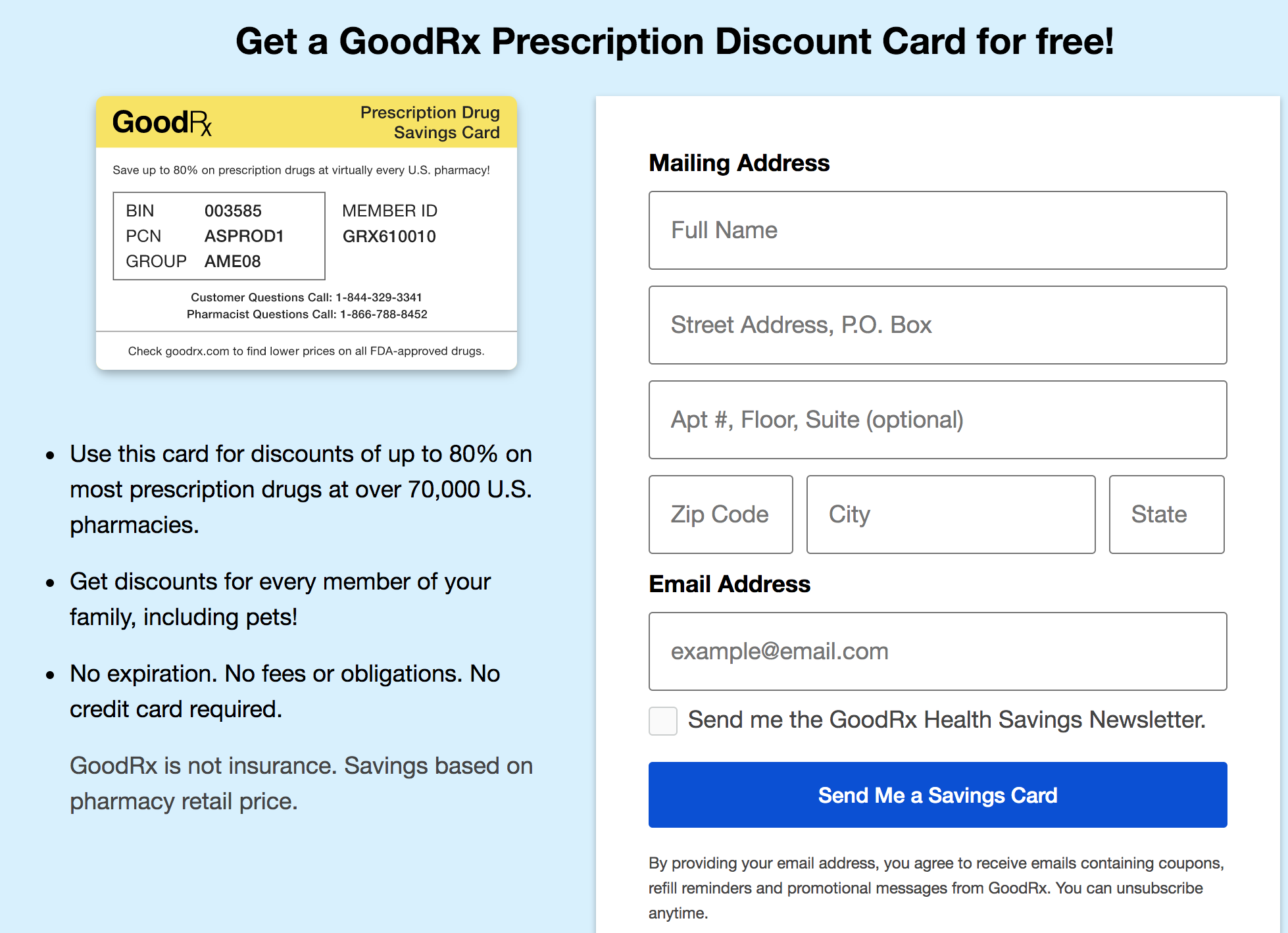
Step-by-Step Instructions for Obtaining Your GoodRx Card
The process of securing a GoodRx card is designed to be frictionless, acknowledging that financial barriers to medication often require immediate solutions. Unlike traditional insurance, there is no enrollment period, no premium, and no eligibility requirement based on income or employment.
Accessing the Digital Card Instantly
For most users, the fastest and most efficient way to “get” a card is through digital means. The GoodRx mobile application, available for both iOS and Android, serves as a dynamic, real-time discount card.
-
Download the App: Search for “GoodRx” in your device’s app store.
-
Locate Your Medication: Use the search bar to enter the name of your prescription, dosage, and quantity.
-
Compare Prices: The app will display a list of pharmacies in your area and the discounted price available at each.
-
Show the Coupon: Once you select a pharmacy, a digital coupon—which functions as your “card” for that specific transaction—will appear. You simply show this to the pharmacist.
Requesting a Physical Savings Card
While digital access is preferred for its real-time price updates, many individuals prefer a physical card to keep in their wallet for consistent use. To obtain a permanent physical card:
-
Visit the Website: Navigate to the official GoodRx website.
-
Request by Mail: Look for the “Discount Card” section, usually located in the footer or under the “Coupons” menu. You can enter your mailing address to have a plastic card sent to your home free of charge.
-
Print a Temporary Version: If you need a physical copy immediately but cannot wait for the mail, the website provides a “Print Card” option. This generates a PDF that contains the necessary BIN, PCN, and Group numbers that a pharmacist needs to process your discount.
Texting or Emailing the Card
For those who may not want to download an additional app, GoodRx allows you to send a discount card to your phone via SMS or to your inbox. This ensures that you have a record of the discount codes saved in your messages, which can be retrieved at the pharmacy counter without needing an active data connection to the app.
The Financial Impact of Prescription Savings Tools
In the context of personal finance, a GoodRx card acts as a hedge against the opaque pricing models of Pharmacy Benefit Managers (PBMs). Understanding why this tool exists and how it generates savings is key to incorporating it into a broader financial strategy.
The Economics of Prescription Pricing
The price you see at the pharmacy counter is rarely the actual cost of the drug. It is a result of complex negotiations between manufacturers, wholesalers, and insurance companies. Often, the “cash price” (the price paid without insurance) is artificially inflated. GoodRx aggregates the negotiated rates that are typically reserved for large insurance pools and makes them available to the individual consumer. By using a GoodRx card, you are essentially “opting out” of your insurance’s negotiated rate in favor of a lower, third-party negotiated rate.
Gap Coverage for High-Deductible Plans
One of the most effective ways to use a GoodRx card is as a bridge for high-deductible health plans (HDHPs). If your insurance requires you to pay several thousand dollars out of pocket before coverage kicks in, paying the “insurance price” for prescriptions can be a significant financial burden. In many cases, the GoodRx price is lower than the price your insurance company has negotiated. By using the card, you save immediate cash, though it is important to note that these payments usually do not count toward your insurance deductible. This creates a strategic choice: pay more now to reach your deductible faster, or save cash immediately to maintain liquidity.
Geographic Arbitrage in Healthcare
Drug prices can vary by over 100% between pharmacies located on the same street. The GoodRx platform allows for a form of “geographic arbitrage,” where you can identify which specific retail locations (e.g., CVS, Walgreens, Costco, or local independents) offer the lowest price for your specific medication. For long-term financial planning, choosing a pharmacy based on GoodRx data rather than proximity can result in savings of hundreds or even thousands of dollars annually.

Strategic Financial Planning: GoodRx Gold vs. The Free Version
For individuals and families with high monthly medication requirements, the standard free GoodRx card may only be the starting point. GoodRx Gold is a subscription-based tier that requires a more nuanced cost-benefit analysis.
Evaluating the ROI of a Paid Subscription
GoodRx Gold carries a monthly fee (currently ranging from approximately $9.99 for individuals to $19.99 for families). To determine if this is a sound financial move, you must calculate your “break-even point.”
-
The Calculation: Sum your current monthly prescription costs using the free GoodRx card. Compare this to the projected costs under the Gold plan plus the subscription fee.
-
The Benefit: Gold often provides even steeper discounts—up to 90% off—and includes perks like $0 mail-delivery prescriptions and discounted telehealth visits. If the additional savings exceed the monthly fee, the Gold card becomes a high-yield investment in your personal health budget.
Family Plans and Cumulative Savings
The family tier of GoodRx Gold is particularly effective for households with multiple members on maintenance medications. Because one subscription covers up to six people (including pets, which often use human-grade medications at a high cost), the per-person cost of the subscription drops significantly. This is a classic example of scaling your financial tools to meet the needs of a larger unit, ensuring that healthcare costs do not erode the family’s savings or investment goals.
Leveraging GoodRx Within Your Broader Financial Portfolio
Integrating a GoodRx card into your financial life involves more than just showing a coupon at a register. It requires understanding how it interacts with other financial vehicles like Health Savings Accounts (HSAs) and Flexible Spending Accounts (FSAs).
HSA and FSA Compatibility
One of the most common questions from a financial perspective is whether GoodRx purchases are “qualified medical expenses.” The answer is generally yes. Even if you do not use your insurance to process the prescription, you can still use your HSA or FSA debit card to pay the GoodRx price. Alternatively, you can pay with a personal credit card (to earn rewards or points) and then reimburse yourself from your HSA. This allows you to combine the immediate savings of the GoodRx card with the triple-tax advantage of an HSA, maximizing the efficiency of every dollar spent on healthcare.
Using Price Comparison as a Negotiating Tool
A GoodRx card provides you with data, and in finance, data is leverage. If you prefer using a specific local pharmacy that isn’t showing the lowest price on the app, you can often show the pharmacist the GoodRx price and ask if they can match it. While not all pharmacies will do this, many independent pharmacists are willing to negotiate to keep your business. This prevents the “switching cost” of moving your records to a different pharmacy while still securing a lower price point.
The Opportunity Cost of Insurance
In some instances, the GoodRx price is so low that it is cheaper than a standard insurance co-pay. This presents a unique opportunity to save money even when you have “good” insurance. Always check the GoodRx price against your co-pay. If your co-pay is $20 but the GoodRx price is $12, using the card is a 40% savings on that specific line item. Over a year, these small wins contribute to a more robust emergency fund or increased contributions to retirement accounts.
Common Misconceptions and Financial Best Practices
To fully benefit from a GoodRx card, one must navigate the nuances of the pharmaceutical industry with a professional, informed mindset.
The “Insurance vs. Discount” Choice
It is a common misconception that you can “stack” GoodRx with insurance. You must choose one or the other for each specific transaction. From a financial management standpoint, this means you need to be organized. Keep a log of your prescriptions and the lowest prices found via GoodRx. When you arrive at the pharmacy, be prepared to tell the technician, “I would like to use this discount card instead of my insurance for this refill.” Being proactive prevents the pharmacy from automatically billing your insurance at a higher rate.
Data Privacy and the Value of Your Information
In the modern economy, “free” tools often come with the cost of personal data. GoodRx is a business, and they do collect data on drug searches. For the financially conscious consumer, it is worth reviewing their privacy policy. However, for most, the tangible financial benefit of saving $50 or $100 on a monthly medication outweighs the abstract concern of data anonymization, especially when compared to the data sharing already inherent in the traditional insurance and PBM system.

Long-Term Health Budgeting
Finally, getting a GoodRx card should be part of an annual healthcare audit. Just as you would review your investment portfolio or your insurance premiums once a year, you should review your recurring prescription costs. Prices on GoodRx can fluctuate based on new contracts and pharmacy updates. Re-checking the app every few months ensures that you are always using the most efficient “card” or coupon available, keeping your healthcare spending optimized and your personal bottom line protected.
aViewFromTheCave is a participant in the Amazon Services LLC Associates Program, an affiliate advertising program designed to provide a means for sites to earn advertising fees by advertising and linking to Amazon.com. Amazon, the Amazon logo, AmazonSupply, and the AmazonSupply logo are trademarks of Amazon.com, Inc. or its affiliates. As an Amazon Associate we earn affiliate commissions from qualifying purchases.