
In an increasingly interconnected world, travel has become more accessible than ever, yet the financial outlay for flights remains one of the most significant barriers for many aspiring adventurers and business travelers alike. The pursuit of the “good deal” on flights isn’t merely about finding a cheap ticket; it’s a strategic exercise in personal finance, a meticulous optimization of resources that can profoundly impact one’s overall travel budget and, by extension, the quality of the travel experience itself. This guide delves into the astute financial strategies, tools, and mindset required to consistently secure exceptional flight deals, transforming travel from an expensive luxury into an achievable, budget-friendly endeavor. By focusing on the economic levers available to every traveler, we aim to equip you with the knowledge to make financially intelligent choices, ensuring your hard-earned money stretches further, whether for a weekend getaway or an epic round-the-world journey.
The Financial Imperative: Why Flight Deals Matter
Understanding the economic underpinnings of flight pricing and the tangible benefits of securing a good deal is the first step towards becoming a financially savvy traveler. It’s not just about saving a few dollars; it’s about strategic financial planning that opens doors to more experiences, better accommodations, or simply a healthier savings account.
Understanding the True Cost of Travel
Many travelers fixate solely on the sticker price of a flight, overlooking the cumulative financial impact of all travel components. A flight, while often the largest single expense, is just one piece of the puzzle. When you significantly reduce the cost of your airfare, you effectively lower the “true cost” of your entire trip. This fundamental principle underpins all smart travel finance. A $200 saving on a flight doesn’t just mean you have $200 more in your pocket; it means you have $200 that can be allocated to a superior hotel, a memorable dining experience, an extra excursion, or even extending your stay. This holistic view of travel finance is critical for making informed decisions. It allows you to see how a financially prudent approach to airfare can unlock value across your entire travel itinerary, maximizing the return on your investment in the experience.
Reallocating Savings for Enhanced Experiences
The beauty of securing a great flight deal lies in its ripple effect across your travel budget. Imagine saving $300 on your flight to Rome. That $300 isn’t just saved; it’s liberated. It can now fund an extra night in a boutique hotel, a private walking tour of the Colosseum, a culinary class teaching you to make authentic pasta, or a high-speed train ticket to Florence for a day trip. This strategic reallocation of funds transforms a basic trip into an enriched, more memorable adventure. For budget-conscious travelers, these savings might mean the difference between traveling and not traveling at all, making a dream vacation financially viable. For those with a more flexible budget, it means upgrading from economy to premium economy, or indulging in experiences that would otherwise be out of reach, all without increasing their total travel expenditure. This financial flexibility is the ultimate goal of deal-seeking.
The Long-Term Financial Benefits of Frugal Travel
Consistently securing good deals on flights contributes significantly to long-term personal financial health. For frequent travelers, these savings compound over time, potentially saving thousands of dollars annually. This money can then be invested, put towards a down payment on a home, or used to build an emergency fund. Beyond direct monetary savings, the habit of financially astute travel planning fosters a broader sense of financial discipline and awareness. It teaches travelers to research, compare, and make value-driven decisions, skills that are transferable to all aspects of personal finance. Moreover, it allows individuals to satisfy their wanderlust without compromising their financial stability or future goals, demonstrating that enriching life experiences and sound financial management are not mutually exclusive but can, in fact, be synergistic.
Strategic Planning: Timing Your Purchases for Maximum Savings
Timing is not merely a suggestion when it comes to booking flights; it is a critical determinant of price. Understanding the intricate dynamics of airline pricing models and how they respond to demand, seasonality, and advance booking windows is fundamental to securing the best financial outcomes.
The Golden Window: When to Book Domestic vs. International
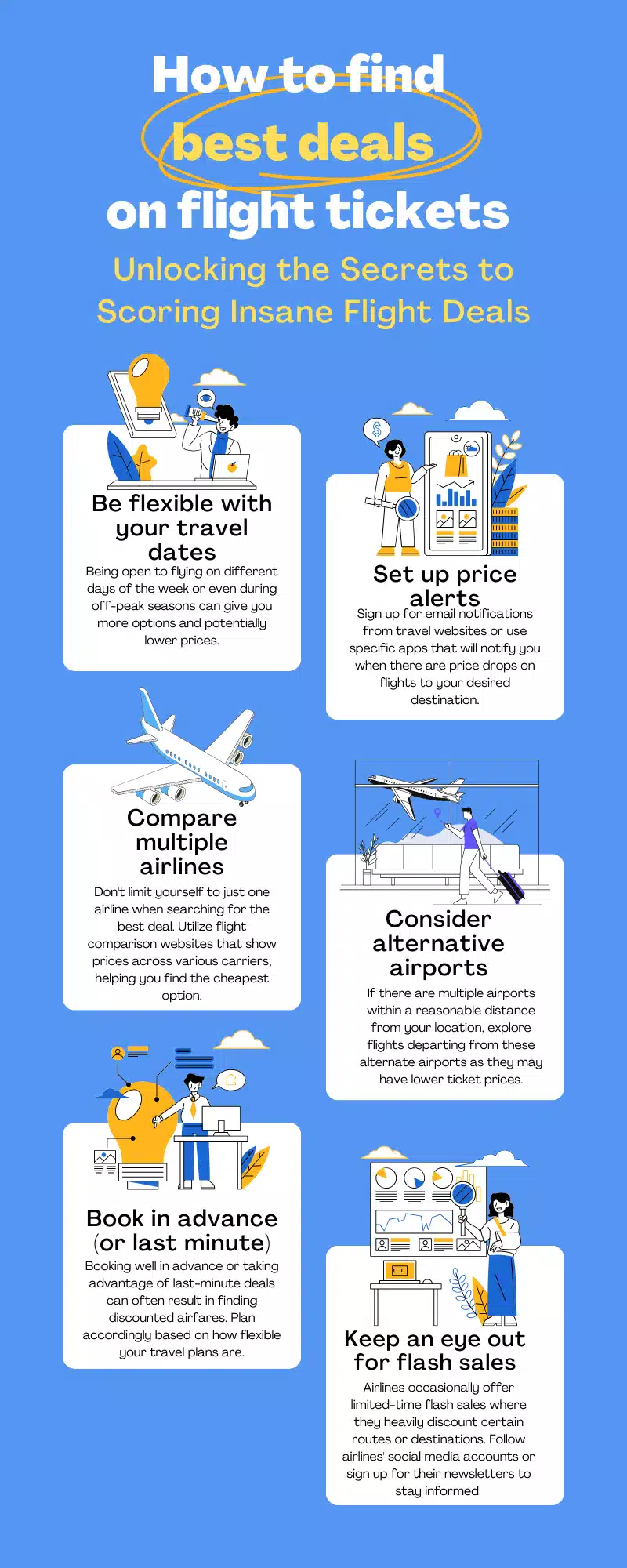
Airlines employ sophisticated algorithms that dynamically adjust prices based on a multitude of factors, but a predictable pattern often emerges regarding optimal booking windows. For domestic flights, the “golden window” for securing the best deals typically falls between 1 to 4 months before departure, with the sweet spot often being around 70 days out. Booking too early (more than 4-5 months in advance) can often result in higher prices as airlines test the market, while booking too late (within 3 weeks) almost guarantees a premium, as remaining seats become scarce and are priced for urgent travelers.
For international flights, the booking window extends significantly due to higher demand volatility and longer lead times. The optimal period is usually 3 to 8 months in advance, though some sources suggest up to 11 months for peak season travel. Airlines release their cheapest fares early to fill seats, gradually increasing prices as the departure date approaches. Deviating from these windows without a compelling reason often translates directly into higher costs, illustrating the financial importance of advance planning.
Leveraging Off-Peak Seasons and Shoulder Months
One of the most effective strategies for significant financial savings is to travel during off-peak seasons or “shoulder months.” Peak seasons, typically summer holidays, major festivals, and school breaks, see a surge in demand, allowing airlines to command premium prices. Conversely, off-peak periods, such as late fall (excluding Thanksgiving/Christmas) or early spring, often present substantially lower fares.
Shoulder months, which sit just outside the peak, like May and September for many destinations, offer a dual advantage: more palatable weather than the deep off-season and considerably lower prices than peak. This strategy requires flexibility in timing but can yield hundreds, if not thousands, of dollars in savings, directly impacting your overall travel budget. By shifting your travel dates by just a few weeks, you can tap into a market where airlines are more eager to fill seats, translating to a direct financial benefit for the traveler.
The Myth of Last-Minute Bargains (and when they actually exist)
The romantic notion of scooping up a last-minute flight deal is largely a relic of a bygone era. Modern revenue management systems ensure that airlines maximize profit on every seat, and empty seats close to departure are often priced at a premium for business travelers or those with urgent needs, rather than discounted. Generally, booking within two weeks of departure is a financially detrimental decision, leading to significantly inflated prices.
However, rare exceptions exist. Occasionally, airlines might drop prices on very specific, less popular routes or on flights with an unusually high number of unsold seats to avoid flying empty. These “distress sales” are infrequent and difficult to predict. Furthermore, standby tickets are almost non-existent for financial savings unless you are an airline employee or have a specific travel benefit. For the financially prudent traveler, relying on last-minute miracles is a high-risk strategy that rarely pays off; consistent planning within the golden window remains the most reliable path to savings.
Flexibility as Your Financial Superpower
In the realm of flight deals, flexibility is synonymous with financial advantage. Travelers who are flexible with their dates, times, and even destinations often unlock the deepest discounts. Being able to depart on a Tuesday instead of a Friday, fly at dawn instead of midday, or consider an alternative airport within a reasonable distance can drastically alter ticket prices. Airlines often price flights based on demand patterns, with peak travel days (weekends, specific holidays) and popular flight times (mid-morning, late afternoon) commanding higher fares.
Leveraging tools that allow you to search for flights across an entire month (“flexible dates”) or to multiple nearby airports can reveal price disparities that fixed-date searches would miss. For those without rigid schedules, this flexibility becomes a powerful financial tool, allowing them to adapt their plans to where the best value lies, effectively shifting the power dynamic from the airline to the consumer.
Smart Searching: Employing Financial Tools and Tactics
The digital age has revolutionized the way we search for flights, offering a plethora of tools and tactics that, when used wisely, can significantly enhance your ability to find financially attractive deals. Mastering these resources is crucial for the modern, budget-conscious traveler.
Mastering Flight Comparison Websites and Aggregators
Flight comparison websites and aggregators (e.g., Google Flights, Skyscanner, Kayak, Expedia, Momondo) are indispensable tools for identifying flight deals. These platforms scour thousands of online travel agencies (OTAs) and airline websites, presenting you with a consolidated view of available flights and prices. However, mastery isn’t just about using them; it’s about using them strategically.
- Filter judiciously: Use filters for layover times, airlines, and airports to quickly narrow down options that align with your financial and comfort parameters.
- Explore “Everywhere” options: Many aggregators allow you to search for flights to “Everywhere” from your home airport, revealing unexpected cheap destinations. This is a fantastic financial strategy for travelers open to new experiences where the destination is secondary to the deal.
- Be aware of direct vs. OTA bookings: While OTAs often display the cheapest initial price, always cross-reference with the airline’s direct website. Sometimes the airline matches the price, and booking direct can offer advantages in terms of customer service, change policies, and loyalty point accrual – factors that have their own financial implications if plans change.
Harnessing the Power of Price Alerts and Fare Trackers
In a volatile market where flight prices fluctuate constantly, actively monitoring fares can be tedious. This is where price alerts and fare trackers become invaluable financial assistants. Services like Google Flights, Skyscanner, and Hopper allow you to set up alerts for specific routes and dates. When the price for your desired flight drops, you receive an email or app notification, enabling you to act swiftly.
Hopper even uses predictive analytics to advise you on whether to “buy now” or “wait,” estimating future price movements with reasonable accuracy. For the financially savvy traveler, these tools automate the laborious process of market observation, ensuring you don’t miss a fleeting deal and can purchase at an opportune moment without constant manual checking. This passive yet proactive approach maximizes your chances of securing the best financial outcome.
Exploring Alternative Airports and Route Combinations
Geographic flexibility is a significant financial asset. Many major cities are served by multiple airports, and often, flying into or out of a smaller, secondary airport can yield substantial savings. For example, instead of flying directly into London Heathrow (LHR), consider Gatwick (LGW), Stansted (STN), or Luton (LTN). While these might require additional time and cost for ground transport to your final destination, the airfare savings can often outweigh these ancillary expenses, particularly for solo travelers or small groups.
Furthermore, exploring “hidden city” ticketing (booking a flight to a final destination with a layover in your desired city, and then simply disembarking at the layover) or “open-jaw” flights (flying into one city and out of another) can uncover unique, cheaper routing combinations. While hidden city ticketing can violate airline terms and conditions and carry risks (e.g., checked baggage may go to the final destination), the underlying principle of creative route combination remains a powerful financial tactic when used within airline rules.

The Art of Incognito Browsing and VPNs (Financial Implications)
A persistent myth in flight booking is that airlines track your searches and increase prices for routes you’ve repeatedly viewed. While direct evidence of this being a universal airline practice is scarce, some dynamic pricing models can adjust based on demand signals, which might include aggregated search behavior. To mitigate any perceived risk, or simply as a good financial hygiene practice, using incognito or private browsing mode (which prevents websites from storing cookies and cache data) can offer peace of mind.
More tangibly, using a Virtual Private Network (VPN) can sometimes uncover different pricing for the same flight. Airlines and OTAs may display different prices based on your geographical location (IP address), often due to regional demand, local taxes, or market-specific promotions. By connecting to a VPN server in a different country, you might see a lower price than what’s available from your home location. This is a more advanced financial tactic that requires experimentation, but it demonstrates the potential for geo-arbitrage in flight pricing.
Beyond the Ticket Price: Uncovering Hidden Value and Avoiding Extra Costs
The listed fare is rarely the final cost of a flight. A truly financially savvy traveler looks beyond the base price, meticulously accounting for ancillary fees, leveraging loyalty programs, and making informed choices about airline types to understand the true economic impact of their travel decisions.
Understanding Ancillary Fees: Baggage, Seat Selection, and More
In the era of unbundled fares, what initially appears to be a cheap flight can quickly inflate with various ancillary fees. Airlines increasingly charge for services that were once standard inclusions. The most common culprits include:
- Baggage Fees: Checked bags are almost universally extra, and even carry-on bags can incur a fee on ultra-low-cost carriers. Always check the airline’s baggage policy before booking and factor these costs into your total budget. Sometimes, a slightly more expensive flight on a full-service carrier that includes baggage might be cheaper overall than a budget airline fare plus baggage fees.
- Seat Selection Fees: Many airlines charge for advance seat assignments, particularly for desirable seats (exit rows, window/aisle). If you’re willing to be assigned a seat at check-in, you can often save this expense.
- Change/Cancellation Fees: These can be hefty, significantly eroding any initial savings if your plans are not firm. Always review the terms and conditions, and consider flexible tickets if your itinerary is prone to change, factoring the premium into your financial analysis.
- In-flight Services: Meals, drinks, blankets, and entertainment systems are often extra on budget airlines. Bring your own snacks and entertainment to avoid these unexpected costs.
Understanding and pre-calculating these potential additions is crucial for an accurate financial comparison of flight options.
Maximizing Loyalty Programs and Travel Credit Cards
For frequent flyers, loyalty programs and travel-specific credit cards represent a powerful financial tool. Earning miles or points through flying or credit card spending can lead to free flights, upgrades, or discounts, effectively reducing future travel costs.
- Airline Loyalty Programs: Joining an airline’s frequent flyer program is free and allows you to accrue miles even on infrequent travel. Consolidating your travel with a single airline or alliance can accelerate points accumulation, leading to greater financial rewards sooner.
- Travel Credit Cards: These cards often come with generous sign-up bonuses (enough for a free flight or significant savings), earn accelerated points on travel spending, and may offer perks like free checked bags, lounge access, or travel insurance. Carefully evaluate the annual fees against the value of the benefits, ensuring the financial return outweighs the cost. Strategically using these cards for everyday spending can turn routine expenses into future travel savings.
These programs transform spending into future value, making them indispensable components of financially intelligent travel.
The Economics of Layover Length and Stopover Strategies
Direct flights are typically the most convenient but often come with a premium price tag. Flights with layovers can offer substantial financial savings, but the length and location of these stops matter.
- Short Layovers (under 2 hours): While efficient for time, they carry a higher risk of missing a connecting flight due to delays, potentially incurring unforeseen financial costs for rebooking or overnight stays.
- Medium Layovers (2-6 hours): Often the sweet spot for balancing savings and safety. Enough time to comfortably transfer without excessive waiting.
- Long Layovers (6+ hours): Can be physically draining but also present an opportunity. Some airlines offer free or discounted hotel stays for very long international layovers. Alternatively, a “stopover” strategy involves intentionally booking a longer layover (e.g., 24-72 hours) to explore an additional city for little to no extra airfare cost, effectively getting two destinations for the price of one. This is a phenomenal financial value proposition, maximizing your travel investment.
Careful consideration of layover economics allows travelers to balance comfort, time, and financial savings.
Budget Airlines vs. Full-Service Carriers: A Cost-Benefit Analysis
The choice between a budget airline (e.g., Spirit, Ryanair, EasyJet) and a full-service carrier (e.g., United, British Airways, Lufthansa) is a classic financial dilemma. Budget airlines advertise incredibly low base fares, but their business model relies heavily on unbundling services and charging for every add-on.
- Budget Airlines: Ideal for short trips with minimal baggage, solo travelers, or those who can pack light. The financial advantage disappears quickly if you need checked bags, seat selection, in-flight meals, or have strict carry-on size requirements. Always calculate the total cost, including all potential fees, before concluding it’s the cheaper option.
- Full-Service Carriers: Often include checked baggage, meals, entertainment, and more flexible change policies in their base fare. While the initial ticket price might be higher, the all-inclusive nature can sometimes make them a more financially sound choice, especially for longer journeys or when traveling with family.
Performing a detailed cost-benefit analysis for your specific travel needs is essential to determine which airline type offers the best financial value for your particular trip.
Advanced Strategies for the Astute Financial Planner
For those looking to push the boundaries of flight deal-seeking, a few advanced strategies can unlock even greater financial savings, though they often come with higher complexity or a degree of risk.
The Open-Jaw and Multi-City Ticket Advantage
Traditional round-trip tickets are common, but financially astute travelers often look beyond them. An open-jaw ticket involves flying into one city and flying out of another, often within the same region (e.g., fly into Rome, depart from Venice). This can save money by eliminating the need to backtrack to your arrival city, saving on transportation costs and precious travel time.
Multi-city tickets allow for even more complex itineraries, booking several segments on one ticket (e.g., home to Paris, Paris to Rome, Rome to home). These can sometimes be cheaper than booking multiple one-way tickets and offer significant flexibility. Comparison websites typically have a “multi-city” search option. The financial benefit lies in optimizing routing, avoiding unnecessary segments, and potentially leveraging alliances for better pricing across different legs of a journey.
Error Fares and Glitch Prices: A High-Risk, High-Reward Pursuit
Occasionally, airlines or online travel agencies make mistakes in pricing flights, resulting in incredibly low “error fares” or “glitch prices” that are often a fraction of the normal cost. These can arise from currency conversion errors, manual input mistakes, or technical glitches.
- Finding Them: Dedicated deal websites and social media groups (e.g., Secret Flying, The Flight Deal) actively hunt for and publicize these fares.
- Acting Fast: Error fares are notoriously short-lived. If you find one, you must book immediately.
- The Risk: Airlines are not always obligated to honor error fares, especially if they are clearly a mistake. They may cancel your ticket and issue a refund. For this reason, it’s crucial to wait for confirmation from the airline that your ticket is truly issued (often 24-72 hours after booking) before making non-refundable hotel or activity reservations. This is a high-risk, high-reward financial play, best suited for flexible travelers who understand the potential for cancellation.
Group Travel Savings and Package Deals (When They Make Financial Sense)
Traveling in a group can sometimes unlock specific financial advantages, though it requires careful coordination. Airlines occasionally offer discounts for group bookings, particularly for 10 or more passengers on the same itinerary. While these aren’t always cheaper than individual bookings, they can simplify logistics and ensure everyone gets on the same flight.
Package deals (flight + hotel, or flight + hotel + car) offered by online travel agencies can also present significant savings. OTAs often get bulk rates from airlines and hotels, allowing them to bundle these at a lower price than booking each component separately. However, it’s crucial to always perform a “dummy booking” of the flight and hotel separately to ensure the package truly offers a financial advantage. Sometimes, the package simply bundles a mediocre hotel with a standard-priced flight, or the “savings” are exaggerated. When the components align with your preferences and the price is genuinely lower, package deals can be a smart financial move.

Utilizing Travel Insurance for Financial Protection
While not a direct method for getting a “deal” on a flight, travel insurance is an essential financial tool for protecting your investment, especially when dealing with non-refundable flights or expensive international trips. Unexpected events like illness, injury, flight cancellations, lost baggage, or even a sudden job loss can lead to significant financial losses if you have to cancel or alter your plans.
A comprehensive travel insurance policy mitigates these risks, offering reimbursement for expenses incurred due to covered events. This financial safety net can prevent a travel mishap from becoming a catastrophic financial burden. When evaluating policies, consider what’s covered, deductibles, and the overall cost. For frequent travelers, an annual multi-trip policy might be more cost-effective than purchasing individual policies for each trip. Viewing travel insurance as a necessary cost of financially responsible travel ensures your savings aren’t wiped out by unforeseen circumstances.
In conclusion, securing good deals on flights is far more than luck; it’s a deliberate financial strategy. By adopting a proactive, informed, and flexible approach, travelers can significantly reduce their airfare expenditures, freeing up capital to enhance their travel experiences or bolster their overall financial well-being. The principles of timing, smart searching, understanding hidden costs, and leveraging advanced financial tactics are the bedrock of becoming a truly savvy traveler.
aViewFromTheCave is a participant in the Amazon Services LLC Associates Program, an affiliate advertising program designed to provide a means for sites to earn advertising fees by advertising and linking to Amazon.com. Amazon, the Amazon logo, AmazonSupply, and the AmazonSupply logo are trademarks of Amazon.com, Inc. or its affiliates. As an Amazon Associate we earn affiliate commissions from qualifying purchases.