
In the dynamic world of entrepreneurship, a brilliant idea is often just the beginning. To transform that vision into a tangible, thriving business, startups invariably require capital. Funding isn’t merely about having enough money to pay bills; it’s the lifeblood that fuels innovation, scales operations, attracts talent, and ultimately, dictates the pace of growth and the likelihood of success. Without adequate financial resources, even the most groundbreaking concepts can wither on the vine.
Securing funding for a startup is a multifaceted challenge, demanding not only a compelling business proposition but also strategic planning, diligent preparation, and a deep understanding of the diverse financial avenues available. This comprehensive guide aims to demystify the startup funding landscape, offering insights and actionable strategies to help entrepreneurs navigate the journey from concept to capitalization. We’ll explore the various sources of capital, what investors truly seek, and the crucial steps involved in positioning your startup for financial backing.
Understanding the Startup Funding Landscape
Before embarking on the fundraising journey, it’s essential to grasp the fundamental distinctions in startup finance. The world of funding is not monolithic; it varies significantly based on your company’s stage, industry, and financial structure preferences.
Equity vs. Debt Financing
At its core, startup funding typically falls into two broad categories:
- Equity Financing: This involves selling a portion of your company’s ownership (equity) to investors in exchange for capital. Investors become shareholders and, in return for their financial risk, expect a share of future profits or an appreciation in the company’s valuation upon acquisition or IPO. Equity is often preferred by early-stage startups as it doesn’t require immediate repayment, providing founders with crucial breathing room to build and scale. However, it means giving up a piece of your company and potentially some control.
- Debt Financing: This involves borrowing money that must be repaid, typically with interest, within a specific timeframe. Common forms include traditional bank loans, lines of credit, or venture debt. While debt doesn’t dilute ownership, it introduces fixed repayment obligations, which can strain a nascent startup’s cash flow if revenue generation is slower than anticipated. It’s often more suitable for mature startups with predictable revenue streams or those needing capital for specific, easily measurable projects.
Early-Stage vs. Growth-Stage Funding
The type and source of funding often correlate with the startup’s lifecycle:
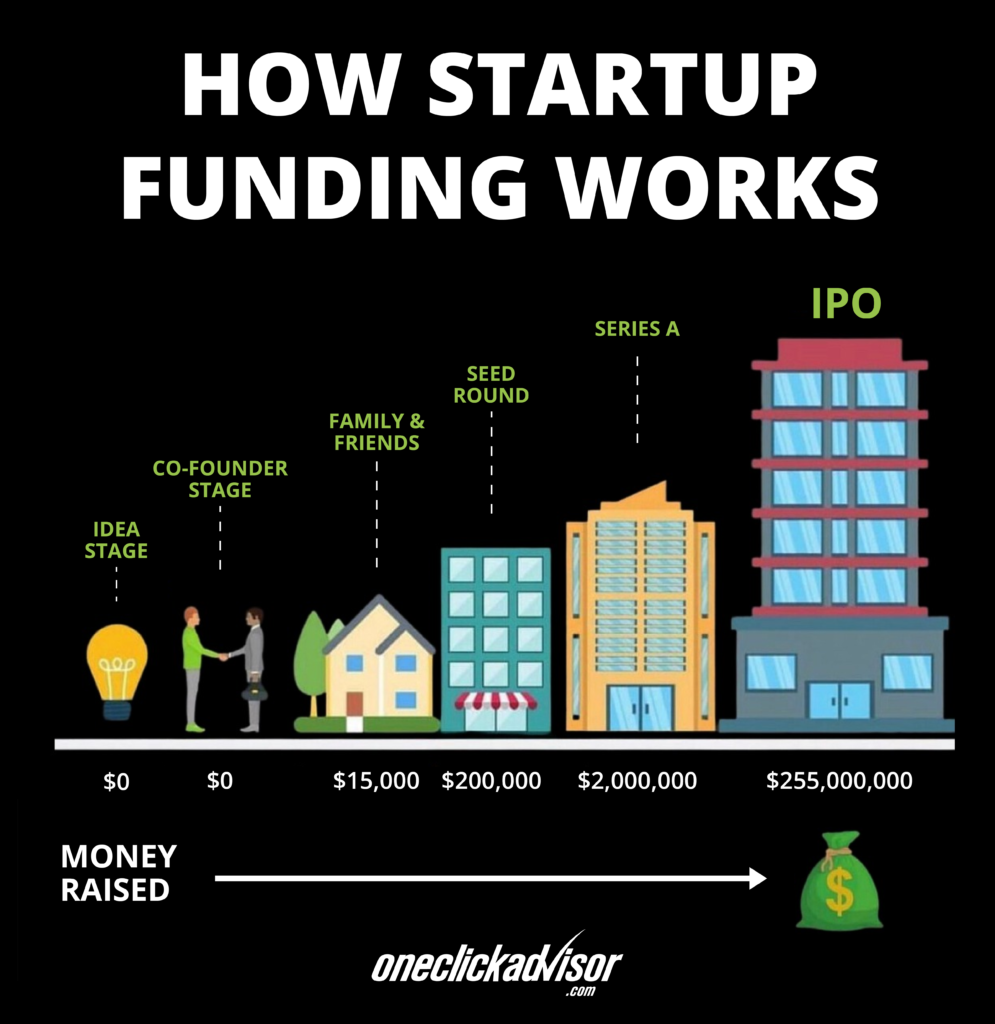
- Early-Stage (Seed & Angel): This capital is typically used to validate an idea, build a minimum viable product (MVP), conduct market research, and establish initial traction. Funding rounds at this stage are usually smaller and come from personal savings, friends and family, angel investors, or incubators/accelerators.
- Growth-Stage (Venture Capital Series A, B, C, etc.): As a startup demonstrates market validation, generates revenue, and proves its business model, it moves into growth stages. Larger rounds of funding, primarily from venture capital firms, are sought to scale operations, expand into new markets, hire key talent, and develop new products. Each subsequent “series” round (A, B, C, etc.) typically involves larger sums and higher company valuations.
Preparing Your Startup for Funding
Securing investment is a competitive endeavor. Investors are inundated with pitches, and only the most prepared and promising startups capture their attention. Thorough preparation is paramount to differentiating your venture.
Developing a Robust Business Plan
A meticulously crafted business plan is your startup’s roadmap and an investor’s initial due diligence document. It should clearly articulate:
- The Problem: What significant pain point or unmet need does your startup address?
- The Solution: How does your product or service uniquely solve this problem?
- Market Opportunity: The size of your target market, your ideal customer profile, and market trends.
- Competitive Landscape: Who are your competitors, what are their strengths/weaknesses, and what is your sustainable competitive advantage?
- Business Model: How will your company generate revenue and become profitable?
- Marketing & Sales Strategy: How will you acquire customers and grow your user base?
Building a Strong Team
Investors don’t just invest in ideas; they invest in people. A passionate, experienced, and well-rounded founding team is often the most critical factor. Highlight your team’s relevant expertise, industry knowledge, track record, and complementary skill sets. Demonstrate that you have the collective capability to execute your vision. If there are gaps, show how you plan to fill them with advisors or future hires.
Proving Market Validation and Traction
Talk is cheap; proof of concept is invaluable. Investors want to see evidence that your solution resonates with customers. This could include:
- Customer Feedback: Testimonials, surveys, pre-orders.
- User Engagement: Active users, retention rates, growth metrics.
- Early Revenue: Pilots, subscriptions, sales figures.
- Partnerships: Strategic alliances or letters of intent.
- Minimum Viable Product (MVP): A functional product demonstrating core features.
Any form of traction mitigates investor risk and validates your assumptions.
Financial Projections and Valuation
Present realistic and defensible financial projections (revenue, expenses, profitability) for the next 3-5 years. Back these projections with clear assumptions based on your market research and business model. Be prepared to discuss your startup’s valuation, understanding that early-stage valuations are often more art than science, influenced by market comparables, team quality, and perceived potential.
Key Funding Avenues for Startups
The path to funding isn’t singular; numerous avenues exist, each with its own characteristics and suitability for different stages and types of startups.
Bootstrapping and Personal Savings
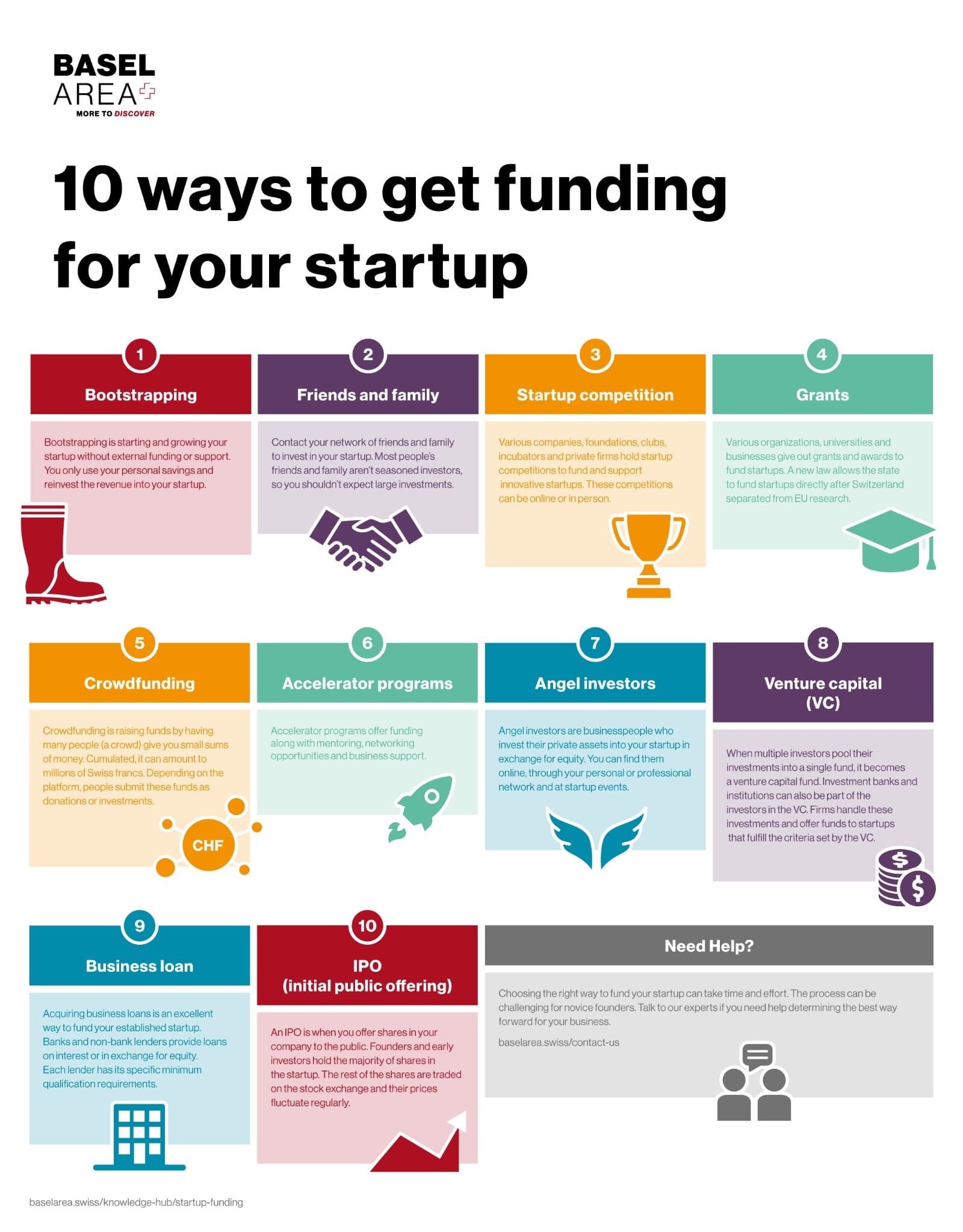
The leanest and often most empowering form of funding, bootstrapping involves self-funding your startup using personal savings, early revenue, or minimal external capital. It forces founders to be highly resourceful, prioritize efficiency, and maintain full ownership and control. While challenging, it proves a strong commitment and ability to execute.
Friends, Family, and Fools (FFF)
Often the first external capital source, FFF rounds involve securing investments from your immediate social circle. These investors typically believe in you more than the idea itself. While easier to obtain, it’s crucial to treat these investments professionally, formalizing terms with clear agreements to prevent future misunderstandings that could strain personal relationships.
Angel Investors
Angel investors are affluent individuals who provide capital for startups, usually in exchange for equity. They often bring not only money but also valuable industry experience, mentorship, and connections. Angels typically invest smaller amounts than VCs and are more amenable to earlier-stage companies. Finding them often involves networking, attending pitch events, or using angel investor platforms.
Venture Capital (VC) Firms
Venture Capital firms manage funds raised from institutional investors (like pension funds, endowments) and invest them into high-growth potential startups in exchange for significant equity. VCs usually invest larger sums in later-stage startups that have demonstrated traction and have a clear path to a substantial exit (acquisition or IPO). They often take an active role in guiding the company’s strategy and governance. Gaining VC attention requires a compelling pitch, substantial market opportunity, and a scalable business model.
Crowdfunding
Crowdfunding platforms (e.g., Kickstarter, Indiegogo for rewards-based; SeedInvest, Republic for equity-based) allow startups to raise capital from a large number of individuals, often for smaller amounts per person. Rewards-based crowdfunding pre-sells products or offers unique perks, while equity crowdfunding sells small stakes in the company. It’s an excellent way to validate demand, build a community, and raise capital simultaneously, though it requires a compelling campaign and significant marketing effort.
Grants and Competitions
Government agencies, foundations, and corporations offer non-dilutive funding through grants and startup competitions. This means you receive money without giving up equity. Grants often target specific industries (e.g., healthcare, clean tech) or innovations (e.g., R&D). Competitions offer prize money and valuable exposure. While highly competitive, these sources can provide significant capital without the pressure of investor expectations.
Debt Financing (Loans, Lines of Credit)
For startups with some operational history and predictable cash flow, traditional bank loans or lines of credit can be an option. Additionally, venture debt is a specialized loan product tailored for venture-backed companies, often used to extend runway between equity rounds or for specific capital expenditures. These require robust financial records and a strong credit profile.
Mastering the Fundraising Process
Even with a stellar product and a compelling team, securing funding requires navigating a structured process that can be time-consuming and demanding.
Crafting a Compelling Pitch Deck
Your pitch deck is often the first impression investors have of your startup. It should be a concise (10-15 slides), visually appealing narrative that covers the key elements of your business plan: problem, solution, market, product, business model, team, financials, and ask. Focus on storytelling, clarity, and demonstrating your passion.
Networking and Investor Relations
Fundraising is a relationship game. Actively network at industry events, conferences, and startup accelerators. Seek warm introductions to investors through your mentors, advisors, and existing network. Cultivate relationships even when you’re not actively fundraising, as trust and familiarity can significantly streamline the process when the time comes.
Due Diligence and Term Sheets
Once an investor expresses serious interest, they will initiate due diligence – a thorough examination of your financials, legal documents, market, and team. Be prepared to provide comprehensive documentation. If due diligence is successful, the investor will present a term sheet, outlining the proposed investment terms, valuation, equity stake, and investor rights. This is a critical document that requires careful review.
Negotiation and Closing the Deal
Term sheets are usually non-binding and represent a starting point for negotiation. This phase requires a clear understanding of legal and financial terms. It’s highly advisable to have experienced legal counsel specializing in startup finance to review and negotiate the term sheet and subsequent definitive agreements. The goal is to reach a mutually beneficial agreement that aligns with your startup’s long-term vision while protecting founder interests.
Beyond the Initial Funding: Growth and Sustainability
Securing funding is a significant milestone, but it’s not the finish line. How you manage and deploy that capital determines your startup’s trajectory and future funding prospects.
Managing Investor Relations
Maintain transparent and proactive communication with your investors. Provide regular updates on progress, challenges, and milestones. Treat them as partners; their advice, connections, and support can be invaluable. Strong investor relations are crucial for potential future funding rounds and for navigating difficult periods.
Strategic Use of Funds
Every dollar raised must be used strategically. Create a detailed budget and allocate funds toward key growth initiatives: product development, market expansion, talent acquisition, and operational scaling. Avoid frivolous spending and constantly evaluate the ROI of your investments. Mismanagement of funds can quickly lead to burning through capital without achieving desired milestones.
Planning for Future Rounds
Startup growth is often a series of funding rounds. Even as you close one round, begin thinking about the next. What milestones will you need to achieve to attract Series A or Series B investors? What valuation will you target? A long-term funding strategy ensures that your startup is always poised for the next stage of growth and never runs out of crucial runway.

Conclusion
Securing funding for a startup is an arduous yet rewarding journey that demands meticulous preparation, strategic thinking, and relentless execution. By understanding the different funding types, preparing your startup comprehensively, exploring diverse capital sources, and mastering the fundraising process, entrepreneurs can significantly enhance their chances of success. Remember, funding is not an end in itself, but a powerful tool to bring your vision to life, scale your impact, and build a truly transformative business. Approach it with professionalism, persistence, and a clear vision, and you’ll be well-positioned to attract the financial backing your startup needs to thrive.
aViewFromTheCave is a participant in the Amazon Services LLC Associates Program, an affiliate advertising program designed to provide a means for sites to earn advertising fees by advertising and linking to Amazon.com. Amazon, the Amazon logo, AmazonSupply, and the AmazonSupply logo are trademarks of Amazon.com, Inc. or its affiliates. As an Amazon Associate we earn affiliate commissions from qualifying purchases.