
Securing capital is often the most significant hurdle for entrepreneurs and established business owners alike. Whether you are launching a disruptive startup or looking to scale an existing enterprise, the infusion of financial resources is the fuel that drives innovation, operational expansion, and market penetration. However, the landscape of business finance is diverse and complex, ranging from traditional institutional lending to modern digital crowdfunding and private equity.
Navigating this terrain requires a deep understanding of your business’s financial health, a clear vision of your growth trajectory, and a strategic approach to selecting the right funding source. This guide explores the multifaceted world of business finance, providing actionable insights into how to position your company for successful funding.

1. Laying the Foundation: Assessing Financial Readiness
Before approaching any lender or investor, a business must demonstrate rigorous financial discipline and a clear path to profitability. Funding is rarely awarded to those who simply “need” money; it is granted to those who can prove they will use it to create more value.
Developing Robust Financial Projections
Investors and lenders operate on risk assessment. To mitigate their concerns, you must provide detailed financial projections for at least three to five years. This include pro forma income statements, balance sheets, and cash flow statements. These documents should not merely be optimistic guesses; they must be rooted in market research, historical data, and realistic assumptions about customer acquisition costs and churn rates.
The Importance of the Business Plan
A business plan serves as the roadmap for your financial journey. Within the context of funding, it must articulate your value proposition, competitive advantage, and executive team’s expertise. Most importantly, it should include a “Use of Funds” section. Clarity on whether the capital will be used for R&D, inventory, marketing, or hiring is crucial for building trust with financial partners.
Personal and Business Credit Profiles
In the realm of business finance, your creditworthiness is your reputation. For small businesses and startups, lenders often look at the founder’s personal credit score alongside the business’s credit history. Maintaining a high D&B (Dun & Bradstreet) score and a clean personal credit report is essential for securing favorable interest rates and higher credit limits.
2. Debt Financing: Leveraging Loans for Growth
Debt financing involves borrowing money that must be repaid over time, typically with interest. The primary advantage of debt is that it allows you to retain full ownership and control of your company. It is a preferred route for businesses with steady cash flow and tangible assets.
Traditional Bank Loans and Lines of Credit
Commercial banks remain a primary source of business capital. Term loans provide a lump sum for specific investments, such as equipment or real estate. Conversely, a business line of credit offers flexibility, allowing you to draw funds as needed to manage seasonal cash flow fluctuations. To qualify, banks typically require a solid track record, collateral, and a low debt-to-income ratio.
SBA-Guaranteed Loans
For businesses that might not qualify for conventional bank loans, the U.S. Small Business Administration (SBA) offers various loan programs. The SBA does not lend money directly; instead, it guarantees a portion of the loan provided by participating lenders. The 7(a) program is the most popular for general working capital, while the 504 program is designed for major fixed asset purchases. These loans often feature lower down payments and longer repayment terms.
Asset-Based Lending and Microloans
If your business lacks a long credit history but holds significant inventory or accounts receivable, asset-based lending can be an effective solution. This allows you to borrow against your assets. For very small startups or side hustles, microloans—often provided by non-profit community lenders—offer smaller amounts of capital (usually up to $50,000) accompanied by business coaching and technical assistance.
3. Equity Financing: Partnering with Investors
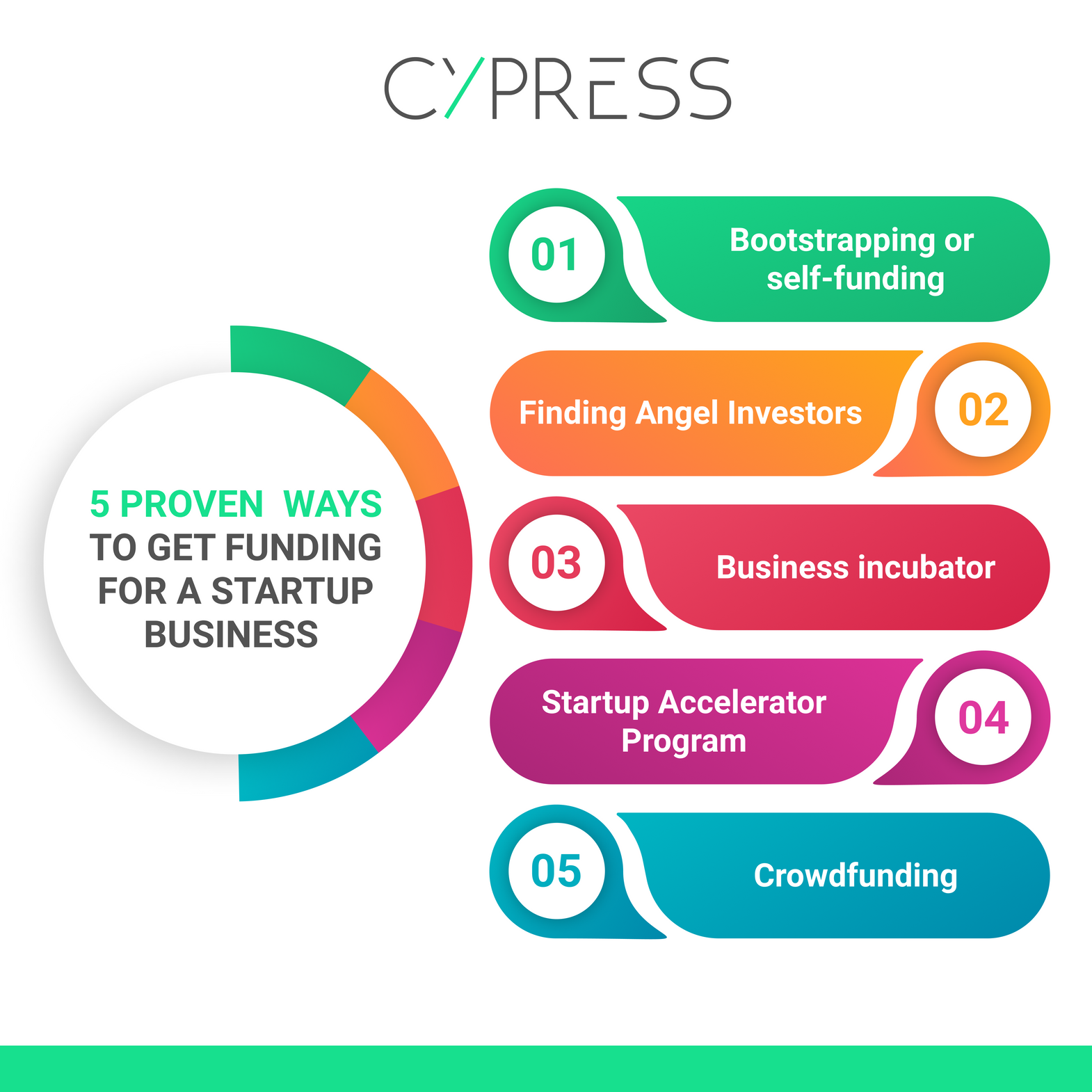
Equity financing involves selling a portion of your business to an investor in exchange for capital. While this means diluting your ownership, it provides the benefit of “smart money”—access to the investor’s network, expertise, and mentorship without the burden of monthly debt repayments.
Angel Investors: The Seed Stage Catalysts
Angel investors are typically high-net-worth individuals who invest their personal funds into early-stage startups. They are often former entrepreneurs themselves and are willing to take higher risks for potentially higher returns. Securing an “angel” often requires a compelling pitch deck and a prototype or “Minimum Viable Product” (MVP) that demonstrates market fit.
Venture Capital (VC) for High-Growth Scaling
Venture capital firms manage pooled funds from institutional investors to invest in companies with high growth potential. VC funding is usually structured in rounds: Seed, Series A, B, and C. Because VCs seek exponential returns, they focus on businesses that can scale rapidly, such as those in SaaS, biotech, or fintech. Be prepared for rigorous due diligence and the expectation of an eventual “exit” via acquisition or IPO.
Equity Crowdfunding
Modern financial regulations have opened the door for equity crowdfunding, allowing a broad base of “non-accredited” investors to buy small stakes in a company via digital platforms. This method not only raises capital but also builds a loyal community of brand advocates. However, it requires significant marketing effort and transparency to manage a large pool of small shareholders.
4. Alternative and Creative Funding Sources
In today’s dynamic economy, traditional loans and equity are not the only paths. Creative financing models can provide the necessary liquidity without the rigid constraints of a bank or the equity loss of a VC.
Bootstrapping and Revenue-Based Financing
Bootstrapping is the process of self-funding a business through personal savings and early sales revenue. While slower, it ensures maximum control. For those who have moved past the initial phase, revenue-based financing (RBF) offers a middle ground. In RBF, investors provide capital in exchange for a percentage of ongoing gross revenues until a predetermined amount is repaid. This is ideal for high-margin businesses that want to avoid equity dilution.
Grants and Competitions
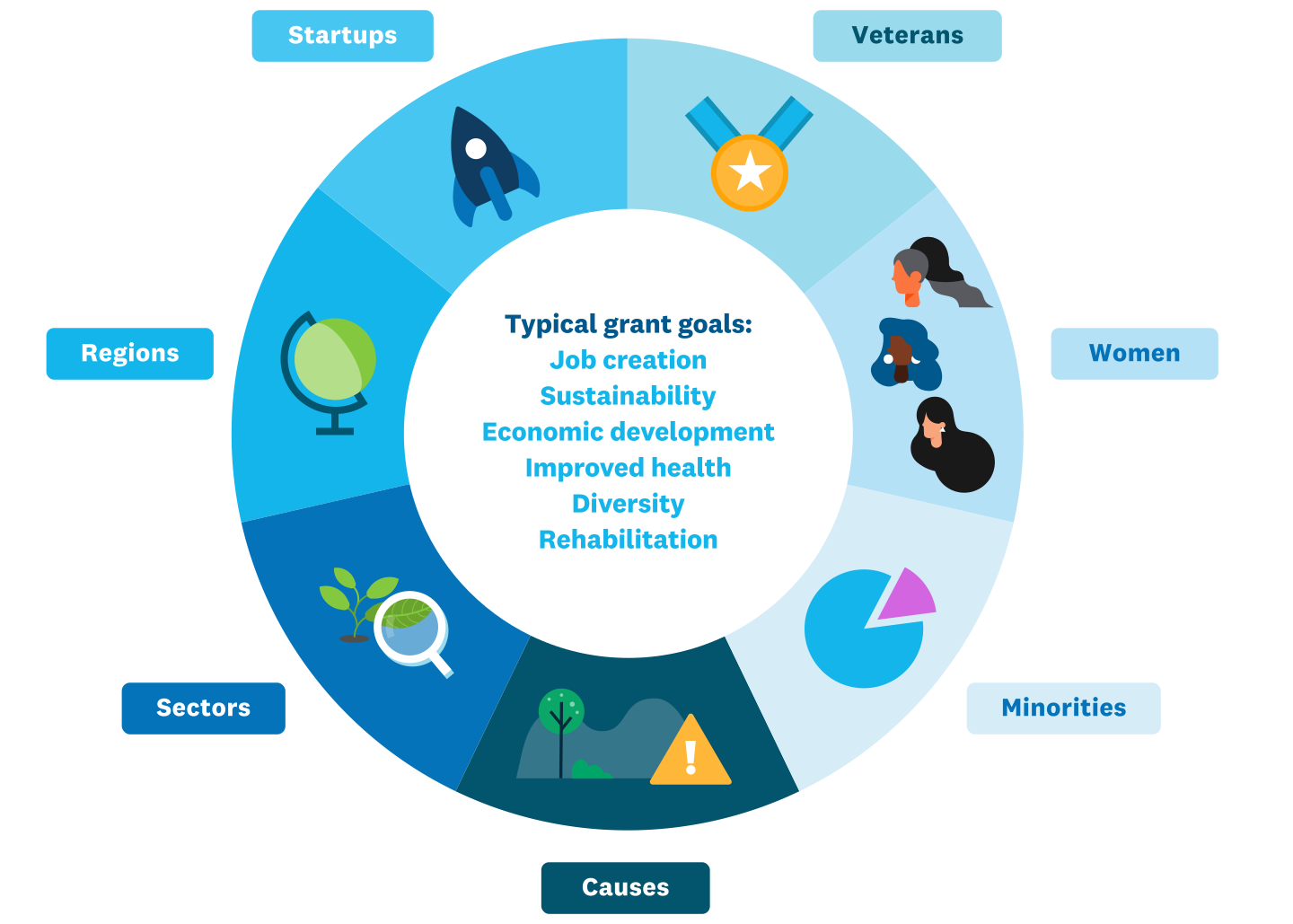
Non-dilutive funding, such as government grants (e.g., SBIR/STTR programs) or private corporate grants, is essentially “free” money. These are highly competitive and usually require the business to align with specific social, scientific, or economic goals. Additionally, pitch competitions hosted by universities or tech hubs can provide smaller cash prizes and valuable exposure to the financial community.
Equipment Leasing and Factoring
Rather than buying expensive machinery or technology upfront, equipment leasing allows you to use the assets for a monthly fee, preserving your cash for other operational needs. Similarly, invoice factoring involves selling your unpaid invoices to a third party at a discount. This provides immediate cash flow, which is particularly useful for B2B companies dealing with long payment cycles (net-60 or net-90 terms).
5. Navigating the Funding Process: Strategy and Execution
Obtaining funding is a marathon, not a sprint. Success depends on your ability to communicate your financial narrative and build relationships within the investment community.
Perfecting the Pitch Deck
Whether you are talking to a bank manager or a VC partner, your presentation must be professional and data-driven. A standard pitch deck should cover the problem, the solution, the market size, the business model, and the financial “ask.” It should highlight the “Return on Investment” (ROI) for the funder, showing exactly how their capital will lead to increased valuation or interest payments.
The Due Diligence Phase
Once a lender or investor expresses interest, you will enter the due diligence phase. This is an intensive investigation into your company’s legal, financial, and operational records. Ensure that your “data room” is organized, including tax returns, cap tables, employment contracts, and intellectual property filings. Any discrepancies found during this stage can terminate a deal instantly.
Negotiating Terms and Closing the Deal
Funding is more than just a check; it is a legal agreement. Pay close attention to the “Term Sheet.” In debt financing, watch for covenants (restrictions on how you run the business) and interest rate structures. In equity financing, be wary of liquidation preferences and board seat requirements. It is highly recommended to engage a financial advisor or a lawyer specializing in business finance to ensure the terms align with your long-term goals.
In conclusion, getting funding for a business requires a strategic blend of preparation, financial literacy, and persistence. By identifying whether debt, equity, or alternative financing best suits your business model, and by maintaining a standard of financial excellence, you can secure the capital necessary to turn your entrepreneurial vision into a sustainable and profitable reality.
aViewFromTheCave is a participant in the Amazon Services LLC Associates Program, an affiliate advertising program designed to provide a means for sites to earn advertising fees by advertising and linking to Amazon.com. Amazon, the Amazon logo, AmazonSupply, and the AmazonSupply logo are trademarks of Amazon.com, Inc. or its affiliates. As an Amazon Associate we earn affiliate commissions from qualifying purchases.