
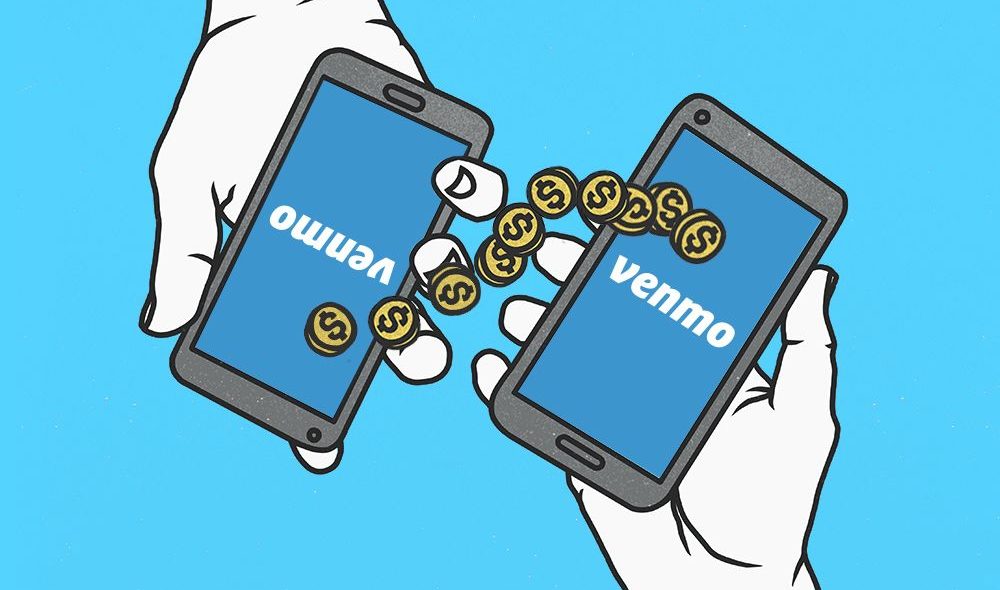
In an increasingly digital financial landscape, the concept of “free money” often conjures images of unrealistic schemes or outright scams. Yet, the desire to supplement one’s income or find clever financial advantages remains a universal pursuit. Venmo, a ubiquitous peer-to-peer payment platform, has become a central tool for millions of Americans to send, receive, and manage funds. While Venmo itself doesn’t hand out cash, it serves as a critical conduit for a multitude of legitimate strategies that can indeed lead to “free money”—or, more accurately, easily accessible earnings, rewards, and savings that flow directly into your digital wallet.

This article delves into the practical, ethical, and secure methods by which individuals can leverage Venmo, and platforms that integrate with it, to accumulate funds without traditional employment. We’ll explore avenues ranging from capitalizing on referral programs to strategically participating in the gig economy, all while maintaining a focus on smart financial practices. Understanding these mechanisms is not just about accumulating small sums; it’s about developing a strategic mindset towards personal finance, optimizing your digital transactions, and turning passive engagement into tangible monetary gain.
Demystifying “Free Money”: A Realistic Approach
The allure of “free money” is powerful, but it’s crucial to ground this concept in reality. In finance, truly “free” money is rare. What we often refer to as such are usually rewards, rebates, or earnings derived from minimal effort, smart consumer choices, or participation in specific programs. Venmo, at its core, is a payment service, not a charity. Its value lies in its seamless ability to facilitate the movement of money earned through various legitimate means.
What “Free” Really Means in the Digital Age
When we talk about “free Venmo money,” we’re discussing legitimate opportunities to earn, save, or receive funds that can be disbursed or managed through your Venmo account. This could involve cashback on purchases, rewards for referrals, earnings from micro-tasks, or payments for selling unused items. The “free” aspect often refers to money obtained without traditional labor commitments or significant upfront investment. It’s about optimizing existing behaviors and engaging with platforms that offer monetary incentives.
The Importance of Legitimate Strategies
The internet is rife with promises of instant riches, many of which are fraudulent. It is paramount to distinguish between genuine opportunities and scams. Legitimate methods for acquiring “free” money via Venmo typically involve known brands, established platforms, and transparent terms. Any offer that seems too good to be true, asks for personal banking details upfront (beyond what’s needed to link an account), or requires payment to receive winnings, should be viewed with extreme skepticism. Our focus here is exclusively on vetted, legal, and secure avenues.
Venmo’s Role as a Payment Gateway, Not a Giver
It’s essential to understand that Venmo’s primary function is as a digital wallet and peer-to-peer payment system. It simplifies transactions between individuals and businesses. While Venmo may occasionally run its own promotions or referral bonuses, its main utility in the context of “free money” is as a convenient destination for funds earned elsewhere. Think of it as the bank account for your digital side hustles and rewards, enabling quick access and easy spending or transfer.
Tapping into Cashback and Referral Programs
One of the most straightforward paths to “free Venmo money” involves leveraging existing financial products and engaging with digital programs that offer monetary incentives for certain actions. These methods often require minimal effort and can generate a consistent trickle of funds over time.
Venmo’s Own Referral Bonuses
Like many rapidly growing digital platforms, Venmo occasionally offers incentives for users to invite new members. These “referral bonuses” typically grant a small amount of money (e.g., $5-$10) to both the referrer and the new user once the latter completes a qualifying transaction. While these are usually one-off payments per referral, they can add up if you have a wide network of friends or family who haven’t yet joined Venmo. Always check Venmo’s current terms and conditions for any active referral programs, as they can change.
Linking Venmo to Cashback Credit Cards and Debit Cards
Many financial institutions offer credit cards and even some debit cards with cashback rewards. The strategy here is two-fold:
-
Use a cashback card for your everyday spending: Ensure your spending aligns with categories that earn high cashback (e.g., groceries, gas, dining).
-
Pay your friends or split bills via Venmo using your linked cashback card: If your card allows, you can link it to your Venmo account to fund payments. While Venmo might charge a small fee for credit card transactions, using a debit card or bank account typically incurs no fee. The goal is to accumulate cashback from your credit card usage, which effectively becomes “free money” that can then be transferred to your Venmo balance once you pay off your card statement. Be mindful of any fees or interest rates on credit cards that could negate your cashback earnings.
Utilizing Shopping Portals and Apps with Venmo Payouts
A growing number of online shopping portals and apps are designed to reward consumers for their purchasing habits. These platforms partner with thousands of retailers, offering a percentage of your purchase back as cashback. Examples include Rakuten (formerly Ebates), TopCashback, and Honey.
-
How it works: You click through their portal before shopping online, and they track your purchase. Once the return period passes, the cashback is credited to your account on the portal.
-
Venmo integration: Many of these platforms offer various payout options, including direct deposit, PayPal, or sometimes even direct Venmo transfers. By choosing Venmo as your payout method, you can consolidate your cashback earnings into your preferred digital wallet. This is a passive way to earn money on purchases you were going to make anyway.
Leveraging Venmo for Gig Economy and Side Hustle Earnings
The modern gig economy thrives on flexible work arrangements and micro-entrepreneurship, and Venmo is a natural fit for quick, seamless payments in this sphere. By engaging in various side hustles, you can generate income that flows directly into your Venmo account, effectively transforming your free time into “free” money.
Micro-Task Platforms (Surveys, Data Entry, etc.)

Several platforms specialize in connecting individuals with short, often low-paying, digital tasks. While each task might only pay a few cents or dollars, they can add up, especially if you dedicate specific times to them.
-
Online Surveys: Websites like Swagbucks, Survey Junkie, and Prolific pay users for sharing their opinions. Many offer gift cards or PayPal cash, which can often be linked to Venmo.
-
Data Entry/Transcription: Platforms like Amazon Mechanical Turk (mTurk) or Clickworker offer micro-tasks ranging from data validation to image tagging. Earnings can be paid out to PayPal, which then easily transfers to Venmo.
-
User Testing: Sites like UserTesting.com pay you to test websites and apps and provide feedback. Payments are typically made via PayPal.
These tasks won’t replace a full-time income, but they are a genuine source of supplementary funds, easily accessible via Venmo.
Freelancing and Creative Services
If you possess a specific skill – whether it’s writing, graphic design, social media management, web development, or virtual assistance – you can offer your services on a freelance basis.
-
Platforms: Websites like Upwork, Fiverr, and PeoplePerHour connect freelancers with clients. While these platforms typically use their own payment systems or PayPal, the earnings can then be directed to your Venmo account.
-
Direct Clients: For local services or personal networks, Venmo is an incredibly convenient way to invoice and receive payments directly from clients without the need for traditional invoicing software or bank transfers. This method is particularly popular for small businesses or individuals offering services like photography, personal training, or craft sales.
Selling Unused Items and Services
Decluttering your home can be a lucrative endeavor, with Venmo making the transaction process incredibly simple.
-
Online Marketplaces: Platforms like Facebook Marketplace, Craigslist, and local buy/sell groups are excellent for offloading unwanted items. When selling locally, requesting payment via Venmo is common, as it’s instant and avoids the need for cash or checks.
-
Digital Products: If you create digital art, e-books, or online courses, Venmo can facilitate direct payments from customers, especially for smaller, informal sales.
-
Personal Services: Offering services like dog walking, house sitting, babysitting, tutoring, or lawn care to friends, family, or local community members often results in payments via Venmo due to its ease and speed.
Participating in Contests, Giveaways, and Rewards
Beyond structured earning opportunities, there are often more serendipitous ways to receive “free Venmo money” through promotions, contests, and loyalty programs. While these tend to be less consistent, they can provide unexpected boosts to your digital wallet.
Social Media Giveaways (Beware of Scams)
Many brands, influencers, and even small businesses utilize social media platforms (Instagram, Twitter, TikTok) to host giveaways. These often involve simple tasks like liking a post, following an account, tagging friends, or sharing content to enter. Prizes frequently include gift cards, products, or direct cash transfers, sometimes specifically through Venmo.
- Caution: Be extremely wary of accounts that require you to click suspicious links, provide sensitive personal information beyond your Venmo username, or pay a fee to claim your prize. Legitimate giveaways will never ask for your banking passwords or credit card details. Always verify the legitimacy of the account running the giveaway.
Brand Promotions and Sweepstakes
Beyond social media, many companies run official sweepstakes and promotions directly on their websites or through marketing campaigns. These might involve purchasing a product, entering a code, or simply submitting an entry form. Prizes can range from large sums of money to smaller gift cards or direct cash equivalents. Keep an eye out for reputable brands that partner with Venmo or offer cash prizes that can be deposited into a linked bank account and then transferred to Venmo.
Loyalty Programs and App-Specific Rewards
Some apps and loyalty programs offer points or rewards that can be redeemed for cash or gift cards. For instance, specific food delivery apps might offer credits that can be converted or used to reduce future purchases, indirectly saving you money. Additionally, some digital reward apps for fitness (e.g., achieving step goals) or healthy eating might offer small cash incentives or gift cards that can eventually find their way into your Venmo balance through various redemption pathways. The key is to check the redemption options for any loyalty programs you participate in.
Best Practices for Secure and Efficient Venmo Use
While the pursuit of “free Venmo money” is appealing, it’s equally important to adopt smart financial habits and prioritize security to protect your earnings and personal information.
Protecting Your Account from Scams
The popularity of Venmo also makes it a target for scammers. To safeguard your funds:
-
Verify Senders: Always confirm the identity of anyone sending you money, especially if it’s an unexpected payment. Fraudsters often send money and then claim it was a mistake, asking you to send it back, only for their initial payment to be reversed later, leaving you out of pocket.
-
Strong Passwords and Two-Factor Authentication: Use a unique, strong password for your Venmo account and enable two-factor authentication (2FA) for an added layer of security.
-
Beware of Phishing: Never click on suspicious links in emails or texts claiming to be from Venmo. Always go directly to the official Venmo website or app if you need to access your account. Venmo will never ask for your password or sensitive financial details via email.
-
Public vs. Private Transactions: By default, Venmo transactions are public. For personal financial matters, it’s wise to change your privacy settings to “private” to avoid broadcasting your financial activity.
Tracking Your Earnings and Financial Management
Even “free money” needs to be managed wisely.
-
Categorize Earnings: If you’re using Venmo for various side hustles or reward programs, it can be helpful to keep a simple record of where the money is coming from. This aids in understanding your most profitable avenues.
-
Regular Transfers: Don’t let large sums sit indefinitely in your Venmo balance. Periodically transfer funds to your primary bank account, especially if you rely on FDIC insurance for your savings (Venmo balances are not FDIC insured).
-
Budgeting: Integrate your “free Venmo money” into your overall personal budget. Decide whether it’s for discretionary spending, savings, or debt repayment.
Understanding Tax Implications of Your “Free” Money
While small amounts of “free money” might seem inconsequential, it’s crucial to understand the tax implications.
-
Income Reporting: Money earned from side hustles, freelancing, or selling goods for profit is generally considered taxable income by the IRS (and similar authorities in other countries). Even micro-task earnings or certain referral bonuses can fall under this category.
-
1099-K Thresholds: Venmo, like other payment processors, typically reports transactions to the IRS using Form 1099-K if certain thresholds are met (e.g., over $20,000 in gross payments and more than 200 transactions, though rules can change and vary by state). Even if you don’t receive a 1099-K, the income is still taxable.
-
Consult a Professional: For significant earnings, or if you’re unsure about your obligations, consult with a tax professional to ensure you’re complying with all relevant tax laws. Proper record-keeping is essential.
In conclusion, “free Venmo money” is less about magical windfalls and more about smart financial engagement. By strategically leveraging cashback programs, participating in the booming gig economy, and intelligently navigating digital promotions, you can consistently channel legitimate earnings into your Venmo account. With diligence, security awareness, and an understanding of financial best practices, Venmo can indeed become a valuable tool in your quest for supplementary income and enhanced financial flexibility.
aViewFromTheCave is a participant in the Amazon Services LLC Associates Program, an affiliate advertising program designed to provide a means for sites to earn advertising fees by advertising and linking to Amazon.com. Amazon, the Amazon logo, AmazonSupply, and the AmazonSupply logo are trademarks of Amazon.com, Inc. or its affiliates. As an Amazon Associate we earn affiliate commissions from qualifying purchases.