
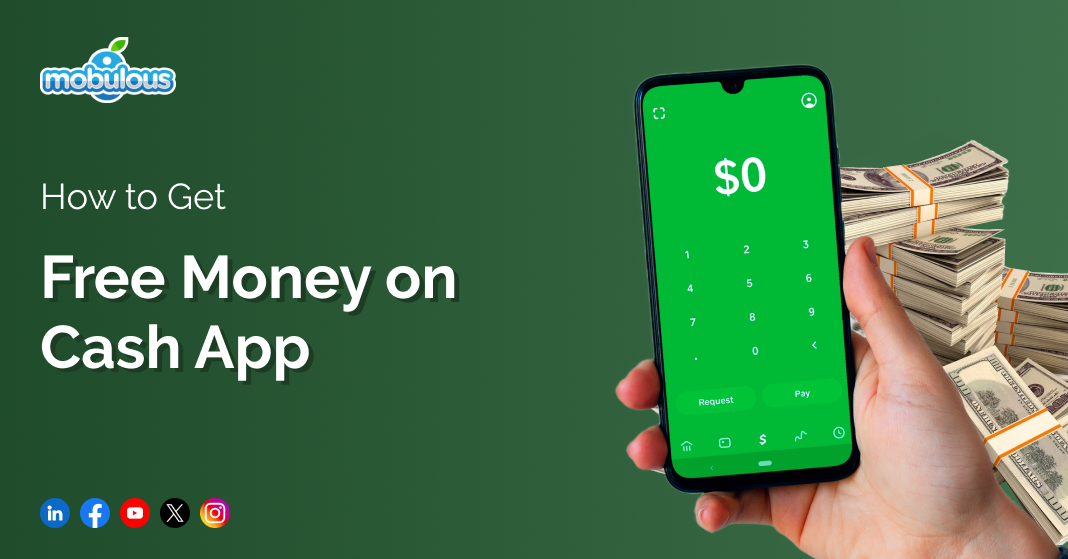
In the contemporary landscape of digital finance, Cash App has evolved from a simple peer-to-peer (P2P) payment utility into a comprehensive financial ecosystem. Owned by Block, Inc., the platform serves millions of users who seek to streamline their personal finances, invest in equities, and manage digital assets like Bitcoin. While the phrase “free money” often triggers skepticism—and rightfully so in an era of digital fraud—Cash App provides several legitimate, built-in mechanisms that allow users to earn rewards, receive cash back, and grow their capital through strategic use of the platform.
To truly benefit from the financial incentives offered by Cash App, one must move beyond the “get-rich-quick” mentality and instead view the platform as a tool for financial optimization. By understanding the incentive structures, referral programs, and investment features, users can effectively generate incremental income and reduce everyday expenses.
1. Understanding the Mechanics of the Cash App Referral System
The most direct and transparent method for acquiring capital on Cash App is through its referral program. This system is a classic example of growth marketing where the platform incentivizes existing users to act as brand ambassadors.
The Dynamics of the Invitation Code
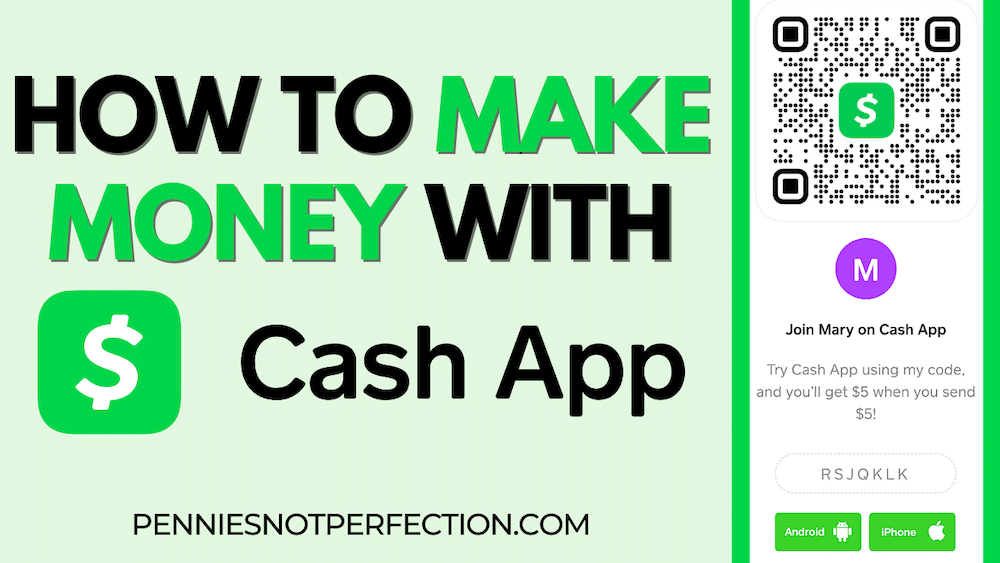
Every Cash App user is assigned a unique invitation code. When a new user signs up using your link or code, the platform allocates a referral bonus to both the inviter and, in many cases, the invitee. This is not “free” in the sense of being unearned; it is a commission for expanding the platform’s user base. To execute this successfully, a user must navigate to their profile icon, select “Invite Friends,” and share the link via text, email, or social media.
Requirements for Successful Referral Payouts
Simply signing up with a code is insufficient to trigger the financial reward. Cash App requires the new user to link a debit card and send a qualifying payment (usually a minimum of $5) within the first 14 days of account creation. This ensures that the new user is an active participant in the ecosystem rather than a bot or a dormant account. For those looking to maximize this “side hustle,” consistency and clarity in explaining the process to friends and family are key.
2. Leveraging Cash Card “Boosts” for Instant Savings
While direct cash deposits are appealing, the “Boost” feature on the Cash Card—Cash App’s physical Visa debit card—is arguably the most consistent way to retain money that would otherwise be spent. In financial terms, a dollar saved is functionally equivalent to a dollar earned.
How “Boosts” Function as Direct Financial Benefits
Cash App Boosts are instant rewards that apply a discount to purchases made at specific merchants. Unlike traditional credit card rewards programs that require users to accumulate points over months and redeem them through a complex portal, Boosts are applied in real-time. For example, a “10% off any grocery store” Boost immediately reduces the cost of a $100 grocery bill to $90, leaving an extra $10 in the user’s balance. These incentives are funded by Cash App’s marketing partnerships with major retailers and are designed to encourage the use of the Cash Card over traditional banking cards.
Strategic Selection: Maximizing Category Spend
To optimize this financial tool, users must be intentional. Boosts can be swapped frequently but only one can be active at a time. A sophisticated user will check their available Boosts before any transaction—whether it’s at a coffee shop, a restaurant, or an online retailer. By aligning one’s spending habits with the available Boost categories, it is possible to shave hundreds of dollars off annual expenses, effectively increasing one’s net disposable income.
3. Investing and Micro-Earning Through the Cash App Platform

Cash App has democratized access to the financial markets by integrating stock and Bitcoin trading directly into the user interface. This allows users to put their “found money” (such as referral bonuses or Boost savings) to work through passive and active investment strategies.
Bitcoin Round-Ups and Rewards
One of the more innovative features for wealth accumulation is the “Bitcoin Boost” and the “Round-Up” feature. Users can opt to have their Cash Card transactions rounded up to the nearest dollar, with the difference automatically invested in Bitcoin. Additionally, some Boosts offer “Bitcoin Back” instead of USD discounts. In a bullish market, these small, automated acquisitions of digital assets can appreciate significantly, turning nominal savings into a more substantial financial holding over time.
Stock Market Participation with Fractional Shares
A significant barrier to personal investing has historically been the high price of individual stocks. Cash App mitigates this through fractional share trading, allowing users to buy as little as $1 worth of high-performing equities like Tesla, Apple, or Amazon. This “micro-investing” strategy allows users to build a portfolio using the small amounts of “free money” earned through referrals or saved via Boosts. By reinvesting these gains into the stock market, users utilize the power of compound interest to grow their wealth.
4. Identifying and Avoiding “Cash App Flip” Scams
A professional discourse on acquiring funds through Cash App would be incomplete without a rigorous warning against fraudulent schemes. The popularity of the app has made it a target for “money flipping” scams that circulate on social media.
The Anatomy of a Financial Fraud
Scammers often post on platforms like Instagram or X (formerly Twitter), claiming they can “flip” $50 into $500 by exploiting a “glitch” in the Cash App system. They request that the victim send an initial payment, promising a massive return. In reality, there is no glitch. Once the money is sent, the scammer blocks the user. It is a fundamental rule of personal finance: any offer promising a high, guaranteed return with zero risk is a scam. Cash App will never ask you to send money to “verify” your account or “unlock” a larger sum.
Security Best Practices for Digital Assets
Protecting your capital is just as important as acquiring it. Users should enable Security Lock (which requires a PIN or Touch ID for every transaction), activate notification alerts for all account activity, and utilize two-factor authentication (2FA) on the email address linked to the account. By treating Cash App with the same security rigor as a traditional brokerage account, users protect their earnings from unauthorized access.
5. Cash App as a Tool for Business and Side Hustles
For those looking to generate more than just nominal rewards, Cash App offers features that facilitate professional income through freelance work and small business operations.
Streamlining Payments for Freelance Income
By utilizing a Cash App for Business account, entrepreneurs and side-hustlers can accept payments for goods and services with ease. While business accounts incur a small transaction fee (standard for the industry), the ease of use and the ubiquity of the app among consumers often lead to a higher volume of sales. This turns the app into a primary pipeline for “new money” entering one’s personal economy. The professional interface allows for the creation of “$Cashtags” that can be used on invoices, social media profiles, and websites.
Utilizing Tax Reporting Features
As one’s income through the app grows—whether through referrals, investments, or business payments—tax compliance becomes a priority. Cash App provides automated tax documentation, particularly for Bitcoin and Stock sales, as well as 1099-K forms for eligible business accounts. Maintaining a professional approach to these financial records ensures that the “free money” or income earned does not lead to legal or financial liabilities during tax season.
Conclusion
Maximizing the financial potential of Cash App requires a blend of tactical awareness and disciplined spending. While “free money” in the literal sense is rare, the platform offers a sophisticated suite of tools—referral incentives, real-time cash back via Boosts, micro-investing opportunities, and business utilities—that can significantly enhance a user’s financial health. By steering clear of fraudulent “flipping” schemes and focusing on the platform’s legitimate internal mechanisms, users can turn a simple payment app into a potent engine for personal finance management and wealth accumulation. In the digital age, the most successful participants are those who treat every feature of their financial tools as an opportunity for optimization.
aViewFromTheCave is a participant in the Amazon Services LLC Associates Program, an affiliate advertising program designed to provide a means for sites to earn advertising fees by advertising and linking to Amazon.com. Amazon, the Amazon logo, AmazonSupply, and the AmazonSupply logo are trademarks of Amazon.com, Inc. or its affiliates. As an Amazon Associate we earn affiliate commissions from qualifying purchases.