
In the vast landscape of e-commerce, Amazon has undeniably reshaped consumer expectations, offering unparalleled convenience and a seemingly endless catalog of products. For many, the cornerstone of this convenience is Amazon Prime, a subscription service that bundles benefits like expedited shipping, streaming services, and exclusive deals for an annual or monthly fee. However, the recurring cost of Prime can be a significant line item in a personal budget, prompting a crucial question for the financially savvy shopper: is it possible to enjoy free Amazon shipping without committing to Prime? The answer is a resounding yes, and by adopting strategic shopping habits and leveraging lesser-known Amazon features, consumers can significantly reduce their out-of-pocket expenses while still enjoying the benefits of online retail. This guide delves into the astute financial strategies that allow you to bypass Prime membership and still get your purchases delivered to your doorstep at no additional shipping cost.

Understanding Amazon’s Shipping Landscape and the Prime Proposition
Before dissecting the strategies for free shipping without Prime, it’s essential to understand the ecosystem Amazon has built and the financial incentives behind its various shipping options. This foundational knowledge empowers consumers to make more informed decisions and identify the true cost of convenience.
The Cost of Convenience: Amazon Prime’s Value Proposition
Amazon Prime, priced at $14.99 per month or $139 per year, is designed to be an all-encompassing loyalty program. Its primary appeal for many is the promise of “free two-day shipping” (and increasingly, one-day or even same-day delivery in select areas) on millions of eligible items. Beyond shipping, Prime members gain access to Prime Video, Prime Music, Prime Reading, exclusive deals, and other perks. From Amazon’s perspective, Prime is a powerful tool for customer retention and increasing overall spending; studies often show Prime members spend significantly more annually than non-members. For the individual consumer, the decision to subscribe often boils down to a personal cost-benefit analysis: do the accumulated benefits outweigh the recurring fee, especially if one prioritizes speed and convenience for frequent purchases?
Standard Shipping: The Default (and its Limitations)
For non-Prime members, Amazon’s default shipping option is Standard Shipping. While not always free, it’s the baseline against which all other strategies are measured. Standard Shipping typically comes with a fee that varies based on the item, its size, weight, and your location. Delivery times range from 5 to 8 business days, though they can sometimes be quicker. The key limitation here, from a financial perspective, is that these fees can quickly accumulate, negating any perceived savings from not having a Prime membership if purchases are frequent and individual. This makes the pursuit of truly free shipping a financial imperative for those looking to optimize their spending.
The Financial Imperative: Why Seek Free Shipping?
In an era of rising inflation and increasing living costs, every dollar saved contributes to a healthier personal financial picture. For many, Amazon has become an indispensable part of their shopping routine, but the convenience shouldn’t come at an exorbitant hidden cost. Avoiding the Prime subscription fee outright saves $139 per year. Furthermore, strategically obtaining free shipping on individual orders means avoiding those pesky $4.99 or $6.99 shipping charges that can easily add up to hundreds of dollars over a year if not managed proactively. Seeking free shipping isn’t just about being thrifty; it’s about intelligent money management, minimizing unnecessary expenditures, and ensuring your online shopping habits align with your broader financial goals.
Strategic Shopping: Leveraging Amazon’s Free Shipping Thresholds
The most straightforward and widely applicable method for non-Prime members to secure free shipping is to meet Amazon’s minimum order value. This strategy requires a conscious shift in purchasing behavior, moving from impulsive, one-off buys to more deliberate, consolidated shopping.
Bundling Purchases: Meeting the Minimum Order Value
Amazon frequently offers free standard shipping on eligible orders totaling $25 or more, sometimes even lower for specific categories like books. This threshold is the cornerstone of a non-Prime free shipping strategy. Instead of buying a single item costing $15 and paying $5 for shipping, hold off until you have accumulated a few items that collectively push your order total past the $25 mark. This might involve planning your purchases weekly or bi-weekly rather than daily. For instance, if you need a new toothbrush ($5), a book ($12), and a kitchen gadget ($10), buying them together in one order brings your total to $27, securing free shipping. This not only saves you the shipping fee but also encourages more mindful consumption by reducing the frequency of impulse buys.
Patience as a Virtue: Grouping Non-Urgent Items
The immediate gratification of fast shipping is a core Prime benefit, but for non-urgent items, patience can be a significant money-saver. If you’re not in a hurry to receive a particular item, add it to your cart or a wish list and wait until other necessary purchases accumulate. This approach allows you to naturally meet the free shipping threshold without feeling pressured to buy items you don’t immediately need. It’s a deliberate tactic that aligns well with budgeting principles, encouraging delayed gratification and consolidating expenses. Consider maintaining a running list of non-essential items you’d like to purchase and only placing an order once the total warrants free shipping.
Exploring “Add-on Items” and Their Shipping Impact
Amazon features a category of products known as “Add-on Items.” These are typically low-priced, small items that are expensive to ship individually. To qualify for purchase and free shipping for non-Prime members, they must be part of an order that totals $25 or more. While this might seem like a barrier, it can actually be a boon for reaching the free shipping threshold. If your cart is just shy of $25, browsing the Add-on Items section can reveal useful, inexpensive products like cleaning supplies, office basics, or small personal care items that can bump your order value over the line, ensuring free delivery for your entire purchase. This is a financially smart way to get everyday essentials while securing shipping savings.
Alternative Avenues for Free Shipping
Beyond the standard threshold strategy, Amazon provides several specific programs and options that can grant non-Prime members free shipping under particular circumstances. These often cater to specific product categories or customer demographics.
Amazon Fresh/Whole Foods Market: Specific Exceptions
While Amazon Fresh and Whole Foods Market typically require a Prime membership for free grocery delivery, there are occasional exceptions or minimum order values that, when met, can waive delivery fees even for non-Prime members. These promotions are often location-dependent and fluctuate, so it’s worth checking the specific terms and conditions in your area. Furthermore, in-store pickup from Whole Foods Market can always be a free option, allowing you to bypass shipping costs entirely for your grocery needs if a store is conveniently located.
Utilizing Amazon Day: Consolidating Deliveries
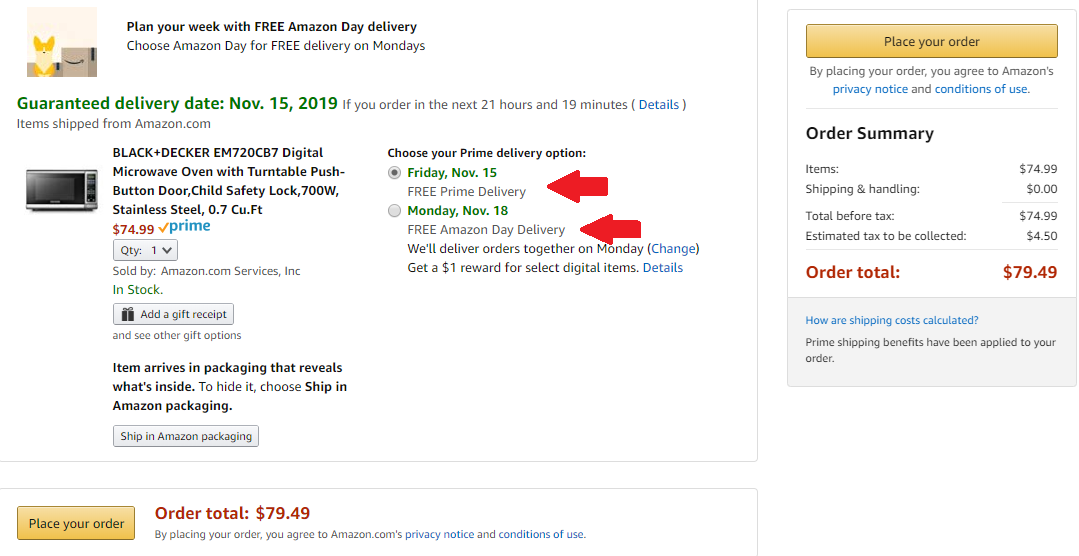
Amazon Day is a feature primarily designed for Prime members, allowing them to choose a specific day of the week to receive all their Amazon orders in one consolidated shipment. This reduces packaging and vehicle trips. However, sometimes non-Prime members might also see an option for consolidated shipping on eligible orders, which could extend the delivery window but waive individual shipping fees if they meet the minimum order threshold for free shipping. While not a direct “free shipping” method, it supports the strategy of bundling purchases by encouraging a single delivery event.
Exploring Amazon Pharmacy for Free Delivery
Amazon Pharmacy offers a significant benefit that often flies under the radar: free two-day delivery for prescription medications, even for non-Prime members. This is a substantial financial perk, especially for individuals or families with ongoing prescription needs. By utilizing Amazon Pharmacy, you can save on both the potential shipping costs from a local pharmacy (if they don’t offer free delivery) and avoid the hassle of in-person pickups. This specific offering highlights Amazon’s strategic expansion into healthcare, providing a valuable service independent of the Prime ecosystem.
Student and EBT Discounts: Targeted Programs
Amazon offers discounted Prime memberships for students (Prime Student) and customers who qualify for government assistance programs like EBT (Electronic Benefits Transfer). While these are technically discounted Prime memberships rather than free shipping without Prime, they represent a significant reduction in the annual fee, making the benefits more accessible. Students, for instance, often get a six-month free trial followed by a significantly reduced annual fee. For eligible EBT cardholders, the monthly Prime fee is reduced to $6.99. These programs are financially inclusive options that allow specific demographics to enjoy Prime benefits at a fraction of the regular cost.
External Strategies and Loopholes for Shipping Savings
Beyond Amazon’s direct offerings, clever consumers can leverage external tools and financial strategies to achieve effective “free” shipping or significantly reduce their overall spending on the platform.
Leveraging Third-Party Retailers on Amazon
Many third-party sellers on Amazon offer their own shipping policies, some of which include free shipping regardless of Prime membership, often with their own minimum order thresholds. When browsing products, pay close attention to the “Sold by” and “Shipped by” information. If an item is sold and shipped by a third-party seller, check their specific shipping terms, as they might offer free delivery more readily than Amazon’s own default for non-Prime members. This requires a bit more vigilance but can unlock additional savings opportunities.
Gift Cards and Promotional Credits
Occasionally, Amazon or affiliated partners run promotions that offer free shipping on certain items or provide promotional credits that can offset shipping costs. For example, purchasing a digital gift card might sometimes come with a small credit that can be applied to your next purchase, effectively covering a shipping fee. While not a consistent strategy, keeping an eye on these fleeting promotions can yield unexpected savings. Likewise, participating in Amazon surveys or promotional events might sometimes reward users with credits that can be used for shipping.
Credit Card Benefits and Shipping Rebates
Certain credit cards offer specific benefits related to online shopping. Some premium travel or rewards cards might offer statement credits for online retail purchases, or even specific Amazon spending. While rare, a few cards might occasionally offer shipping rebates or credits that can be applied to various online retailers, including Amazon. It’s always wise to review your existing credit card benefits and perks, as you might already have a financial tool that indirectly reduces your shipping costs. Moreover, using a cashback credit card for your Amazon purchases, even if you pay shipping, helps to mitigate the overall cost through earned rewards.
The “Wait and See” Strategy: Price Tracking and Deals
While not directly about shipping, employing a “wait and see” strategy for non-essential items can lead to overall savings that dwarf any shipping fee. Use price tracking tools like CamelCamelCamel or Keepa to monitor price fluctuations on Amazon. Often, items go on sale, and during these sale periods, sellers might also offer free shipping as an additional incentive. Combining a lower price with free shipping provides a double financial benefit. Patience, in this context, becomes a powerful financial tool that extends beyond just shipping costs.
Beyond Shipping: Maximizing Overall Amazon Savings
True financial savvy extends beyond just avoiding shipping fees; it encompasses a holistic approach to maximizing value and minimizing expenditure across all Amazon interactions.
Price Comparison Tools and Browser Extensions
Before making any purchase, especially from Amazon, it’s prudent to use price comparison tools. Browser extensions like Honey, Capital One Shopping, or even generic price comparison sites can quickly scan other retailers to see if the item is cheaper elsewhere, potentially with free shipping from that alternative vendor. Sometimes, the item might be cheaper on a different platform that offers free shipping as a standard, making the Amazon shipping debate moot. These tools ensure you’re always getting the best deal, not just the best shipping deal.
Amazon Warehouse Deals and Renewed Products
For consumers focused on saving money, Amazon Warehouse Deals and Amazon Renewed are treasure troves. Warehouse Deals offer open-box, pre-owned, or refurbished items at significant discounts. Amazon Renewed features professionally inspected and tested refurbished products. While these items might still fall under the standard non-Prime shipping rules, the substantial discounts on the product itself often far outweigh any minor shipping fee, making the overall purchase a net financial gain. This strategy aligns perfectly with a budget-conscious approach, prioritizing product savings over just shipping.
Utilizing Subscribe & Save for Regular Purchases
For recurring household essentials like pet food, diapers, or cleaning supplies, Amazon’s Subscribe & Save program offers discounts (typically 5-15%) and often free standard shipping for Prime and non-Prime members alike, regardless of the order total. By subscribing to five or more items in a given month, you unlock higher discounts. This is an excellent way to automate purchases, ensure a steady supply of necessities, and consistently receive free shipping on items you’d buy regularly anyway, providing ongoing financial relief.
The True Cost-Benefit Analysis of Prime vs. Free Shipping Strategies
Ultimately, the decision to subscribe to Amazon Prime or rely on free shipping strategies boils down to a personal financial assessment. For individuals who rarely shop on Amazon, or who are excellent at consolidating purchases, avoiding Prime altogether and employing the strategies outlined above is the most financially prudent path. They save the $139 annual fee and only pay for shipping when absolutely necessary or if an item is truly urgent.
Conversely, for those who shop frequently, value speed, and utilize the full suite of Prime benefits (streaming, music, reading), the cost of Prime might be justified by the aggregate savings and convenience. However, even frequent shoppers can benefit from these strategies by using them for non-Prime eligible items or when Prime benefits don’t apply.
The takeaway is that consumers are not beholden to a single path. By understanding Amazon’s shipping policies, adopting smart shopping habits, and leveraging available alternatives, everyone can navigate Amazon in a financially savvy way, ensuring they get their goods delivered without unnecessary expenditure, thereby empowering their personal financial wellness.
aViewFromTheCave is a participant in the Amazon Services LLC Associates Program, an affiliate advertising program designed to provide a means for sites to earn advertising fees by advertising and linking to Amazon.com. Amazon, the Amazon logo, AmazonSupply, and the AmazonSupply logo are trademarks of Amazon.com, Inc. or its affiliates. As an Amazon Associate we earn affiliate commissions from qualifying purchases.