
In an era marked by fluctuating economies, rising inflation, and increasing costs of living, managing personal finances has become a paramount concern for households worldwide. For many, the escalating price of basic necessities, particularly food, has introduced unprecedented budgetary strain, pushing individuals and families into difficult choices. Food insecurity, once thought to be a concern for specific demographics, has become a widespread challenge, underscoring the vital role of community resources like food banks. Far from being a last resort, food banks stand as crucial financial tools and safety nets, offering tangible relief that can stabilize a household budget and prevent a complete financial crisis.
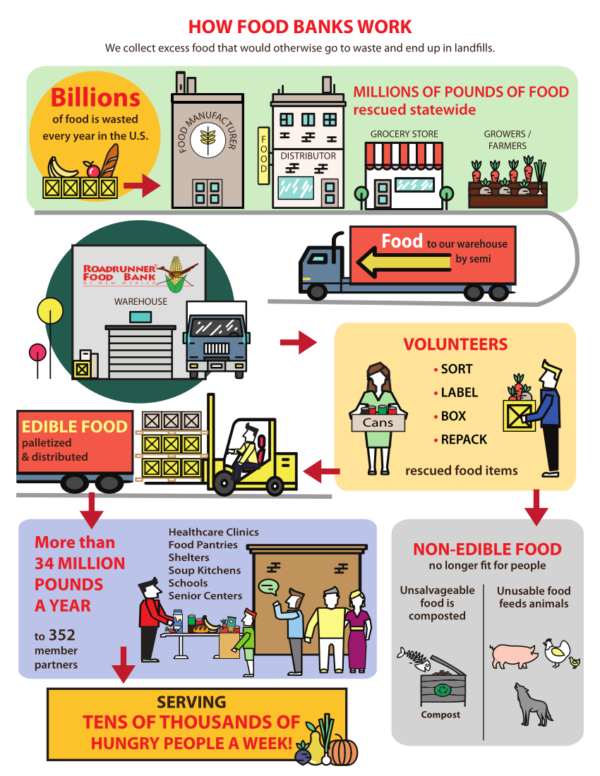
This guide delves into how to effectively access food from a food bank, framing it not as an act of charity, but as a strategic component of personal financial management during challenging times. It aims to demystify the process, empower individuals with knowledge, and connect the act of seeking food assistance with broader principles of financial resilience and resourcefulness. Understanding and utilizing food banks can free up valuable funds for other critical expenses, making them an indispensable element of a responsible personal finance strategy when incomes are stretched thin.
Understanding Food Insecurity and Its Financial Impact
Food insecurity is more than just hunger; it is a complex issue with profound financial ramifications that ripple through every aspect of a household’s budget and long-term economic stability. As an increasing number of families grapple with the delicate balance between income and expenditure, understanding the multifaceted impact of food insecurity becomes crucial for effective personal financial planning.
The Rising Cost of Living and Budgetary Strain
The past few years have witnessed a relentless surge in the cost of living, with food prices leading the charge. Global events, supply chain disruptions, and inflationary pressures have converged to make basic groceries significantly more expensive. For individuals and families operating on fixed or limited incomes, this means that a larger percentage of their earnings is diverted to purchasing food, leaving less for other essential expenses. What might have been an adequate grocery budget a few years ago is now insufficient, forcing difficult trade-offs. This escalating budgetary strain directly impacts personal finance by eroding purchasing power, making it harder to save, invest, or even meet recurring monthly obligations like rent, utilities, and transportation. Food, a non-negotiable expense, often becomes the variable that dictates the solvency of a household budget.
Beyond Hunger: The Ripple Effect on Personal Finance
The consequences of food insecurity extend far beyond the immediate discomfort of hunger. When a household struggles to afford adequate food, it often initiates a detrimental ripple effect on their broader financial health. Families might be compelled to make agonizing decisions, such as choosing between buying groceries and paying rent, utilities, or medical bills. This reallocation of funds can lead to a cascade of financial problems: late fees on bills, utility cut-offs, increased debt from credit card use to cover necessities, or even eviction.
Furthermore, a lack of nutritious food can impact health, leading to increased healthcare costs and reduced productivity, which in turn can affect earning potential. Children in food-insecure households may suffer academically, potentially limiting their future economic prospects. Thus, food insecurity becomes a severe drag on overall personal financial stability, impeding the ability to build wealth, achieve financial goals, or escape cycles of poverty. Addressing food insecurity through external support is not merely about providing sustenance; it is about mitigating these deeper financial repercussions.
Food Banks as a Financial Buffer
In this challenging financial landscape, food banks emerge as critical financial buffers. By providing free or heavily subsidized food items, they effectively reduce one of a household’s most significant and inelastic expenses. This reduction in the food budget does not just put food on the table; it frees up precious financial resources that can then be allocated to other pressing needs. For example, the money saved on groceries can be used to pay a utility bill, cover a portion of rent, purchase essential medications, or even contribute to an emergency fund.
Framing food banks as a financial tool helps to normalize their use and remove any associated stigma. They act as a temporary but crucial financial intervention, preventing minor budgetary gaps from spiraling into major financial crises. By stabilizing the food component of a household budget, food banks provide a crucial breathing room, allowing families to maintain other financial commitments and offering a pathway toward greater overall financial resilience. Utilizing a food bank is a pragmatic and responsible personal finance decision when facing economic hardship.
Navigating the Food Bank System: Practical Steps for Financial Relief
Accessing food from a food bank is a straightforward process designed to provide timely relief to individuals and families facing food insecurity. Understanding the practical steps involved, from identification to distribution models, is essential for maximizing this valuable financial resource.
Identifying Your Local Food Bank Resources
The first practical step in leveraging food banks for financial relief is to locate the resources available in your immediate community. Fortunately, various avenues exist to help individuals find their nearest food bank or food pantry. Online search engines, using terms like “food bank near me” or “food pantry [your city/zip code],” are highly effective. Websites of national organizations like Feeding America (in the U.S.) or local government websites often have searchable directories. Additionally, dialing 211 (a national information and referral service in the U.S. and Canada) can connect you directly with local food assistance programs and other social services. Community centers, places of worship, schools, and local non-profits are also excellent points of contact for information. It’s advisable to identify a few options, as different food banks may have varying hours, eligibility criteria, and distribution methods that might better suit your personal financial situation and logistical constraints. This initial research is akin to exploring different financial service providers to find the best fit for your needs.
Eligibility and Documentation: What to Expect
Once you’ve identified a potential food bank, the next step involves understanding their eligibility requirements and the documentation you might need. While criteria can vary, most food banks aim to serve individuals and families who demonstrate a need, typically based on income thresholds relative to poverty guidelines or a certain percentage of the area median income. Some might also consider factors like unemployment status, disability, or participation in other public assistance programs (e.g., SNAP, TANF).
Commonly requested documents include:
-
Proof of Identity: A driver’s license, state ID, or passport for the primary applicant.
-
Proof of Residency: A utility bill, lease agreement, or official mail showing your current address.
-
Proof of Income: Pay stubs, benefit award letters (e.g., unemployment, Social Security), or a statement of no income. This is crucial for demonstrating financial need.
-
Household Information: Names and ages of all household members.
It’s important to approach this process with patience and transparency, as these requirements are in place to ensure that resources are distributed fairly to those most in need. Gathering these documents beforehand can significantly expedite your first visit. Consider this a simplified “financial application” process, designed to confirm your eligibility for a vital financial support service.
Understanding Distribution Models
Food banks employ various distribution models to get food to those who need it, each with its own advantages. Understanding these models can help you choose the most convenient and effective option for your personal circumstances.
-
Traditional Food Pantries: These are typically physical locations where individuals can pick up pre-bagged or client-choice groceries. Client-choice pantries allow you to select items, similar to a small grocery store, which can be highly beneficial for dietary needs and preferences, maximizing the utility of the food for your household budget.
-
Mobile Food Pantries: These are often trucks or vans that deliver food to specific community sites on a rotating schedule, reaching underserved areas or those with transportation barriers. This model can be particularly helpful for individuals in remote areas or without personal vehicles, offering convenient access to a financial resource.
-
Direct Delivery Programs: Some food banks offer direct delivery of food boxes to eligible individuals, often seniors, those with disabilities, or families during specific crises. This eliminates transportation costs and barriers, directly addressing a common financial hurdle for many.
-
Voucher Systems: Less common, but some programs provide vouchers that can be redeemed at partner grocery stores for specific items or a certain monetary value. This offers maximum flexibility in food choices, akin to a debit card for groceries, giving individuals more control over their food budget.

Each model aims to address different aspects of food access and personal finance challenges. By familiarizing yourself with these options, you can select the most efficient way to supplement your food budget and ensure your household’s nutritional needs are met without further straining your finances.
Maximizing Your Food Bank Benefits and Financial Well-being
Utilizing a food bank is not merely about receiving provisions; it’s about strategically integrating this resource into your broader financial plan to enhance your well-being. By taking a proactive approach, individuals can stretch their food budget further and gain access to additional financial support.
Strategic Meal Planning with Food Bank Offerings
To truly maximize the financial benefit of food bank provisions, strategic meal planning is essential. Food banks often provide a variety of staples, canned goods, fresh produce, and sometimes dairy or meat. Instead of viewing these items in isolation, consider how they can form the basis of several meals.
-
Inventory First: Before shopping or picking up items, take stock of what you already have at home.
-
Plan Around Staples: Food banks frequently offer items like rice, pasta, beans, and canned vegetables. Build meals around these cost-effective and versatile ingredients. For example, a bag of rice and canned beans can become multiple meals when combined with different spices or vegetables.
-
Utilize Fresh Produce Quickly: If you receive fresh fruits and vegetables, plan to use them in the first few days to prevent spoilage, which is a waste of a valuable resource.
-
Batch Cooking: Prepare larger quantities of dishes that can be portioned out for future meals, saving time and energy while ensuring consistent access to food.
-
Creative Combinations: Learn simple recipes that allow for flexibility with ingredients. A basic sauce can be used with pasta, rice, or as a base for a stew, depending on what proteins or vegetables are available.
By consciously planning meals around food bank offerings, you can significantly reduce your grocery expenditure, freeing up financial resources for other critical needs and extending the impact of the assistance you receive. This approach mirrors smart financial budgeting, where every resource is accounted for and optimized.
Beyond Food: Accessing Holistic Financial Support
Many food banks recognize that food insecurity is often a symptom of broader financial challenges. As a result, they frequently serve as gateways to a wider network of holistic financial and social support services. When you visit a food bank, inquire about other programs they or their partner organizations offer:
-
SNAP (Supplemental Nutrition Assistance Program) Enrollment Assistance: Many food banks have staff or volunteers who can help you apply for SNAP benefits, providing a consistent monthly allowance for groceries.
-
Utility Assistance Programs: Funds or referrals to programs that help with electricity, gas, or water bills can significantly alleviate financial pressure.
-
Housing Support: Information on rental assistance, emergency shelters, or affordable housing initiatives.
-
Employment Services: Referrals to job training programs, resume writing workshops, or job placement services can address the root cause of financial instability.
-
Financial Literacy and Counseling: Some food banks partner with organizations offering free financial coaching, budgeting workshops, or debt management advice.
-
Healthcare Resources: Information on low-cost clinics, prescription assistance programs, or health insurance enrollment.
By tapping into these additional resources, you can address multiple facets of your personal finance situation, moving beyond temporary food relief to building a more stable and resilient financial future. Food banks are not just pantries; they are often hubs of comprehensive community support.
Advocacy and Sustainable Financial Practices
While utilizing food banks offers immediate relief, it’s also important to consider long-term strategies for sustainable financial practices and, where appropriate, engage in advocacy. Understanding the broader financial ecosystem and its impact on food security can empower individuals to make informed decisions and contribute to systemic change.
-
Budgeting and Savings: Even with food bank assistance, diligently tracking expenses and creating a budget remains crucial. Any funds saved on groceries can be directed towards building an emergency fund, paying down debt, or investing in skill development.
-
Income Diversification: Explore options for increasing income, such as part-time jobs, side hustles, or skill-building courses that can lead to higher-paying employment.
-
Understanding Policy: Learn about local and national policies that affect food security and financial aid. Advocacy can involve supporting organizations that lobby for fair wages, affordable housing, and robust social safety nets.
-
Community Engagement: Participate in local initiatives aimed at reducing food waste or supporting community gardens, which can supplement food sources and build community resilience.
By combining immediate relief with long-term financial planning and community engagement, individuals can not only navigate their current challenges but also build a more secure and sustainable financial future for themselves and their communities.
Dispelling Myths and Embracing Financial Dignity
The decision to seek assistance from a food bank often comes with internal conflict, fueled by societal misconceptions and personal pride. However, reframing the use of food banks as a strategic personal finance decision and understanding the reality behind their operations can help dispel these myths and foster a sense of dignity and empowerment.
The Stigma and the Reality
One of the most significant barriers to individuals accessing food banks is the pervasive stigma associated with asking for help. Many people feel a sense of shame, failure, or embarrassment, believing that using a food bank signifies an inability to manage their own affairs. This perception is deeply ingrained but fundamentally flawed.
The Reality:
-
Economic Necessity, Not Failure: In today’s economic climate, unexpected job loss, medical emergencies, rising inflation, or stagnant wages can push even financially responsible individuals into hardship. Using a food bank is a pragmatic response to an economic challenge, not a personal failing. It is a smart personal finance decision when your income is insufficient to cover all necessities.
-
Widespread Need: Food bank users come from all walks of life—working families, seniors on fixed incomes, veterans, students, and individuals facing temporary crises. The need is far more widespread and diverse than commonly imagined, reflecting systemic economic pressures rather than individual shortcomings.
-
Community Support: Food banks are funded and operated by communities, including volunteers, donors, and local organizations. They represent a collective commitment to ensuring that no one goes hungry. Accessing this resource is participating in a communal safety net designed to support all members during difficult times.
By re-framing the use of food banks as a sensible strategy to manage personal finances during periods of need—much like using a credit card for an emergency or drawing on savings—individuals can overcome the stigma and embrace the support available to them.
A Community-Driven Financial Safety Net
Food banks are powerful examples of community solidarity and collective financial wisdom. They operate on the principle that basic needs, like food, are fundamental and that a thriving community supports its most vulnerable members. This perspective highlights food banks as essential components of a broader financial safety net.
-
Pooling Resources: Donated food, financial contributions, and volunteer time are pooled to create a significant resource that individual households might not otherwise be able to access. This pooling of resources is a form of collective investment in community well-being and economic stability.
-
Preventing Further Financial Deterioration: By providing food, food banks prevent individuals from dipping into savings, taking on high-interest debt, or sacrificing other essential expenses to feed themselves or their families. This preventative measure is invaluable for preserving an individual’s financial health.
-
Building Community Resilience: When a community ensures its members are fed, it fosters a stronger, healthier, and more resilient population. This has long-term positive financial implications, reducing strain on healthcare systems and promoting economic participation.
Viewing food banks through this lens transforms the act of receiving help into an act of benefiting from a well-structured, community-driven financial support system designed to foster resilience.
Empowering Financial Resilience
Ultimately, utilizing a food bank is an empowering step towards building and maintaining personal financial resilience. It demonstrates resourcefulness, pragmatism, and a proactive approach to managing challenging circumstances.
-
Proactive Problem Solving: Seeking food assistance is not giving up; it is actively solving a critical financial problem—how to afford food when income is insufficient.
-
Freeing Up Mental & Financial Bandwidth: Knowing that food is secured can significantly reduce stress and free up mental energy to focus on other financial challenges, such as job searching, skill development, or long-term budgeting.
-
A Stepping Stone, Not a Destination: For many, food banks provide temporary relief that allows them to get back on their feet financially. They are a bridge during difficult times, helping individuals navigate current challenges to reach a point of greater self-sufficiency.
Embracing the financial dignity of using a food bank means understanding that it is a smart, strategic move for personal finance when facing food insecurity. It is a testament to one’s commitment to manage their resources effectively and ensure the well-being of their household, leveraging every available tool to build a more secure financial future.
In conclusion, navigating the complexities of personal finance in an unpredictable world often requires innovative solutions and the willingness to utilize all available resources. Food banks are far more than just places to get free food; they are critical financial tools that offer a lifeline to individuals and families struggling with food insecurity. By understanding the process, dispelling the myths, and embracing the support offered, one can strategically leverage food banks to stabilize their household budget, free up funds for other essential needs, and ultimately build a stronger foundation for long-term financial resilience. Engaging with a food bank is a proactive, dignified, and intelligent step towards managing personal finances effectively in challenging times, ensuring that food, a fundamental human right, remains accessible to all.
aViewFromTheCave is a participant in the Amazon Services LLC Associates Program, an affiliate advertising program designed to provide a means for sites to earn advertising fees by advertising and linking to Amazon.com. Amazon, the Amazon logo, AmazonSupply, and the AmazonSupply logo are trademarks of Amazon.com, Inc. or its affiliates. As an Amazon Associate we earn affiliate commissions from qualifying purchases.