
In an unpredictable economic landscape, managing personal finances effectively is more crucial than ever. For many individuals and families, ensuring consistent access to nutritious food can be one of the most significant line items in a household budget. When financial hardship strikes—be it unexpected job loss, medical emergencies, or inflationary pressures—the strain on this essential expense can quickly become unbearable. This is where food banks emerge not merely as charitable institutions, but as vital financial tools, offering a tangible mechanism for cost reduction and budget stability.
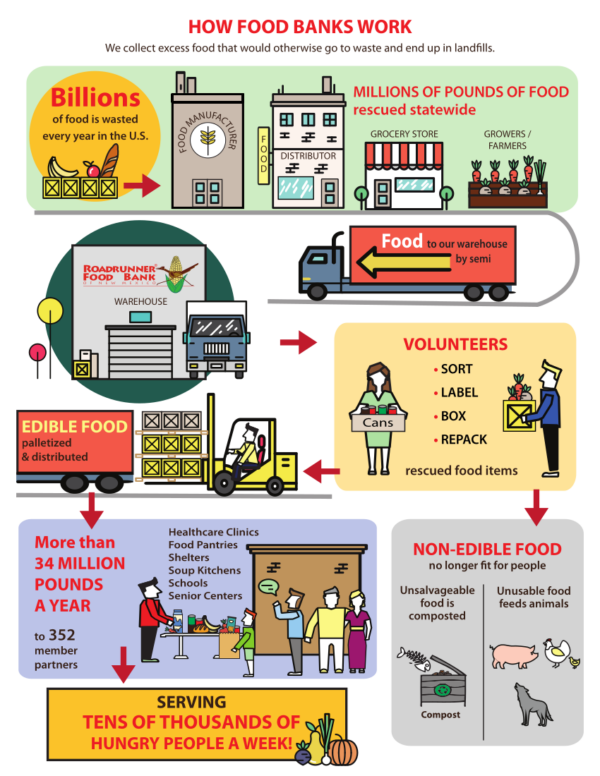
Far from being a last resort for those at rock bottom, utilizing a food bank can be a proactive and responsible part of a broader personal finance strategy. It allows individuals to redirect funds that would otherwise be spent on groceries towards other critical needs like rent, utilities, or medical bills, thereby preventing further financial distress. This article delves into the practical aspects of accessing food banks, framing their use within the context of sound financial management, and equipping you with the knowledge to leverage these resources effectively.
Understanding Food Banks as a Personal Financial Tool
To truly appreciate the value of food banks, it’s essential to shift perspective from viewing them solely as charity to recognizing their role as an integral component of a prudent financial toolkit. In times of fiscal constraint, every saved dollar is a dollar earned, and food banks provide direct savings on one of the most inelastic expenses: food.
Bridging Budget Gaps with Food Assistance
The primary financial benefit of a food bank is its ability to bridge budget gaps. When income dwindles or expenses surge, the grocery bill often becomes a flexible target for cuts, leading to nutritional deficiencies or increased debt. By providing free or heavily subsidized food items, food banks directly alleviate this pressure. This cost saving is not trivial; for a family, the reduction in weekly or monthly food expenditure can free up hundreds of dollars. These funds can then be strategically allocated to other non-negotiable costs, such as ensuring rent is paid on time, maintaining essential utility services, or covering necessary transportation. This strategic reallocation is a hallmark of strong personal finance, ensuring that one crisis (food insecurity) doesn’t cascade into multiple financial failures.
Moreover, the predictability of food bank access can bring a degree of financial certainty to an otherwise volatile situation. Knowing that a portion of your food needs will be met allows for more accurate budgeting for remaining expenses, reducing anxiety and promoting a clearer path to financial recovery.
The Role of Food Banks in Emergency Financial Planning
Emergency financial planning often focuses on building a cash reserve, but it also encompasses knowing where to turn for support when those reserves are insufficient or nonexistent. Food banks are a critical component of this emergency safety net. In the event of an unforeseen financial shock – a sudden job loss, an unexpected medical bill, or a natural disaster – the immediate priority is often securing basic needs. Food banks offer an immediate solution to food insecurity, allowing individuals and families to focus their limited financial resources on other pressing emergencies.
By providing immediate relief, food banks prevent the escalation of financial stress. Without access to a food bank, an individual might resort to high-interest payday loans, credit card debt, or even sacrificing other essentials to put food on the table. These choices can create a vicious cycle of debt and poverty. Food banks, therefore, act as a financial circuit breaker, preventing short-term emergencies from becoming long-term financial catastrophes. Integrating the knowledge of food bank access into one’s emergency preparedness strategy is a sign of robust financial foresight.
Dispelling Myths: Food Banks as a Right, Not Just Charity
A significant barrier to utilizing food banks is often the stigma associated with seeking help. Many individuals, particularly those who have always been self-sufficient, view food banks as a handout or a last resort for those less fortunate, leading to feelings of shame or embarrassment. However, it’s crucial to reframe this perception. In many developed nations, access to basic necessities, including food, is increasingly recognized as a fundamental human right. Food banks operate within a broader social safety net designed to support citizens when they face economic challenges.
Viewing food banks as a legitimate financial resource, similar to unemployment benefits or housing assistance, helps to destigmatize their use. They are community-supported initiatives designed to ensure food security for all, thereby contributing to the overall economic stability and well-being of a society. Leveraging these resources responsibly is not a sign of failure but a demonstration of resilience and astute financial management in challenging circumstances. It’s an exercise in utilizing available financial tools to navigate hardship, much like an entrepreneur uses grants or loans to sustain a business during a lean period.
Navigating the Process: Eligibility and Access for Financial Relief
Accessing a food bank is a structured process, not a haphazard one. Understanding the requirements and steps involved is key to efficiently unlocking this financial relief. Each food bank operates with specific guidelines, typically aligned with national or regional networks, designed to ensure resources are allocated equitably and to those most in need.
Demystifying Eligibility Criteria
Eligibility for food bank assistance is primarily determined by financial need. While criteria can vary, common factors include:
- Income Thresholds: Most food banks require individuals or households to demonstrate an income level below a certain percentage of the federal poverty line or a specified income cap for their region. This is a direct financial assessment to ensure resources go to those experiencing financial hardship.
- Residency Requirements: To serve their local community effectively, food banks often require proof of residency within a specific geographic area (e.g., city, county). This helps manage demand and ensures community-focused support.
- Household Size: The number of individuals in a household often impacts the amount and type of food assistance provided, reflecting the greater financial burden of larger families.
- Identification: Proof of identity for all household members (e.g., government-issued ID, birth certificates for children) is typically required to prevent fraud and accurately track assistance.
It’s important to gather relevant financial documentation, such as pay stubs, bank statements, or proof of government benefits, as these will likely be requested to verify your financial situation. Some food banks might also ask for a brief explanation of your current financial hardship. Transparency about your financial circumstances will facilitate a smoother process.
The Application Journey: What to Expect
The process of applying for food bank assistance typically involves a few key steps:
- Initial Contact: Begin by contacting your local food bank directly or checking their website for information on operating hours, required documents, and appointment procedures. Many food banks now offer online registration or phone screening to streamline the initial intake.
- Registration/Interview: Upon your first visit, you may be asked to complete a registration form providing basic household information and a declaration of your financial need. Some food banks conduct a brief, confidential interview to understand your situation better and to ensure you receive the most appropriate assistance. This is akin to a financial assessment for any aid program.
- Proof of Need: Be prepared to present the necessary documentation, including identification for all household members, proof of address, and verification of income or participation in other assistance programs (e.g., SNAP, Medicaid).
- Food Distribution: Once registered, you will typically receive a selection of food items. Some food banks offer a “client choice” model, allowing you to select items from shelves much like a grocery store, fostering dignity and enabling you to choose foods that meet your family’s dietary needs and preferences. Others might provide pre-packed boxes or bags.
The process is designed to be respectful and efficient, aiming to provide financial relief in the form of food as quickly as possible. Don’t hesitate to ask questions if anything is unclear.
Finding Your Local Food Bank: Resources and Referrals
Locating a food bank near you is the crucial first step. Several resources can help:
- National Food Bank Networks: Organizations like Feeding America in the U.S., The Trussell Trust in the UK, or Food Banks Canada operate extensive networks. Their websites usually have a “Find a Food Bank” tool where you can enter your postcode or zip code.
- Local Government Services: Your city or county social services department often maintains lists of local food assistance programs and can provide referrals.
- 211 Services: In many areas, dialing 211 connects you to a comprehensive information and referral service for local social services, including food assistance.
- Community Centers and Places of Worship: Local churches, synagogues, mosques, and community centers often operate their own food pantries or can direct you to nearby resources.
- Online Search Engines: A simple search for “food banks near me” or “food pantries [your city]” will typically yield relevant results.
Utilizing these resources efficiently is part of being a financially savvy individual, identifying and accessing the available support systems that can shore up your household budget during challenging times.

Maximizing Your Food Bank Benefits for Sustainable Living
Once you’ve successfully accessed a food bank, the next step is to make the most of the provisions to optimize your household budget and promote sustainable living. This isn’t just about collecting food; it’s about strategic planning and integration into your overall financial and nutritional management.
Strategic Meal Planning with Food Bank Provisions
The food items received from a food bank can sometimes be eclectic, ranging from non-perishable staples to fresh produce, dairy, or frozen meats, depending on donations and availability. To maximize these provisions and translate them into real financial savings, strategic meal planning is essential:
- Inventory First: Before shopping or planning meals, take an inventory of what you’ve received. Categorize items by type (grains, proteins, vegetables, fruits) and note their expiration dates.
- Flexibility is Key: Be adaptable. If you receive an abundance of lentils, plan lentil-based meals. If there’s a surplus of carrots, think about carrot soups, roasted carrots, or even carrot cake. This flexibility directly translates to financial savings by avoiding additional grocery purchases.
- Recipe Adaptation: Learn to adapt recipes to incorporate the ingredients you have on hand. There are many budget-friendly recipe websites and cookbooks specifically designed for using pantry staples.
- Batch Cooking: Prepare larger quantities of dishes that can be portioned and frozen for future meals, maximizing both food and time efficiency. This reduces the likelihood of food waste, which is a financial drain.
By thoughtfully planning meals around food bank items, you minimize the need to buy additional groceries, thereby stretching your food budget significantly further.
Complementing Your Diet and Budget with Food Bank Items
Food bank provisions are designed to supplement, not always entirely replace, a household’s food needs. However, they form a crucial foundation for your food budget:
- Prioritize Staples: Food banks often provide essential staples like pasta, rice, beans, canned goods, and sometimes fresh produce. These items are the backbone of affordable, nutritious meals.
- Fill the Gaps Strategically: After utilizing food bank items, identify any nutritional gaps or missing ingredients for planned meals. Make a targeted, lean grocery list for only these necessary items. This prevents impulse purchases and ensures your limited cash is spent wisely.
- Focus on Nutrition: Even with limited choices, strive for balanced meals. Combine different food groups from your food bank haul to ensure your family gets a variety of nutrients. Healthy eating is also a long-term financial strategy, as it can reduce future healthcare costs.
Effectively integrating food bank items into your household’s dietary and financial plan means leveraging them as the primary source of food, and then making smart, minimal supplementary purchases.
Beyond Groceries: Exploring Additional Financial Support
Many food banks and their affiliated organizations offer more than just food. They are often hubs for broader financial and social support services:
- Referrals to Other Programs: Food banks often have information about or direct referral relationships with programs like SNAP (Supplemental Nutrition Assistance Program), WIC (Women, Infants, and Children), housing assistance, utility bill assistance, and healthcare services. Utilizing these can further bolster your financial stability.
- Financial Literacy Workshops: Some food banks or their partners offer workshops on budgeting, debt management, job searching, or skill development. Participating in these can equip you with tools for long-term financial independence.
- Community Resources: They may also connect you with local shelters, domestic violence support, or mental health services, recognizing that financial hardship is often intertwined with other life challenges.
Actively inquiring about these additional resources is a proactive financial move, allowing you to access a wider safety net and work towards sustainable financial recovery.
Integrating Food Bank Support into a Holistic Financial Plan
Using a food bank should be viewed as an intelligent, temporary strategy within a larger, holistic financial plan aimed at long-term stability and self-sufficiency. It’s a mechanism to weather economic storms, not a permanent solution.
Short-Term Relief, Long-Term Stability: A Stepping Stone
The immediate relief provided by food banks on grocery expenses frees up critical funds. This short-term advantage should be strategically leveraged for long-term gains. Instead of seeing it as merely sustenance, consider how the money saved can be redirected:
- Debt Reduction: Allocate saved grocery money towards paying down high-interest debt, reducing future interest payments and improving your credit score.
- Emergency Fund Building: Even small contributions to an emergency fund can begin to build a cushion against future financial shocks, reducing reliance on food banks in the long run.
- Skill Development/Education: Invest in courses or training that can enhance your employability and increase your earning potential, ultimately leading to greater financial independence.
- Essential Maintenance: Use the savings to maintain your home, vehicle, or health, preventing more costly repairs or medical bills down the line.
Viewing food bank assistance as a temporary bridge to better financial footing empowers you to make strategic choices that lead to lasting stability.
Financial Literacy and Resource Utilization
Engaging with food banks can also serve as a practical lesson in financial literacy and resource utilization. It forces individuals to confront their budget, understand where their money is going, and actively seek out and manage available resources.
- Budgeting Practice: Planning meals around available food bank items is a direct exercise in budgeting and resource allocation.
- Understanding Community Support Systems: It educates individuals about the broader network of support available in their community, fostering an understanding of social safety nets.
- Advocacy and Awareness: For many, the experience of needing a food bank instills a deeper understanding of food insecurity, often inspiring them to advocate for policies that strengthen social safety nets or to volunteer once their own financial situation improves.
This hands-on experience in managing limited resources can be invaluable in developing long-term financial resilience.
Giving Back: Supporting the System that Supports You
Finally, as your financial situation stabilizes and you no longer need food bank assistance, consider giving back. This is not just a charitable act, but a contribution to the financial health of your community and a reinforcement of the system that helped you during your time of need.
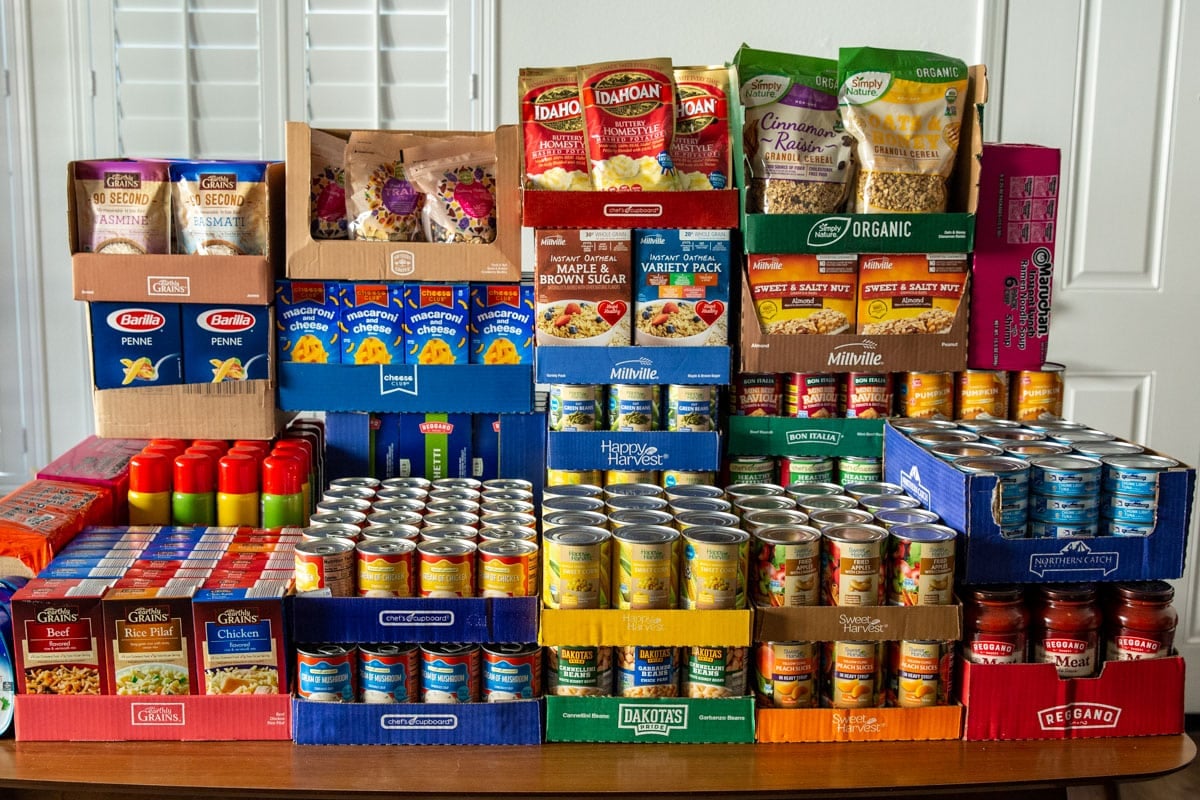
- Donating Food or Funds: Financial contributions allow food banks to purchase specific items, especially fresh produce, which can be expensive. Food donations of non-perishable items are also always welcome.
- Volunteering Time: Lending your time helps food banks with sorting, packing, and distribution, allowing them to operate more efficiently and serve more people.
- Advocacy: Sharing your story (if comfortable) or advocating for policies that support food security and anti-poverty initiatives can help raise awareness and secure crucial funding for these vital organizations.
By contributing to the food bank system, you’re investing in the financial well-being of others and ensuring that this critical financial tool remains available for future generations facing their own economic challenges. Utilizing a food bank is a smart, responsible, and effective financial strategy for navigating difficult times, and understanding how to access and maximize its benefits is a testament to savvy personal finance management.
aViewFromTheCave is a participant in the Amazon Services LLC Associates Program, an affiliate advertising program designed to provide a means for sites to earn advertising fees by advertising and linking to Amazon.com. Amazon, the Amazon logo, AmazonSupply, and the AmazonSupply logo are trademarks of Amazon.com, Inc. or its affiliates. As an Amazon Associate we earn affiliate commissions from qualifying purchases.