
The transition of the aviation industry from paper-based ledgers to sophisticated, cloud-native ecosystems has fundamentally altered how consumers interact with global travel. Obtaining a flight ticket is no longer a simple transaction; it is a complex negotiation with highly advanced algorithms, global distribution networks, and real-time data processing units. To navigate this landscape effectively, one must understand the underlying technology that powers modern booking engines and the digital strategies required to optimize the procurement process.
The Algorithm Behind the Fare: Understanding Dynamic Pricing Models
At the heart of every flight search is a Revenue Management System (RMS). This is a sophisticated suite of software that utilizes machine learning and historical big data to adjust prices in real-time. Unlike traditional retail, where prices are relatively static, airline pricing is fluid, responding to thousands of variables every second.
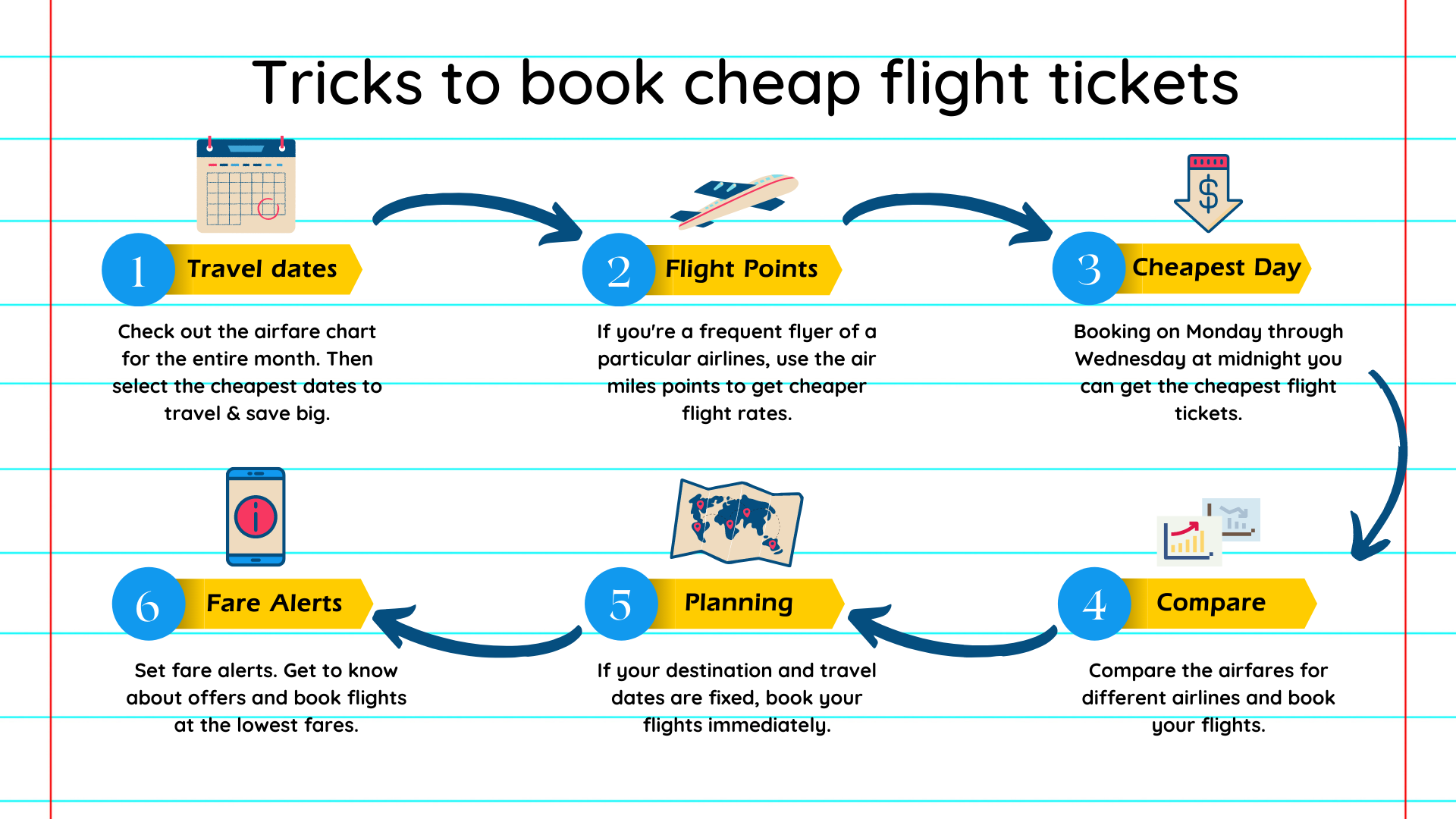
AI and Machine Learning in Airline Revenue Management
Airlines employ predictive analytics to forecast demand with surgical precision. These AI models analyze years of historical booking data, local holidays, major sporting events, and even current weather patterns. When you search for a ticket, the system isn’t just looking at seat availability; it is calculating the probability that someone else might be willing to pay more for that same seat three days from now. By understanding that these prices are generated by algorithms designed to maximize “yield” (the average fare paid per passenger), tech-savvy travelers can look for “load factor” patterns—identifying times when the algorithm perceives lower demand and subsequently lowers the price to fill the aircraft.
Big Data’s Role in Predictive Pricing
The “Big Data” revolution has allowed airlines to move beyond simple supply-and-demand curves. Modern systems integrate competitor pricing feeds through automated scraping and API integrations. If a low-cost carrier drops its price on a specific route, the legacy carrier’s software often responds automatically within milliseconds. For the user, this means that the timing of a ticket purchase is less about the day of the week and more about the data cycles of these automated systems. Monitoring these shifts requires tools that can ingest this data as quickly as the airlines do.
Leveraging Aggregator Technology and Metasearch Engines
To find the best flight ticket, one must understand the infrastructure of the internet’s travel layer. Most booking sites are either Online Travel Agencies (OTAs) or metasearch engines, and they interact with the airlines via different technological protocols.
The Mechanics of Modern APIs: GDS vs. NDC
For decades, the backbone of flight distribution was the Global Distribution System (GDS), such as Amadeus, Sabre, or Travelport. These are massive legacy networks that act as intermediaries between airlines and travel agents. However, the industry is currently undergoing a massive shift toward New Distribution Capability (NDC).
NDC is an XML-based data transmission standard launched by IATA. It allows airlines to bypass the limitations of legacy GDS systems and deliver rich content and personalized offers directly to the consumer. When you use a high-end booking tool, you are often seeing the results of these NDC APIs. For the tech-focused traveler, choosing platforms that utilize direct NDC connections often results in better access to “unbundled” fares and ancillary services that older GDS-based sites cannot display.
Top-Tier Tools for Real-Time Monitoring
The most effective way to secure a ticket in a high-volatility market is through the use of metasearch engines that aggregate data from hundreds of sources simultaneously. Tools like Google Flights or Skyscanner do not sell tickets; they are massive data processors that query thousands of APIs in seconds.
The advantage here is the “Matrix” view. By using the ITA Matrix (the professional-grade software that powers Google Flights), users can use routing codes and advanced syntax to filter for specific hardware (aircraft types), connection times, and specific fare buckets. This level of granular control allows a user to “hack” the search process, finding tickets that simpler consumer interfaces might hide.
Digital Security and Privacy: Navigating the Tracking Trap
There is a persistent debate in the tech community regarding whether airlines use browser cookies to inflate prices when they detect repeat interest in a specific route. While the industry often denies this, the technical reality of “session-based pricing” and “fingerprinting” makes privacy a critical component of the booking process.
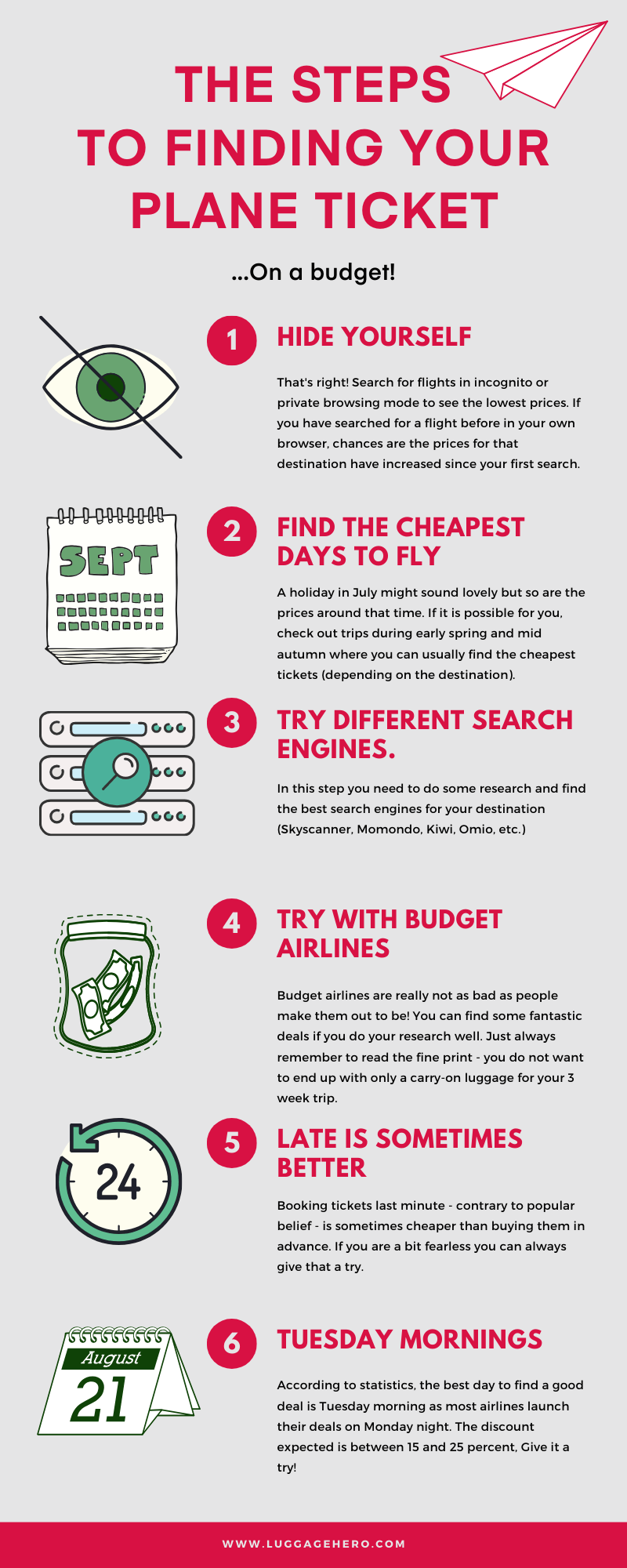
The Myth and Reality of Browser Cookies
While direct “price hiking” based on a single cookie is often overstated, airlines and OTAs certainly use tracking to create urgency. Digital “nudges”—such as “Only 2 seats left at this price”—are often triggered by session data. From a technical standpoint, the most “neutral” way to search for a ticket is through an encapsulated environment. Using a browser’s “Incognito” or “Private” mode prevents the site from reading previous session data, but it does not prevent “browser fingerprinting,” where the site identifies you based on your OS, screen resolution, and installed fonts.
Using VPNs to Navigate Regional Price Disparities
One of the most effective tech-based strategies for getting a cheaper flight ticket is the use of a Virtual Private Network (VPN). Airlines often practice “Point of Sale” (PoS) pricing. A user booking a flight from London to New York while browsing from an IP address in San Francisco may be quoted a different price than someone browsing from an IP in Mumbai or even London itself.
By using a VPN to mask your geolocation and routing your traffic through a server in a lower-income country or the airline’s home country, you can sometimes bypass regional price hikes. This works because the airline’s front-end server checks the IP’s geographic location to determine which currency and pricing table to display.
Automation and Scripts: Putting the Search on Autopilot
In an era of 24/7 digital fluctuations, manual searching is inefficient. The modern approach involves setting up automated systems that monitor the web so you don’t have to.
Setting Up Intelligent Price Alerts
Most major aggregators now offer server-side price alerts. Instead of the user polling the airline’s database, the airline’s system (or a third-party aggregator) pushes a notification via Webhooks or email when a specific price threshold is met. This is a form of “asynchronous” searching. By setting these alerts, you are essentially running a persistent query against the airline’s database, ensuring that you can act within minutes of a price drop—often before the general public is aware of the change.
Utilizing Open-Source Tools and Scripts
For those with a background in development, the search for a flight ticket can be optimized through customized scripts. Python-based libraries like Selenium or BeautifulSoup can be used to scrape specific routes, though many airlines now use advanced anti-bot protections like Cloudflare or Akamai to prevent this.
A more “white-hat” approach is using tools like “Hopper,” which uses a proprietary database of trillions of flight prices to provide a “buy or wait” recommendation based on high-probability algorithmic forecasting. By delegating the decision-making process to an AI that can analyze more data points than a human brain, you significantly increase your chances of securing the ticket at its absolute price floor.
The Future of Ticketing: Blockchain and Decentralized Distribution
The next frontier in flight procurement is the decentralization of the ticket itself. We are moving toward a world where a flight ticket is not just an entry in a centralized database, but a digital asset.
NFT Tickets and the End of Intermediaries
Several airlines are already experimenting with blockchain technology to issue tickets as Non-Fungible Tokens (NFTs). This has profound implications for how we “get” a ticket. Currently, flight tickets are non-transferable and rigid. If you cannot fly, the ticket often loses its value.
With blockchain-based ticketing, the ticket becomes a smart contract. This would allow for a secure, transparent secondary market where users could sell or trade their tickets directly with others without needing a middleman or paying exorbitant change fees. From a tech perspective, this shift would utilize decentralized ledgers to verify identity and ownership, making the process of “getting” a ticket more like managing a digital wallet.

Self-Sovereign Identity in Travel
As we move toward “Biometric Boarding” and “Digital Identity Wallets,” the process of purchasing a ticket will become more integrated with our digital personas. Using W3C standards for verifiable credentials, a traveler could share their “frequent flyer status” or “travel history” with a booking engine in a privacy-preserving way to unlock “hidden” algorithmic discounts. This is the ultimate evolution of the flight ticket: a personalized, tech-encrypted asset that recognizes the user’s value within the digital travel ecosystem.
By mastering these technological layers—from the API protocols and dynamic pricing algorithms to VPNs and automated monitoring scripts—the modern traveler moves from being a passive consumer to an active, informed participant in the global aviation network. The goal is no longer just to “buy” a ticket, but to “engineer” the most efficient acquisition possible through the strategic application of technology.
aViewFromTheCave is a participant in the Amazon Services LLC Associates Program, an affiliate advertising program designed to provide a means for sites to earn advertising fees by advertising and linking to Amazon.com. Amazon, the Amazon logo, AmazonSupply, and the AmazonSupply logo are trademarks of Amazon.com, Inc. or its affiliates. As an Amazon Associate we earn affiliate commissions from qualifying purchases.