
In today’s interconnected world, travel has become more accessible than ever, yet the cost of airfare remains a significant barrier for many. For the financially savvy individual, securing discounted flights isn’t just about saving a few dollars; it’s about optimizing a core personal finance component to unlock more experiences, extend trips, or reallocate saved funds to other crucial areas of their financial plan. This comprehensive guide delves into the strategies and financial discipline required to consistently find and book air travel at a fraction of the sticker price, transforming aspirational journeys into tangible realities.
The Financial Imperative: Why Discounted Flights Matter
Understanding the financial implications of airfare is the first step toward mastering the art of affordable travel. Every dollar saved on a flight is a dollar that can be invested, saved, or spent on enriching experiences at your destination, thereby magnifying the value of your overall travel budget.
Maximizing Your Travel Budget
For many, travel is a line item in their personal budget, often competing with other financial goals like saving for a home, retirement, or debt repayment. By strategically reducing flight costs, you effectively expand your travel budget without increasing your overall spending. This means you can afford more frequent trips, longer stays, or higher-quality experiences while adhering to your established financial parameters. It shifts the focus from merely affording a trip to maximizing the return on your travel investment.
The Hidden Costs of Air Travel
Beyond the base fare, air travel often comes with a myriad of supplementary charges: baggage fees, seat selection fees, in-flight services, and even credit card transaction fees. These hidden costs can quickly erode any perceived savings. A true discount strategy accounts for these ancillary expenses, either by finding ways to avoid them (e.g., packing light to skip checked bags) or by factoring them into the initial flight comparison to determine the actual total cost. Understanding the financial ecosystem of air travel is crucial for true savings.
Shifting Spending Towards Experiences, Not Expenses
The ultimate goal of securing discounted flights is to reallocate your financial resources more effectively. Instead of a significant portion of your travel budget being consumed by the transportation itself, savings allow you to funnel more money into experiences at your destination—local cuisine, cultural excursions, unique accommodations, or even memorable souvenirs. This strategic shift enhances the overall value and richness of your travel, ensuring your money contributes directly to creating lasting memories rather than merely covering the cost of getting there.
Strategic Planning: Timing and Flexibility as Your Allies
The most powerful tools in your arsenal for securing discounted flights are not always found in complex algorithms but in careful planning and an adaptable mindset. Financial prudence dictates that understanding market dynamics is key.
The Goldilocks Window: When to Book for Optimal Savings
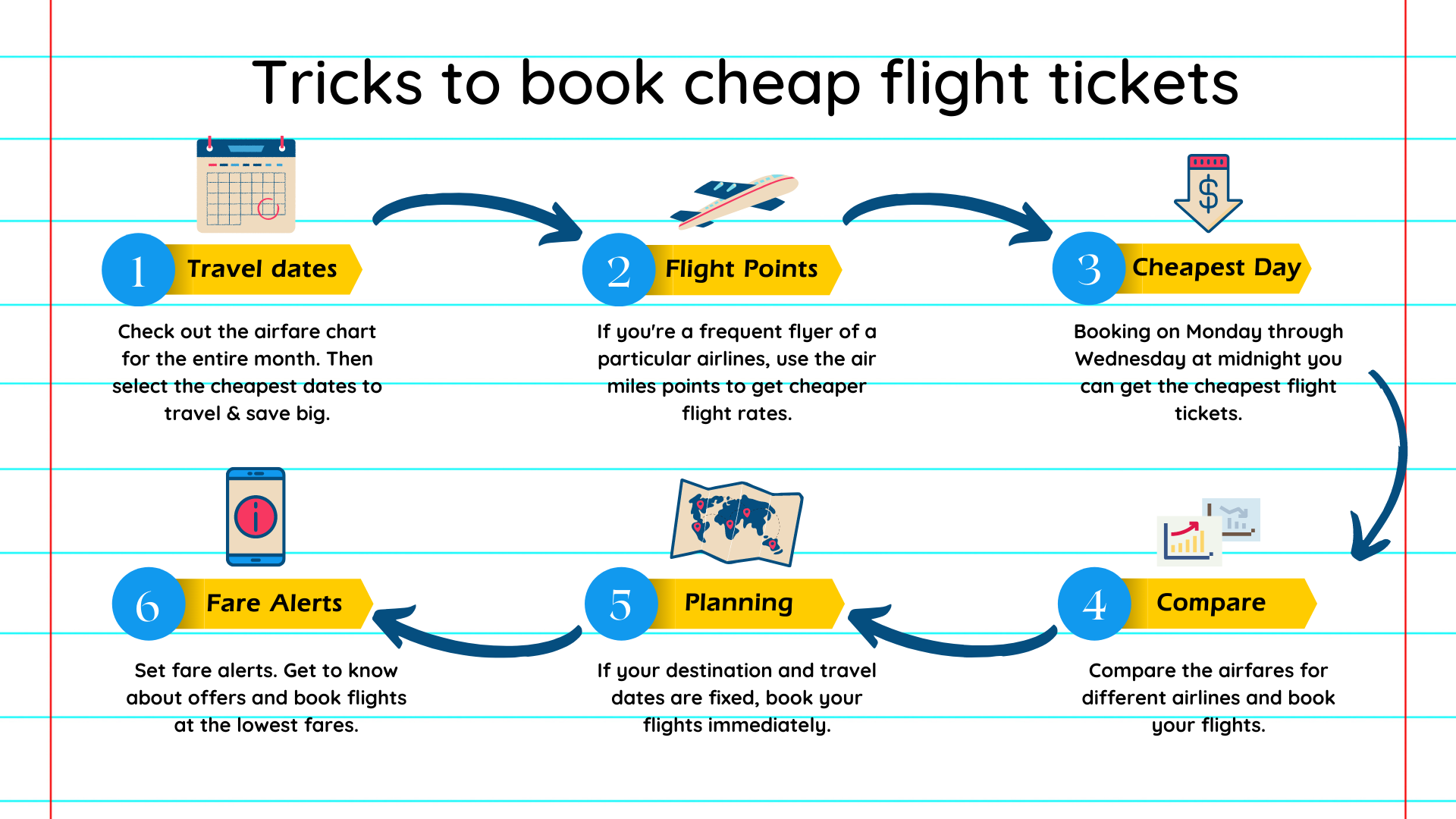
There’s an often-cited “sweet spot” for booking flights, typically referred to as the Goldilocks Window. For domestic flights, this is generally 1-3 months before departure, while international flights often see their lowest prices 2-8 months out. Booking too early can mean missing out on sales, while booking too late risks inflated last-minute fares. This window isn’t rigid but represents a period when airlines are balancing demand and supply, leading to more competitive pricing. Financially, this means resisting impulsive bookings and exercising patience.
Harnessing Off-Peak Travel Seasons
Demand dictates price. Traveling during peak seasons (holidays, summer vacations, major events) inevitably drives up airfare due to high demand. Conversely, embracing off-peak travel periods—the shoulder seasons (spring and fall in many regions) or even the true low season—can yield substantial financial savings. Not only are flights cheaper, but accommodation, activities, and even local transportation tend to be more affordable, providing a holistic financial benefit to your trip.
The Power of Flexible Dates and Destinations
Rigidity is the enemy of discounts. If your travel dates are set in stone and your destination non-negotiable, your chances of finding rock-bottom prices diminish. Financial flexibility in your schedule, even by a few days, can unlock significant savings. Many flight comparison websites offer “flexible dates” or “calendar view” options that highlight cheaper days to fly. Similarly, being open to “anywhere” or considering multiple similar destinations can expose you to significantly lower fares, as you’re no longer constrained by a single, potentially expensive, route.
Avoiding Peak Travel Traps
Be acutely aware of pricing patterns around major holidays, school breaks, and significant sporting or cultural events. Airlines strategically hike prices during these periods, knowing demand will be high regardless of cost. Financially astute travelers either plan far in advance to circumvent some of these surges or, ideally, avoid these periods entirely. Even departing a day before or after a major holiday can sometimes yield surprising savings.
Leveraging Financial Tools and Tactics for Savings
The digital age has blessed us with an array of tools designed to help consumers navigate complex markets, and flight booking is no exception. Integrating these tools into your financial planning can lead to consistent savings.
Price Comparison Websites and Aggregators
Platforms like Google Flights, Skyscanner, Kayak, and Expedia are indispensable. They consolidate flight data from hundreds of airlines and online travel agencies, allowing you to compare prices across different carriers and routes. This financial transparency empowers you to identify the most cost-effective options, ensuring you’re not overpaying by only checking a single airline’s website. Always cross-reference results to ensure you’re seeing the best available fare.
Setting Up Price Alerts and Notifications
Many comparison sites offer a crucial financial tool: price alerts. By setting up notifications for your desired route and dates, you’ll receive an email whenever the fare drops. This automates the monitoring process, saving you time and ensuring you can act quickly when a discounted price appears, without needing to constantly manually check. It’s an essential strategy for “waiting out” potentially inflated prices.

The Art of Incognito Browsing and VPNs
Airlines and online travel agencies sometimes use cookies to track your browsing history, potentially showing you higher prices on subsequent searches for the same route, based on the assumption of your high interest. While debated in its efficacy, clearing your browser’s cookies, using incognito/private browsing mode, or even a VPN to appear as if you’re searching from a different location can, in some instances, prevent dynamic pricing algorithms from inflating costs, ensuring you see the freshest, potentially lowest, price. This is a tactic for financial fairness.
Budget Airlines vs. Full-Service Carriers: A Cost-Benefit Analysis
Budget airlines (e.g., Ryanair, Spirit, Allegiant, EasyJet) are renowned for their low base fares. However, they operate on an “unbundled” pricing model, where nearly everything is an add-on: checked bags, carry-on bags, seat selection, food, and even printing your boarding pass. Full-service carriers often include some of these amenities. A crucial financial analysis involves calculating the total cost, including all necessary add-ons, for both types of airlines to determine which truly offers the better value for your specific needs. Sometimes, a slightly higher base fare on a full-service airline can be cheaper overall.
Understanding Fare Classes and Baggage Fees
Every ticket is associated with a fare class, which dictates its flexibility, upgrade potential, and often, baggage allowance. Economical fare classes (“Basic Economy”) are typically the cheapest but come with severe restrictions—no changes, no refunds, often no seat selection, and limited baggage. Financially, you must weigh the upfront savings against the potential future costs or inconveniences. Always scrutinize baggage policies; a cheap flight can become expensive if you incur hefty fees for oversized or extra luggage.
Advanced Strategies: Unlocking Deeper Discounts
Beyond the basic search and timing tactics, there are more sophisticated financial strategies to unlock even greater savings, requiring a deeper understanding of the travel industry’s financial mechanics.
Utilizing Airline Miles and Credit Card Rewards
Leveraging loyalty programs and travel-focused credit cards is a cornerstone of advanced discounted travel. Earning miles through flying, credit card spending, or sign-up bonuses can significantly reduce or even eliminate the cash cost of flights. Strategically accumulating and redeeming points requires financial discipline and a clear understanding of each program’s value, transfer partners, and redemption charts. Maximizing redemption value is often about avoiding peak travel dates or using points for premium cabins where the cash price is exorbitantly high.
Exploring Error Fares and Flash Sales
Occasionally, airlines or online travel agencies make mistakes in pricing—these are known as error fares. These can be incredibly lucrative but are rare and typically short-lived. Following “deal alert” websites or communities that specialize in finding these anomalies can give you a chance to capitalize. Similarly, flash sales are deliberate, time-sensitive promotions by airlines to fill seats, often requiring quick booking. These opportunities are pure financial windfalls for those who are prepared to act fast.
Considering Alternate Airports and Layover Strategies
Flying into or out of smaller, secondary airports near your destination can sometimes be significantly cheaper than using the main international hub. For instance, flying into London Stansted instead of Heathrow. Similarly, opting for flights with longer layovers or even self-connecting flights (booking two separate tickets for a journey) can cut costs, though it introduces more financial risk if there are delays. This strategy requires careful calculation of time versus monetary savings.
Group Travel vs. Individual Bookings: When to Strategize
For group travel, it’s not always cheaper to book all tickets together. Airlines often display the highest available fare class when a group booking is made, even if cheaper seats exist. Booking individually or in smaller pairs might sometimes reveal lower prices overall. This requires a bit of financial experimentation during the booking process to identify the optimal approach.
The Benefit of Package Deals (Flight + Hotel)
Sometimes, bundling your flight with a hotel or car rental can surprisingly result in a lower combined price than booking each component separately. Online travel agencies (OTAs) often negotiate wholesale rates for packages. While not always the case, it’s a financial comparison worth making, especially if you need accommodation or a rental car anyway.
Post-Booking Financial Prudence and What to Watch Out For
Your financial responsibility doesn’t necessarily end once you’ve clicked “purchase.” Prudent financial management extends to monitoring your booking and understanding potential pitfalls.
Monitoring Price Drops After Booking
Some airlines and OTAs offer a price guarantee or allow you to rebook at a lower fare if prices drop after your purchase (often with a fee). While less common, some credit cards offer price protection. It’s a long shot, but worth monitoring if your airline has a flexible policy. The financial gain, if successful, can be substantial.
Understanding Cancellation and Change Policies
Cheap tickets often come with stringent cancellation and change policies, usually non-refundable and incurring hefty fees for any modifications. Before booking, ensure you thoroughly understand these financial implications. For a seemingly cheap fare, the cost of a change could outweigh the initial savings, making a slightly more expensive, flexible ticket the better financial choice if your plans are uncertain.
Travel Insurance: A Financial Safety Net
While an added expense, comprehensive travel insurance can be a critical financial safeguard, particularly for expensive international trips or if you have non-refundable bookings. It can cover trip cancellations, medical emergencies abroad, lost luggage, and other unforeseen events, protecting your financial investment in the trip. Calculate the risk versus the cost; for many, it’s a wise financial decision.

Avoiding Common Scams and Misleading Offers
The pursuit of discounted flights can expose travelers to fraudulent websites, misleading offers, or hidden fees. Always book directly with reputable airlines or trusted online travel agencies. Be wary of deals that seem too good to be true, and scrutinize the final price breakdown before confirming your purchase. Financial vigilance is paramount to protect your money and your travel plans.
Securing discounted flights is an ongoing exercise in financial awareness, strategic planning, and leveraging available tools. By adopting a flexible mindset, understanding market dynamics, and meticulously comparing options, you can transform the burden of high airfare into an opportunity for significant savings, allowing you to travel more, experience more, and ultimately, get more value from your hard-earned money.
aViewFromTheCave is a participant in the Amazon Services LLC Associates Program, an affiliate advertising program designed to provide a means for sites to earn advertising fees by advertising and linking to Amazon.com. Amazon, the Amazon logo, AmazonSupply, and the AmazonSupply logo are trademarks of Amazon.com, Inc. or its affiliates. As an Amazon Associate we earn affiliate commissions from qualifying purchases.