
In an era of fluctuating inflation and rising living costs, the quest for financial efficiency has led millions of households to the doorstep of the warehouse club. Costco Wholesale has established itself as more than just a retail giant; it is a financial tool for those looking to optimize their personal or business budgets. However, acquiring a membership is not merely a transaction—it is an investment. Understanding how to get a Costco membership and, more importantly, how to select the tier that aligns with your financial goals, is the first step toward significant long-term savings.
This guide explores the logistical process of joining the club, analyzes the financial ROI of different membership levels, and provides a roadmap for integrating warehouse shopping into a sophisticated personal finance strategy.
Understanding the Membership Tiers: A Cost-Benefit Analysis
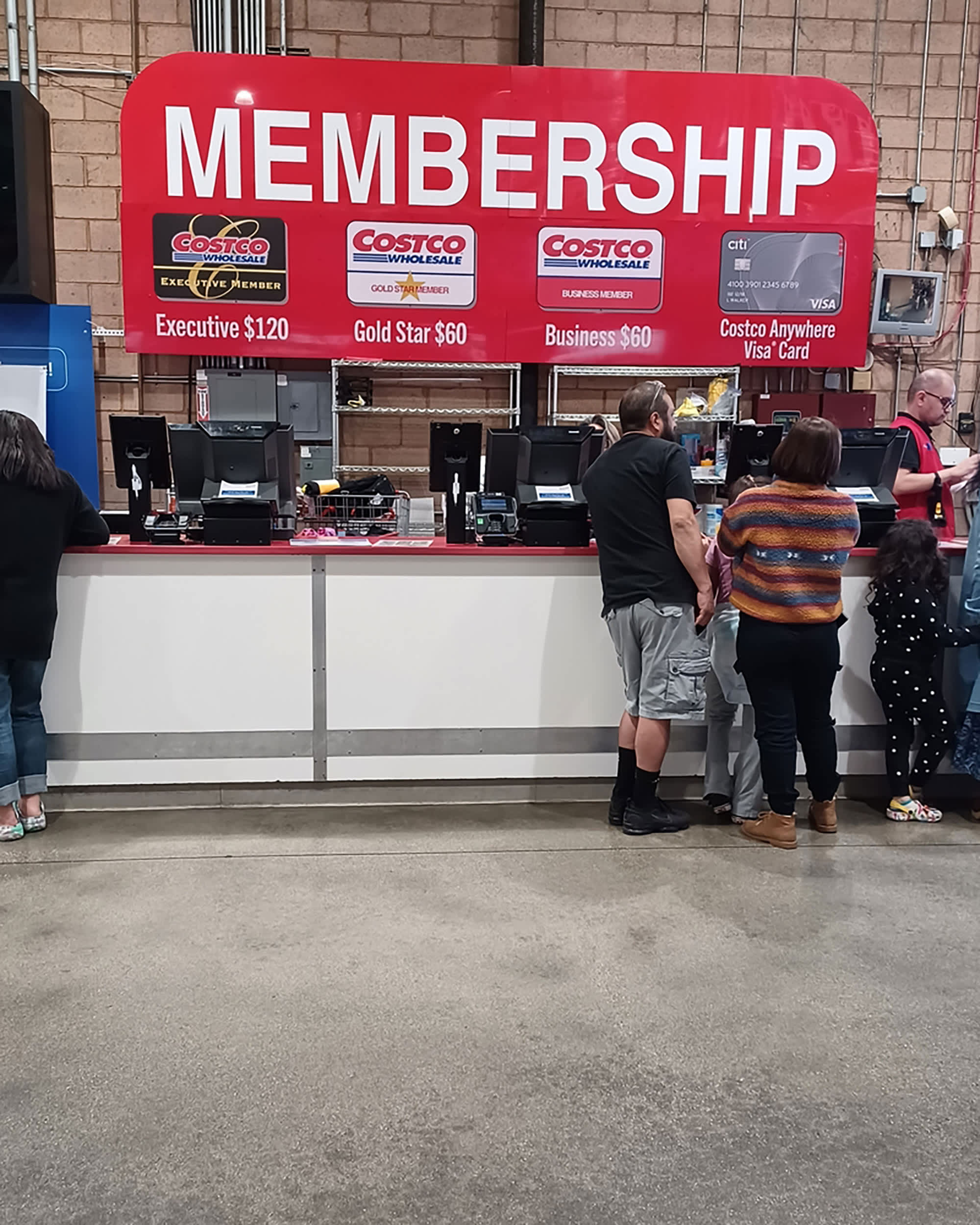
Before you walk into a warehouse or navigate to their website, you must evaluate which membership level serves your financial interests. Costco offers three primary tiers for individuals and businesses, each with a specific value proposition.
The Gold Star Membership: Entry-Level Savings
The Gold Star membership is the standard entry point for individual households. At a cost of $65 per year (plus applicable taxes), it allows you to purchase products at any Costco location worldwide and via their online platform. From a money-management perspective, this tier is ideal for small households or individuals who want access to Costco’s low unit prices without a high upfront commitment. While it provides the basic benefit of wholesale pricing, it does not offer cash-back incentives. For a household to justify this $65 expense, they must save at least $5.42 per month compared to traditional grocery store prices—a feat easily achieved through bulk purchases of staples like coffee, paper products, and proteins.
The Executive Membership: Unlocking the 2% Reward
For the financially savvy consumer, the Executive Membership is often the most lucrative option. Priced at $130 annually, it is double the cost of the Gold Star level, but it comes with a powerful financial incentive: an annual 2% Reward on qualified Costco purchases (up to $1,250 per year).
To determine the ROI of this tier, one must perform a simple break-even analysis. The $65 difference between Gold Star and Executive is recovered once a member spends $3,250 annually at Costco ($271 per month). If your monthly household expenditure on groceries, electronics, tires, and travel exceeds this amount, the Executive Membership essentially pays for itself. For high-spending households, the annual reward check can often exceed the total cost of the membership, turning a recurring expense into a net-positive financial asset.
Business Memberships: Optimizing Corporate Expenses
Designed for business owners and non-profits, the Business Membership ($65) allows for the purchase of products for business, personal, and resale use. The primary financial advantage here is the ability to add “add-on” members for an additional fee, allowing a company to streamline its procurement process. Business members must provide proof of business existence (such as a business license or resale certificate). This tier is essential for small business owners looking to reduce overhead on office supplies, breakroom snacks, and JanSan (janitorial and sanitation) products.
The Step-by-Step Process: How to Secure Your Membership
Once you have identified the correct tier for your financial profile, the process of securing the membership is straightforward. You can initiate this through two primary channels, each offering a different experience.
Online Registration vs. In-Warehouse Sign-up
The fastest way to begin is via the Costco website. After selecting your membership tier and entering your personal details, you pay the annual fee using a credit or debit card. However, the process is not entirely digital. Because Costco uses a photo-ID system to prevent membership sharing and fraud, you will eventually need to visit a physical warehouse location to have your photo taken and receive your permanent plastic card.
Alternatively, you can sign up at the “Membership Counter” located near the entrance of any warehouse. This is often the preferred method for those who want immediate access to the floor. The staff can also provide an immediate consultation on whether the Executive level is right for you based on your estimated spending.

Identity Verification and the Famous Membership Card
Whether you start online or in-person, you must present a government-issued photo ID (such as a driver’s license or passport) to finalize your account. This verification is a core part of Costco’s business model; by ensuring that memberships are non-transferable, they maintain a controlled environment that reduces “shrinkage” (theft) and allows them to keep margins incredibly thin. Once your card is issued, it acts as your “passport” to the warehouse, required both for entry and at the point of sale.
Managing Your Membership via the Mobile App
In the modern financial landscape, digital management is key. Once you have your membership number, you can register an account on the Costco app. This allows you to view your “Digital Membership Card,” which can be scanned at the register just like the physical card. More importantly, the app allows Executive members to track their 2% Reward progress in real-time, providing a transparent view of their return on investment throughout the fiscal year.
Analyzing the ROI: Is the Annual Fee Worth It?
A Costco membership should not be viewed as a status symbol, but as a calculated budgetary decision. To truly understand the value, one must look beyond the sticker price of the membership and analyze the peripheral savings.
Calculating the Break-Even Point
The true “cost” of a Costco membership is the opportunity cost of that $65 or $130. To ensure a positive ROI, members should track their savings on “staple” items. For example, if a gallon of milk is $1.00 cheaper at Costco than at a local supermarket, and a rotisserie chicken is $3.00 cheaper, a member buying these weekly would save over $200 annually—well above the cost of the Gold Star membership. When you factor in the massive savings on “Kirkland Signature” (Costco’s private label) products, which are often 20-30% cheaper than national brands while maintaining equal or higher quality, the financial argument becomes even stronger.
Strategic Spending on High-Ticket Items
Costco’s financial value is most apparent during major life events or large purchases. The warehouse offers substantial discounts on electronics, appliances, and tires. Additionally, the Costco “concierge” service provides extended warranties and technical support at no extra cost, which is a hidden financial benefit that saves members from purchasing expensive third-party insurance or protection plans. A single purchase of a television or a set of Michelin tires can often result in savings that cover several years of membership fees.
Ancillary Services: Gas, Pharmacy, and Optical Savings
Perhaps the most overlooked aspect of a Costco membership is the savings found at the “periphery” of the warehouse. Costco Gas stations are consistently priced several cents (and sometimes decimes) below the market average. For a commuter, the annual savings on fuel alone can justify the membership. Furthermore, the Costco Pharmacy and Optical departments offer highly competitive pricing on prescriptions and eyewear, often outperforming dedicated medical retailers. For those without comprehensive insurance, these services are a vital tool for managing healthcare costs.
Advanced Financial Strategies for Costco Members
To truly master the “Costco Economy,” one must move beyond simple bulk buying and employ more sophisticated financial tactics.
Leveraging the Costco Anywhere Visa® Card by Citi
For those with strong credit, pairing a membership with the Costco Anywhere Visa® Card is a masterclass in financial optimization. This card offers 4% cash back on eligible gas (up to $7,000 per year), 3% on restaurants and eligible travel, and 2% on all other purchases from Costco. When combined with the 2% Reward from an Executive Membership, a member effectively earns 4% back on almost everything they buy inside the warehouse. This “stacking” of rewards is one of the most effective ways to subsidize household expenses.
The “Unit Price” Method of Grocery Budgeting
A common pitfall of warehouse shopping is “the Costco effect”—spending more than intended because everything seems like a bargain. To maintain financial discipline, members should always shop based on unit price (price per ounce, pound, or count) rather than the total package price. Costco facilitates this by listing the unit price on every shelf tag. By comparing these unit prices to those at traditional retailers, members can ensure they are actually saving money and not just buying in larger quantities.
Maximizing Seasonal Sales Cycles
Costco operates on a predictable “coupon book” cycle, usually lasting three to four weeks. These “Member-Only Savings” provide deep discounts on top of already low wholesale prices. A disciplined financial strategy involves “stockpiling” non-perishable goods (detergent, canned goods, toiletries) when they appear in the monthly savings book. By timing purchases to these cycles, a member can lower their effective annual spend by an additional 10-15%.
In conclusion, getting a Costco membership is a strategic move for anyone serious about personal finance. By choosing the right tier, leveraging the Executive rewards, and utilizing ancillary services like gas and insurance, the annual fee ceases to be an expense and becomes a gateway to superior capital management. In the modern economy, the warehouse club is not just a place to shop; it is a critical component of a lean, efficient financial life.
aViewFromTheCave is a participant in the Amazon Services LLC Associates Program, an affiliate advertising program designed to provide a means for sites to earn advertising fees by advertising and linking to Amazon.com. Amazon, the Amazon logo, AmazonSupply, and the AmazonSupply logo are trademarks of Amazon.com, Inc. or its affiliates. As an Amazon Associate we earn affiliate commissions from qualifying purchases.