
In an increasingly interconnected world, the allure of travel remains undiminished. However, the cost of airfare can often be the most significant barrier, transforming dream destinations into distant fantasies. For the financially savvy traveler, securing the cheapest flight isn’t merely about luck; it’s a strategic endeavor rooted in astute financial planning, market understanding, and leveraging the right tools. This comprehensive guide delves into the tactics and insights necessary to consistently find affordable airfare, empowering you to explore more without depleting your savings.
Mastering the Art of Strategic Booking for Financial Advantage
The price of an airline ticket is a volatile entity, fluctuating based on a myriad of factors from demand and supply to time of year and even the day of the week. Understanding these dynamics is the first step in financially optimizing your travel plans.
Timing Your Purchase for Optimal Savings
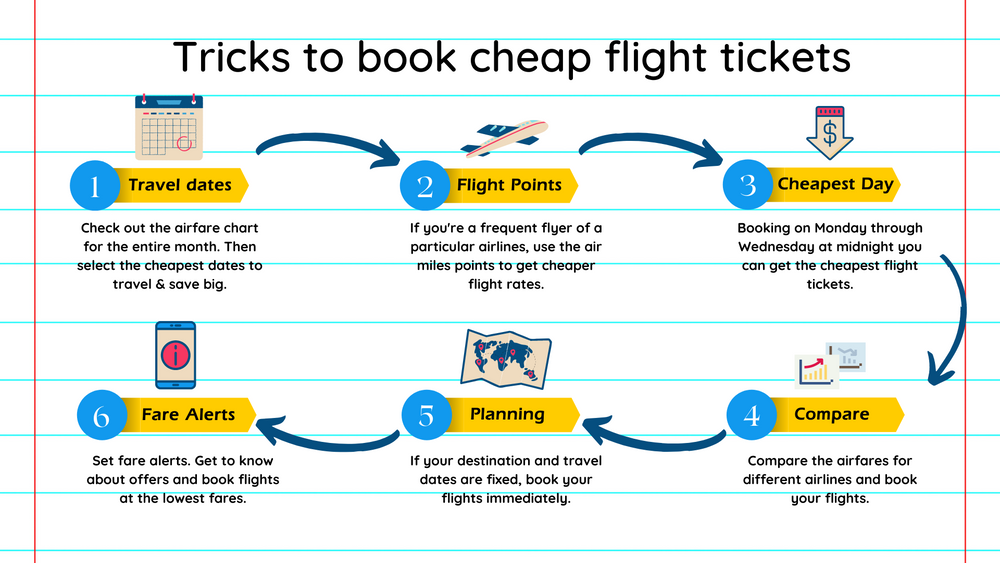
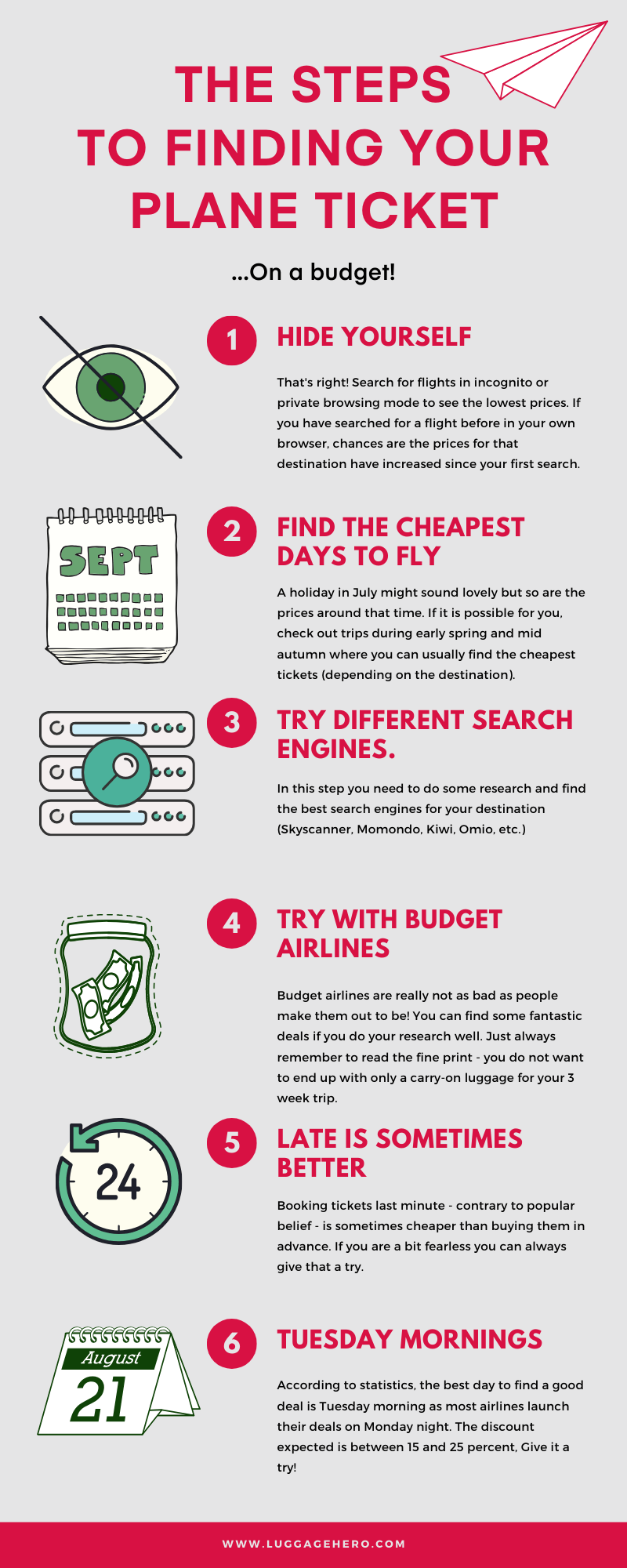
One of the most persistent myths in travel finance is that booking last minute guarantees a bargain. While occasional flash sales can occur, general wisdom and data suggest otherwise. The “sweet spot” for domestic flights often falls between 1-3 months before departure, extending to 2-8 months for international journeys. Booking too early can be as detrimental as booking too late, as airlines often set initial prices high to capture early planners, then adjust downward before a final upward surge as departure nears.
Furthermore, the day you book and the day you fly significantly impact cost. Tuesdays, Wednesdays, and Saturdays are frequently cited as the cheapest days to fly, primarily due to lower business travel demand. Similarly, Tuesday, Wednesday, and sometimes Thursday are often the best days to purchase tickets, as airlines tend to release sales early in the week after weekend demand has been assessed. Avoiding peak travel seasons – major holidays, school breaks, and summer months – can yield substantial savings, redirecting those funds to experiences at your destination.
Leveraging Flexibility in Dates and Destinations
Flexibility is perhaps the most potent financial weapon in a traveler’s arsenal. If your travel dates are rigid, you’re at the mercy of the market. However, if you can shift your departure or return by a few days, you might unlock significantly lower fares. Many flight comparison tools offer “flexible date” searches, displaying a calendar view of prices over an entire month or even year, allowing you to visually identify the cheapest windows.
Beyond dates, being open to your destination can be revolutionary for your travel budget. Instead of fixating on a single city, consider searching for flights to “Everywhere” from your departure point. This feature, available on platforms like Skyscanner and Google Flights, can reveal incredibly cheap flights to unexpected locales, sparking new adventures you hadn’t even considered. The financial advantage here is profound: instead of forcing a trip to an expensive destination, you pivot to where your money stretches furthest, essentially getting more travel for less investment.
Understanding Fare Classes and Hidden Costs
Not all tickets are created equal, and discerning the nuances of fare classes is crucial for a complete financial assessment. “Basic Economy” tickets, while appealingly cheap upfront, often come with restrictions that can quickly erode savings if you’re not careful. These might include no seat selection, strict baggage allowances (often only a personal item, with carry-on or checked bags costing extra), no changes allowed, and being the last to board. For a short, solo trip with minimal luggage, basic economy might be a financial boon. However, for longer journeys, family travel, or those requiring flexibility, the cumulative cost of add-ons can make a standard economy ticket a more economical choice. Always read the fine print to avoid nasty financial surprises post-purchase.
Harnessing Technology for Financial Advantage in Flight Search
In the digital age, technology is an indispensable ally in the quest for the cheapest flights. A plethora of online tools and strategies can provide unparalleled market insights and price tracking capabilities, transforming a daunting task into an efficient financial exercise.
Employing Flight Comparison Engines and Aggregators
The days of checking individual airline websites are largely over. Flight comparison engines like Google Flights, Skyscanner, Kayak, Momondo, and Expedia are powerful aggregators that scan thousands of routes and airlines, presenting you with a comprehensive overview of options. Each platform has its unique strengths:
- Google Flights: Excellent for flexible date searches, exploring multiple destinations, and visualizing price trends on a calendar. Its “explore” feature is fantastic for open-ended travel planning.
- Skyscanner: Known for its “Everywhere” search and its ability to find flights from a broader range of budget airlines that might not appear on other aggregators.
- Kayak: Offers a “Hack Trip” feature that suggests combining one-way tickets from different airlines for potential savings, and its price prediction tool can be useful.
- Momondo: Often finds slightly different results and can be good for unearthing deals on lesser-known carriers.
The financial strategy here is to not rely on just one. Cross-referencing results across 2-3 different aggregators ensures you’re seeing a wider array of prices and aren’t missing out on a better deal an algorithm might have overlooked.
Setting Up Price Alerts and Tracking Tools
One of the most passive yet effective financial strategies is to let technology do the heavy lifting of price monitoring. Most flight comparison sites and dedicated apps (like Hopper or Airfarewatchdog) allow you to set up price alerts for specific routes and dates. You’ll receive email or push notifications when prices drop, enabling you to snap up a deal the moment it appears.
Hopper, for instance, not only tracks prices but also offers predictions on whether prices are likely to rise or fall, advising you on the best time to buy. This predictive analytics approach turns a reactive search into a proactive financial decision, helping you avoid overpaying and ensuring you invest your money at the optimal moment. For specific airlines you frequent, sign up for their newsletters directly; they often announce exclusive sales before they hit aggregators.
The Power of Incognito Mode and VPNs
A widely debated topic in flight booking circles is the impact of browser cookies and IP addresses on ticket prices. The theory suggests that airlines and online travel agencies (OTAs) track your search history, and if you repeatedly check a specific flight, the price might subtly increase, pressuring you to book. While direct evidence of this “dynamic pricing” in such a direct manner is scarce and often debunked by industry experts, it doesn’t hurt to cover your bases.
Using your browser’s incognito or private browsing mode clears your cookies and effectively makes each search a “fresh” one from the perspective of the website. Some travelers also experiment with Virtual Private Networks (VPNs) to mask their IP address and make it appear as though they are browsing from a different geographic location. The idea is that prices can vary based on the country of origin due to regional pricing strategies or currency exchange rates. While the actual financial impact of these tactics might be minor or even negligible in many cases, they are simple to implement and represent a no-cost effort to ensure you’re getting the most transparent pricing available.
Smart Tactics Beyond the Search Engine for Enhanced Value
While online tools are powerful, savvy travelers understand that the cheapest flights sometimes require looking beyond the most obvious digital pathways and embracing more unconventional strategies.
Exploring Alternative Airports and Stopovers
Many major cities are served by multiple airports. Flying into a smaller, secondary airport (e.g., London Stansted vs. Heathrow, Chicago Midway vs. O’Hare) can often be significantly cheaper due to lower landing fees for airlines and less demand. While the ground transportation cost and time from a secondary airport need to be factored into your overall financial equation, the potential savings on airfare can often outweigh these additional expenses, especially for groups or budget-conscious individuals.
Similarly, don’t shy away from flights with longer layovers or multiple stops. Direct flights are convenient, but that convenience often comes at a premium. A flight with an extra stop or a longer connection time can shave hundreds off the ticket price. For the truly adventurous and budget-focused, a “long layover” can even be viewed as a bonus mini-trip, allowing you to explore an additional city for a few hours or even overnight, effectively getting two destinations for the price of one flight. This “stopover strategy” requires careful planning but represents significant financial leverage.
Capitalizing on Loyalty Programs and Credit Card Perks
For frequent flyers, or even those planning a single significant trip, loyalty programs and travel credit cards are indispensable financial tools. Airline loyalty programs allow you to accrue miles with each flight, which can eventually be redeemed for free or heavily discounted tickets. The key is to consolidate your travel with a specific airline alliance (e.g., Star Alliance, SkyTeam, Oneworld) to maximize your points accumulation.
Travel credit cards offer an even more direct path to savings. Many come with generous sign-up bonuses (e.g., 50,000-100,000 miles/points after spending a certain amount), often enough for a round-trip international flight. Beyond bonuses, these cards offer perks like free checked bags, priority boarding, airport lounge access, and enhanced earning rates on travel-related purchases. The financial strategy here is to use these cards responsibly, paying off balances in full each month to avoid interest, and strategically using points for high-value redemptions. For a well-managed budget, these cards effectively subsidize your travel costs.
Considering Budget Airlines and Package Deals
Budget airlines (e.g., Spirit, Ryanair, EasyJet, Frontier) have revolutionized travel by offering incredibly low base fares. Their business model is built on unbundling services, meaning you pay for every add-on: baggage, seat selection, in-flight refreshments, and even printing your boarding pass at the airport. While the base fare can be irresistibly cheap, it’s crucial to calculate the total cost including all necessary add-ons before declaring it the “cheapest.” For disciplined travelers who can pack light and forgo luxuries, budget airlines are a financial godsend.
Alternatively, for those seeking a more comprehensive travel solution, package deals (flight + hotel, or flight + hotel + car) offered by OTAs like Expedia, Travelocity, or Costco Travel can sometimes present significant savings compared to booking each component separately. While it might seem counterintuitive to buy more to save money, aggregators often have negotiated rates with hotels and airlines that allow them to offer substantial discounts on bundled services. This strategy is particularly effective for vacation planning, as it simplifies budgeting and can lead to greater overall financial value.
Avoiding Common Pitfalls and Maximizing Value
The pursuit of the cheapest flight isn’t just about finding the lowest number; it’s about maximizing the value of your travel investment. This involves understanding market complexities and guarding against common financial traps.
Deciphering Dynamic Pricing and Algorithmic Fluctuations
The airline industry employs sophisticated dynamic pricing algorithms that adjust fares in real-time based on demand, time of day, competitor pricing, and even the type of device you’re using. This means a price seen one hour might be different the next. While frustrating, understanding this volatility means recognizing that there isn’t always a single “cheapest” moment. The best approach is to track prices using alerts, and when you see a price that aligns with your budget and is historically low for your desired route, be prepared to book. Obsessive tracking can lead to paralysis; trust your research and act decisively when a good deal appears.
Beware of Hidden Fees and Upsells
The “sticker price” of a flight can be deceptive. Airlines, especially budget carriers, are masters of the upsell. Common fees include checked baggage, carry-on baggage (beyond a personal item), seat selection, priority boarding, in-flight meals/drinks, Wi-Fi, and even booking fees on third-party sites. When comparing flights, always factor in these potential additional costs to arrive at the true “all-in” price. A slightly more expensive base fare on a full-service airline might actually be cheaper than a budget airline once all fees are accounted for. This vigilant financial assessment prevents costly surprises at the airport.
The True Cost of “Cheap” – Balancing Savings with Comfort
Finally, the cheapest flight isn’t always the best flight. A heavily discounted ticket might involve an extremely long layover in an inconvenient city, a red-eye flight arriving at an ungodly hour, or a route requiring multiple connections that add significant travel time and potential stress. While financial savings are paramount, there’s a point where the cost of convenience, comfort, and sanity outweighs the monetary benefit. Assess your personal tolerance for discomfort and inconvenience. Is saving $50 worth an extra 8 hours of travel time or a night sleeping on an airport bench? Balancing your budget with your personal travel preferences ensures that your pursuit of cheap flights leads to a genuinely rewarding travel experience, rather than one defined by buyer’s remorse.
Long-Term Financial Planning for Travel
Securing cheap flights is an immediate financial win, but integrating travel into a broader personal finance strategy ensures sustainable exploration.
Budgeting for Travel Expenses
The flight is just one component of travel costs. A comprehensive travel budget should include accommodation, local transportation, food, activities, travel insurance, and an emergency fund. By clearly delineating these categories, you gain a holistic financial picture of your trip. Using budgeting apps or spreadsheets allows you to track expenses against your plan, preventing overspending and ensuring you don’t return home to financial stress. This proactive budgeting approach turns aspirational travel into an achievable financial goal.
Building a Travel Fund
For many, travel feels like an occasional splurge. However, by establishing a dedicated travel fund, you transform it into a regular savings goal. Set up automated transfers from your checking account to a separate savings account specifically earmarked for travel. Even small, consistent contributions can accumulate significantly over time. This approach not only makes travel financially viable but also removes the guilt often associated with spending on leisure, as the money has been deliberately saved for that purpose. It frames travel as an investment in experiences, not just an expense.

Strategic Use of Financial Tools for Travel
Beyond travel credit cards, explore other financial tools that can enhance your travel experience and save money. Multi-currency debit cards or cards with no foreign transaction fees can prevent you from losing money on currency conversions. Some financial apps offer features that round up your purchases and put the difference into a travel fund. Continuously educating yourself on the best financial products and practices for travelers can lead to continuous savings and smarter money management, ensuring that your quest for cheap flights is part of a larger, well-orchestrated financial journey.
In conclusion, finding the cheapest flight is an accessible goal for anyone willing to invest time in research and strategy. By understanding market dynamics, leveraging technology, employing smart booking tactics, and integrating travel into your overall financial planning, you can significantly reduce your airfare expenses. This empowers you to travel more frequently, explore new horizons, and create lasting memories without compromising your financial well-being. Happy travels!
aViewFromTheCave is a participant in the Amazon Services LLC Associates Program, an affiliate advertising program designed to provide a means for sites to earn advertising fees by advertising and linking to Amazon.com. Amazon, the Amazon logo, AmazonSupply, and the AmazonSupply logo are trademarks of Amazon.com, Inc. or its affiliates. As an Amazon Associate we earn affiliate commissions from qualifying purchases.