
In the landscape of modern personal finance, the ability to seamlessly access and share your banking credentials is the cornerstone of effective money management. Whether you are setting up a direct deposit for a new career opportunity, automating your monthly bill payments, or initiating a high-value wire transfer, your Chase account and routing numbers are the primary identifiers that facilitate these transactions. As one of the largest financial institutions in the world, JPMorgan Chase offers a variety of streamlined digital and physical methods to retrieve this information. Understanding how to find these details—and more importantly, how to use them securely—is an essential skill for anyone looking to master their financial tools.
Understanding the Significance of Routing and Account Numbers in Modern Finance
Before diving into the “how-to,” it is crucial to understand the “what” and “why.” In the United States banking system, these two strings of numbers act as a digital GPS for your money. Without them, the vast network of the Automated Clearing House (ACH) and wire transfer systems would be unable to route funds accurately between institutions.
What is an ABA Routing Number?
The American Bankers Association (ABA) routing number is a nine-digit code that identifies a specific financial institution. For a bank as large as Chase, routing numbers can vary depending on the state where the account was opened. This number tells the financial system, “This money belongs at JPMorgan Chase in the state of New York (or California, Texas, etc.).” It is essentially the address of the bank itself.
Account Numbers: Your Unique Financial Identity
While the routing number identifies the bank, your account number identifies you. This unique string of digits—typically between 8 and 12 digits long—is specific to your checking, savings, or brokerage account. It ensures that when money arrives at Chase via the routing number, it is deposited into the correct individual bucket.
Why Accuracy Matters for Transfers and Deposits
In the world of personal finance, a single digit error can lead to significant delays. If you provide an incorrect routing or account number for a direct deposit, your paycheck may be “returned to sender,” a process that can take days or even weeks to resolve. Similarly, when paying bills, an error can result in late fees and negative impacts on your credit score. Knowing exactly where to find these numbers and double-checking them against official sources is a fundamental practice of financial literacy.
Digital Access: Finding Your Chase Information via Mobile and Desktop
As digital banking becomes the standard, most users will find it easiest to retrieve their account and routing numbers through Chase’s robust online platforms. Chase has invested heavily in its digital infrastructure to ensure that sensitive financial data is both accessible to the user and protected from unauthorized actors.
Using the Chase Mobile App
The Chase Mobile app is perhaps the most convenient tool for on-the-go financial management. To find your numbers:
- Log in to your Chase Mobile app using your biometric data (Face ID/Fingerprint) or passcode.
- Select the account: Tap on the specific checking or savings account for which you need the details.
- Account Details: Once inside the account view, look for a link or tab labeled “Account details” (often found near the top under the account name).
- View Numbers: Here, the app will display your routing number and the last four digits of your account number. To see the full account number, you may need to tap a “Show” or “Eye” icon, which might trigger an additional security prompt.
Navigating the Chase Online Banking Portal
For those who prefer a desktop experience for more complex financial tasks, the Chase website offers a clear path to your information:
- Sign in to your account at Chase.com.
- Account Overview: On the main dashboard, click on the specific account you are interested in.
- Show Details: Beneath the account title and current balance, there is typically a “See full account number” or “Account info” link.
- Electronic Statements: If you cannot find the direct display, clicking on “Statements” and opening a PDF of your most recent monthly statement will always list both the routing and account numbers in the header or the summary section.
Security Protocols for Accessing Sensitive Data
When accessing these numbers digitally, Chase employs multi-factor authentication (MFA). This is a critical security feature in the “Money” niche. If you are logging in from a new device, be prepared to receive a one-time passcode via SMS or email. Never share these codes with anyone, and always ensure you are on the official Chase domain or app to avoid phishing attempts.
Physical and Paper-Based Methods to Retrieve Your Details
Despite the shift toward paperless banking, physical documents remain a reliable and “low-tech” way to verify your banking information. In many financial circles, a voided check is still the gold standard for verifying account details for payroll departments.
Reading a Paper Check
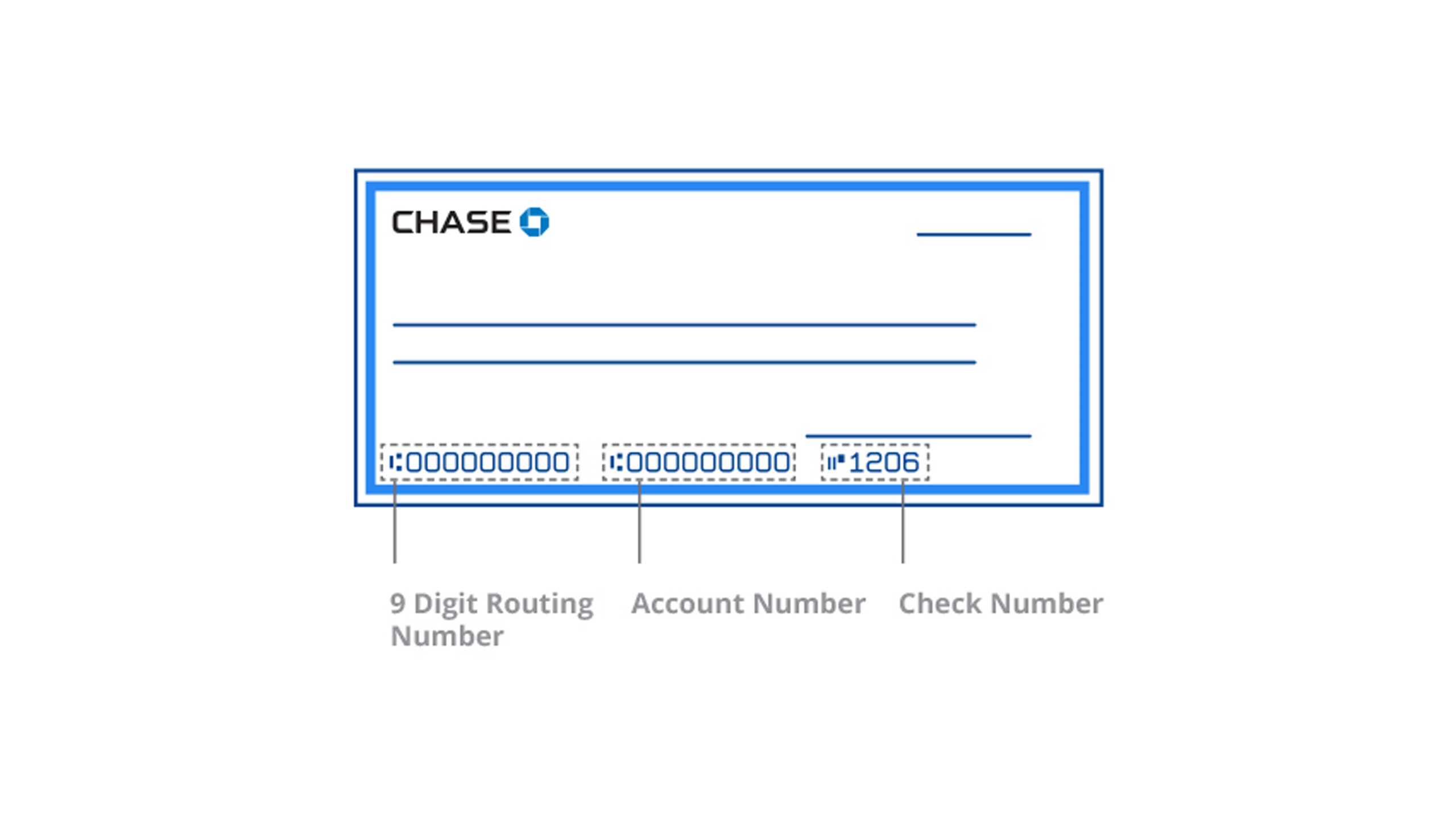
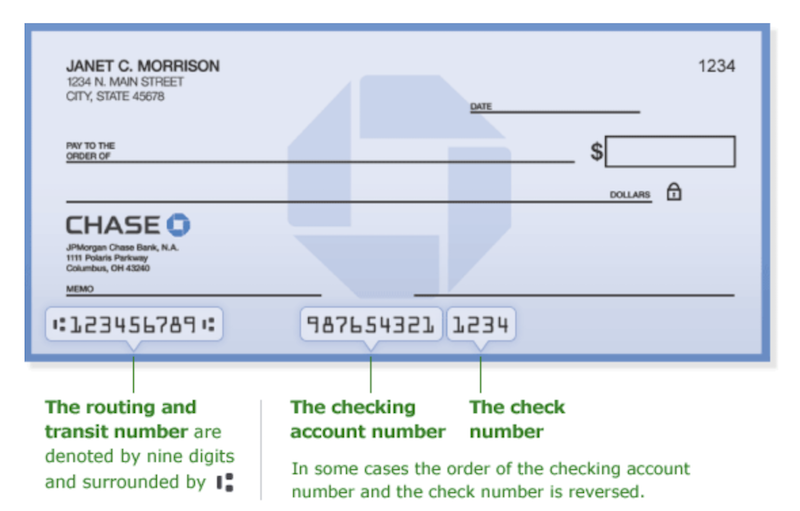
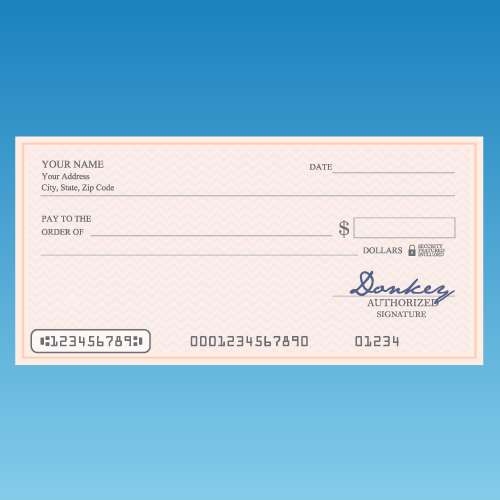
If you have a Chase checkbook, your account and routing numbers are printed at the very bottom of every check using Magnetic Ink Character Recognition (MICR) font.
- The First Set (9 Digits): This is your ABA routing number. It is always nine digits long and is located on the far left.
- The Second Set: This is your account number. It follows the routing number and is usually separated by a small symbol.
- The Third Set: This is the specific check number, which you do not need for setting up deposits or transfers.
Locating Details on Monthly Statements
Your monthly bank statement is a legal document that contains a wealth of financial data. Beyond your transaction history, the statement header provides your full account number and the specific routing number associated with your branch’s region. If you receive paper statements in the mail, it is wise to keep them in a secure, locked location, as they contain enough information for someone to initiate unauthorized ACH transfers.
Visiting a Chase Branch or Using Phone Support
If you are unable to access your information digitally and do not have a checkbook, you can always go the traditional route. By visiting a Chase branch with a valid government-issued ID, a personal banker can provide you with your account details and even print a “direct deposit form” that includes all necessary routing information. Alternatively, you can call Chase customer service, though for security reasons, they may be limited in what they can disclose over the phone without extensive identity verification.
Best Practices for Financial Security and Information Management
Once you have successfully retrieved your Chase account and routing numbers, your focus should shift to the strategic management and protection of this data. In the realm of business and personal finance, these numbers are the “keys to the kingdom.”
Protecting Your Account Details from Phishing
Cybercriminals often use phishing emails or “smishing” (SMS phishing) to trick users into revealing their banking details. They may pose as Chase security alerts, claiming your account has been compromised. Remember: Chase will never ask you to provide your full account number or password via a link in an unsolicited email. Always navigate directly to the official app or website.
When to Share Your Information (and When Not To)
You should only share your account and routing numbers with trusted entities. This includes:
- Your Employer: For payroll and direct deposit.
- Government Agencies: For tax refunds (IRS) or Social Security benefits.
- Established Utility/Service Providers: For automated bill pay.
- Reputable Brokerages: For funding investment accounts (like Vanguard, Fidelity, or Schwab).
Avoid sharing these details with individuals or unverified “side hustle” platforms that do not have a secure, encrypted portal for financial data entry.
Setting Up Direct Deposits and Automated Payments
Mastering your Chase account details allows you to optimize your cash flow. By setting up direct deposit, you often gain access to your funds faster than with a physical check. Furthermore, using your account and routing numbers for “ACH Pull” payments (where the company pulls the money from your account) is often more reliable than using a debit card, as cards can expire or be canceled due to fraud, whereas account numbers remain constant unless you choose to close the account.
In conclusion, knowing how to get your Chase account and routing number is more than just a technical necessity; it is a fundamental part of managing your financial identity. By utilizing the Chase Mobile app, online portal, or physical checks, you can quickly find the information you need to fuel your financial life. Treat these numbers with the same level of security as your Social Security number, and you will ensure that your path to wealth and financial stability remains secure and efficient.
aViewFromTheCave is a participant in the Amazon Services LLC Associates Program, an affiliate advertising program designed to provide a means for sites to earn advertising fees by advertising and linking to Amazon.com. Amazon, the Amazon logo, AmazonSupply, and the AmazonSupply logo are trademarks of Amazon.com, Inc. or its affiliates. As an Amazon Associate we earn affiliate commissions from qualifying purchases.