
In the intricate world of business, where every transaction tells a story, accurate financial record-keeping is not just a necessity—it’s the backbone of sustainable growth. Bookkeeping, at its core, is the systematic recording of financial transactions, serving as the first step in the accounting process. For businesses of all sizes, from bustling corporations to burgeoning startups and independent entrepreneurs, sound bookkeeping practices are paramount for financial health, regulatory compliance, and informed decision-making.
While many might view bookkeeping as a mere administrative task, the reality is far more strategic. Skilled bookkeepers provide critical insights into a company’s financial standing, manage cash flow, prepare essential reports, and often serve as the bridge to more complex accounting functions. As the demand for transparent and efficient financial management grows, so too does the value of qualified professionals in this field. This is where certification becomes a game-changer, transforming an interest into a credible, career-defining profession rooted deeply in the principles of sound financial stewardship and offering diverse pathways to financial independence.
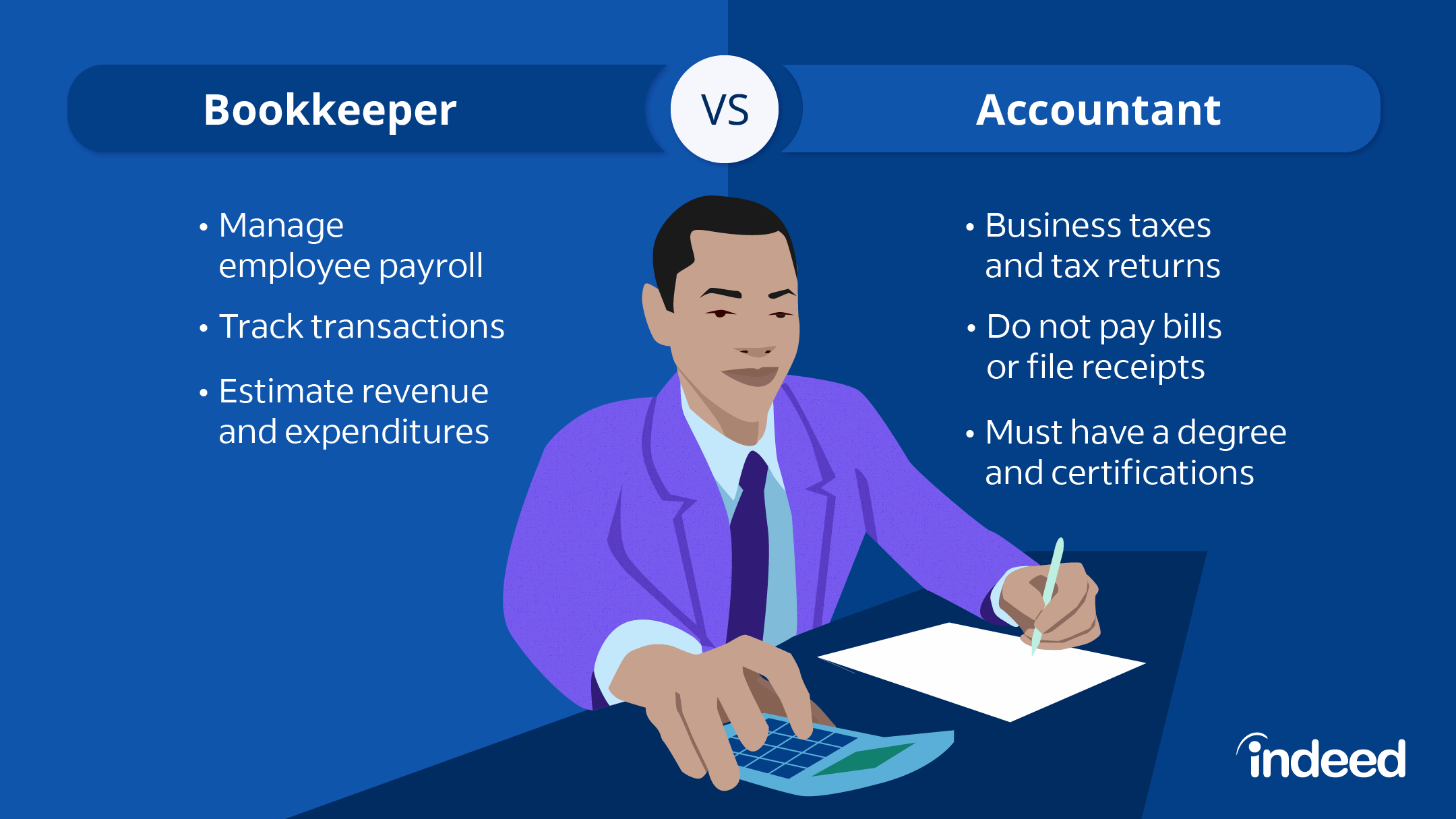
The Value Proposition of Bookkeeping Certification
Embarking on the journey to become a certified bookkeeper is more than just acquiring a piece of paper; it’s an investment in your financial future and a strategic move to solidify your professional standing. In a marketplace increasingly valuing demonstrable skills and verified expertise, certification provides a crucial competitive edge, opening doors to enhanced income opportunities and a robust understanding of business finance.
Enhanced Credibility and Trust
In any financial role, trust is paramount. Clients and employers seek professionals who can handle their financial data with accuracy, integrity, and a deep understanding of complex regulations. A bookkeeping certification acts as a powerful third-party validation of your skills and knowledge, signaling to potential clients and employers that you meet established industry standards. This credibility is particularly vital for those looking to offer freelance bookkeeping services, where establishing trust quickly is key to attracting and retaining clients. It assures stakeholders that you possess the necessary expertise to manage their financial records meticulously, comply with tax laws, and provide reliable financial insights—all critical elements of sound business finance.
Expanded Career and Income Opportunities
Certification significantly broadens your career horizons within the financial sector. Beyond traditional in-house roles, certified bookkeepers are highly sought after for remote work, contract positions, and as independent contractors. This flexibility allows for diverse income streams, from part-time side hustles to full-fledged online businesses. Certified professionals often command higher rates, reflecting the specialized knowledge and reliability they bring to the table. For individuals aiming for financial independence, certification can be a launchpad for establishing a thriving online bookkeeping practice, serving multiple clients across various industries, and ultimately increasing their earning potential significantly. It’s a direct pathway to leveraging your financial skills for direct economic benefit.
Mastery of Essential Financial Principles
A comprehensive bookkeeping certification program goes beyond teaching you how to input data; it immerses you in the fundamental principles of accounting, financial reporting, and tax compliance. You’ll gain a thorough understanding of the general ledger, accounts payable and receivable, payroll processing, and financial statement preparation. This foundational knowledge is invaluable, equipping you to not only perform tasks but also to understand the ‘why’ behind them, enabling you to offer insightful advice and proactively identify financial discrepancies or opportunities. Such a deep dive into business finance ensures you’re not just a record-keeper, but a true financial asset, capable of contributing to a business’s fiscal health and strategic financial planning.
Navigating the Certification Landscape
With various certifications available, understanding your options and aligning them with your career goals is a critical step. Each certification brings its unique focus and set of requirements, influencing its relevance to different segments of the money landscape—from small business finance to specialized financial tools.
Key Certifications to Consider
Several prominent certifications stand out for aspiring bookkeepers, each offering distinct advantages:
-
Certified Bookkeeper (CB): Offered by the American Institute of Professional Bookkeepers (AIPB), this is one of the most recognized certifications. It focuses on core bookkeeping competencies, including adjusting entries, error correction, payroll, and depreciation. The CB designation signifies a high level of proficiency in practical bookkeeping applications, directly benefiting small to medium-sized businesses and individuals seeking a robust foundation for their financial management careers.
-
QuickBooks Certified User (QBCU) / ProAdvisor: Intuit, the maker of QuickBooks, offers certifications that validate proficiency in using their widely adopted accounting software. The QBCU is geared towards individuals, while the QuickBooks ProAdvisor program is designed for accounting professionals who assist clients with QuickBooks. Given QuickBooks’ dominance as a financial tool for small businesses, these certifications are invaluable for those planning to offer services to a broad client base, directly impacting their capacity for online income and side hustles.
-
Xero Advisor Certification: For those focused on cloud-based accounting solutions, Xero offers its own certification. As Xero gains popularity, especially among tech-savvy startups and international businesses, this certification is increasingly beneficial. It positions bookkeepers to serve clients who prefer modern, online financial tools, expanding their market reach for remote work and specialized services.
-
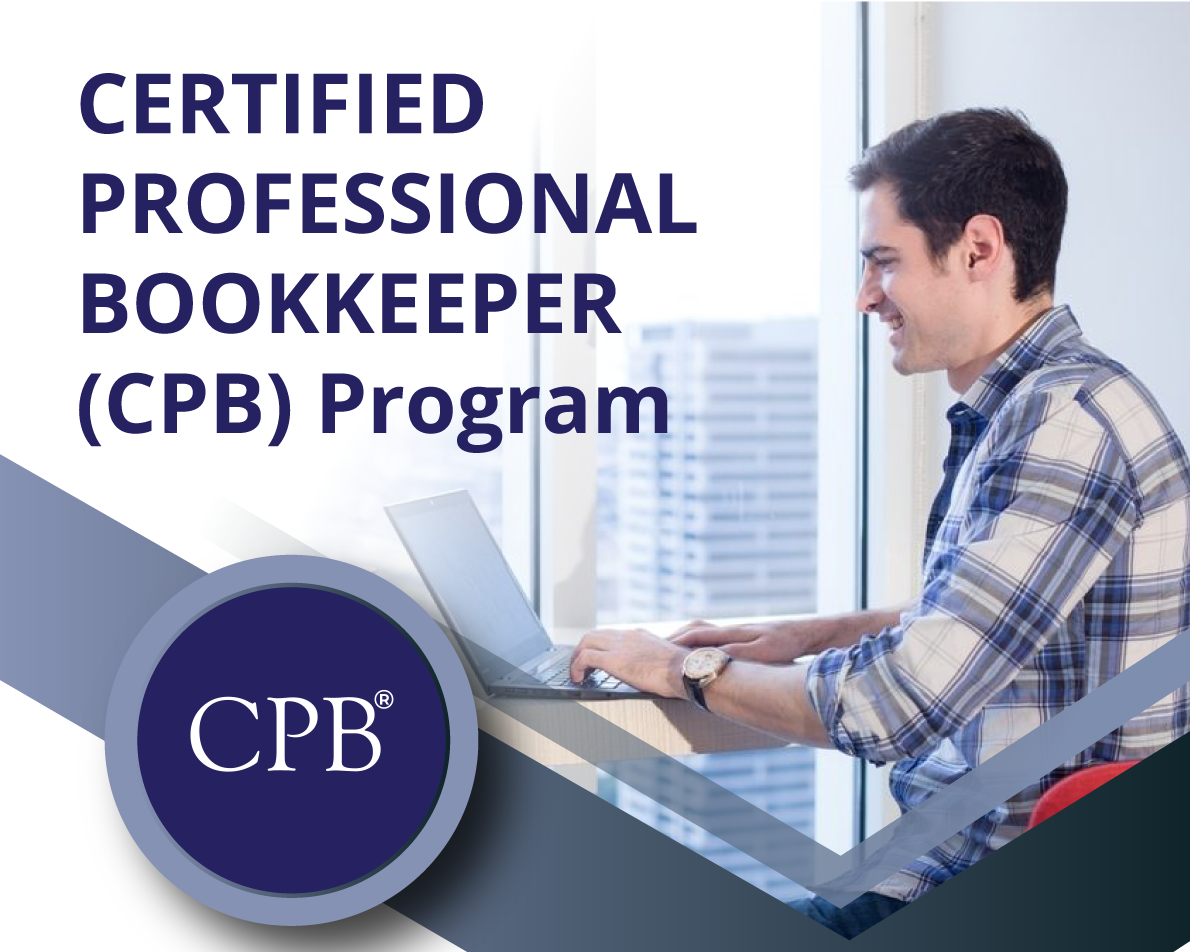
National Association of Certified Public Bookkeepers (NACPB) Certifications: The NACPB offers various certifications, including Certified Public Bookkeeper (CPB), Certified Payroll Specialist (CPS), and Certified QuickBooks Specialist (CQS). These comprehensive programs cover a wide array of financial tasks, providing a well-rounded skill set for diverse business finance needs.
Prerequisites and Exam Requirements
While specific requirements vary by certification body, common prerequisites generally include a high school diploma or equivalent. Many programs recommend or require some level of professional experience (e.g., 2-3 years of full-charge bookkeeping experience for the AIPB CB) to ensure candidates have practical application knowledge. Exams typically consist of multiple-choice questions, but some may include practical exercises to assess proficiency in real-world scenarios. Preparation often involves dedicated study of accounting principles, tax regulations, and specific software functionalities. Understanding these requirements is key to strategizing your educational investment for maximum financial return.
Choosing the Right Program for Your Goals
Your selection of a certification program should align directly with your financial and career aspirations. Consider:
-
Your Target Market: Do you plan to work with small businesses, large corporations, or specialize in a niche industry? Some certifications are more relevant to specific business finance environments.
-
Your Budget and Timeline: Evaluate the cost of certification programs, including study materials and exam fees, and the time commitment required. This is a direct financial investment in your future.
-
Your Preferred Financial Tools: If you aim to specialize in a particular accounting software, a vendor-specific certification (like QuickBooks or Xero) might be most beneficial.
-
Your Current Experience Level: Some certifications cater to beginners, while others require existing experience, influencing the stepping stone you need for your career progression and income potential.
Pathways to Certification: Education and Training
The journey to becoming a certified bookkeeper is flexible, offering various educational and training avenues that cater to different learning styles, schedules, and financial capacities. Choosing the right path is crucial for optimizing your investment in your professional development.
Self-Study vs. Structured Courses
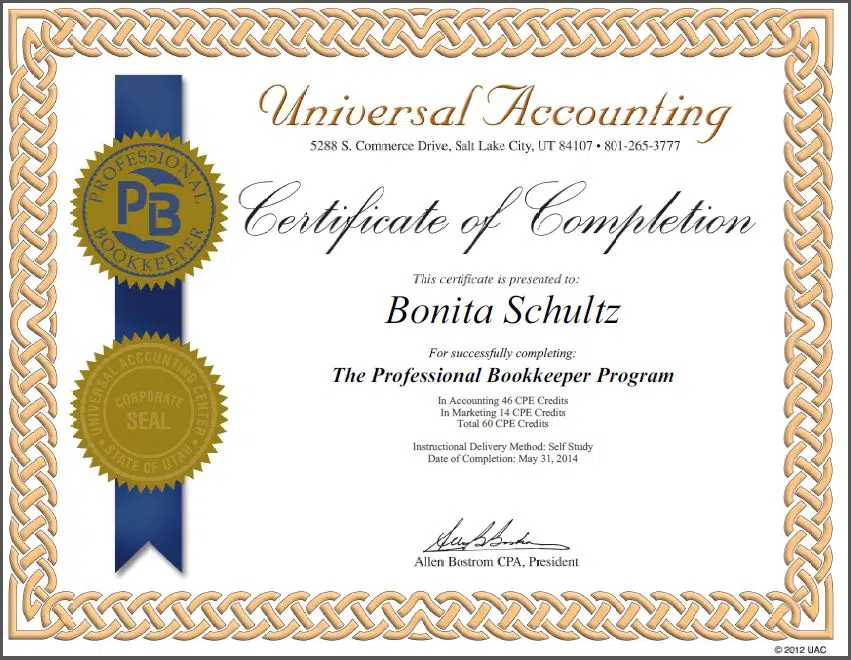
For individuals with strong self-discipline and a foundational understanding of finance, self-study can be a cost-effective route. This typically involves purchasing textbooks, official study guides, and utilizing free online resources to prepare for exams. While offering maximum flexibility and potentially lower upfront costs, it demands significant personal accountability and the ability to independently grasp complex financial concepts. This approach requires a wise allocation of personal financial resources and time.
Alternatively, structured courses provide a guided learning experience. These can range from online courses offered by professional organizations (like NACPB or AIPB), community colleges, or vocational schools. They often include instructor-led sessions, peer interaction, mock exams, and dedicated support, which can be invaluable for understanding intricate financial principles and preparing thoroughly. While generally a larger financial outlay, structured courses often offer a higher pass rate and a more comprehensive learning experience, accelerating your path to becoming a profitable certified bookkeeper.
Leveraging Online Platforms and Resources
The digital age has democratized access to education, making it easier than ever to acquire bookkeeping skills and certifications remotely. Online platforms like Coursera, Udemy, and edX offer a plethora of courses on accounting fundamentals, specific software (e.g., QuickBooks, Xero), and exam preparation. These platforms often provide flexible learning schedules, allowing you to balance studies with existing work or family commitments, making it an ideal option for those looking to build a side hustle or transition careers.
Additionally, professional organizations such as the American Institute of Professional Bookkeepers (AIPB) and the National Association of Certified Public Bookkeepers (NACPB) offer their own online courses, study materials, and certification exams directly. Leveraging these dedicated resources ensures that your learning is aligned with the specific requirements of the certification you are pursuing, maximizing your investment in study materials and financial education.
Practical Experience and Continued Learning
While theoretical knowledge is crucial, practical experience solidifies your understanding and builds confidence. Seek opportunities for hands-on experience, whether through internships, volunteer bookkeeping for non-profits, or even managing your own personal or small business finances. Many certification bodies recommend or require a certain amount of practical experience precisely because it allows you to apply what you’ve learned and navigate real-world financial scenarios.
Furthermore, the world of business finance is constantly evolving, with new tax laws, accounting standards, and financial tools emerging regularly. Continuous Professional Development (CPD) is not just recommended but often required to maintain certification. Engaging in ongoing education through workshops, seminars, and industry publications ensures you stay current, maintain your expertise, and continue to be a valuable asset in the financial management landscape, thereby protecting and enhancing your earning potential over the long term.
Building a Bookkeeping Career: Beyond Certification
Certification is a powerful springboard, but building a successful bookkeeping career requires strategic thinking, entrepreneurial spirit, and continuous adaptation. For those eyeing online income or establishing a robust business finance service, the steps beyond certification are equally critical.
Setting Up Your Freelance Bookkeeping Business
If online income and flexibility are your goals, launching a freelance bookkeeping business is a natural progression. This involves several key steps:
-
Define Your Services: Clearly articulate what you offer (e.g., general bookkeeping, payroll, financial reporting, clean-up work) to attract specific clients.
-
Develop a Pricing Strategy: Research industry rates, consider your experience, and structure your pricing (hourly, project-based, retainer) to ensure profitability and client value. This is a direct exercise in business finance.
-
Legal and Administrative Setup: Register your business, obtain necessary licenses, and choose a legal structure (sole proprietorship, LLC) that aligns with your financial and liability goals.
-
Build Your Brand: Create a professional online presence, including a website and a strong LinkedIn profile, to market your expertise and attract clients interested in reliable financial services.
Integrating Technology for Efficiency
Modern bookkeeping is heavily reliant on financial technology. Proficiency with key bookkeeping software is not just an advantage; it’s a necessity. Platforms like QuickBooks Online, Xero, and Wave Accounting streamline tasks, automate data entry, and provide real-time financial insights. As a certified bookkeeper, becoming adept at using these “financial tools” allows you to:
-
Enhance Productivity: Automate repetitive tasks, freeing up time for more analytical work or serving more clients.
-
Improve Accuracy: Reduce human error through automated reconciliation and data validation.
-
Offer Value-Added Services: Leverage software capabilities to provide clients with deeper financial analysis and forecasting, positioning you as a comprehensive financial advisor.
While the software itself is technology, its application within bookkeeping directly impacts a business’s financial efficiency and a bookkeeper’s capacity for scalable income.
Marketing Your Skills and Finding Clients
Even with the best certification and skills, securing clients for your bookkeeping services requires effective marketing.
-
Networking: Join local business associations, chambers of commerce, and online professional groups. Referrals are a powerful source of new clients.
-
Online Presence: Your website should clearly articulate your services, showcase testimonials, and make it easy for potential clients to contact you. Use social media platforms, especially LinkedIn, to share insights and engage with your target audience.
-
Specialized Platforms: Explore freelance marketplaces (e.g., Upwork, Fiverr, specifically bookkeeping-focused platforms) that connect bookkeepers with businesses seeking services.
-
Content Marketing: Create blog posts or articles (aligned with the Money niche, of course!) offering tips on financial management, tax preparation, or business budgeting. This establishes you as an authority and attracts clients seeking financial guidance.
By actively promoting your expertise, you build a robust client pipeline, ensuring consistent online income and a thriving career in financial management.
Conclusion
The journey to becoming a certified bookkeeper is a strategic investment in professional growth and financial independence. In an economy increasingly reliant on accurate financial data and transparent reporting, the role of a skilled bookkeeper is more critical than ever. Certification not only validates your expertise and builds invaluable trust but also unlocks a wealth of career opportunities, from stable in-house positions to flexible and lucrative freelance ventures.
By choosing the right certification, diligently pursuing your education, and continually refining your skills, you position yourself at the forefront of business finance. The path demands dedication to learning, an understanding of financial tools, and an entrepreneurial spirit, but the rewards—in terms of enhanced income, professional credibility, and the satisfaction of helping businesses thrive financially—are profound. Embark on this rewarding career path today and become an indispensable asset in the dynamic world of money management.
aViewFromTheCave is a participant in the Amazon Services LLC Associates Program, an affiliate advertising program designed to provide a means for sites to earn advertising fees by advertising and linking to Amazon.com. Amazon, the Amazon logo, AmazonSupply, and the AmazonSupply logo are trademarks of Amazon.com, Inc. or its affiliates. As an Amazon Associate we earn affiliate commissions from qualifying purchases.