
In today’s dynamic business environment, mastering financial tools is not just an advantage—it’s a necessity. QuickBooks, a cornerstone of financial management for millions of small to medium-sized businesses worldwide, stands at the forefront of this requirement. For individuals seeking to elevate their professional standing, boost their income streams, or streamline their own business finance, acquiring QuickBooks certification represents a strategic investment. This credential transcends mere software proficiency; it signifies a deep understanding of financial principles applied through a robust financial tool, opening doors to myriad opportunities in personal finance management, lucrative side hustles, and impactful contributions to business finance.
Whether you aspire to become a freelance bookkeeper, enhance your accounting career, or gain better control over your small business’s economic health, QuickBooks certification provides a clear, credible pathway. It equips you with the validated expertise to handle everything from daily transactions and payroll to advanced financial reporting and tax preparation, directly impacting financial efficiency and profitability.
Understanding QuickBooks Certification: A Strategic Investment in Your Financial Future
QuickBooks certification is far more than a resume booster; it’s a commitment to professional excellence and a tangible asset in your financial toolkit. It underscores a dedication to accuracy, efficiency, and best practices in managing financial data, qualities highly prized across the financial spectrum.
Why Certification Matters in the Financial Landscape
In an increasingly competitive job market and a rapidly evolving entrepreneurial landscape, validated skills are paramount. QuickBooks certification serves as a powerful testament to your competence, providing concrete proof that you possess the practical knowledge to navigate complex financial tasks using industry-standard software. For clients seeking bookkeeping or accounting services, a certified professional offers an immediate sense of trust and reliability, knowing their crucial business finance needs are in expert hands. This trust directly translates into greater demand for your services, enabling you to command higher rates and build a more stable foundation for online income or side hustles. For employers, it mitigates training costs and ensures a baseline level of proficiency, making you a more attractive candidate for roles focused on business finance and financial operations. Ultimately, it’s an investment that pays dividends by accelerating career progression and securing improved earning potential.
Different QuickBooks Certifications and Their Financial Applications
Intuit, the creator of QuickBooks, offers various certification paths tailored to different versions of the software and levels of expertise. Understanding these distinctions is crucial for aligning your certification with your specific financial goals and desired career trajectory.
The two primary certifications are:
- QuickBooks Online (QBO) Certification: This is the most prevalent and increasingly sought-after certification, reflecting the shift towards cloud-based accounting solutions. QBO certification validates your ability to manage finances, track income and expenses, process payroll, and generate reports using the online platform. It’s ideal for freelance bookkeepers, small business owners, and finance professionals who work with modern, agile businesses. This certification is particularly valuable for those looking to build an online income stream, as QBO’s accessibility makes remote work seamless.
- QuickBooks Desktop Certification: While QBO is dominant, many businesses still rely on the desktop version, especially those with specific industry needs or long-standing practices. This certification focuses on managing financial data within the installed software environment. It caters to professionals serving businesses that prefer or require a desktop solution.
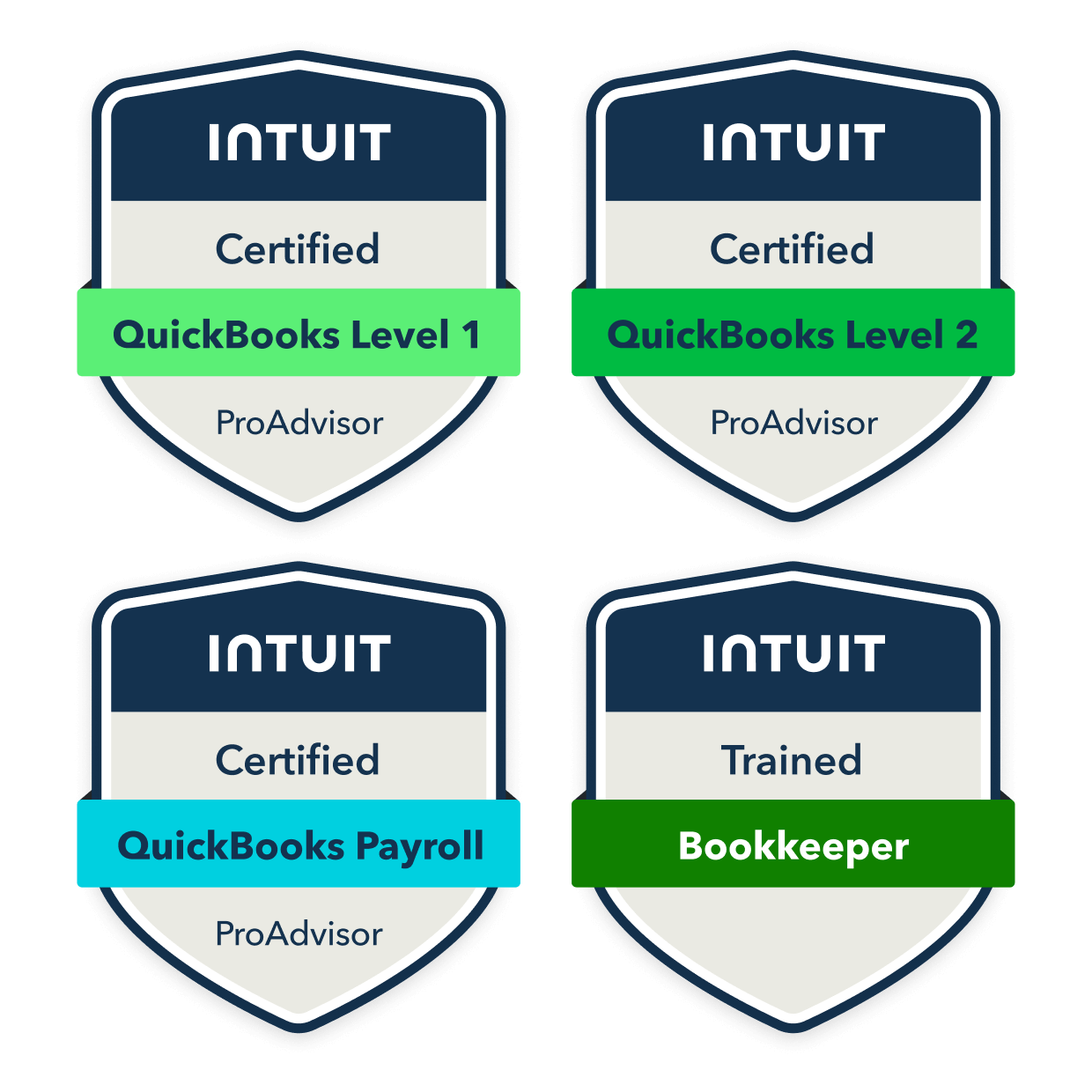
Beyond these core certifications, Intuit also offers the QuickBooks ProAdvisor Program. This program encompasses the certifications for both Online and Desktop versions, along with additional resources, training, and support designed for accounting professionals. Becoming a QuickBooks ProAdvisor (which starts with certification) significantly enhances your credibility and visibility, positioning you as a go-to expert for businesses seeking financial guidance. It’s a direct conduit to acquiring new clients for your freelance bookkeeping practice or consulting business, thus boosting your online income potential significantly. Choosing the right certification depends on the types of businesses you aim to serve and the financial tools they utilize.
Who Benefits Most from QuickBooks Certification?
QuickBooks certification offers a tangible return on investment for a diverse group of individuals:
- Aspiring Bookkeepers and Accountants: It provides a critical entry point into the financial industry, validating fundamental skills and accelerating career growth.
- Small Business Owners: Gaining certification empowers them to manage their own business finance more effectively, reducing reliance on external services and saving considerable costs. This direct control over financial tools leads to better decision-making and enhanced profitability.
- Freelancers and Consultants: For those looking to build side hustles or establish full-time online income streams, certification adds a layer of professionalism and trust, making them highly marketable to clients in need of financial management expertise.
- Financial Professionals: Existing finance professionals can broaden their skillset, stay current with industry trends, and become more versatile assets within their organizations.
Essentially, anyone who regularly interacts with or is responsible for managing financial data stands to gain immense value from this credential, transforming an investment in education into concrete financial rewards.
Navigating the Certification Process: A Roadmap to Financial Acumen
Embarking on the journey to QuickBooks certification requires a structured approach, combining foundational knowledge with targeted preparation strategies. This roadmap is designed to guide you efficiently towards achieving financial acumen and unlocking new opportunities.
Prerequisites and Preparation: Laying the Financial Foundation
While there are no strict formal prerequisites for QuickBooks certification, a foundational understanding of accounting principles and basic business finance concepts will significantly smooth your learning curve. Familiarity with terms like debits, credits, general ledger, profit & loss statements, and balance sheets provides a robust framework upon which QuickBooks proficiency can be built.
Preparation can take several forms:
- Self-Study: Intuit provides extensive learning materials, tutorials, and practice exercises directly within the QuickBooks software. Many certified professionals have successfully prepared by diligently working through these resources and gaining hands-on experience with the financial tool.
- Formal Courses: Community colleges, vocational schools, and online learning platforms (like Udemy, Coursera, LinkedIn Learning) offer structured QuickBooks courses. These often come with practical exercises, instructor support, and peer interaction, providing a more guided learning experience.
- Practical Experience: The best way to learn any financial tool is by using it. Volunteering to help a small business, managing your own personal or side hustle finances within QuickBooks, or taking on entry-level bookkeeping tasks can provide invaluable real-world context. This hands-on application solidifies theoretical knowledge and builds confidence for the financial challenges ahead.
The key is to ensure you understand not just how to click buttons, but why certain financial entries are made and what their impact is on the overall business finance health.
Choosing Your Learning Path: Cost-Effective and Efficient Strategies
Selecting the right learning path involves weighing financial investment against efficiency and personal learning style.
- Intuit’s Official Training: As part of the QuickBooks ProAdvisor program (which is free to join), Intuit offers comprehensive, self-paced training modules specifically designed for certification. These modules are continuously updated, ensuring you learn the latest features and best practices for the financial tool. This is often the most cost-effective approach, as the training is included with ProAdvisor membership.
- Third-Party Online Courses: Platforms like Udemy, Coursera, and edX host numerous QuickBooks courses, often taught by experienced accountants and ProAdvisors. While some may require a fee, they can offer structured lessons, practice problems, and a community forum. Evaluate the course content, instructor credentials, and student reviews to ensure it aligns with your financial learning objectives.
- Community Colleges and Vocational Schools: For those who prefer in-person instruction or a more traditional academic setting, local educational institutions often provide QuickBooks courses. These can be a more significant financial investment in terms of tuition but may offer networking opportunities and personalized support.
Consider the return on investment (ROI) for each option. A slightly higher initial investment in a quality course might lead to quicker certification and faster income generation through new job roles or side hustles. Prioritize paths that offer hands-on practice, as practical application is crucial for mastering this powerful financial tool.
The Exam Experience: Mastering Your Financial Tool

The QuickBooks certification exam is typically administered online and is designed to assess your practical application of the software for various financial scenarios. It’s not just about memorizing facts but demonstrating your ability to use QuickBooks to solve real-world business finance problems.
- Structure: Exams generally consist of multiple-choice questions, scenario-based problems, and sometimes simulation tasks where you interact directly with a QuickBooks environment.
- Content: Expect questions covering topics such as setting up a company file, managing chart of accounts, recording income and expenses, bank reconciliations, payroll processing, inventory management, creating financial reports (profit & loss, balance sheet, cash flow), and sales tax management.
- Tips for Success:
- Practice, Practice, Practice: Use a practice QuickBooks company file to work through various transactions and reports until you feel comfortable.
- Review Intuit’s Study Guides: These guides often outline the specific topics covered on the exam.
- Manage Time Effectively: The exams are timed, so practice answering questions efficiently.
- Understand the “Why”: Focus on understanding the underlying accounting principles behind each QuickBooks function, not just the steps. This deep understanding is crucial for true financial expertise.
Passing the exam is a significant milestone, validating your proficiency as a capable handler of an essential financial tool, and marking a key step in your journey toward financial independence and career advancement.
Maximizing Your QuickBooks Certification for Financial Gain
Earning your QuickBooks certification is just the beginning. The real value lies in how you leverage this credential to enhance your financial standing, cultivate new income streams, and optimize business operations.
Unlocking New Career Opportunities and Income Streams
QuickBooks certification immediately elevates your marketability across various financial roles and opens up avenues for entrepreneurship.
- Certified QuickBooks ProAdvisor: By completing the certification through Intuit’s ProAdvisor program, you gain access to a powerful network and marketing tools. Intuit’s “Find-a-ProAdvisor” directory is a primary resource for businesses seeking bookkeeping and accounting help. This can directly lead to a steady stream of clients for your freelance bookkeeping services, generating significant online income or a thriving side hustle.
- Freelance Bookkeeper: With certification, you can confidently offer your services to small and medium-sized businesses, managing their day-to-day financial operations remotely. This offers flexibility, control over your income, and the potential to build a robust portfolio of clients.
- In-House Accountant/Bookkeeper: Many companies actively seek candidates with QuickBooks proficiency. Your certification demonstrates a readiness to jump into managing their business finance with minimal training, making you an attractive hire.
- Consultant: Beyond basic bookkeeping, you can offer consulting services, helping businesses optimize their QuickBooks setup, interpret financial reports, and implement best practices for financial health. This advanced service commands higher fees and further diversifies your income.
The certification acts as a trust signal, assuring potential clients and employers that you possess the necessary expertise with this vital financial tool, directly translating into better job prospects and increased earning capacity.
Enhancing Your Business Finance Management
For small business owners, QuickBooks certification offers a profound advantage beyond simply hiring external help. By becoming certified yourself, you gain direct, intimate control over your company’s financial pulse.
- Improved Financial Control: You can accurately track income and expenses, manage cash flow, and reconcile bank accounts with confidence, ensuring real-time insights into your financial position.
- Better Budgeting and Forecasting: Understanding how to use QuickBooks to generate detailed financial reports empowers you to create more realistic budgets, forecast future revenue and expenses, and make informed strategic decisions to drive profitability.
- Streamlined Tax Preparation: With organized and accurate financial records maintained in QuickBooks, tax preparation becomes significantly easier, reducing stress and potentially minimizing professional fees. You’ll be able to quickly provide your tax professional with precise data, ensuring compliance and maximizing eligible deductions.
- Enhanced Profitability: By leveraging QuickBooks for deeper financial analysis, you can identify areas of wasteful spending, optimize pricing strategies, and discover new opportunities for growth, ultimately boosting your business’s bottom line.
This direct mastery of a critical financial tool ensures that your business finance is not just managed, but strategically optimized for long-term success and sustainability.
Building a Strong Professional Brand and Client Trust
In the service industry, reputation and trust are invaluable. QuickBooks certification is a powerful component in building a robust professional brand. It signals to prospective clients and employers that you are not just capable, but officially recognized as an expert in using a leading financial tool. This badge of credibility can:
- Attract Higher-Caliber Clients: Clients seeking professional financial management services are more likely to choose a certified expert, equating certification with reliability and quality. This allows you to target more desirable projects and command premium rates for your expertise.
- Increase Referrals: Satisfied clients who trust your certified expertise are more likely to refer you to their networks, creating a virtuous cycle of business growth and expanded online income.
- Differentiate Yourself: In a crowded market, certification sets you apart from uncertified competitors, giving you a competitive edge. It demonstrates a commitment to professional development and mastery of a critical financial tool.
Your QuickBooks certification becomes a cornerstone of your personal brand, broadcasting your financial acumen and fostering the trust essential for long-term success in any financially oriented career or venture.
Beyond Certification: Continuous Financial Growth and Adaptation
Achieving QuickBooks certification is a significant accomplishment, but the journey to financial mastery is ongoing. The world of finance, technology, and business regulations is constantly evolving, necessitating continuous learning and adaptation to maintain your edge and maximize your financial returns.
Staying Current with QuickBooks Updates and Financial Regulations
QuickBooks, like any sophisticated financial tool, undergoes regular updates and enhancements. New features are introduced, existing ones are refined, and the user interface may evolve. Similarly, tax laws, accounting standards, and financial regulations are subject to frequent changes. To maintain your expertise and provide the most accurate, compliant services, continuous engagement is crucial.
- Intuit’s ProAdvisor Resources: As a QuickBooks ProAdvisor, you’ll have access to ongoing training modules, webinars, and forums that keep you abreast of the latest software updates and industry best practices.
- Professional Development: Subscribe to financial news outlets, accounting blogs, and regulatory updates. Attend workshops or webinars focused on new tax laws or accounting principles relevant to business finance.
- Annual Recertification: Intuit often requires annual recertification to ensure ProAdvisors remain current with the latest version of QuickBooks Online. This structured approach helps guarantee ongoing proficiency with the financial tool.
Staying current not only preserves your credibility but also ensures you can continue to effectively manage financial data, advise clients accurately, and optimize your own business finance strategies.
Expanding Your Financial Skillset
While QuickBooks certification provides a strong foundation, broadening your overall financial skillset can open up even more opportunities for income and career growth.
- Tax Preparation: Complementing QuickBooks expertise with tax preparation knowledge can make you an invaluable asset, allowing you to manage a client’s entire financial cycle from daily transactions to annual tax filings.
- Financial Analysis: Develop skills in interpreting financial statements, creating forecasts, and conducting profitability analysis. This allows you to offer higher-value advisory services beyond basic bookkeeping.
- Other Accounting Software: While QuickBooks is dominant, familiarity with other financial tools like Xero, Sage, or industry-specific ERP systems can broaden your client base and professional versatility.
- Specialized Industry Knowledge: Gaining expertise in the financial nuances of specific industries (e.g., real estate, e-commerce, non-profits) can make you a highly sought-after specialist, commanding premium rates for your specialized financial acumen.
Each additional skill or certification acts as another layer to your financial expertise, increasing your market value and potential for diverse income streams and side hustles.

The Long-Term ROI of QuickBooks Certification
Viewed through a long-term lens, QuickBooks certification is not merely an expense but a high-yield investment in your personal and professional financial future.
- Sustainable Income Growth: The credential enables you to build a career with consistent income growth, whether through promotions, an expanding client roster for your online income ventures, or the enhanced profitability of your own business.
- Financial Independence: Mastering a critical financial tool like QuickBooks provides a pathway to greater financial independence, allowing you to control your earnings, work flexibly, and even manage your personal finance more effectively.
- Career Longevity: As businesses continue to rely on robust financial software, your expertise will remain in demand, ensuring career stability and resilience against economic fluctuations.
In essence, getting certified for QuickBooks is an empowering step towards mastering the financial tools that drive modern business. It’s an investment that pays dividends not just in immediate career opportunities and income, but in fostering a resilient, adaptable, and financially savvy professional life. Take this step, and unlock a world of financial possibilities.
aViewFromTheCave is a participant in the Amazon Services LLC Associates Program, an affiliate advertising program designed to provide a means for sites to earn advertising fees by advertising and linking to Amazon.com. Amazon, the Amazon logo, AmazonSupply, and the AmazonSupply logo are trademarks of Amazon.com, Inc. or its affiliates. As an Amazon Associate we earn affiliate commissions from qualifying purchases.