
In the rapidly evolving landscape of personal finance, the transition from physical currency to digital ecosystems is no longer a luxury—it is a necessity. Among the frontrunners of this financial revolution is Cash App, a comprehensive mobile payment service developed by Block, Inc. While many perceive it simply as a tool for peer-to-peer (P2P) transfers, Cash App has matured into a sophisticated financial hub that integrates banking, investing, and even tax preparation. Understanding how to acquire, configure, and optimize this tool is essential for anyone looking to streamline their monetary life and embrace the efficiency of modern fintech.
Getting Started: The Onboarding Process and Initial Configuration
The journey toward digital financial agility begins with the proper setup of the application. Unlike traditional banking institutions that require extensive paperwork and in-person visits, Cash App offers a streamlined onboarding process designed for the digital-native user. However, because this platform handles sensitive financial data and actual capital, the setup must be approached with a focus on accuracy and security.
Downloading and Initial Registration
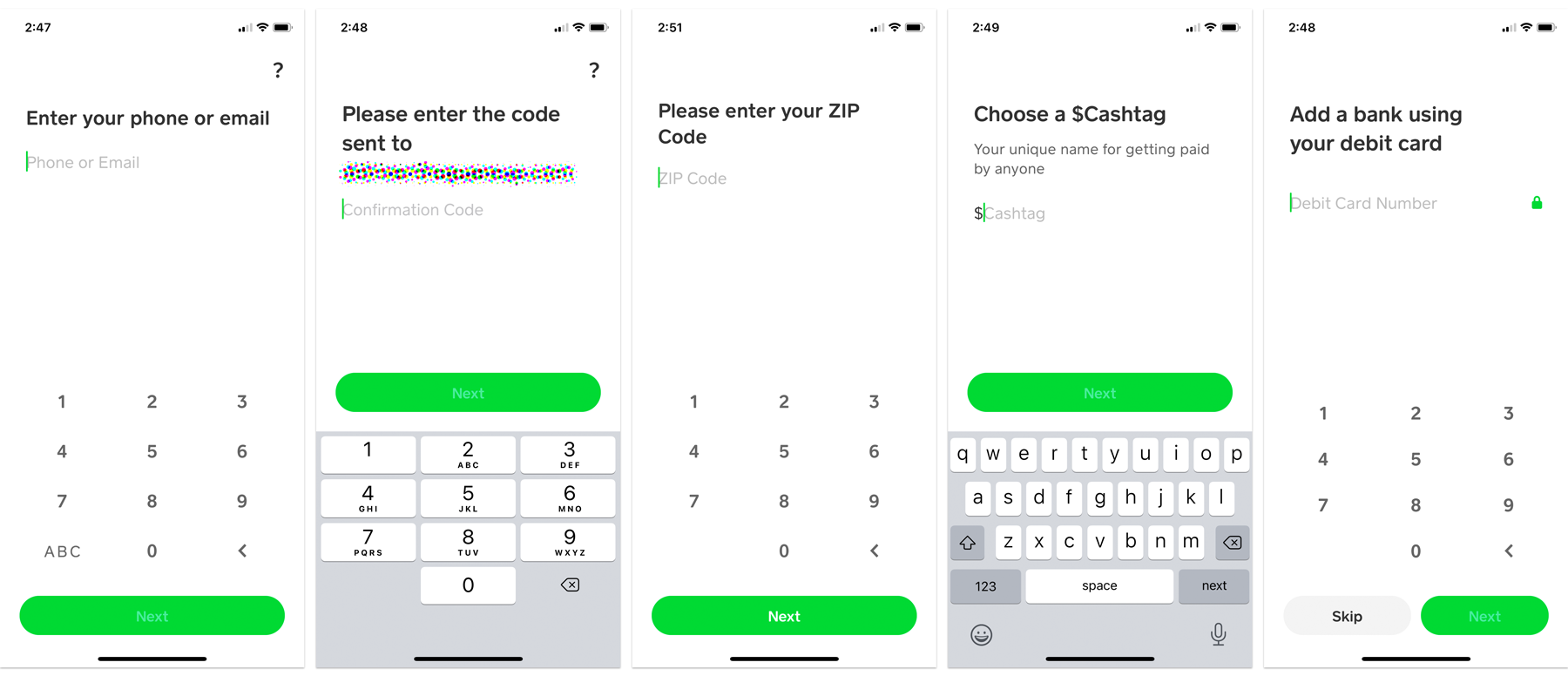
To begin, you must download the application from the official Apple App Store or Google Play Store. It is critical to ensure you are downloading the legitimate version developed by Block, Inc. to avoid phishing attempts. Once installed, the application will prompt you to enter either a phone number or an email address. This serves as your primary account identifier.
Upon entering your contact information, you will receive a confirmation code. After verification, you are required to choose a unique identifier known as a $Cashtag. This is more than just a username; it is your professional digital handle for all financial transactions. When selecting a $Cashtag, consider something recognizable and professional, especially if you intend to use the platform for freelance work or side hustles.
Verification and Linking Financial Infrastructure
While the initial setup allows for basic functionality, the true power of the platform is unlocked through the verification of your identity. Under federal regulations, specifically “Know Your Customer” (KYC) laws, Cash App requires your full legal name, date of birth, and the last four digits of your Social Security Number to enable higher transaction limits.
The next step is linking your existing financial infrastructure. You can connect a debit card or a bank account via the “Linked Banks” section. For those looking to move beyond simple transfers, linking a traditional bank account via the Plaid interface ensures seamless liquidity between your legacy banking and your digital wallet. This connection is the bridge that allows you to “Add Cash” to your balance or “Cash Out” your earnings into your primary savings or checking account.
Maximizing the Cash App Ecosystem for Personal Finance
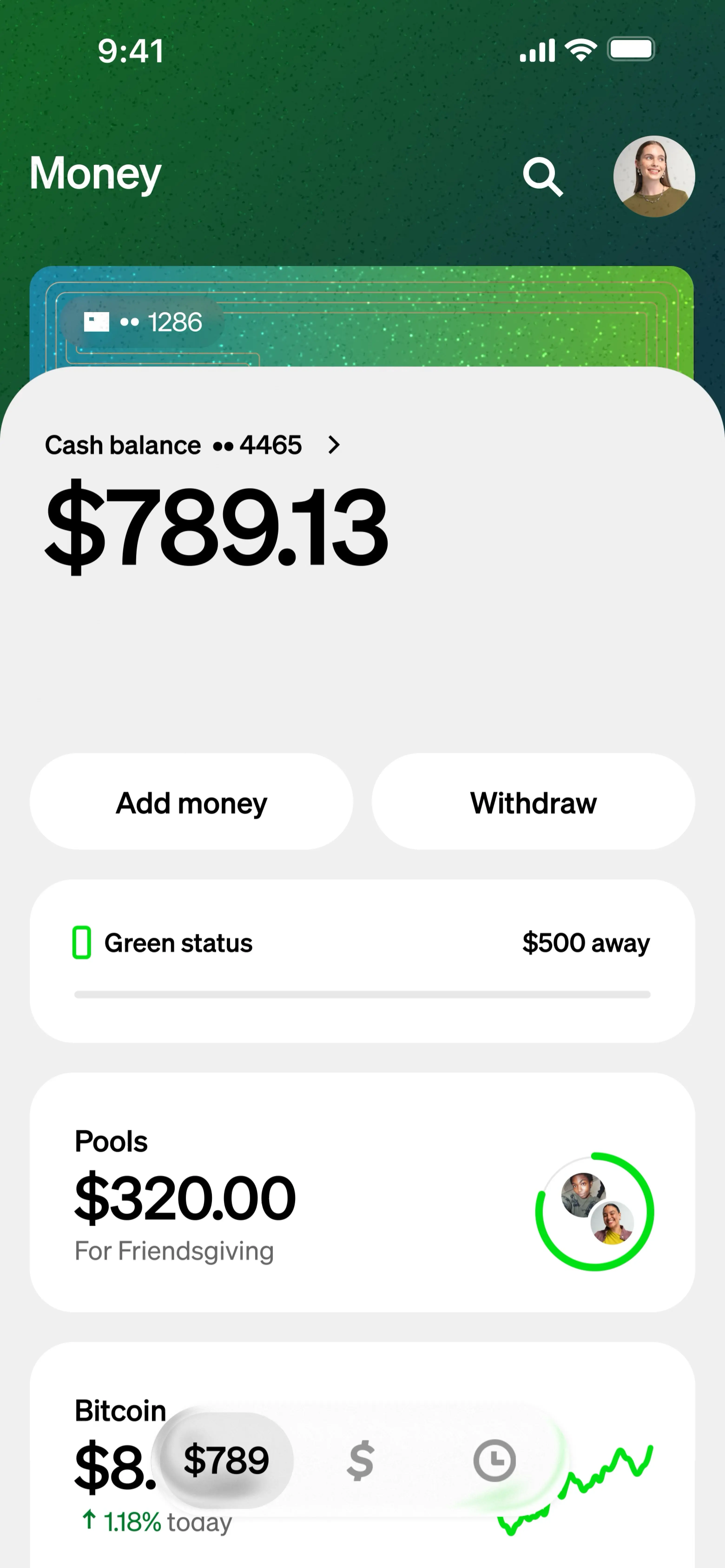
Once the account is active, users often find that Cash App functions as much more than a digital wallet. It serves as a secondary bank account, complete with a routing and account number, which can be found in the banking tab. This allows for the integration of standard financial practices, such as direct deposits and automated bill payments.
The Cash Card and Instant Rewards
One of the most potent tools within this ecosystem is the Cash Card. This is a customizable Visa debit card that draws directly from your Cash App balance. Getting the card is a straightforward process: you request it within the app, customize the aesthetic—ranging from laser-etched signatures to glow-in-the-dark finishes—and wait for it to arrive in the mail.
The financial advantage of the Cash Card lies in “Cash Boosts.” These are instant rewards that act as a modern version of coupons. By activating a specific Boost before a transaction, users can save a percentage on purchases at major retailers, coffee shops, and grocery stores. Unlike traditional credit card rewards that accumulate over months, Boosts provide immediate liquidity by reducing the transaction amount at the point of sale, making it an excellent tool for budget-conscious individuals.
Peer-to-Peer Transactions and Social Finance
The core utility of the platform remains its P2P functionality. In an era where “splitting the bill” has become a social norm, Cash App provides a frictionless way to move money. By simply entering a $Cashtag, phone number, or email, you can send funds instantly.
From a financial management perspective, this transparency is invaluable. The app maintains a detailed ledger of every transaction, which can be exported for personal accounting or tax purposes. Furthermore, the ability to request money simplifies the process of collecting payments for shared expenses or freelance services, reducing the friction often associated with manual invoicing.
Wealth Building: Investing in Stocks and Bitcoin
For many, Cash App serves as their first entry point into the world of investing. The platform has democratized access to the stock market and the cryptocurrency space by lowering the barriers to entry, specifically through fractional share investing.
Fractional Shares and Market Participation
Traditionally, investing in high-priced stocks like Amazon or Berkshire Hathaway required significant capital. Cash App’s investing feature allows users to purchase fractional shares with as little as $1. This is a game-changer for personal finance, as it enables the principle of Dollar Cost Averaging (DCA).
Users can set up “Auto-Invest” schedules, automatically purchasing a set dollar amount of a stock or ETF at regular intervals. This strategy mitigates the risk of market volatility and allows individuals to build a diversified portfolio regardless of their income level. The interface is purposefully designed to be intuitive, removing the intimidating jargon often found on professional trading desks, while still providing essential data like company performance and market capitalization.
Cryptocurrency Integration
Cash App was one of the first major mainstream financial apps to embrace Bitcoin. It allows users to buy, sell, and even withdraw Bitcoin to an external private wallet. For the modern investor, this provides a simplified path to asset diversification.
The platform also supports the Bitcoin Lightning Network, which allows for near-instant and low-fee transactions. Within the context of a “Money” niche, this is significant because it positions the user at the forefront of the decentralized finance movement. Whether you are using Bitcoin as a speculative asset or a long-term store of value, having it integrated directly with your daily spending account offers a level of convenience that traditional brokerages cannot match.
Advanced Utilities: Direct Deposits and Financial Sovereignty
As users become more comfortable with the platform, they often begin to utilize its more advanced features, which rival those of traditional neo-banks. These features are designed to provide the user with more control over their “money cycle”—the flow of income from earn to spend to save.
Early Direct Deposit and Tax Filing
One of the most compelling reasons to get Cash App is the ability to receive a paycheck up to two days earlier than at a traditional bank. By providing your Cash App routing and account numbers to your employer, your funds are credited as soon as the sender initiates the transfer, rather than waiting for the standard banking clearing house delays.
Additionally, the “Cash App Taxes” feature (formerly Credit Karma Tax) offers a free way to file federal and state taxes. This integration is particularly useful for those whose primary income flows through the app. Having your financial data, investment records, and tax filing software in a single ecosystem reduces the administrative burden of tax season and ensures that your refund is deposited directly into your balance, where it can be immediately deployed into savings or investments.
Protecting Your Digital Assets
In the realm of personal finance, security is the foundation of wealth. Cash App employs several layers of protection, but the responsibility ultimately lies with the user. To secure your funds, it is mandatory to enable “Security Lock,” which requires a PIN or biometric (FaceID/TouchID) for every transaction.
Furthermore, users should be aware of the “Cash Out” settings. You have the choice between a standard transfer (which takes 1-3 days and is free) and an instant transfer (which carries a small fee). From a financial planning perspective, utilizing the free standard transfer for non-emergency funds is a simple way to avoid unnecessary leakage of capital.
The Role of Digital Wallets in Your Wealth Strategy
Getting Cash App is not merely about downloading an app; it is about adopting a philosophy of financial agility. In a world where the speed of commerce is accelerating, the tools we use to manage our wealth must keep pace. By integrating P2P payments, debit spending, stock investing, and cryptocurrency into a single interface, Cash App serves as a bridge between the old world of physical banking and the new world of digital finance.
For the individual looking to optimize their personal finances, the strategy is clear: use the platform for its strengths—instant transfers, micro-investing, and localized rewards—while maintaining the security protocols necessary to protect one’s hard-earned capital. As you navigate the process of setting up and using the app, remember that every feature, from the $Cashtag to the Bitcoin wallet, is a tool designed to give you greater agency over your financial future. In the modern era, the best way to manage money is to ensure it is as mobile, accessible, and productive as possible. Cash App provides the framework to achieve exactly that.
aViewFromTheCave is a participant in the Amazon Services LLC Associates Program, an affiliate advertising program designed to provide a means for sites to earn advertising fees by advertising and linking to Amazon.com. Amazon, the Amazon logo, AmazonSupply, and the AmazonSupply logo are trademarks of Amazon.com, Inc. or its affiliates. As an Amazon Associate we earn affiliate commissions from qualifying purchases.