
The Electronic Benefits Transfer (EBT) system has revolutionized the way government assistance is distributed in the United States. Moving away from the era of paper coupons and physical checks, the EBT card functions much like a standard debit card, providing a discreet and efficient way for recipients to access their benefits. However, for many users, the distinction between food assistance and cash assistance can be confusing. Understanding how to navigate the EBT system to access cash is a critical component of personal financial management for those enrolled in state-sponsored programs.
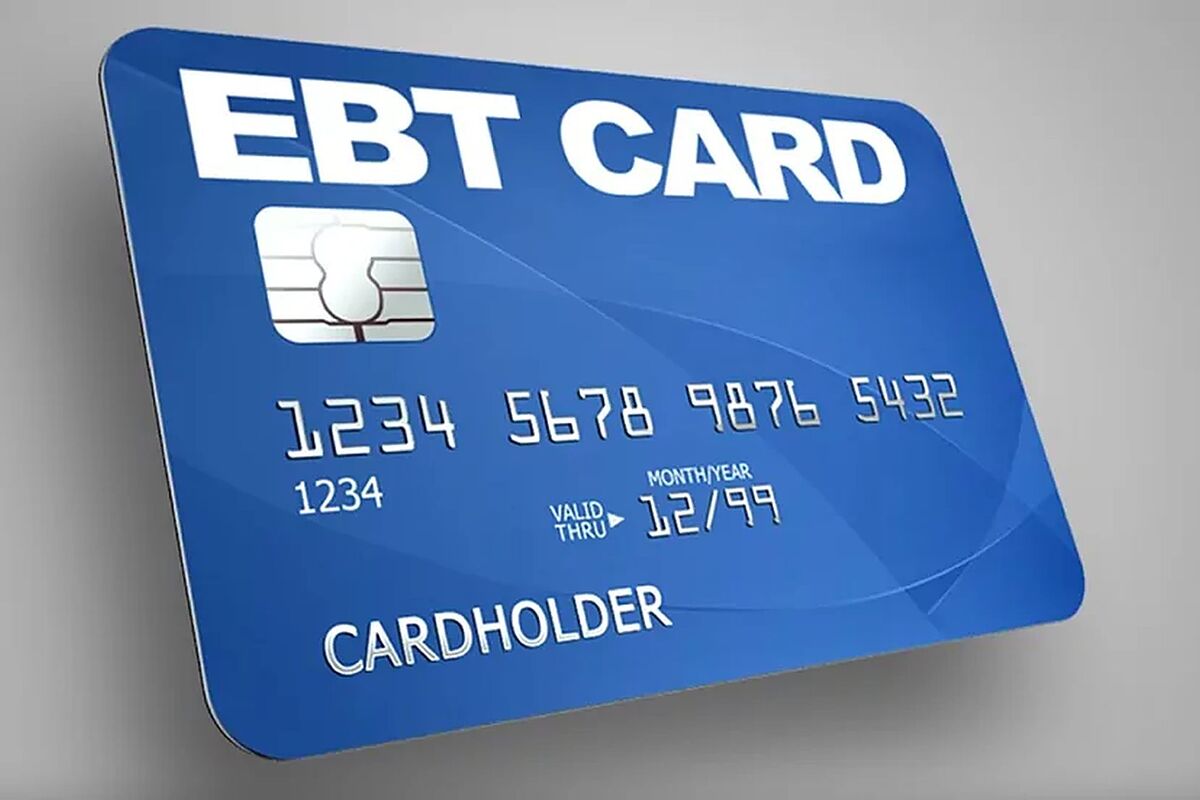
This guide explores the mechanics of withdrawing cash with an EBT card, the specific programs that allow for cash access, the legalities involved, and the best practices for managing these funds within a broader financial strategy.
Understanding the EBT System and Cash Benefits
To understand how to get cash with an EBT card, one must first understand that an EBT card acts as a gateway to two distinct types of accounts: SNAP (Supplemental Nutrition Assistance Program) and Cash Assistance (often referred to as TANF—Temporary Assistance for Needy Families).
SNAP vs. Cash Assistance
The most common use for an EBT card is SNAP, formerly known as food stamps. SNAP benefits are strictly regulated and can only be used to purchase eligible food items at authorized retailers. You cannot, under any circumstances, withdraw cash from your SNAP balance. Attempting to “sell” SNAP benefits for cash is a federal crime known as trafficking and carries severe legal penalties.
Conversely, Cash Assistance (TANF or state-funded general assistance) is designed to help families pay for non-food essentials such as rent, utilities, clothing, and transportation. If your EBT card is loaded with Cash Assistance funds, you are permitted to withdraw these funds as physical currency.
Eligibility and Account Verification
Not everyone with an EBT card has a cash balance. Eligibility for cash assistance is generally more stringent than for SNAP. It typically requires the recipient to have dependent children, be pregnant, or meet specific low-income criteria while facing extraordinary circumstances. To determine if you have a cash balance, you should check your latest benefit award letter or log into your state’s EBT portal. If your account only lists “Food Benefits,” you will not be able to perform a cash withdrawal.
Methods for Withdrawing Cash with an EBT Card
Once you have confirmed that your account contains cash benefits, there are several ways to convert those digital credits into physical money. Knowing where and how to withdraw these funds can help you avoid unnecessary fees and logistical hurdles.
ATM Withdrawals
The most direct way to get cash is through an Automated Teller Machine (ATM). Most ATMs that display the “Quest” logo—the national symbol for EBT compatibility—will accept your card.
-
Locate a Quest ATM: Look for the Quest mark on the machine or the bank’s exterior. Most major banks and many convenience store ATMs participate in the program.
-
Insert Your Card and Enter PIN: Just like a debit card, you will need your four-digit Personal Identification Number (PIN). For security reasons, never share this number or write it on the card.
-
Select “Withdrawal”: Choose the “Withdrawal” option and then select “Checking” or “Savings.” In most EBT systems, selecting “Checking” will route the request to your cash assistance account.
-
Enter Amount: Input the amount you wish to withdraw, keeping in mind your daily limit and the machine’s available denominations.
-
Collect Cash and Receipt: Always take your receipt to keep track of your remaining balance.
It is important to note that while some states provide a certain number of free ATM withdrawals per month, many banks charge a surcharge. Using a bank that is in-network with your state’s EBT provider can save you several dollars per transaction.
Point-of-Sale (POS) Cash Back
A highly effective alternative to ATMs is the Point-of-Sale (POS) cash-back method. When you make a purchase at a participating retailer—such as a grocery store, pharmacy, or big-box retailer—you can often request cash back at the register.
The advantage of this method is that most retailers do not charge a fee for cash back, whereas ATMs often do. To use this method:
-
Ensure the store accepts EBT cash (most grocery stores that accept SNAP also accept EBT cash).
-
Inform the cashier you want to make a “Cash Purchase” or select “EBT Cash” on the card reader.
-
The machine will ask if you want cash back. Enter the desired amount.
-
Enter your PIN to finalize the transaction.
Some stores have limits on how much cash back you can receive (e.g., $50 or $100 per transaction), so it is wise to ask the clerk about their policy before starting the checkout process.
Benefit Vouchers and Manual Processing
In rare instances, or in rural areas where technology may be limited, some states allow for manual vouchers or specific “Cash Only” retailers. However, this is becoming increasingly uncommon as the infrastructure for digital EBT transactions becomes universal.
Managing Your EBT Cash Account Effectively

Accessing your cash is only the first step; managing those funds requires diligence. Because cash assistance is often a lifeline for families, maximizing the value of every dollar is paramount.
Monitoring Your Balance
Unlike a traditional bank account, EBT accounts do not offer overdraft protection. If you attempt to withdraw more than your available balance, the transaction will be declined, and in some cases, you may still be charged a “denied transaction fee” by the ATM owner.
Most states provide a mobile app or a toll-free number on the back of the card. Checking your balance before heading to the ATM ensures you know exactly how much you can withdraw and helps you avoid the frustration of a declined transaction.
Avoiding Fees and Surcharges
Fees can quickly erode a limited monthly benefit. To keep more of your money, follow these strategies:
-
Use Surcharge-Free ATMs: Many state agencies partner with specific bank networks to provide surcharge-free access. Check your state’s EBT website for a map of these locations.
-
Limit Withdrawals: If your state charges a fee after the second or third withdrawal of the month, try to take out larger amounts less frequently rather than making several small withdrawals.
-
Prioritize Cash Back: As mentioned, the cash-back option at retail stores is almost always free. Using this method for your primary cash needs is one of the smartest financial moves an EBT recipient can make.
Security and Fraud Prevention
EBT fraud and “skimming” are rising concerns. Skimmers are small devices placed over ATM or POS card readers that steal your card information and PIN. Because EBT cards often lack the same robust fraud protections as high-end credit cards, recovering stolen funds can be a long and difficult process.
To protect your cash:
-
Inspect the Reader: Before inserting your card, give the card slot a slight tug. If it feels loose or looks bulky, do not use it.
-
Cover Your PIN: Always use your hand to shield the keypad when entering your PIN.
-
Change Your PIN Regularly: Changing your PIN every few months can prevent unauthorized access even if your card data is compromised.
Legal and Regulatory Considerations
While the cash in your EBT account is yours to use for your family’s needs, there are strict federal and state laws governing where you can access that cash and what you can buy with it.
Prohibited Locations for Withdrawals
Under the Middle Class Tax Relief and Job Creation Act of 2012, states are required to prevent EBT cash benefits from being accessed at certain types of establishments. You are generally prohibited from using your EBT card at:
-
Liquor stores.
-
Casinos and gaming outlets.
-
Adult entertainment venues (strip clubs).
-
Bail bond agencies.
Attempting to use an ATM inside these establishments will usually result in a declined transaction, and repeated attempts could trigger an investigation into your eligibility for benefits.
Out-of-State Usage
EBT cards are designed to be “interoperable,” meaning you can use them in all 50 states, the District of Columbia, Puerto Rico, the Virgin Islands, and Guam. This is particularly helpful if you are traveling for work or moving. However, if you use your card out-of-state for an extended period, your home state may flag your account. Since cash assistance is residency-based, you are required to report a change of address to your caseworker promptly to avoid a disruption in benefits.
Recipient Responsibilities
It is a common misconception that EBT cash can be spent on anything without consequence. While the government does not track every individual purchase made with withdrawn cash, the program’s intent is to cover basic living expenses. Misusing funds or participating in “trafficking” (exchanging food benefits for cash) can lead to permanent disqualification from the program, heavy fines, and even imprisonment.
Financial Strategies for EBT Recipients
For many, EBT cash assistance is a bridge toward financial stability. Incorporating this assistance into a broader personal finance plan can help recipients move toward self-sufficiency.
Budgeting for Essentials
When you receive your cash benefit, create a priority list. Essential expenses like rent, electricity, and water should be addressed first. Because these payments often require checks or electronic transfers, you may need to use your EBT cash to purchase a money order. Many grocery stores that offer EBT cash back also sell money orders, allowing you to handle both tasks in one trip.
Transitioning Toward Traditional Banking
While the EBT card is a vital tool, it does not build credit, nor does it typically offer interest on savings. If possible, consider using a portion of your cash assistance to open a “Second Chance” bank account or a low-fee checking account. This allows you to begin building a financial history, which is essential for future goals like renting a better apartment, buying a car, or securing a small business loan.

Leveraging Community Resources
EBT cash is often just one part of a larger support network. Many utilities offer “Lifeline” discounts for EBT recipients, and some internet service providers offer high-speed access for as little as $10 a month for those on assistance. By leveraging these discounts, you can make your EBT cash stretch much further, leaving more money available for other side hustles or savings.
In conclusion, getting cash with an EBT card is a straightforward process, provided you have been approved for cash assistance and understand the mechanics of ATMs and POS transactions. By staying informed about fee structures, adhering to legal requirements, and practicing diligent account management, you can ensure that these vital benefits provide the maximum possible support for your financial journey.
aViewFromTheCave is a participant in the Amazon Services LLC Associates Program, an affiliate advertising program designed to provide a means for sites to earn advertising fees by advertising and linking to Amazon.com. Amazon, the Amazon logo, AmazonSupply, and the AmazonSupply logo are trademarks of Amazon.com, Inc. or its affiliates. As an Amazon Associate we earn affiliate commissions from qualifying purchases.