
The Electronic Benefits Transfer (EBT) card stands as a vital lifeline for millions of Americans, providing access to essential government assistance programs. While often primarily associated with food benefits through the Supplemental Nutrition Assistance Program (SNAP), the EBT card also serves as the disbursement mechanism for cash assistance programs in many states, such as Temporary Assistance for Needy Families (TANF) or General Assistance (GA). Understanding how to effectively access and manage these cash benefits is crucial for beneficiaries to meet their fundamental financial needs.
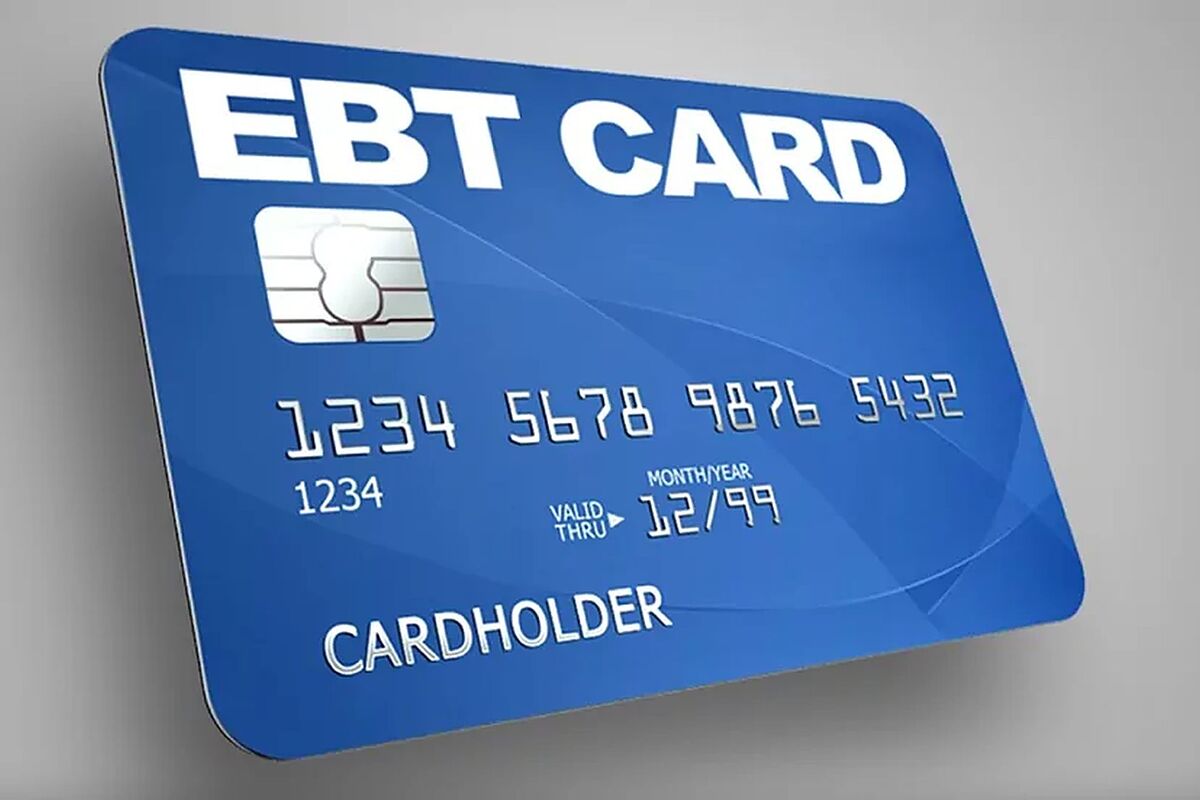
Navigating the nuances of the EBT system can sometimes be confusing, particularly when distinguishing between food-only benefits and withdrawable cash benefits, or when trying to find the most cost-effective ways to access your funds. This comprehensive guide aims to demystify the process, offering clear, actionable insights into how you can get cash off your EBT card, manage your account securely, and make the most of the financial support available to you. We’ll delve into the mechanics of accessing funds, discuss common pitfalls, and provide strategies for responsible financial management, ensuring you are empowered to utilize your benefits effectively and with confidence.
Understanding Your EBT Cash Benefits
Before diving into the “how-to,” it’s essential to understand the fundamental difference between the types of benefits loaded onto your EBT card and what they are intended for. This clarity is the first step toward effectively managing your assistance.
Distinguishing Between SNAP and Cash Assistance
Your EBT card typically holds two distinct types of benefits, even though they reside on the same plastic card:
- SNAP (Supplemental Nutrition Assistance Program) Benefits: These funds are strictly for purchasing eligible food items at authorized grocery stores, farmers’ markets, and other food retailers. They cannot be withdrawn as cash. Any attempt to do so or use SNAP benefits for non-food items is considered a violation of program rules and can lead to penalties. When you use your EBT card at a grocery store, the system automatically deducts from your SNAP balance if you’re buying food.
- Cash Assistance (TANF, GA, etc.): These benefits, issued through programs like Temporary Assistance for Needy Families (TANF), General Assistance (GA), or other state-specific programs, are deposited onto your EBT card and function much like a debit card. These are the funds that can be withdrawn as cash, and they generally have broader uses than SNAP benefits. When you request cash back or make an ATM withdrawal, the system will access this specific cash assistance balance.
It’s vital to remember that while both types of benefits are on one card, they are accounted for separately, and the card’s processing system ensures that the correct balance is debited for each transaction type.
Eligibility and Program Specifics
Eligibility for cash assistance programs varies significantly by state and often depends on factors such as income, family size, citizenship status, and work requirements. Funds are loaded onto your EBT card on a specific schedule, usually monthly, but this can differ based on your state and the specific program.
To stay informed about your benefits:
- Check Your Balance Regularly: Most states offer several convenient ways to check your EBT balance:
- Online Portal: Access your state’s EBT beneficiary website.
- Mobile App: Many states have dedicated EBT apps.
- Phone Number: Call the customer service number on the back of your EBT card.
- ATM Receipt: After a transaction, an ATM receipt will often show your remaining cash balance (and sometimes your SNAP balance).
- Store Receipt: Some grocery store receipts will print your remaining balances after an EBT purchase.
Understanding your balance and transaction history is crucial for preventing fraud, budgeting effectively, and ensuring you have sufficient funds before attempting a withdrawal.
Allowable Uses of Cash Benefits
Unlike SNAP benefits, which are restricted to food purchases, cash assistance funds offer greater flexibility, allowing beneficiaries to cover a wider array of essential living expenses. This flexibility is what makes accessing cash from your EBT card so important.
Typical allowable uses for cash benefits include:
- Housing Costs: Rent, mortgage payments, utility bills (electricity, gas, water).
- Transportation: Bus fares, gas for a car, car maintenance.
- Personal Care Items: Soap, shampoo, toothpaste, diapers, clothing.
- Household Supplies: Cleaning products, laundry detergent.
- Medical Expenses: Co-pays, prescription costs not covered by insurance.
- Education-Related Expenses: School supplies, uniforms, childcare.
- Other Daily Necessities: Anything that falls outside of food purchases that you would typically buy with cash or a debit card.
While cash benefits are flexible, there are generally some restrictions. Federal law prohibits the use of EBT cash benefits at certain types of establishments, including liquor stores, casinos, strip clubs, and tattoo parlors. Using your benefits at these locations can lead to sanctions, including disqualification from the program. Always use your benefits responsibly and in accordance with program guidelines.
Methods for Withdrawing Cash from Your EBT Card
Accessing the cash benefits on your EBT card is designed to be straightforward, mimicking the process of using a standard debit card. However, understanding the different methods and their associated considerations is key to making informed choices.
ATM Withdrawals
Using an Automated Teller Machine (ATM) is one of the most common ways to get cash off your EBT card, especially if you need a specific amount and prefer the convenience of 24/7 access.
-
Step-by-Step Guide:
- Locate a Compatible ATM: Look for ATMs displaying the QUEST® logo, which indicates they accept EBT cards. Many ATMs that accept Visa or Mastercard debit cards will also accept EBT, but verifying the QUEST® logo is the surest sign.
- Insert Your EBT Card: Insert your EBT card into the ATM’s card reader.
- Enter Your PIN: Carefully enter your four-digit Personal Identification Number (PIN). This PIN is confidential and should never be shared.
- Select “Withdrawal” and “Checking” or “Cash Account”: When prompted, select “Withdrawal.” Some ATMs might ask you to choose between “Checking” or “Savings” – for EBT cash benefits, you typically select “Checking” or an option that explicitly states “Cash Account” or “EBT Cash.”
- Enter Amount: Input the amount of cash you wish to withdraw.
- Confirm and Receive Cash: Confirm the transaction details, and the ATM will dispense your cash and usually provide a receipt showing your remaining balance.
-
Fees and Limits:
- ATM Fees: Be aware that ATM owners (banks or independent operators) may charge a surcharge for using their machine, just as they would for any non-customer debit card withdrawal. Your state may also impose fees after a certain number of free withdrawals per month. Check your state’s EBT program rules or your cardholder agreement for details on free transaction limits and potential fees.
- Daily Limits: Most EBT programs have a daily cash withdrawal limit, typically ranging from $100 to $500, though this varies by state. Individual ATMs may also have their own per-transaction limits, which can be lower than your program’s daily limit. Plan your withdrawals accordingly.
-
Security: Always be vigilant when using an ATM. Cover the keypad when entering your PIN, be aware of your surroundings, and never accept help from strangers. Report any suspicious devices attached to the ATM (skimmers) immediately.
Cash Back at Participating Stores
One of the most cost-effective methods to get cash off your EBT card is by utilizing the “cash back” option at participating retail locations. This method often allows you to avoid ATM fees entirely.
-
How It Works:
- Find a Participating Store: Look for grocery stores, convenience stores, or general merchandise stores (e.g., Walmart, Target, some dollar stores) that display EBT/Quest logos and advertise “cash back” services. Not all stores that accept EBT for SNAP benefits offer cash back for cash assistance.
- Make a Purchase (Optional): In most cases, you can request cash back without making a purchase. Simply go to the customer service desk or checkout lane and ask if you can get cash back from your EBT card.
- Swipe Your Card and Enter PIN: When prompted by the cashier or the card reader, swipe your EBT card and enter your PIN.
- Request Cash Amount: Tell the cashier or select on the terminal how much cash you want to receive. The amount will be deducted from your cash assistance balance.
- Receive Cash: The cashier will hand you the requested cash.
-
Advantages:
- Fee-Free: Typically, no fees are charged by the store or your state for cash back transactions.
- Convenience: Integrates into your regular shopping routine.
- Lower Limits: While ATM limits can be higher, store cash back limits are often lower (e.g., $20, $40, or $50 per transaction), which can be useful for smaller cash needs.
-
Important Note: Do not confuse this with attempting to get cash back from SNAP benefits. SNAP funds are only for food. If you are making a food purchase with SNAP and also wish to get cash, you must perform two separate transactions or clearly indicate that the cash back is from your cash assistance balance.
Over-the-Counter Bank Withdrawals
While less common than ATM or cash back options, some banks and credit unions may allow you to withdraw cash directly from your EBT card at a teller window.
- Process:
- Check with Your State’s EBT Program: Verify if your state’s EBT program partners with specific banks that allow over-the-counter withdrawals.
- Visit a Participating Bank Branch: Go to a branch of a bank that supports EBT withdrawals.
- Present Card and ID: Provide your EBT card and a valid form of photo identification (e.g., driver’s license, state ID) to the teller.
- Enter PIN: You may be asked to enter your PIN on a keypad for verification.
- Receive Cash: The teller will process the transaction and disburse the cash.

- Considerations:
- Availability: This service is not universally offered by all banks or in all states. It’s always best to call ahead to confirm.
- Fee-Free: Over-the-counter withdrawals are typically fee-free, making them a good option if available.
- Identification: Unlike ATM or cash back, you will almost certainly need to show photo ID, adding an extra layer of security.
Managing Your EBT Card and Funds Wisely
Effectively managing your EBT card and the benefits it holds extends beyond just knowing how to withdraw cash. It involves safeguarding your funds, monitoring your account, and employing sound financial practices.
Protecting Your Card and PIN
Your EBT card is essentially a debit card linked to your government benefits. Treat it with the same level of care and security you would any financial instrument.
- Guard Your PIN: Your Personal Identification Number (PIN) is the key to your funds. Never write it on your card, share it with anyone (including family members, store clerks, or social workers), or use an easily guessable number (like your birth date or “1234”).
- Be Wary of Scams: EBT beneficiaries are often targets for scams. Be vigilant against phishing attempts (emails or texts asking for your EBT card number or PIN), card skimming devices at ATMs or point-of-sale terminals, and individuals offering to “help” you access your benefits in exchange for a fee or your card details. State agencies will never ask for your PIN.
- Change Your PIN Regularly: Consider changing your PIN periodically, especially if you suspect it might have been compromised. You can usually do this through your state’s EBT online portal or by calling the customer service number.
- Keep Your Card Safe: Store your EBT card in a secure place, like your wallet, to prevent loss or damage. A damaged card might not work at ATMs or POS terminals.
Monitoring Your Account Balance and Transactions
Proactive monitoring of your EBT account is one of the best defenses against fraud and a key component of effective budgeting.
- Regular Balance Checks: Make it a habit to check your EBT balance before every transaction or at least a few times a week, especially around benefit deposit dates. This helps ensure you have sufficient funds and can quickly spot any discrepancies.
- Review Transaction History: Utilize your state’s EBT online portal or mobile app to review your transaction history frequently. Look for any withdrawals or purchases that you do not recognize.
- Report Lost or Stolen Cards Immediately: If your EBT card is lost, stolen, or you suspect unauthorized activity, contact your state’s EBT customer service line immediately. The sooner you report it, the better your chances of preventing further unauthorized use and potentially recovering stolen funds (though recovery is not always guaranteed, especially if you failed to secure your PIN).
Budgeting and Financial Planning with EBT Cash
While EBT cash benefits provide crucial support, they are often not sufficient to cover all living expenses. Integrating these funds into a broader financial plan can help maximize their impact.
- Create a Simple Budget: Understand your monthly income (including benefits) and your recurring expenses. Allocate your EBT cash benefits towards specific categories like utilities, transportation, or personal care items.
- Prioritize Essential Needs: Use your cash benefits to cover your most immediate and essential needs first.
- Avoid Impulse Spending: Since cash benefits are limited, make conscious spending decisions to ensure funds last throughout the benefit cycle.
- Explore Financial Literacy Resources: Many community organizations, non-profits, and government agencies offer free financial literacy workshops and counseling. Learning basic budgeting, saving, and debt management skills can be invaluable for long-term financial stability.
Common Issues and Troubleshooting
Even with careful management, you might encounter issues when trying to access your EBT cash benefits. Knowing how to troubleshoot common problems can save you time and frustration.
Card Not Working
If your EBT card isn’t working, several factors could be at play:
- Expired Card: EBT cards have expiration dates. Check the front of your card; if it’s expired, you should have received a new one in the mail. If not, contact your EBT customer service.
- Incorrect PIN: Even a single incorrect digit can cause a transaction to fail. Ensure you’re entering your PIN accurately. After too many incorrect attempts, your card may be temporarily locked.
- Insufficient Funds: Verify your cash assistance balance. If you don’t have enough funds for the requested withdrawal, the transaction will be declined.
- Damaged Card: A bent, scratched, or demagnetized card may not be readable by ATMs or POS terminals.
- System Issues: Occasionally, there might be temporary system outages or technical glitches affecting EBT processing. These are usually resolved quickly, so try again later.
- Card Locked: If you’ve entered your PIN incorrectly multiple times, the system might temporarily lock your card for security reasons. Wait a few hours and try again, or contact customer service.
Lost, Stolen, or Compromised Cards
Losing your EBT card or suspecting it’s been compromised requires immediate action to protect your benefits.
- Immediate Reporting: As soon as you realize your card is lost or stolen, call your state’s EBT customer service number. This number is typically found on the back of the card (if you still have it) or on your state’s EBT program website. Report the card as lost or stolen and request a replacement.
- Blocking Transactions: Once reported, your old card will be deactivated, preventing anyone else from using your benefits.
- Replacement Card: A new card will be mailed to you, usually within 5–10 business days. Ensure your mailing address with the EBT agency is up-to-date.
- Remaining Funds: Any remaining funds on your deactivated card will be transferred to your new card. However, funds that were withdrawn fraudulently before you reported the card lost or stolen may not be recoverable, especially if your PIN was used. This underscores the importance of guarding your PIN.
Understanding Fees and Limits
While EBT cash benefits are designed to assist, it’s crucial to be mindful of any associated fees or withdrawal limits that can impact your available funds.
- ATM Surcharges: Remember that ATM owners may charge a fee for withdrawals. Seek out fee-free ATMs if possible, or use the cash back option at stores to avoid these charges. Some states offer a certain number of free ATM withdrawals per month before fees apply.
- State-Imposed Fees: Some states may impose a small fee for excessive ATM withdrawals beyond a specified free limit. Review your state’s EBT policies to understand these rules.
- Withdrawal Limits: Be aware of both the daily withdrawal limit set by your EBT program and any per-transaction limits imposed by individual ATMs. Plan larger cash needs accordingly, potentially spreading withdrawals over multiple days or utilizing cash back.
Beyond EBT: Seeking Additional Financial Support
While EBT cash benefits provide critical assistance, they are often one component of a broader support system. Understanding and accessing other available resources can significantly enhance your financial stability.
State and Local Resources
Many state and local government agencies, as well as non-profit organizations, offer a variety of programs to help individuals and families facing financial hardship.
- Housing Assistance: Programs like rental assistance, utility assistance (e.g., LIHEAP for heating/cooling costs), and homeless prevention services can help cover housing-related expenses.
- Childcare Assistance: Subsidies for childcare can alleviate a significant financial burden for working parents.
- Healthcare Programs: Medicaid, CHIP (Children’s Health Insurance Program), and other state-specific health programs provide access to essential medical care.
- Employment Services: Workforce development programs, job training, and resume assistance can help beneficiaries find employment and increase their income.
- General Information: Resources like 211 (a national information and referral service) or your local Department of Social Services website can connect you to a wide range of local support services.
Financial Literacy and Education
Building strong financial skills is an empowering step toward long-term financial security, regardless of your current income or benefit status.
- Budgeting Tools and Workshops: Many non-profit organizations, credit unions, and community centers offer free workshops on budgeting, saving, and managing debt. Simple apps and online tools can also help you track your spending.
- Credit Counseling: Non-profit credit counseling agencies can provide personalized advice on debt management, credit building, and overall financial planning.
- Emergency Savings: Even small amounts saved regularly can create a crucial buffer for unexpected expenses, reducing reliance on high-interest loans.
- Understanding Your Rights: Learning about consumer protection laws and your rights as a beneficiary can help you avoid predatory practices and advocate for yourself.
Conclusion
The EBT card is a powerful tool designed to provide essential support through cash assistance and food benefits. Knowing how to effectively and securely get cash off your EBT card is a fundamental aspect of managing these benefits and meeting your household’s financial needs. By understanding the distinction between different benefit types, familiarizing yourself with withdrawal methods, and adhering to best practices for card security and financial management, you can maximize the value of your assistance.
Remember to prioritize your safety when accessing cash, regularly monitor your account for unauthorized activity, and promptly report any lost or stolen cards. Furthermore, integrating your EBT cash benefits into a broader financial plan and exploring additional community resources can foster greater financial resilience. Armed with this knowledge, beneficiaries can navigate the EBT system with confidence, ensuring they access their funds efficiently and utilize them responsibly to support their well-being and achieve greater stability.
aViewFromTheCave is a participant in the Amazon Services LLC Associates Program, an affiliate advertising program designed to provide a means for sites to earn advertising fees by advertising and linking to Amazon.com. Amazon, the Amazon logo, AmazonSupply, and the AmazonSupply logo are trademarks of Amazon.com, Inc. or its affiliates. As an Amazon Associate we earn affiliate commissions from qualifying purchases.