
Starting a business is a monumental undertaking, often fueled by passion, innovation, and an unwavering entrepreneurial spirit. Yet, even the most brilliant ideas require capital to take root and flourish. For many aspiring business owners, securing a start-up loan is a critical first step, transforming dreams into tangible realities. While the prospect of securing funding can seem daunting, understanding the process, preparing meticulously, and exploring the diverse landscape of financial options can significantly increase your chances of success. This comprehensive guide will demystify the journey, offering a roadmap to navigate the complexities of acquiring the essential funds your start-up needs.
Demystifying the Need for Start-Up Capital
Every business, regardless of its size or industry, encounters a myriad of initial expenses before it can even open its doors, let alone generate revenue. From developing a product or service to establishing a physical presence or an online platform, capital is the lifeblood that propels a start-up forward.
Why Start-Up Loans Are Crucial
Start-up loans serve as the foundational financial injection for new businesses, covering critical initial costs that are often impossible to self-fund. These expenses can range from lease payments for office space or manufacturing facilities, purchasing essential equipment and inventory, to funding initial marketing campaigns, securing necessary licenses and permits, and even covering early operational salaries. Without sufficient start-up capital, even a well-conceived business idea risks stagnation, unable to acquire the resources needed to launch, attract customers, and sustain early operations. A well-timed and adequately sized loan provides the necessary runway for a business to establish itself, build a customer base, and achieve profitability. It bridges the gap between conceptualization and commercial viability, giving entrepreneurs the breathing room to focus on execution rather than being perpetually constrained by financial shortages.
Common Misconceptions About Business Funding
The world of business funding is rife with misconceptions that can deter even the most determined entrepreneurs. One common myth is that start-up loans are exclusively for businesses with an existing track record or substantial collateral. While a strong history certainly helps, many lenders, particularly those specializing in small business or government-backed programs, are geared towards supporting new ventures with sound business plans and promising market potential. Another misconception is that obtaining a loan is an impossibly complex and time-consuming process. While it requires diligence, preparation can streamline the application, and the increasing availability of online lenders has significantly sped up decision-making. Lastly, some believe that only large sums of money are available, leading them to either over-apply or under-estimate their needs. In reality, loan options range from microloans to multi-million dollar facilities, catering to a broad spectrum of business requirements. Dispelling these myths is the first step toward approaching the funding landscape with confidence and a clear strategy.
Essential Preparation Before Seeking Funding
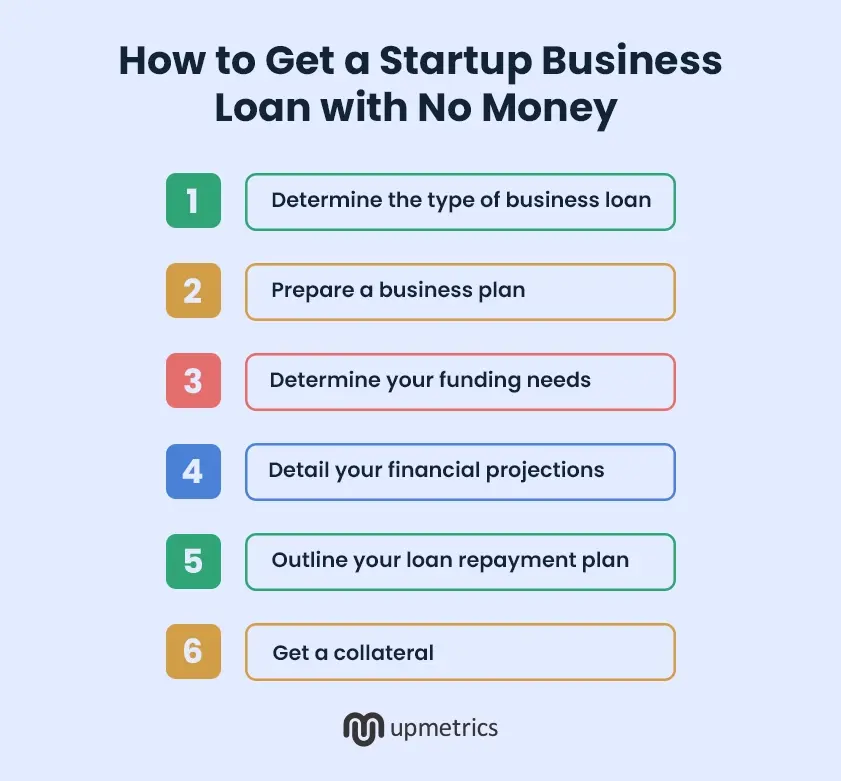
Success in securing a start-up loan hinges significantly on the quality and thoroughness of your preparation. Lenders are looking for signs of viability, responsibility, and a clear understanding of your business and its financial needs. Presenting a well-structured case is paramount.
Crafting a Robust Business Plan
Your business plan is not just a document; it’s the blueprint of your vision, a detailed roadmap that outlines every aspect of your proposed venture. For a lender, it’s the primary tool for assessing risk and potential return. A robust business plan should include an executive summary that concisely outlines your business concept, mission, and objectives. It must detail your company description, including legal structure and ownership. Crucially, it needs to present a thorough market analysis, demonstrating an understanding of your target customers, industry trends, competition, and your unique value proposition. The organization and management section should highlight the experience and expertise of your leadership team. Service or product lines should be clearly defined. Finally, and perhaps most importantly for loan applications, your financial projections must be meticulously prepared, including income statements, balance sheets, cash flow statements, and break-even analysis for at least the next three to five years. These projections must be realistic, well-substantiated, and demonstrate a clear path to profitability and loan repayment.
Understanding Your Creditworthiness (Personal & Business)
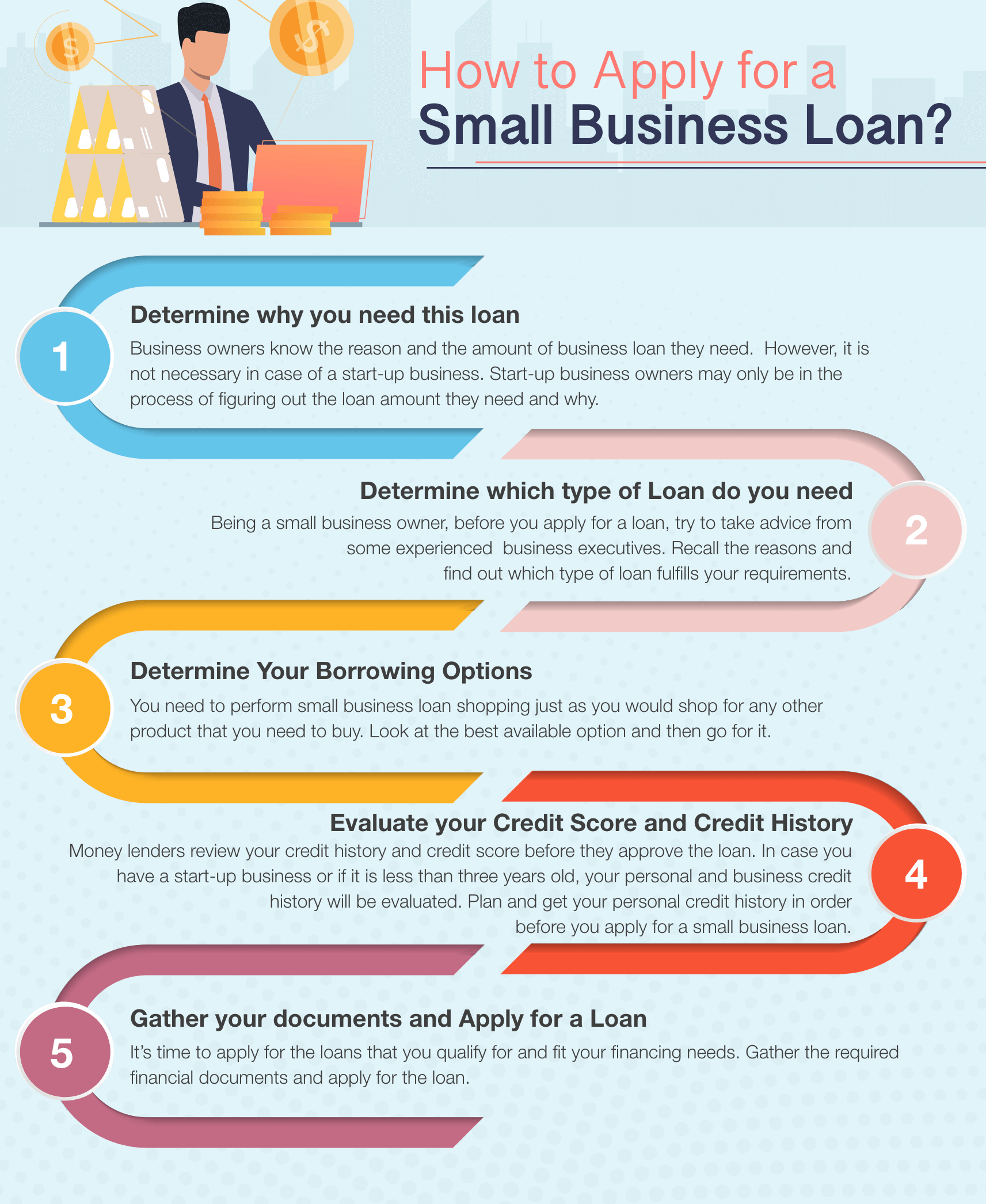
Lenders assess creditworthiness to gauge your ability and willingness to repay debt. For a start-up, where business credit history is non-existent, your personal credit score (FICO score) plays a significant role. A strong personal credit history demonstrates financial responsibility and provides lenders with a proxy for how you might manage business debt. It’s advisable to check your personal credit report from all three major bureaus (Equifax, Experian, TransUnion) and rectify any errors before applying. Beyond your score, lenders also look at your debt-to-income (DTI) ratio. As your business matures, building a separate business credit profile becomes vital. This involves establishing relationships with vendors who report to business credit bureaus, applying for a Dun & Bradstreet D-U-N-S number, and ensuring timely payments on all business accounts. Taking proactive steps to improve and monitor both your personal and future business credit will significantly strengthen your loan application.
Assembling Comprehensive Financial Documents
Beyond the financial projections in your business plan, lenders will require specific personal and, if applicable, early business financial documents. For individual entrepreneurs, this includes personal tax returns (typically for the last 2-3 years), personal bank statements, and a personal financial statement detailing assets, liabilities, and net worth. If your start-up has already incurred some initial expenses or generated early revenue, you’ll need to provide any existing business bank statements, early revenue reports, and possibly a projected balance sheet and cash flow statement for the business itself. For those transitioning from an existing sole proprietorship or partnership, previous business tax returns and financial statements will be essential. The key is to be organized, have all documents readily accessible, and ensure they are accurate and up-to-date. Incomplete or inconsistent documentation can cause delays or even outright rejection.
Navigating the Diverse World of Start-Up Loan Options
The market for small business funding is more diverse than ever, offering a spectrum of options tailored to different business types, stages, and financial needs. Understanding these categories is key to identifying the best fit for your venture.
Traditional Bank Loans and Lines of Credit
Traditional banks remain a primary source of capital for many businesses. They typically offer term loans, which provide a lump sum of money repaid over a set period with fixed or variable interest rates, and lines of credit, which offer revolving access to funds up to a certain limit, ideal for managing cash flow fluctuations. While often offering competitive interest rates, traditional banks usually have stricter eligibility criteria, often requiring strong personal credit, substantial collateral, a proven business model, and sometimes, a history of profitability even for established businesses. For start-ups, this can be a significant hurdle, though strong personal financial standing and a compelling business plan can sometimes overcome the lack of business history. The application process can also be more lengthy and involve extensive documentation.
SBA-Backed Loans: A Lifeline for Small Businesses
The U.S. Small Business Administration (SBA) doesn’t lend money directly but guarantees a portion of loans made by approved lenders, thereby reducing the risk for banks and making them more willing to lend to small businesses, especially start-ups. SBA loans are often considered a lifeline due to their favorable terms, lower down payments, and longer repayment periods.
- SBA 7(a) Loan Program: This is the most common and flexible SBA loan, used for a wide range of business purposes including working capital, equipment purchases, real estate acquisition, and even refinancing existing debt. Loan amounts can go up to $5 million.
- SBA Microloan Program: Designed for very small businesses and start-ups, these loans go up to $50,000, provided by non-profit, community-based lenders. They often include business counseling and technical assistance, which can be invaluable for new entrepreneurs.
- SBA CDC/504 Loan Program: This program provides long-term, fixed-rate financing for major fixed assets like real estate or equipment, promoting business growth and job creation. It involves a certified development company (CDC), a bank, and the borrower.

SBA loans are particularly attractive for start-ups that might not qualify for conventional bank loans due to limited operating history or collateral.
Online Lenders and Alternative Financing Platforms
The rise of financial technology (fintech) has led to an explosion of online lenders and alternative financing platforms. These lenders often offer quicker approval times and more flexible eligibility criteria compared to traditional banks, making them a popular choice for start-ups in urgent need of capital or those rejected by conventional sources. Products include term loans, lines of credit, invoice factoring, and merchant cash advances. While often more accessible, online loans typically come with higher interest rates and shorter repayment terms to offset the increased risk lenders undertake. It’s crucial to carefully compare interest rates, fees, and repayment structures across different platforms, as terms can vary widely. Platforms like Kabbage, OnDeck, and Funding Circle are examples in this space.
Non-Traditional Funding Sources (Brief Mention)
While not strictly “loans” in the traditional sense, understanding the broader funding landscape can be beneficial. Angel investors and venture capitalists (VCs) provide equity funding in exchange for ownership stakes, typically for high-growth potential start-ups. Crowdfunding platforms (e.g., Kickstarter, Indiegogo for rewards-based; StartEngine, Republic for equity-based) allow businesses to raise capital from a large number of individuals, often in smaller amounts. While these aren’t debt instruments, they represent viable funding alternatives for specific types of start-ups and can sometimes complement a loan strategy.
The Application Journey: From Submission to Approval
Once you’ve prepared your documents and identified potential lenders, the next phase involves actively pursuing the loan and navigating the review process.
Identifying the Right Lender for Your Business
Choosing the correct lender is as crucial as choosing the right loan type. Don’t simply go for the first option. Research lenders that specialize in start-up funding or your specific industry. Online lenders might be faster but often pricier; traditional banks or credit unions might offer better rates but have stringent requirements. SBA-backed loans are a strong middle ground. Consider the lender’s reputation, customer service, and their willingness to understand your business model. Building a relationship with a loan officer who understands your vision can be invaluable. Don’t hesitate to consult with a business advisor or mentor who has experience in securing funding.
Presenting a Compelling Loan Proposal
Your application isn’t just a collection of documents; it’s a narrative. Ensure your executive summary effectively sells your vision, market opportunity, and management team’s capabilities. Highlight your unique selling proposition and how your business will address a specific market need. Be prepared to articulate your financial projections, demonstrating how the loan will be used to generate revenue and ensure timely repayment. If there are any weaknesses in your application (e.g., a lower personal credit score, limited collateral), address them head-on with mitigating factors or a clear plan for improvement. Practice explaining your business and financial needs concisely and confidently, as you may be required to present to a loan committee.
Understanding Loan Terms and Conditions
Before signing any agreement, thoroughly understand all loan terms and conditions. Pay close attention to the interest rate (fixed vs. variable), the annual percentage rate (APR) which includes fees, the repayment schedule, and any associated fees (origination fees, closing costs, prepayment penalties). Crucially, understand the collateral requirements; many small business loans require personal guarantees or specific assets as security. Be aware of any loan covenants—conditions imposed by the lender that you must adhere to throughout the loan term, such as maintaining certain financial ratios or providing regular financial reports. If anything is unclear, ask for clarification. Don’t rush this stage; it’s a long-term financial commitment.
What to Do If Your First Application is Denied
A loan denial, while disheartening, is not the end of the road. Request specific feedback from the lender on why your application was rejected. Was it your credit score, insufficient collateral, an unclear business plan, or unrealistic projections? Use this feedback constructively. Review your business plan and financial projections, making adjustments as needed. Work on improving your credit score or addressing any identified weaknesses. Explore alternative lenders or loan programs that might be a better fit for your current situation. Sometimes, even a slight refinement to your strategy or a different lender’s criteria can lead to approval. Persistence and adaptability are key attributes of successful entrepreneurs.
Beyond the Loan: Responsible Management and Future Growth
Securing a start-up loan is a significant achievement, but it’s only the beginning. The responsible management of these funds is critical for your business’s long-term health and your ability to secure future financing.
Strategic Use of Loan Funds
Once the funds are in hand, it’s paramount to use them exactly as outlined in your business plan and loan proposal. Resist the temptation to divert funds to non-essential expenditures. Stick to your budget, allocating capital judiciously to core areas such as product development, essential equipment, initial inventory, marketing, and operational expenses that directly contribute to revenue generation and growth. Maintaining meticulous records of how the funds are spent is not only good financial practice but may also be a requirement of your loan agreement. Strategic deployment ensures the loan provides the maximum impact for your start-up, setting a solid foundation for future success.
Diligent Repayment and Financial Discipline
Timely and consistent loan repayment is non-negotiable. Missing payments can severely damage your business credit score (once established) and even your personal credit, jeopardizing your ability to secure future financing. Implement robust cash flow management practices to ensure you always have sufficient funds to cover your loan installments. This involves monitoring receivables, managing payables, and keeping a close eye on your overall financial health. Building a strong repayment history not only fulfills your obligation but also establishes a positive credit reputation, opening doors to better terms and larger loans as your business grows. Financial discipline extends beyond loan repayment to all aspects of your business, fostering sustainable practices.
Planning for Future Funding Needs
As your start-up evolves, its financial needs will change. What started as a small loan for initial setup might later require expansion capital, working capital for increased inventory, or funds for technological upgrades. Begin planning for future funding well in advance. Maintain excellent financial records, track key performance indicators, and continually update your business plan with revised projections. Proactively manage your existing debt, ensuring it’s not overleveraged. By demonstrating a track record of responsible financial management and sustained growth, you’ll be better positioned to attract additional financing, whether it’s another loan, equity investment, or other forms of capital to scale your operations and achieve long-term success.
Securing a business start-up loan is a journey that demands thorough preparation, strategic exploration of options, and diligent execution. By approaching the process with a clear understanding of your needs, a robust business plan, and an unwavering commitment to financial responsibility, you can unlock the capital necessary to transform your entrepreneurial vision into a thriving and sustainable enterprise.
aViewFromTheCave is a participant in the Amazon Services LLC Associates Program, an affiliate advertising program designed to provide a means for sites to earn advertising fees by advertising and linking to Amazon.com. Amazon, the Amazon logo, AmazonSupply, and the AmazonSupply logo are trademarks of Amazon.com, Inc. or its affiliates. As an Amazon Associate we earn affiliate commissions from qualifying purchases.