
Securing adequate business funding is often the critical juncture that determines whether an innovative idea remains a dream or transforms into a thriving enterprise. For many entrepreneurs, navigating the complex world of business finance can feel like an arduous journey, fraught with intricate terms, demanding prerequisites, and a myriad of options. Yet, with a clear understanding of the landscape, meticulous preparation, and a strategic approach, accessing the capital needed for launch, growth, or stabilization becomes an achievable goal. This article will demystify the process, offering insights into the diverse funding avenues available, the essential steps to prepare your business, and how to effectively engage with potential investors and lenders.

Understanding the Funding Landscape: Diverse Avenues for Capital
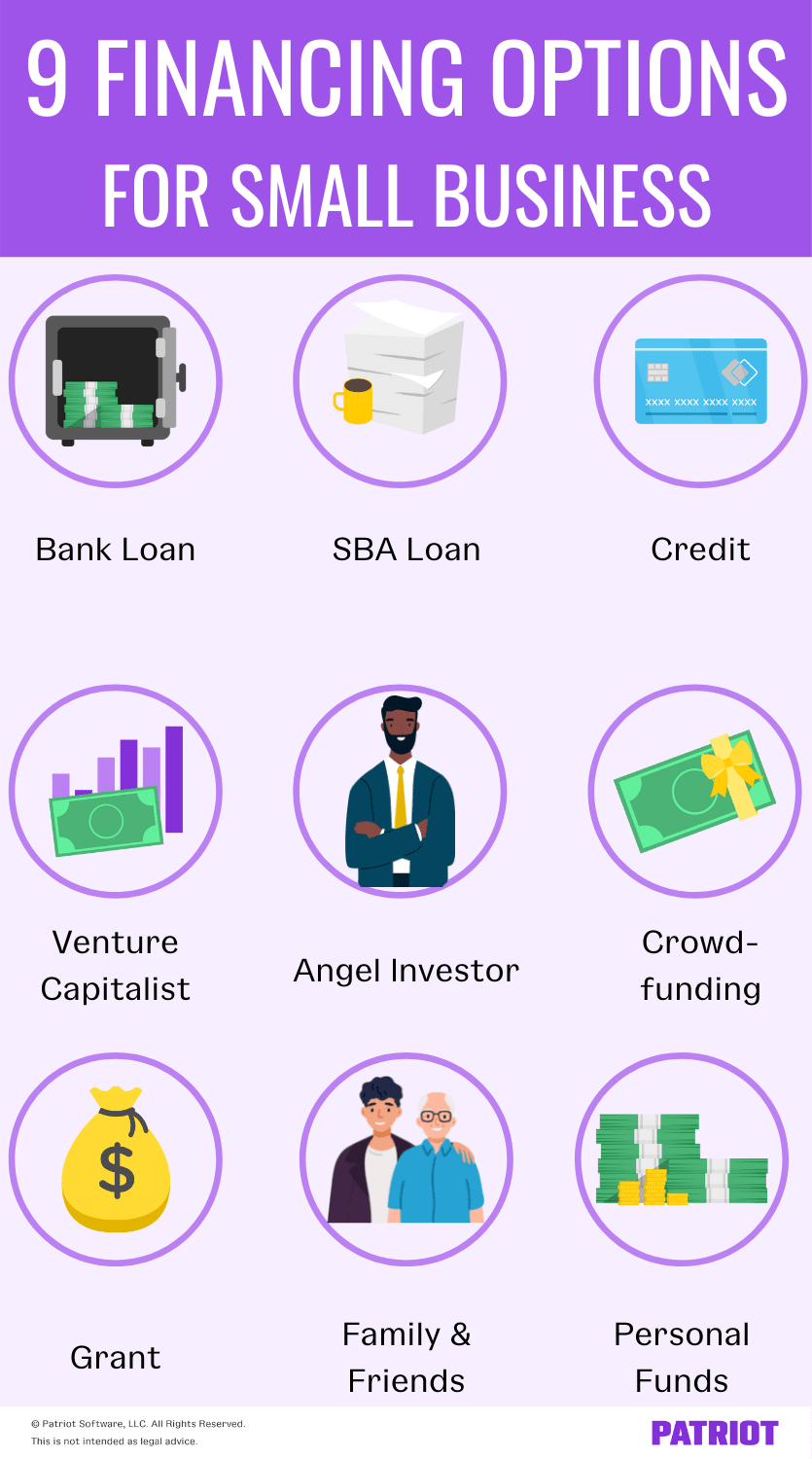
The world of business funding is broad, encompassing various mechanisms, each with its own characteristics, advantages, and ideal use cases. Understanding these distinctions is fundamental to identifying the most suitable path for your specific business needs and stage of development.
Debt Financing: Loans and Lines of Credit
Debt financing involves borrowing money that must be repaid, typically with interest, over a predetermined period. This is perhaps the most traditional form of business funding and comes in several iterations:
- Term Loans: These are lump sums of money advanced by banks or other financial institutions, with a fixed repayment schedule and interest rate. They are often used for significant capital expenditures, such as purchasing equipment, real estate, or making substantial inventory investments. Eligibility often depends on the business’s credit history, revenue, and collateral.
- Lines of Credit: Unlike term loans, a business line of credit provides access to a flexible amount of capital up to a certain limit. Businesses can draw on these funds as needed, repaying the borrowed amount (plus interest) and then redrawing again. This flexibility makes lines of credit ideal for managing cash flow fluctuations, covering operational expenses, or bridging gaps in revenue.
- SBA Loans: The U.S. Small Business Administration (SBA) doesn’t lend money directly but guarantees a portion of loans made by commercial lenders, making it less risky for banks to lend to small businesses. SBA loans, such as the 7(a) program or microloans, often come with lower down payments, longer repayment terms, and more favorable interest rates than conventional loans, making them highly attractive for qualifying businesses.
- Equipment Financing: Specifically designed to help businesses purchase machinery, vehicles, or other necessary equipment. The equipment itself often serves as collateral, making it easier to qualify than a general business loan.
- Invoice Factoring and Merchant Cash Advances: These are short-term, high-cost options. Invoice factoring involves selling your outstanding invoices to a third party at a discount for immediate cash. A merchant cash advance (MCA) provides a lump sum payment in exchange for a percentage of future credit card sales. Both are useful for quick access to capital but come with significant costs.
Equity Financing: Sharing Ownership for Growth
Equity financing involves selling a portion of your company’s ownership in exchange for capital. Unlike debt, equity does not require repayment, but it does mean giving up a degree of control and future profits to investors.
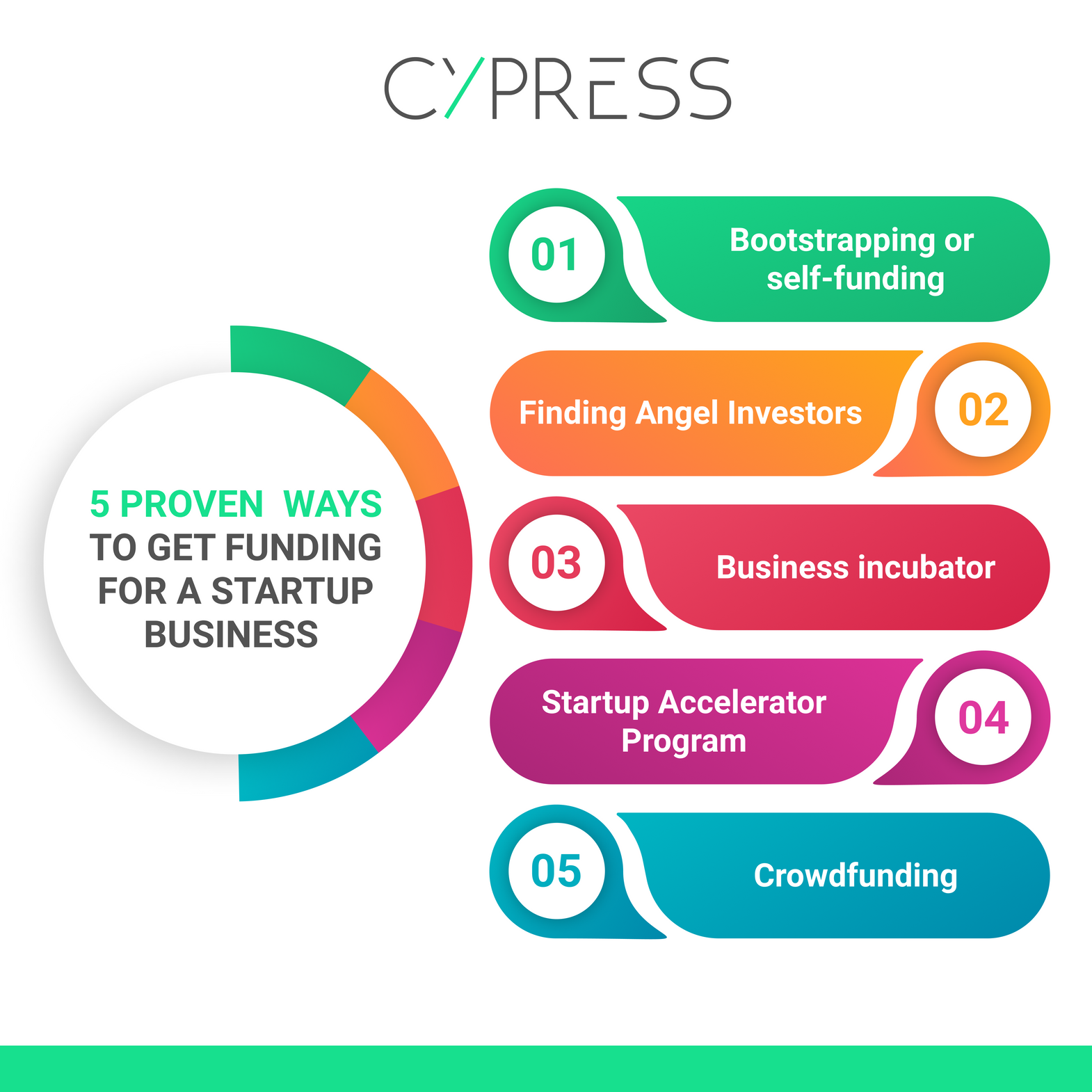
- Bootstrapping: While not traditional “funding,” bootstrapping involves self-funding your business using personal savings, early sales revenue, or credit cards. It maximizes ownership retention and forces lean operations.
- Friends and Family: Often the first external source of capital for startups, these investments come from individuals who believe in you and your idea. Terms are typically more flexible, but clear agreements are crucial to preserve relationships.
- Angel Investors: High-net-worth individuals who provide capital for startups or early-stage companies, often in exchange for ownership equity or convertible debt. Angel investors typically invest their own money and often bring valuable industry experience and mentorship.
- Venture Capital (VC): Venture capital firms invest in high-growth potential companies, usually in exchange for significant equity stakes. VCs typically invest larger sums than angel investors and are looking for substantial returns within a specific timeframe (e.g., 5-7 years). They often provide strategic guidance and connections but also demand a greater say in company direction.
- Seed Funding and Series A/B/C Rounds: These terms denote different stages of equity funding, typically associated with startups. Seed funding is the earliest stage, helping a company develop its product and market. Subsequent rounds (Series A, B, C, etc.) indicate further investment as the company grows and scales, with increasing valuations and larger sums raised.
Alternative and Non-Dilutive Funding Options
Beyond traditional debt and equity, several other avenues can provide capital without taking on debt or giving up ownership.
- Grants: Government agencies, foundations, and corporations offer grants to businesses that meet specific criteria, often related to innovation, social impact, or particular industries (e.g., R&D, green technology). Grants do not require repayment and are non-dilutive, but they are highly competitive and often have strict reporting requirements.
- Crowdfunding: Platforms like Kickstarter, Indiegogo, and GoFundMe allow businesses to raise small amounts of money from a large number of individuals, often in exchange for rewards (product, experience) or, in some cases, equity or debt. It’s a powerful way to validate ideas and build a community around your brand.
- Revenue-Based Financing (RBF): An alternative to traditional debt, RBF providers offer capital in exchange for a fixed percentage of the business’s future revenue until a predetermined multiple of the original investment is repaid. It’s flexible, as repayments scale with revenue, and doesn’t involve equity dilution.
- Pre-Sales and Customer Funding: Generating sales or pre-orders for your product/service before it’s fully developed can provide immediate capital and validate market demand.
Preparing Your Business for Investment: The Foundation of Success
Regardless of the funding path you choose, thorough preparation is paramount. Lenders and investors are looking for well-organized, viable, and trustworthy ventures. Presenting a compelling case requires more than just a good idea; it demands robust planning, transparent financials, and a clear vision.
Crafting a Compelling Business Plan
A comprehensive business plan is your roadmap and your primary communication tool for potential funders. It demonstrates your understanding of the market, your strategy, and your potential for success.
- Executive Summary: A concise overview of your entire plan, highlighting the problem you solve, your solution, market opportunity, business model, team, and financial projections. This is often the first and sometimes only part an investor reads initially.
- Company Description: Detail your business’s legal structure, mission statement, vision, and core values. Explain what makes your company unique.
- Market Analysis: Demonstrate a deep understanding of your target market, industry trends, competition, and your unique selling proposition (USP). Include market size, segmentation, and growth potential.
- Products and Services: Describe what you offer, its features, benefits, and lifecycle. Explain any intellectual property or proprietary technology.
- Marketing and Sales Strategy: Outline how you will reach your customers, acquire them, and convert them into paying clients.
- Management Team: Introduce your key team members, highlighting their relevant experience, skills, and roles. Investors often back the team as much as the idea.
- Financial Projections: This is a critical section for funders. Provide detailed forecasts including income statements, cash flow statements, and balance sheets for at least the next 3-5 years. Justify your assumptions and show how the requested funding will impact these financials.
Financial Fortitude: Demonstrating Fiscal Health
Beyond projections, funders will scrutinize your current financial health. This requires meticulously maintained records and a clear understanding of your current financial standing.
- Credit Score: For debt financing, both your personal and business credit scores are vital. A strong credit history signals responsible financial management.
- Historical Financial Statements: Provide past income statements (P&L), balance sheets, and cash flow statements, ideally for the last 2-3 years if available. These demonstrate past performance and financial trends.
- Cash Flow Management: Show that you have a clear handle on your inflows and outflows. A positive and predictable cash flow is a strong indicator of financial stability.
- Use of Funds: Clearly articulate exactly how you intend to use the requested capital and the expected return on investment (ROI) for the business. Lenders and investors want to see that their money will be used wisely and strategically.
The Art of the Pitch: Presenting Your Vision
Once your foundational documents are in order, you’ll need to distill your business into a compelling narrative for presentations.
- Pitch Deck: A concise visual presentation (typically 10-15 slides) that summarizes your business plan, designed to capture investor interest quickly. It should cover the problem, solution, market, product, business model, team, financials, and the ask.
- Elevator Pitch: A brief, persuasive speech (30-60 seconds) that explains what your business does, its value proposition, and why it’s a good opportunity. Be ready to deliver this anytime, anywhere.
- Practice and Refine: Rehearse your pitch endlessly. Be prepared to answer tough questions about your market, competition, financials, and team dynamics. Confidence and clarity are key.
Navigating the Application and Due Diligence Process
With your preparations complete, the next phase involves actively seeking out and engaging with potential funders. This stage requires strategic outreach, meticulous application submission, and readiness for intense scrutiny.
Identifying the Right Funding Partners
Not all funding sources are suitable for every business. Research is critical to find partners whose investment thesis, industry focus, and stage preference align with your business.
- Targeted Research: Look for banks, angel networks, VC firms, or grant programs that specifically invest in your industry, geography, or business stage. Avoid a scattergun approach.
- Networking: Attend industry events, pitch competitions, and entrepreneurial gatherings. Personal connections can be invaluable for introductions to potential funders.
- Online Platforms: Utilize online directories and platforms designed to connect businesses with investors and lenders.
Submitting a Polished Application
First impressions matter. A well-organized, complete, and professional application package significantly increases your chances of moving forward.
- Adhere to Guidelines: Carefully follow all instructions provided by the lender or investor. Submitting incomplete or incorrectly formatted documents can lead to immediate rejection.
- Tailor Your Application: Customize your pitch deck and business plan for each funder, highlighting aspects most relevant to their interests.
- Clarity and Conciseness: Ensure all information is easy to understand and free of jargon. Be direct and to the point.
Surviving Due Diligence and Negotiation
If a funder expresses serious interest, you will enter the due diligence phase, where they thoroughly investigate every aspect of your business. This is also where the terms of the investment or loan will be negotiated.
- Openness and Transparency: Be prepared to provide extensive documentation, including legal documents, customer contracts, employee agreements, intellectual property filings, and detailed financial records. Honesty and transparency are paramount.
- Legal Counsel: Engage experienced legal counsel to review all term sheets, loan agreements, or investment contracts. Understanding the legal implications of the funding terms is crucial.
- Negotiation: Be prepared to negotiate terms such as interest rates, equity stake, valuation, board seats, repayment schedules, and restrictive covenants. Understand your bottom line and be willing to walk away if the terms are not favorable.
Strategic Considerations for Choosing the Best Funding Fit
The decision of which funding to accept is as critical as securing the funding itself. It impacts your business’s future trajectory, ownership, and operational flexibility.
Balancing Cost, Control, and Repayment
Every funding option comes with trade-offs.
- Cost of Capital: Evaluate not just the interest rate or equity dilution, but also associated fees, legal costs, and the true long-term financial burden.
- Control vs. Capital: Equity financing means giving up a share of your company and potentially some control over decisions. Debt financing retains ownership but introduces fixed repayment obligations that can strain cash flow.
- Repayment Terms: Understand the schedule, flexibility, and potential penalties associated with debt repayment. For equity, understand the investor’s expectations for exit strategies.
Aligning Funding with Business Stage and Goals
The ideal funding source often depends on where your business is in its lifecycle and what you aim to achieve.
- Early Stage/Startup: Often suited for bootstrapping, friends and family, angel investors, or seed funding due to higher risk and less proven track record. Grants and crowdfunding can also be vital here.
- Growth Stage: As your business gains traction, venture capital, larger debt facilities, or Series A/B rounds become more appropriate for scaling operations, market expansion, or product development.
- Mature Business: Traditional bank loans, lines of credit, or even public offerings might be suitable for expansion, acquisitions, or optimizing operations.
The Long-Term Impact of Your Funding Decisions
Consider the long-term implications of your funding choices. A decision made today can shape your company’s culture, governance, and ultimate success for years to come. Choose partners who align with your vision and can offer more than just capital – connections, expertise, and strategic guidance can be invaluable.
Post-Funding: Managing Your Capital for Sustainable Growth
Securing funding is a milestone, but it’s not the finish line. Effective management of the newly acquired capital is crucial for delivering on your promises and ensuring the long-term health of your business.
Responsible Capital Allocation
Once funds are in hand, disciplined financial management becomes paramount.
- Adhere to Your Plan: Stick to the “use of funds” plan outlined in your business plan and pitch deck. Any significant deviation should be carefully considered and, for equity investors, communicated.
- Budgeting and Tracking: Implement rigorous budgeting and financial tracking systems. Monitor expenditures closely to ensure funds are being used efficiently and effectively to achieve stated goals.
- Contingency Planning: Always retain a buffer. Unexpected challenges can arise, and having reserve funds can be the difference between weathering a storm and facing insolvency.
Maintaining Investor and Lender Relations
Building and maintaining strong relationships with your funders is vital, whether they are lenders or equity investors.
- Regular Reporting: Provide consistent and transparent financial and operational reports as agreed upon in your funding terms. This builds trust and keeps stakeholders informed.
- Open Communication: Proactively communicate successes, challenges, and strategic shifts. Don’t wait for problems to arise before engaging with your funders.
- Leverage Their Expertise: If you have equity investors, particularly VCs or angels, tap into their networks and experience. They often bring invaluable strategic insights and connections that can accelerate your growth.
In conclusion, acquiring business funding is a multi-faceted process demanding preparation, strategic insight, and resilience. By thoroughly understanding the available options, meticulously preparing your business, navigating the application and due diligence phases with precision, and making informed decisions about the right financial partners, entrepreneurs can successfully secure the capital necessary to propel their ventures forward, transforming innovative ideas into impactful realities.
aViewFromTheCave is a participant in the Amazon Services LLC Associates Program, an affiliate advertising program designed to provide a means for sites to earn advertising fees by advertising and linking to Amazon.com. Amazon, the Amazon logo, AmazonSupply, and the AmazonSupply logo are trademarks of Amazon.com, Inc. or its affiliates. As an Amazon Associate we earn affiliate commissions from qualifying purchases.