
Since its inception in 2009, Bitcoin has evolved from a niche cryptographic experiment into a globally recognized asset class. For many investors, the question is no longer “what is Bitcoin,” but rather “how can I strategically integrate it into my financial portfolio?” Acquiring Bitcoin is no longer the technical hurdle it once was; however, the methods of acquisition vary significantly in terms of cost, risk, and financial implications.
This guide explores the diverse avenues for obtaining Bitcoin, focusing strictly on the financial mechanisms, investment strategies, and economic considerations essential for anyone looking to build a position in the world’s leading digital currency.

Navigating the Primary Markets: Centralized and Peer-to-Peer Exchanges
For the vast majority of investors, the most straightforward way to acquire Bitcoin is through a dedicated exchange. These platforms act as the bridge between traditional fiat currency and the digital asset ecosystem.
The Role of Centralized Exchanges (CEXs)
Centralized exchanges are the most popular entry point for retail and institutional investors alike. Platforms such as Coinbase, Kraken, and Binance operate similarly to traditional stock brokerages. They provide high liquidity, meaning you can buy or sell large amounts of Bitcoin without significantly moving the market price.
From a financial perspective, using a CEX involves understanding fee structures. Most exchanges charge a combination of maker/taker fees and spread. High-volume traders often look for platforms with tiered fee structures that reward frequent activity. For the passive investor, the primary benefit of a CEX is the ease of use and the ability to link a traditional bank account via ACH or wire transfer, facilitating a seamless flow of capital into the digital space.
Peer-to-Peer (P2P) Trading and Privacy
For those who prioritize financial sovereignty or who may not have access to traditional banking infrastructure, Peer-to-Peer (P2P) platforms offer an alternative. These marketplaces connect buyers and sellers directly. The financial advantage here is the flexibility of payment methods—ranging from cash deposits to international wire transfers and even gift cards.
However, P2P trading requires a higher degree of due diligence. While platforms often use escrow services to protect both parties, the “price” on a P2P exchange may carry a premium over the global spot price, reflecting the convenience or the privacy afforded by the transaction.
Utilizing Bitcoin ATMs for Immediate Liquidity
Bitcoin ATMs (BTMs) have proliferated globally, offering a physical touchpoint for acquiring digital currency. While they offer the highest level of convenience for cash-heavy investors, they are often the most expensive route. Fees at BTMs can range from 7% to 15% above the market rate. From a wealth-building perspective, BTMs are generally discouraged for large-scale investment but serve as a vital tool for immediate liquidity or small, convenient purchases.
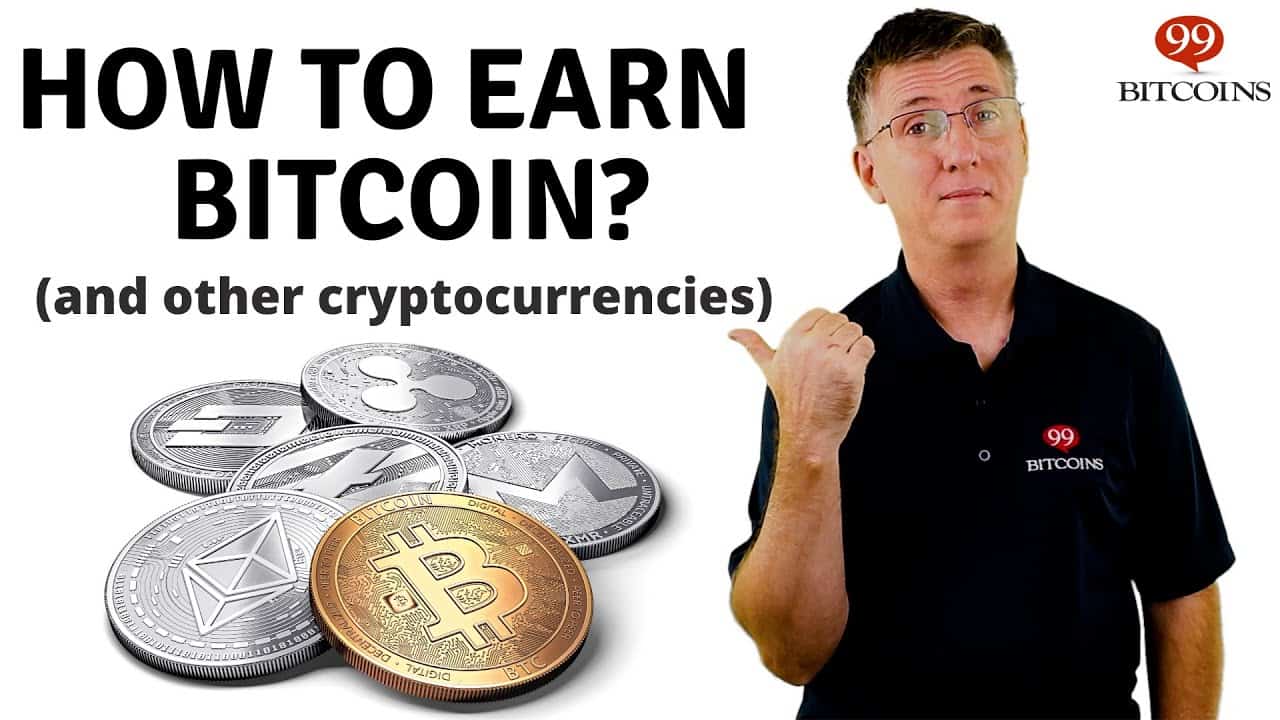
Earning Bitcoin: Integrating Digital Assets into Your Income Streams
Acquisition does not always require the deployment of existing capital. In an increasingly digital economy, many are choosing to earn Bitcoin directly, effectively bypassing the friction of fiat-to-crypto conversion.
Professional Services and Freelancing in BTC
As Bitcoin gains mainstream acceptance, an increasing number of companies and individual clients are willing to pay for services in BTC. This is a powerful way to “stack sats” (accumulate small fractions of Bitcoin) without dipping into your savings.
For freelancers and consultants, accepting Bitcoin can be a strategic financial move. It eliminates the high fees associated with international wire transfers and credit card processors. Furthermore, if the value of Bitcoin appreciates after the invoice is paid, the effective hourly rate of the professional increases retrospectively—a unique financial phenomenon not found in traditional currency.
Bitcoin Mining: From Hobbyist to Industrial Scale
Mining is the process by which new Bitcoins are entered into circulation. In the early days, this could be done on a home computer. Today, mining is a highly competitive, capital-intensive industry.
From an investment standpoint, mining is essentially a bet on the long-term price of Bitcoin versus the cost of electricity and hardware (ASICs). For an individual, participating in a “mining pool” allows for the sharing of resources and rewards. However, one must treat mining as a business venture, calculating the “break-even” point and considering the depreciation of hardware. It is a method of acquisition that rewards those with access to low-cost energy and the patience to manage a physical operation.
Rewards and Cashback Ecosystems
A more passive way to earn Bitcoin is through the burgeoning sector of Bitcoin rewards. Several financial tech companies offer debit and credit cards that provide “Bitcoin back” on everyday purchases. Instead of earning airline miles or points that may expire or lose value, users earn a deflationary asset. This is an excellent entry point for the risk-averse individual, as it allows for the accumulation of Bitcoin through existing spending habits without any direct capital investment.
Investment Vehicles and Financial Instruments
For many sophisticated investors, direct ownership of the underlying Bitcoin is less important than exposure to its price movements within a regulated framework.
Spot Bitcoin ETFs and Institutional Access
The landscape of Bitcoin acquisition changed fundamentally with the approval of Spot Bitcoin Exchange-Traded Funds (ETFs). These instruments allow investors to gain exposure to Bitcoin through their traditional brokerage accounts, such as an IRA or 401(k).
The financial appeal of an ETF lies in its simplicity and regulatory oversight. Investors do not need to worry about managing private keys or digital wallets. Instead, they buy shares of the fund, which holds the physical Bitcoin. While this introduces a management fee (expense ratio), it provides a level of institutional security and tax-advantaged growth that direct ownership often lacks.
The Power of Dollar-Cost Averaging (DCA)
Regardless of the platform used, the method of acquisition is vital for long-term financial success. Dollar-Cost Averaging (DCA) is a strategy where an investor buys a fixed dollar amount of Bitcoin at regular intervals, regardless of the price.
Given Bitcoin’s historical volatility, DCA is widely considered the most prudent financial approach. It removes the emotional stress of trying to “time the market” and lowers the average cost of the investment over time. By consistently acquiring Bitcoin during both market peaks and troughs, the investor builds a robust position that is less sensitive to short-term price fluctuations.
Safeguarding Your Capital: Storage, Taxes, and Risk Management
Acquiring Bitcoin is only half the battle; protecting that acquisition and understanding the surrounding financial obligations is the other half.
Understanding Custodial vs. Non-Custodial Solutions
In the world of Bitcoin, the phrase “not your keys, not your coins” is a fundamental principle. When you keep Bitcoin on an exchange, you are using a custodial service—essentially a bank for your digital assets.
For larger holdings, moving to a non-custodial solution, such as a hardware wallet, is often recommended. This gives the investor total control over their assets. From a risk management perspective, self-custody eliminates “exchange risk” (the possibility of an exchange being hacked or going bankrupt) but introduces “personal risk” (the possibility of losing your own access keys). Balancing these risks is a critical component of a digital asset strategy.
Tax Obligations and Regulatory Compliance
In most jurisdictions, Bitcoin is treated as property for tax purposes. This means that every time you sell Bitcoin, or even use it to buy a cup of coffee, you may be triggering a capital gains tax event.
Acquiring Bitcoin necessitates meticulous record-keeping. Investors must track the “cost basis” of every purchase. Using specialized crypto tax software can help automate this process, ensuring that when it comes time to file, the investor is compliant with local regulations. Failing to account for taxes can turn a profitable investment into a significant financial liability.

Managing Volatility and Portfolio Diversification
Finally, any acquisition of Bitcoin must be viewed through the lens of overall portfolio theory. Bitcoin is an “asymmetric” asset—it has high potential upside but carries significant volatility.
Financial advisors typically suggest that Bitcoin should represent a percentage of a portfolio that the investor is comfortable seeing fluctuate by 50% or more in a single year. By treating Bitcoin as a “digital gold” or a speculative growth component within a diversified basket of stocks, bonds, and real estate, investors can capture the growth of the digital economy without over-exposing themselves to the inherent risks of a nascent asset class.
In conclusion, getting Bitcoin is no longer a matter of technical wizardry, but a matter of financial strategy. Whether through direct purchase, earning through labor, or investing via regulated funds, the pathways are numerous. The successful investor is the one who chooses the method that best aligns with their risk tolerance, tax situation, and long-term financial goals.
aViewFromTheCave is a participant in the Amazon Services LLC Associates Program, an affiliate advertising program designed to provide a means for sites to earn advertising fees by advertising and linking to Amazon.com. Amazon, the Amazon logo, AmazonSupply, and the AmazonSupply logo are trademarks of Amazon.com, Inc. or its affiliates. As an Amazon Associate we earn affiliate commissions from qualifying purchases.