
Securing an auto loan from a bank is a common and often straightforward path for individuals looking to finance a new or used vehicle. While the process might seem daunting at first glance, understanding the various stages, requirements, and best practices can significantly simplify your journey, potentially saving you thousands over the life of the loan. This comprehensive guide will walk you through everything you need to know, from preparing your finances to finalizing your auto loan with a bank, ensuring you make an informed decision that aligns with your financial goals.
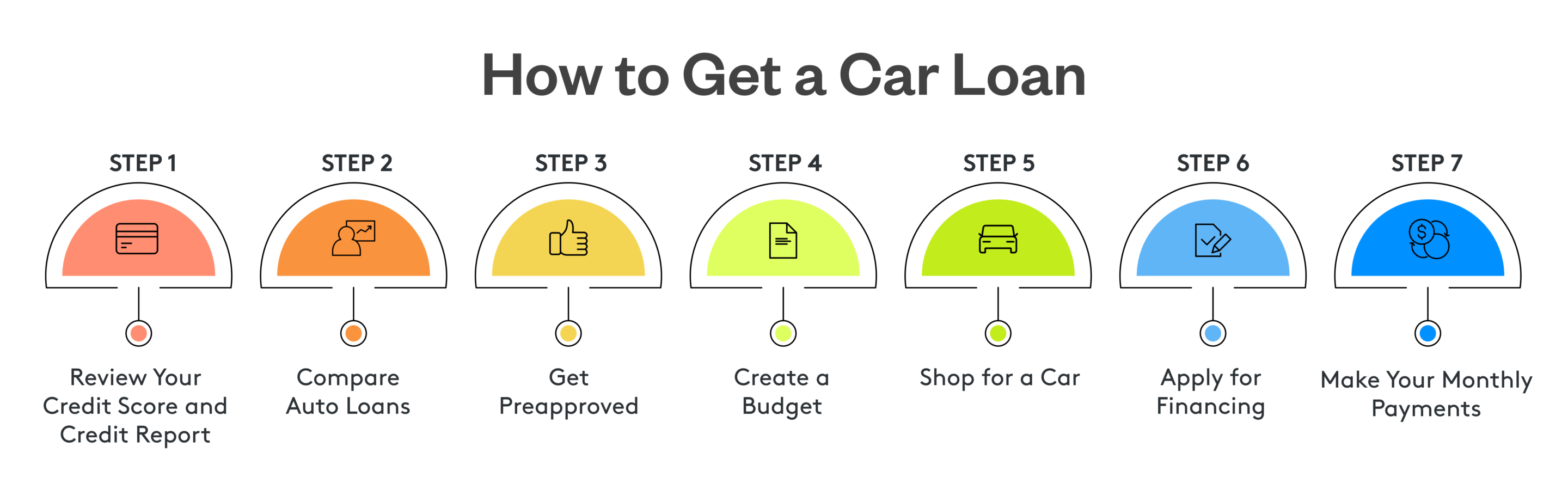
Understanding the Auto Loan Landscape
Before diving into the application process, it’s crucial to grasp the fundamental concepts of auto loans and why banks are often a preferred choice for many borrowers. A clear understanding of what an auto loan entails and what factors banks prioritize will set a strong foundation for your application.
What is an Auto Loan?
An auto loan is a secured loan specifically designed to finance the purchase of a motor vehicle. “Secured” means the vehicle itself serves as collateral for the loan. Should you default on your payments, the lender has the legal right to repossess the car to recover their losses. When you take out an auto loan, you borrow a specific sum of money from a financial institution (like a bank, credit union, or online lender) and agree to repay it, plus interest, over a predetermined period, typically ranging from 24 to 84 months. Your monthly payment will consist of a portion of the principal balance and the accumulated interest.
Why Choose a Bank for Your Auto Loan?
Banks are a traditional and highly reliable source for auto loans, offering several advantages over other lenders. Firstly, banks often provide competitive interest rates, especially for borrowers with strong credit histories, due to their large capital reserves and robust financial infrastructure. Secondly, they offer a wide range of loan products, allowing for greater flexibility in terms and conditions to suit various financial situations. Many people also appreciate the convenience and personalized service of having their auto loan with a bank where they already hold other accounts, simplifying financial management. Furthermore, banks are heavily regulated, providing a layer of consumer protection and transparency that might not always be present with less traditional lenders.
Key Factors Banks Consider
When you apply for an auto loan, banks meticulously evaluate several key factors to assess your creditworthiness and the risk associated with lending to you. Understanding these factors will help you prepare and present yourself as a reliable borrower:
-
Credit Score: This is perhaps the most critical factor. A higher credit score (generally above 670, with excellent scores being 800+) indicates a history of responsible borrowing and timely payments, leading to lower interest rates.
-
Income Stability: Banks want to ensure you have a consistent and sufficient income to comfortably make your monthly loan payments. They’ll often ask for proof of employment and income, such as pay stubs, W-2s, or tax returns.
-
Debt-to-Income (DTI) Ratio: Your DTI ratio compares your total monthly debt payments to your gross monthly income. A lower DTI (ideally below 36%) signals that you’re not overleveraged and have enough disposable income to handle new debt.
-
Down Payment: A larger down payment reduces the amount you need to borrow, thereby lowering the bank’s risk and potentially securing you a better interest rate. It also shows your commitment to the purchase.
-
Loan-to-Value (LTV) Ratio: This ratio compares the amount you want to borrow to the car’s market value. Banks prefer a lower LTV, indicating the car is worth more than the loan amount, providing better collateral.
Preparing for Your Auto Loan Application
A successful auto loan application hinges on thorough preparation. By taking the time to understand your financial standing and gather necessary documents beforehand, you can streamline the process and increase your chances of approval with favorable terms.
Assessing Your Creditworthiness
Your credit score and credit report are the bedrock of your loan application. Before approaching any bank, obtain copies of your credit report from all three major credit bureaus (Experian, Equifax, and TransUnion) via AnnualCreditReport.com. Review them meticulously for any errors or inaccuracies that could negatively impact your score. If you find discrepancies, dispute them immediately. Understanding your current credit score (e.g., FICO Score or VantageScore) will give you a realistic idea of the interest rates you might qualify for. If your score is low, consider taking steps to improve it, such as paying down existing debts or addressing late payments, before applying.
Understanding Your Debt-to-Income (DTI) Ratio
Calculate your DTI ratio by summing all your monthly debt payments (credit cards, student loans, mortgage, personal loans, etc.) and dividing that total by your gross monthly income. Multiply by 100 to get a percentage. For instance, if your total monthly debt payments are $1,000 and your gross monthly income is $3,000, your DTI is 33%. Banks generally prefer a DTI of 36% or less, with some flexibility up to 43%, depending on other factors. A high DTI might signal to lenders that you’re stretched thin financially, making you a higher risk.
Determining Your Budget and Down Payment
Realistically assess how much car you can afford. Don’t just consider the monthly payment; factor in insurance, maintenance, fuel, and registration costs. Use online auto loan calculators to estimate monthly payments based on different loan amounts, interest rates, and terms. Aim for a down payment of at least 10% for a used car and 20% for a new car. A substantial down payment not only reduces your loan amount and monthly payments but also helps you avoid being “upside down” on your loan (owing more than the car is worth) early in the loan term. It also demonstrates financial responsibility to the lender.
Gathering Necessary Documentation
Banks will require several documents to process your application. Having these ready in advance will expedite the process:
-
Proof of Identity: Driver’s license, state ID, or passport.
-
Proof of Income: Recent pay stubs (last 2-3 months), W-2s (last 2 years), tax returns (for self-employed individuals).
-
Proof of Residence: Utility bill, lease agreement, or mortgage statement.
-
Financial Information: Bank account numbers, routing numbers.
-
Vehicle Information: If you’ve already chosen a car, bring the make, model, year, VIN, and estimated price.
The Auto Loan Application Process
Once you’re financially prepared, the next step is to engage with banks. This phase involves research, applying, and understanding the fine print of the loan offer.
Researching Banks and Comparing Offers
Do not settle for the first offer you receive. Research multiple banks, including those you already bank with, local credit unions (which often have excellent rates), and even online lenders. Look beyond just the advertised interest rate; consider fees, loan terms, and any specific requirements. Many banks allow you to get pre-qualified without a hard credit inquiry, which can give you an idea of potential rates without impacting your credit score. Aim to apply for all your loans within a short window (e.g., 14-45 days) to have multiple hard inquiries treated as a single inquiry for credit scoring purposes.

Pre-Approval vs. Full Application
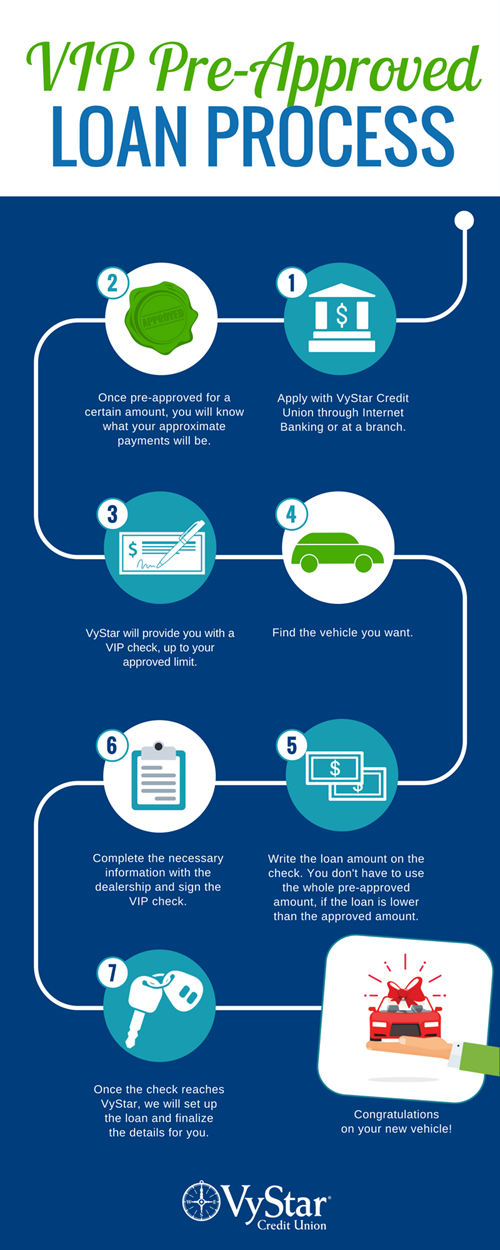
Getting pre-approved for an auto loan before visiting a dealership is a powerful strategy. Pre-approval means a bank has reviewed your finances and tentatively agreed to lend you a certain amount at a specific interest rate, typically valid for a set period (e.g., 30-60 days). It gives you a strong bargaining chip at the dealership, as you effectively become a cash buyer, focusing solely on the car’s price rather than financing terms. A full application occurs once you’ve selected a specific vehicle and are ready to finalize the loan, requiring all the documentation you’ve prepared.
Navigating the Application Form
Whether online or in person, the loan application form will ask for detailed personal, financial, and employment information. Be honest and accurate in your responses. Any discrepancies could lead to delays or even rejection. You’ll typically need to provide your full name, address, Social Security number, employment history, income details, and existing debts. Some forms may also ask for information about the specific vehicle you intend to purchase.
Understanding Loan Terms and Conditions
Once approved, you’ll receive a loan offer outlining the terms and conditions. It’s imperative to read and understand every detail before signing:
-
Annual Percentage Rate (APR): This is the true cost of your loan, encompassing the interest rate plus any fees. Compare APRs, not just interest rates, when evaluating offers.
-
Loan Term: This is the length of time you have to repay the loan (e.g., 60 months). Longer terms mean lower monthly payments but typically result in more interest paid over the life of the loan.
-
Monthly Payment: Ensure this fits comfortably within your budget.
-
Fees: Look out for origination fees, application fees, or prepayment penalties.
-
Collateral: Understand that the car is collateral, and non-payment can lead to repossession.
Maximizing Your Chances and Securing the Best Deal
Getting approved is one thing; securing the best deal is another. Strategic negotiation and awareness of potential pitfalls can significantly improve your loan terms.
Negotiating Interest Rates and Terms
Don’t assume the first offer is final. With a strong credit score and pre-approval in hand, you have leverage. You can often negotiate the interest rate, especially if you have competing offers from other banks. You might also negotiate the loan term to better suit your budget, though remember the trade-off between longer terms and total interest paid. Be prepared to walk away if the terms aren’t favorable; sometimes, this resolve can prompt lenders to improve their offer.
The Role of a Co-Signer (If Applicable)
If your credit score is less than ideal or your income is marginal, a co-signer might be necessary. A co-signer is someone with good credit who agrees to be equally responsible for the loan. Their creditworthiness can help you get approved or secure a better interest rate. However, understand the significant responsibility they are undertaking; if you fail to make payments, their credit will be damaged, and they will be legally obligated to pay. This should only be considered with someone you trust implicitly.
Avoiding Common Pitfalls
Be vigilant about common traps:
-
Long Loan Terms: While 72 or 84-month loans offer lower monthly payments, you’ll pay significantly more in interest over time and risk going upside down on the loan.
-
Add-ons at the Dealership: Be cautious of dealer add-ons like extended warranties, GAP insurance, or anti-theft devices being rolled into your financing without proper explanation. These can inflate your loan amount and interest costs.
-
Not Comparing Offers: Relying on the first or only offer can lead to overpaying.
-
Ignoring Your Budget: Don’t let enthusiasm lead you to a car you can’t truly afford.
Post-Approval Steps: Finalizing the Deal
Once your loan is approved and you’re satisfied with the terms, the bank will finalize the paperwork. This includes signing the loan agreement, which legally binds you to the terms. The bank will then disburse the funds, either directly to the dealership or sometimes to you, to complete the car purchase. Ensure all agreed-upon terms are accurately reflected in the final contract before signing. Don’t rush this stage; ask questions if anything is unclear.
Responsible Auto Loan Management
Securing your auto loan is only the beginning. Responsible management throughout the loan term is crucial for protecting your credit and achieving financial well-being.
Making On-Time Payments
This is paramount. Late payments can severely damage your credit score, incur late fees, and may even lead to repossession. Set up automatic payments from your bank account to ensure you never miss a due date. If you foresee difficulties in making a payment, contact your bank immediately to discuss potential options, such as deferral programs, before you fall behind.
Understanding Early Payoff Options
Many auto loans do not have prepayment penalties. If you find yourself with extra funds, paying off your loan early can save you a significant amount in interest over the loan’s life. Always confirm with your bank if any penalties apply before making substantial extra payments. Even making small extra payments each month or rounding up your payment can shorten the loan term and reduce total interest paid.
Refinancing Your Auto Loan
If your credit score has improved significantly since you took out the loan, or if interest rates have dropped, you might consider refinancing your auto loan. Refinancing involves taking out a new loan, often with a lower interest rate, to pay off your existing loan. This can reduce your monthly payments or the total interest paid over the life of the loan. Shop around with different banks and credit unions for refinancing offers, just as you did for your initial loan.
Getting an auto loan from a bank can be a smooth and beneficial process when approached with preparation, knowledge, and diligence. By understanding the factors banks consider, preparing your finances, diligently comparing offers, and managing your loan responsibly, you can secure favorable terms that empower you to drive away in your desired vehicle without compromising your financial future.
aViewFromTheCave is a participant in the Amazon Services LLC Associates Program, an affiliate advertising program designed to provide a means for sites to earn advertising fees by advertising and linking to Amazon.com. Amazon, the Amazon logo, AmazonSupply, and the AmazonSupply logo are trademarks of Amazon.com, Inc. or its affiliates. As an Amazon Associate we earn affiliate commissions from qualifying purchases.