
In the evolving landscape of personal finance, “Buy Now, Pay Later” (BNPL) services have carved out a significant niche, offering consumers unprecedented flexibility in managing their purchases. Among these, Klarna stands as a prominent player, renowned for its user-friendly interface and diverse payment options. For many, the appeal of Klarna lies in its ability to facilitate purchases without the immediate full outlay, providing a convenient bridge between desire and acquisition. However, the path to approval isn’t always straightforward, and understanding the nuances of Klarna’s decision-making process is key to successfully leveraging its services. This article delves into the intricacies of getting approved for Klarna, offering insightful strategies and essential advice to navigate its system effectively and responsibly.
Understanding Klarna and Its Appeal
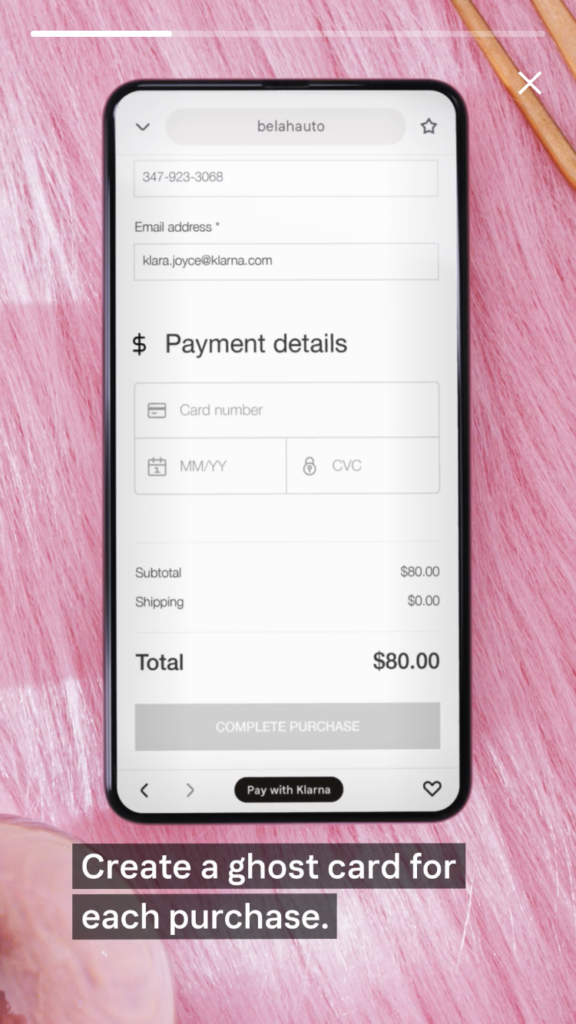
Klarna has revolutionized the way many consumers approach online and in-store shopping, transforming immediate payments into manageable installments. Its popularity stems from a blend of convenience, flexibility, and a perception of financial empowerment.
What is Klarna?
At its core, Klarna is a financial technology company that partners with retailers to offer customers various payment options at the point of sale. Instead of paying the full amount upfront, Klarna allows consumers to spread the cost of their purchases over time. Founded in Sweden in 2005, it has grown into a global leader in the BNPL space, processing millions of transactions daily across numerous markets. It’s not a traditional loan in the sense of a bank loan, but rather a short-term credit facility designed for retail purchases.
The Allure of “Pay Later” Services
The appeal of BNPL services like Klarna is multi-faceted. For consumers, it offers immediate gratification – getting the desired item now while deferring payment. This can be particularly useful for unexpected expenses or for managing cash flow when a paycheck is still a few days away. It also serves as a budgeting tool, allowing individuals to break down larger purchases into smaller, more manageable payments that fit within their monthly financial plans. Unlike traditional credit cards, many Klarna options are interest-free, provided payments are made on time, making them an attractive alternative for those looking to avoid interest charges.
How Klarna Works: A Quick Overview
Klarna typically offers several payment choices, though availability can vary by retailer and customer eligibility:
- Pay in 4 interest-free installments: This is perhaps Klarna’s most popular option, allowing customers to split their purchase into four equal payments, typically due every two weeks. The first payment is made at the time of purchase.
- Pay in 30 days: With this option, customers receive their item and have up to 30 days to pay the full amount without interest. This is ideal for those who want to try an item before committing or waiting for their next payday.
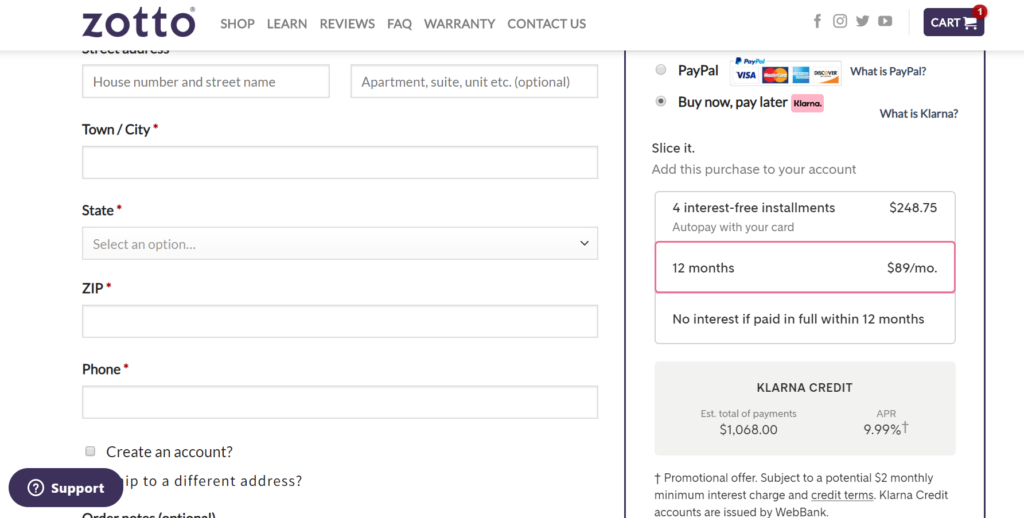
- Financing (monthly payments): For larger purchases, Klarna may offer longer-term financing plans, which can sometimes involve interest. These plans are more akin to traditional installment loans and are subject to more rigorous credit checks.
Understanding these options is the first step toward strategically applying for Klarna services.
Navigating Klarna’s Approval Process: Key Factors
While Klarna aims for accessibility, it is still a financial service, and like any lender, it needs to assess a user’s ability to repay. The approval process is designed to be quick and unobtrusive, but several factors play a critical role in whether your application gets the green light.
The Soft Credit Check: What It Means
One of the defining features of Klarna’s approval process for its “Pay in 4” or “Pay in 30 days” options is the use of a “soft” credit check. Unlike a “hard” credit inquiry, which typically occurs when applying for a credit card or loan and can temporarily lower your credit score, a soft check does not impact your credit score. This makes Klarna an attractive option for those conscious of preserving their credit health.
During a soft credit check, Klarna accesses a snapshot of your credit file from a credit bureau. They look for general indicators of financial responsibility, such as your payment history, existing debt, and the length of your credit history. While a perfect credit score isn’t usually required for these short-term plans, a history of consistent, on-time payments and a reasonable level of debt will undoubtedly bolster your application.
Klarna’s Internal Risk Assessment
Beyond the standard credit check, Klarna employs its own sophisticated internal risk assessment algorithms. These algorithms analyze a variety of data points to make an instantaneous decision. Key factors include:
- Purchase History with Klarna: If you’ve used Klarna before and consistently made on-time payments, you’re more likely to be approved for subsequent purchases, potentially even for higher amounts. This builds trust within their system.
- Retailer and Transaction Size: Approval can be influenced by the specific retailer you’re shopping with and the total value of your purchase. Some retailers might have higher approval thresholds than others, and very large transactions naturally carry more risk for Klarna.
- Your Financial Behavior: The frequency of your Klarna applications, whether you have multiple active payment plans, and your overall spending patterns can all contribute to the approval decision. Applying for too many plans simultaneously or attempting to make a purchase far exceeding your typical spending habits might raise a red flag.
- Real-time Data: Klarna’s system can also consider real-time information, potentially including your device, IP address, and other variables that help them verify your identity and assess risk.
Eligibility Requirements
Before delving into improving your financial standing, ensure you meet the basic eligibility criteria set by Klarna:
- Age: You must be at least 18 years old (or 19 in Alabama and Nebraska) to use Klarna in the United States.
- Residency: You typically need to be a legal resident of the country where you’re applying for Klarna.
- Valid Bank Account: A valid, verifiable bank account is essential for connecting Klarna to your payment methods. Some services may also require a valid debit card.
- Verified Identity: Klarna will require personal details such as your full name, date of birth, and billing address to verify your identity.
Meeting these fundamental requirements is the prerequisite for any application.
Maximizing Your Chances: Strategies for Approval
While Klarna’s approval process is largely automated, there are proactive steps you can take to increase your likelihood of being approved and maintain good standing. These strategies focus on demonstrating financial responsibility and leveraging the system intelligently.
The Role of Your Credit History and Score
Even though Klarna often uses a soft credit check, a healthy credit history is undeniably beneficial. While you don’t need an excellent score for “Pay in 4,” a good credit profile signals reliability.
- Pay Bills on Time: This is paramount. Consistent, on-time payments across all your financial obligations (credit cards, loans, utility bills) are the strongest indicators of financial health.
- Keep Credit Utilization Low: If you have credit cards, try to keep your credit utilization ratio (the amount of credit you’re using versus your total available credit) below 30%. High utilization can signal financial distress.
- Avoid Excessive Debt: While some debt is normal, an overwhelming amount of outstanding debt can make lenders hesitant, even for short-term BNPL services.
- Check for Errors: Regularly review your credit report for any inaccuracies that might negatively impact your score.
Ensuring Sufficient Funds and Income
Klarna needs to be confident that you have the means to repay your purchase. This often means connecting a valid bank account or debit card.
- Link a Strong Bank Account: Ensure the bank account you link has a consistent history of positive balances and regular income deposits. Klarna’s algorithms may assess your transactional data for signs of financial stability.
- Demonstrate Consistent Income: While Klarna doesn’t typically ask for pay stubs for basic BNPL, an internal assessment of your linked bank account can infer your income stability. Try to apply when you know your bank balance is healthy, especially after a payday.
- Avoid Overdrafts: A history of frequent overdrafts on your linked account could signal financial instability and negatively impact your approval chances.
Smart Shopping Habits with Klarna
How you interact with Klarna itself can significantly influence future approvals.
- Start Small: If you’re new to Klarna or have been declined previously, try applying for smaller purchase amounts with established retailers first. Successful repayment of smaller plans builds a positive history within Klarna’s system.
- Don’t Overextend: Avoid applying for multiple high-value Klarna plans simultaneously, especially if they represent a significant portion of your income. Klarna’s system may view this as over-indebtedness.
- Use Reputable Retailers: While Klarna partners with many merchants, some approvals might be easier with larger, well-known retailers compared to very small or niche online stores.
- Complete Payments Promptly: This cannot be stressed enough. Making your payments on time (or even early) is the best way to prove you are a responsible borrower and increase your approval limits and frequency.
Accurate Information is Crucial
Always double-check the personal and financial information you provide to Klarna. Any discrepancies, typos, or outdated addresses could lead to an automatic denial as Klarna struggles to verify your identity. Ensure your billing address matches the one on file with your bank or credit card.
What to Do If Your Application is Declined
A denial from Klarna isn’t the end of the world, but it’s an opportunity to understand what went wrong and improve your financial standing for future applications.
Understanding the Reasons for Denial
Klarna, by law, should provide you with a reason for denial if it’s based on information from a credit report. However, for many BNPL rejections, the reasons might be less transparent, often stemming from Klarna’s internal risk assessment. Common reasons include:
- Insufficient Credit History: You might not have enough credit history for Klarna to assess your reliability.
- High Existing Debt: You may have too much outstanding debt relative to your income.
- Recent Denials: Trying to apply again too soon after a previous denial can trigger another rejection.
- Too Many Active Klarna Plans: You might already have several open payment plans that Klarna deems too risky.
- Transaction Specifics: The specific item, retailer, or purchase amount might be deemed too high-risk at that moment.
- Identity Verification Issues: There might be an issue with Klarna verifying your identity or the details provided.
Steps to Improve Your Financial Profile
If you’ve been denied, focus on building a stronger financial foundation:
- Build or Repair Credit: If you have limited credit history, consider a secured credit card or becoming an authorized user on someone else’s account. If your credit is poor, focus on paying down high-interest debt and addressing any negative marks on your report.
- Reduce Existing Debt: Prioritize paying off outstanding balances, especially on credit cards and other BNPL services. This frees up your debt-to-income ratio.
- Increase Savings: Having a healthy savings buffer can indirectly signal financial stability to automated systems.
- Review Your Spending: Understand where your money is going and identify areas to cut back, allowing you to save more or pay down debt faster.
Reapplying Strategically
Don’t reapply immediately after a denial. Give it some time – at least 30 days, or longer if you need to make significant improvements to your financial profile. When you reapply:
- Address the Root Cause: Try to identify why you were denied and make efforts to rectify it.
- Start with a Smaller Purchase: If your previous application was for a large item, try a smaller, less risky purchase.
- Ensure Accuracy: Double-check all personal and payment information meticulously.
Exploring Alternative Payment Methods
If Klarna isn’t an option, or while you’re improving your financial standing, consider alternatives:
- Other BNPL Services: Companies like Afterpay, Affirm, or PayPal Pay in 4 offer similar services, and their approval criteria might vary slightly.
- Traditional Credit Cards: If you qualify, a low-interest credit card can offer similar flexibility.
- Debit Card: The most straightforward option is simply paying with a debit card if you have the funds available.
- Layaway Plans: Some traditional retailers still offer layaway, allowing you to pay for an item over time without a credit check, though you don’t receive the item until it’s fully paid.
Responsible Use of Klarna and BNPL Services
Gaining approval for Klarna is just the first step; using it wisely is paramount to preventing financial pitfalls and leveraging its benefits effectively. BNPL services, while convenient, are still forms of credit that require responsible management.
Budgeting and Financial Planning
Integrate Klarna payments into your overall budget. Don’t view BNPL as “free money” or a way to buy things you genuinely cannot afford.
- Track Your Payments: Keep a close eye on all upcoming Klarna payment due dates to avoid late fees and negative impacts on your credit history.
- Allocate Funds: Ensure you set aside the necessary funds for each payment when you receive your income, treating them as fixed expenses.
- Avoid Impulse Buys: Use Klarna strategically for planned purchases or necessary items, rather than succumbing to every impulse.
Avoiding Over-Indebtedness
The ease of BNPL can lead to overspending. It’s crucial to understand your total financial commitments.
- Limit Active Plans: Try to avoid having too many active Klarna payment plans simultaneously. It’s easy to lose track and find yourself overwhelmed by multiple due dates.
- Don’t Use for Essentials: BNPL should not be used for recurring essentials like groceries or utility bills unless absolutely necessary and short-term. It’s designed for retail purchases.
- Understand Total Cost: Always be aware of the total cost of your purchases, not just the individual installment amount.
Impact on Your Financial Future
While Klarna’s standard “Pay in 4” doesn’t typically report to major credit bureaus, this is changing in the BNPL industry. Some services do report payment history, both positive and negative. Even if Klarna doesn’t report for a specific plan, consistent late payments can lead to restrictions on future use, collection actions, and potentially impact your ability to get approved for other financial products if the debt is sent to collections. By using Klarna responsibly, you can enjoy its benefits without jeopardizing your financial health.
In conclusion, getting approved for Klarna hinges on a combination of meeting basic eligibility, demonstrating financial responsibility through a healthy credit profile and sufficient funds, and making smart choices about your spending and applications. By understanding the underlying mechanisms of its approval process and committing to responsible usage, consumers can effectively harness Klarna’s convenience to enhance their shopping experience and manage their finances more flexibly.
aViewFromTheCave is a participant in the Amazon Services LLC Associates Program, an affiliate advertising program designed to provide a means for sites to earn advertising fees by advertising and linking to Amazon.com. Amazon, the Amazon logo, AmazonSupply, and the AmazonSupply logo are trademarks of Amazon.com, Inc. or its affiliates. As an Amazon Associate we earn affiliate commissions from qualifying purchases.