
In an era where travel has become a fundamental aspect of both business and leisure, the cost of airfare often represents one of the most significant expenditures. For many, the dream of exploring new destinations or maintaining crucial connections is tempered by the daunting prices of flights. However, with strategic planning, a keen understanding of market dynamics, and the judicious use of financial tools, securing substantial airline discounts is not merely a pipe dream – it’s an achievable goal for the financially savvy traveler. This guide delves into the multifaceted world of airline pricing, equipping you with the knowledge and tactics to consistently uncover the best deals and make your travel budget go further.

Strategic Planning and Booking Tactics
The foundation of securing airline discounts lies in adopting a proactive and informed approach to the booking process. It’s less about luck and more about understanding the patterns and mechanisms that govern airfare pricing.
The Golden Window: Best Time to Book
One of the most enduring myths in travel is the idea of a single “best” day to book. While Tuesday afternoons were once touted as the prime time, dynamic pricing models have made this less predictable. However, general principles still apply. For domestic flights, booking between one to three months in advance often yields optimal prices. For international travel, this window extends to two to eight months. Airlines typically release their flight schedules 11-12 months out, with initial prices often high. Prices tend to dip as the departure date approaches, before spiking again in the final few weeks as last-minute business travelers book. Avoiding peak demand periods, such as holidays, major festivals, or school breaks, will inherently expose you to lower fares. Patience combined with diligent monitoring within this “golden window” can save you hundreds.
The Power of Price Comparison Sites
Aggregator websites like Google Flights, Skyscanner, Kayak, and Expedia are indispensable tools in the hunt for discounts. These platforms allow you to compare prices across multiple airlines and online travel agencies (OTAs) simultaneously, saving immense time and effort. Beyond simple comparisons, many offer powerful features such as price alerts, flexible date searches (e.g., “whole month” views), and “everywhere” search options to inspire cheaper destinations. Crucially, always cross-reference the prices found on these sites with the airline’s official website. Sometimes, direct bookings offer exclusive deals, better cancellation policies, or prevent hidden OTA fees.
Beating the System: Incognito Mode and VPNs
Airlines and OTAs often employ sophisticated algorithms that track your browsing history and location. This can lead to a phenomenon known as “dynamic pricing,” where repeated searches for the same flight may result in higher quoted fares, creating a sense of urgency. To counter this, always search for flights in your browser’s incognito or private browsing mode. This prevents cookies from being stored and influencing prices. Furthermore, using a Virtual Private Network (VPN) to mask your IP address and appear as if you’re browsing from a different country can sometimes reveal lower prices, especially for international flights, due to varying market demands and local purchasing power. Experiment with different server locations to see if prices fluctuate.
Considering Alternate Airports and Stopovers
Many major metropolitan areas are served by multiple airports. While the primary airport might be more convenient, a secondary or tertiary airport in the vicinity often offers significantly cheaper flights, especially with budget carriers. A slight increase in ground transportation time or cost might be a worthwhile trade-off for substantial airfare savings. Similarly, don’t shy away from flights with layovers or multiple stops. Direct flights, while convenient, often command a premium. A well-timed layover can drastically reduce the overall ticket price, and in some cases, a longer stopover can even be an opportunity to explore a second destination on the same trip – a concept known as a “free stopover.”
Leveraging Financial Tools and Rewards
Beyond smart booking tactics, your existing financial ecosystem offers powerful avenues for securing airline discounts, from loyalty programs to credit card benefits.
Maximizing Airline Loyalty Programs
Loyalty programs are designed to reward consistent customers, and for frequent flyers, they can unlock immense value. Enroll in every airline’s loyalty program you fly with, even if infrequently. Earning miles or points on every flight, even if it’s a small amount, can add up over time to free flights, upgrades, or discounts. Understand how points are accrued and redeemed, and look for opportunities to earn bonus miles through specific routes or promotions. Many airlines are part of global alliances (e.g., Star Alliance, Oneworld, SkyTeam), allowing you to earn and redeem miles across partner airlines, significantly expanding your earning potential and redemption options.
The Strategic Use of Travel Credit Cards
Travel-focused credit cards are arguably one of the most effective tools for obtaining airline discounts. These cards typically offer generous sign-up bonuses (tens of thousands of miles/points after meeting spending thresholds), which can often be enough for a round-trip international flight. Beyond the bonus, they provide ongoing rewards for everyday spending, often with accelerated earnings in specific categories like travel or dining. Many also come with perks like free checked bags, priority boarding, annual travel credits, lounge access, and companion passes, all of which contribute to significant savings and an enhanced travel experience. However, always ensure you can pay off your balance in full each month to avoid interest charges that would negate any travel benefits.
Capitalizing on Bank and Card Partner Offers
Many banks and credit card issuers have portals or special offers sections that provide discounts or bonus points for spending at specific merchants, including airlines or travel agencies. Always check these platforms before making a travel purchase. For instance, Chase Ultimate Rewards, American Express Membership Rewards, and Citi ThankYou Points programs allow you to redeem points for travel directly through their portals, often at an elevated value, or transfer them to airline partners at a 1:1 ratio. Additionally, some cards offer specific travel insurance benefits, trip delay coverage, or car rental insurance, which can save you from purchasing separate policies.
Utilizing Travel Vouchers and Gift Cards
Keep an eye out for airline gift card sales, often offered by retailers or third-party gift card sites at a discount (e.g., buy a $100 gift card for $90). These small savings can add up. Furthermore, if you’ve ever been voluntarily bumped from an oversold flight, you likely received a travel voucher or credit. Don’t let these expire! They represent real money and can be combined with other discounts. Also, some credit card programs offer annual travel credits or companion vouchers that can drastically reduce the cost of a flight when used strategically.
Flexibility and Alternative Approaches
The more flexible you can be with your travel plans, the greater your chances of uncovering significant airline discounts. Rigid itineraries often come with a premium price tag.
Embrace Off-Peak Travel Seasons
The demand for flights fluctuates dramatically throughout the year. Traveling during off-peak seasons – typically outside of major holidays, summer vacations, and popular event dates – can lead to substantial savings. For instance, flying to Europe in the shoulder seasons (spring or fall) or even the winter (excluding Christmas/New Year) can be significantly cheaper than during peak summer. Similarly, consider flying mid-week (Tuesday, Wednesday, Thursday) instead of weekends, as these days generally see lower demand and thus lower prices.
The Advantages of Flexible Dates and Times
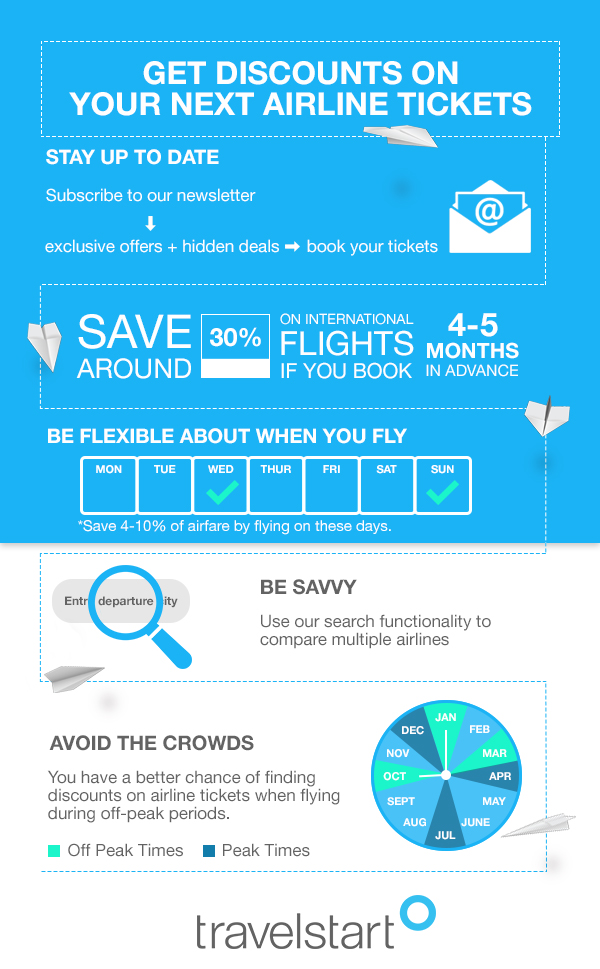
Even within a specific week or month, prices for the same route can vary wildly. Utilize the “flexible dates” or “calendar view” features on flight search engines to pinpoint the cheapest days to fly. Sometimes, shifting your departure or return date by just one or two days can result in hundreds of dollars in savings. Similarly, consider less convenient flight times, such as very early morning departures or late-night arrivals. These “red-eye” or “un-social” flights are often less popular and therefore cheaper.
Exploring Budget Airlines: Pros and Cons
Budget airlines like Spirit, Frontier, Allegiant in the US, or Ryanair and EasyJet in Europe, have revolutionized air travel by offering extremely low base fares. While these can be excellent for securing discounts, it’s crucial to understand their business model. Their low fares often come with unbundled services, meaning you pay extra for everything from checked bags and carry-on bags to seat selection, priority boarding, and even water. Always calculate the total cost, including all potential fees, before booking to ensure it’s genuinely cheaper than a full-service carrier’s discounted fare. For short-haul flights with minimal luggage, budget airlines can be unbeatable.
Open-Jaw and Multi-City Flights
An open-jaw flight is one where you fly into one city and depart from another (e.g., arrive in London, depart from Paris). A multi-city flight involves visiting several destinations on a single ticket. These booking strategies can sometimes be cheaper than booking separate one-way tickets or round trips, especially if you plan to travel overland between destinations. Flight search engines allow you to specify multi-city itineraries, and playing with different combinations can sometimes reveal surprising savings, particularly for international trips.
Beyond the Ticket Price: Hidden Savings
An airline discount isn’t solely about the base fare. Savvy travelers understand that true savings come from minimizing all associated costs.
Decoding Baggage Fees
One of the most common “hidden” costs of air travel is baggage fees. These can quickly add up, especially if you’re checking multiple bags or flying on a budget airline. The best way to save is to travel light with only a carry-on that meets size and weight restrictions. If you must check a bag, consider if your credit card offers a free checked bag perk. Otherwise, it’s almost always cheaper to pay for checked baggage online in advance rather than at the airport. Weigh your bags at home to avoid overweight fees, which can be exorbitant.
Avoiding Seat Selection Surcharges
Many airlines, especially budget carriers but increasingly full-service ones for their basic economy fares, now charge for seat selection. If you’re traveling solo or are flexible about where you sit, simply skip paying for a seat. You’ll be assigned one at check-in, and while it might be a middle seat, it’s free. If traveling with companions, you might still be assigned seats together if there are enough available, or you can politely ask gate agents or flight attendants if they can accommodate you once boarding is complete.
Smart Meal and Entertainment Choices
For longer flights, airline meals and snacks can be convenient but also overpriced. Consider bringing your own snacks and an empty reusable water bottle to fill up after security. Most airlines also charge for in-flight Wi-Fi and premium entertainment options. Download movies, TV shows, and books onto your devices before you fly to stay entertained without incurring extra costs. These small adjustments can significantly reduce your incidental spending onboard.
Navigating Change and Cancellation Policies
While the goal is to get a discount, sometimes plans change. Understanding an airline’s change and cancellation policy before booking is crucial. Many airlines have introduced more flexible policies, especially for basic economy fares, allowing changes without a fee, though you might pay the difference in fare. However, some still have hefty fees. Consider purchasing travel insurance, especially for expensive or complex trips, which can protect your investment in case of unforeseen circumstances. Some premium travel credit cards also offer robust travel insurance benefits.
Staying Informed and Alert
The world of airline pricing is constantly in flux. To consistently secure discounts, you need to stay ahead of the curve and be ready to act when a deal emerges.
Subscribing to Fare Alerts and Newsletters
Don’t spend hours every day searching for flights. Instead, let the deals come to you. Sign up for fare alerts from sites like Google Flights, Skyscanner, or Kayak for specific routes you’re interested in. These services will notify you via email when prices drop. Also, subscribe to newsletters from your preferred airlines and major travel deal aggregators (e.g., Scott’s Cheap Flights, The Flight Deal, Secret Flying). These often highlight flash sales, error fares, and limited-time promotions that aren’t widely advertised.
Following Travel Deal Aggregators and Social Media
Beyond newsletters, many dedicated travel deal websites and social media accounts specialize in finding and sharing the best flight discounts. Following these accounts can give you an edge, as they often report on “error fares” (mistake pricing by airlines) or exceptional flash sales that are highly time-sensitive. Being among the first to see these deals can be the difference between securing an incredible discount and missing out entirely.
Understanding Dynamic Pricing
As mentioned earlier, airline prices are constantly changing based on demand, time of year, inventory, and even your browsing history. This “dynamic pricing” means the price you see today might be different tomorrow, or even an hour from now. While it makes predicting prices challenging, understanding its existence helps you act strategically. When you see a good deal, especially one highlighted by an alert or deal site, it’s often wise to book it, as it might not last. Over-analyzing can lead to missed opportunities.
The Role of Flash Sales and Error Fares
Flash sales are short-term promotions where airlines significantly drop prices for a limited period, often for specific routes or travel dates. Error fares, on the other hand, are genuine mistakes made by airlines (e.g., a decimal point in the wrong place, a currency conversion error) that result in incredibly low prices. Both present fantastic opportunities for discounts. The key to capitalizing on these is speed and flexibility. Be ready to book immediately, and understand that error fares, while generally honored, can sometimes be canceled by the airline.

Conclusion
Securing airline discounts is an art form that blends financial acumen with strategic planning and a dash of flexibility. It’s about more than just finding the cheapest ticket; it’s about making informed decisions that optimize your entire travel budget. By adopting smart booking tactics, leveraging financial tools like credit card rewards and loyalty programs, embracing flexibility in your travel plans, and staying perpetually informed about market fluctuations, you transform from a passive consumer into an empowered traveler. The next time you plan a trip, remember that significant savings are within reach, turning your travel aspirations into affordable realities. Happy travels!
aViewFromTheCave is a participant in the Amazon Services LLC Associates Program, an affiliate advertising program designed to provide a means for sites to earn advertising fees by advertising and linking to Amazon.com. Amazon, the Amazon logo, AmazonSupply, and the AmazonSupply logo are trademarks of Amazon.com, Inc. or its affiliates. As an Amazon Associate we earn affiliate commissions from qualifying purchases.