
Launching a new business is an exhilarating journey filled with innovation, passion, and often, significant financial hurdles. While the entrepreneurial spirit may be abundant, capital often is not. Securing a startup business loan can be the critical difference between a groundbreaking idea remaining just that—an idea—and it transforming into a thriving enterprise. For many nascent businesses, traditional funding avenues seem out of reach due to a lack of operating history, established revenue streams, or substantial collateral. This comprehensive guide will demystify the process, illuminate the pathways, and equip you with the knowledge needed to successfully navigate the complex world of startup business financing.
Understanding the Startup Funding Landscape
Before diving into the application process, it’s crucial to grasp the unique position startups occupy in the financial ecosystem and what lenders typically look for. The landscape for new businesses is distinct, requiring a tailored approach to secure funding.
The Unique Challenges for Startups
Startups face an inherent Catch-22: you need money to grow, but lenders often require proof of growth or stability to lend money. The primary challenges include:
- Lack of Operating History: Most lenders prefer to see a track record of sales, profitability, and consistent operations. Startups, by definition, lack this.
- Limited Collateral: Without existing assets like property, equipment, or robust accounts receivable, offering security for a loan can be difficult.
- Unproven Revenue Streams: Projecting future income is often speculative for new businesses, making lenders wary of repayment capacity.
- High Perceived Risk: Statistically, many startups fail. Lenders view new ventures as inherently riskier than established businesses.
Different Types of Startup Funding
While this article focuses on debt financing (loans), it’s important to distinguish it from equity financing. Equity involves selling a stake in your company to investors (angels, venture capitalists) in exchange for capital. Debt financing, on the other hand, means borrowing money that you promise to repay with interest, without giving up ownership. For startups, a blend of both or an initial reliance on debt (especially smaller amounts) is common.
Key Lender Considerations
Despite the challenges, lenders are willing to fund promising startups. They typically scrutinize several key areas:
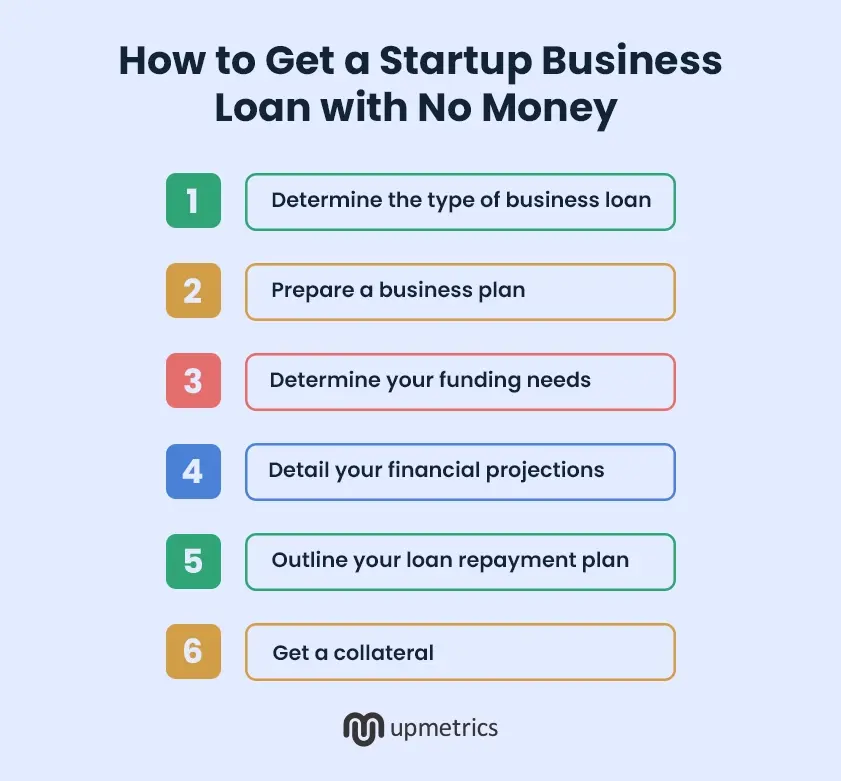
- The Business Plan: A detailed, well-researched, and realistic plan is paramount.
- Personal Credit Score: Your personal credit history is often a proxy for your financial responsibility.
- Industry and Market Potential: Lenders assess the viability and growth prospects of your chosen market.
- Management Team: The experience, expertise, and commitment of the founders are critical indicators of success.
- Use of Funds: A clear, justifiable explanation of how the loan proceeds will be utilized.
- Repayment Strategy: A credible plan outlining how the business will generate enough cash flow to repay the loan.
Preparing Your Business for a Loan Application
Thorough preparation is the bedrock of a successful loan application. Lenders need to see that you’ve done your homework and that your business is a well-thought-out venture, not just a fleeting idea.
Crafting a Robust Business Plan
Your business plan is arguably the single most important document you’ll present to a lender. It’s your company’s blueprint and narrative. It should include:
- Executive Summary: A concise overview of your entire plan.
- Company Description: What your business does, its mission, vision, and legal structure.
- Market Analysis: A deep dive into your target market, industry trends, competitors, and competitive advantages.
- Products or Services: Detailed description of what you sell, its unique value proposition, and intellectual property.
- Marketing and Sales Strategy: How you will reach customers and generate revenue.
- Management Team: Biographies of key personnel, highlighting relevant experience and expertise.
- Financial Projections: Crucial for startups. This includes projected income statements, cash flow statements, and balance sheets for at least three to five years, along with assumptions backing these numbers. This section must clearly demonstrate repayment capacity.
- Funding Request: A precise amount requested and a detailed explanation of how the funds will be used.
Polishing Your Personal and Business Credit Score
For startups, your personal credit score (FICO score) will be heavily weighed, as the business likely doesn’t have its own established credit history. A strong personal credit score (generally 680+) indicates financial responsibility and significantly improves your chances.
- Tips for Personal Credit: Pay bills on time, reduce existing debt, avoid opening too many new credit accounts, and regularly check your credit report for errors.
- Establishing Business Credit: Once your business is formally registered, open a dedicated business bank account, get an EIN, and apply for a business credit card (even if unsecured). Use it responsibly and pay on time to start building a business credit profile.
Gathering Essential Documentation
Be ready to provide a comprehensive set of documents. While requirements vary by lender, common documents include:
- Legal Business Documents: Articles of incorporation/organization, business licenses, permits, and any relevant certifications.
- Personal Financial Information: Personal tax returns (2-3 years), personal financial statements (assets, liabilities, net worth), bank statements.
- Business Financial Information (if any): If you have even a few months of operations, provide bank statements, sales records, and any existing financial statements.
- Resumes: For all key management personnel.
- Legal Agreements: Leases, contracts with suppliers or customers, patents, trademarks.
Defining Your Loan Needs Clearly
Before approaching lenders, know exactly how much money you need and what it will be used for. A specific, well-justified request demonstrates preparedness. Is it for equipment, inventory, working capital, marketing, or expansion? Articulate how the loan will generate a return on investment and contribute to the business’s ability to repay.
Exploring Common Startup Loan Options
The “startup loan” isn’t a single product; it’s a category encompassing various financing options, each with its own eligibility criteria, advantages, and drawbacks. Understanding these will help you target the right lenders.
Small Business Administration (SBA) Loans
The U.S. Small Business Administration doesn’t lend money directly (except for disaster loans) but guarantees a percentage of loans made by participating lenders. This guarantee reduces the risk for banks, making them more willing to lend to startups.
- SBA 7(a) Loan Program: The most common and flexible SBA loan, suitable for a wide range of general business purposes, including working capital, equipment, real estate, and refinancing debt. Max loan amount is $5 million, with longer repayment terms and lower down payments than conventional loans.
- SBA Microloan Program: Provides smaller loans (up to $50,000) for startups and small businesses, primarily for working capital, inventory, or equipment. These loans are often administered through non-profit community-based organizations that also offer business counseling.
- SBA 504 Loan Program: Offers long-term, fixed-rate financing for major fixed assets like real estate or equipment. Ideal for startups planning significant capital investments.
Traditional Bank Loans and Lines of Credit
While challenging for true startups, traditional banks do offer loans. They often prefer businesses with some operating history, collateral, and strong cash flow.
- Term Loans: A lump sum of cash repaid over a fixed period with interest. Requires strong financials and possibly collateral.
- Lines of Credit: Provides access to a set amount of funds that can be drawn upon as needed, repaid, and redrawn. More suitable for managing short-term cash flow gaps rather than initial startup capital.
- Relationship Banking: If you have an existing banking relationship (personal or previous business), you might have a slight advantage, especially if seeking a smaller loan.
Alternative Lenders and Online Platforms
The rise of financial technology (FinTech) has brought forth a new wave of lenders more willing to take on the risk of startups, often with faster application and approval processes.
- Online Lenders: Platforms like OnDeck, Fundera (now part of Funding Circle), and Kabbage (now part of American Express) offer various loan products, often with less stringent collateral requirements and faster funding. However, interest rates can be higher than traditional bank loans.
- Crowdfunding: While not a loan in the traditional sense, debt-based crowdfunding allows multiple individuals to lend small amounts to your business, which you repay over time.
- Community Development Financial Institutions (CDFIs): Non-profit organizations focused on providing affordable financial products and services to underserved communities and small businesses, including startups. They often offer microloans and business support.
Microloans
These are small loans, typically under $50,000, often provided by non-profit organizations or CDFIs. They are specifically designed to help startups and very small businesses, particularly those in underserved communities, access capital when larger loans are unavailable. They often come with business training and support.
Equipment Financing
If your startup requires significant machinery or equipment, equipment financing can be a viable option. The equipment itself serves as collateral, making it easier to qualify even without a long business history. Lenders are more comfortable as they can repossess the asset if you default.
Invoice Factoring/Receivable Financing
While less common for a brand-new startup with no existing invoices, businesses that quickly generate accounts receivable can use this. You sell your outstanding invoices to a third party (a factor) at a discount in exchange for immediate cash. The factor then collects payment from your customers. This helps manage cash flow but is not suitable for initial startup capital.
Navigating the Application and Approval Process
Once you’ve chosen your potential lenders, the next phase involves the actual application and the often-anxious waiting period.
The Application Submission
Each lender will have its specific application form, but they will all require the core documents you’ve prepared. Be meticulous in filling out every section, ensuring accuracy and consistency across all submitted materials. Any discrepancies or incomplete information can lead to delays or outright denial.
Underwriting and Due Diligence
After submission, the lender’s underwriting team will conduct a thorough review. This involves verifying all information, assessing your financial projections, evaluating your creditworthiness (both personal and business), and scrutinizing your business plan. They may request additional documents, clarification, or even an interview. Be prepared to respond promptly and transparently to all inquiries.
Understanding Loan Terms and Agreements
If approved, you will receive a loan offer outlining the terms and conditions. Crucial elements to understand include:
- Interest Rate: Fixed or variable, and the Annual Percentage Rate (APR).
- Repayment Schedule: Monthly, quarterly, or other, including the term length.
- Fees: Origination fees, closing costs, administrative fees, late payment penalties.
- Collateral Requirements: What assets, if any, are pledged to secure the loan.
- Covenants: Conditions that your business must meet to remain in compliance with the loan agreement (e.g., maintaining certain financial ratios, not taking on additional debt).
- Personal Guarantee: Many startup loans require a personal guarantee, meaning you are personally liable for the debt if your business defaults.
It is highly advisable to have a lawyer review the loan agreement before signing to ensure you fully understand your obligations and rights.
What to Do if Denied
A loan denial is not the end of the road. Ask the lender for the specific reasons for the denial. This feedback is invaluable. It might reveal weaknesses in your business plan, credit score issues, or areas where your projections were unrealistic. Use this information to improve your application, address the shortcomings, and explore other funding options or alternative lenders. Persistence is key in entrepreneurship.
Beyond the Loan: Responsible Financial Management
Securing a loan is a significant achievement, but it’s just the beginning. Effective financial management post-funding is crucial for the long-term health and growth of your startup.
Strategic Use of Loan Funds
Stick strictly to the purpose outlined in your loan application. Diverting funds for non-essential expenses not only jeopardizes your business’s ability to repay but can also damage your reputation with the lender and potentially lead to legal issues. Every dollar should be allocated to foster growth and achieve the milestones articulated in your business plan.
Diligent Repayment and Financial Monitoring
Make all loan payments on time, every time. Missing payments will negatively impact your business credit score and can lead to penalties and increased interest rates. Continuously monitor your financial performance against your projections. Regular review of your income statements, balance sheets, and cash flow statements will help you identify potential problems early and adjust your strategies as needed.
Building a Strong Relationship with Your Lender
Maintain open and transparent communication with your lender. If you anticipate any financial difficulties or significant changes in your business, inform them proactively. A good relationship can be invaluable for future financing needs, potential waivers on covenants, or even renegotiating terms if necessary. Lenders appreciate honesty and a proactive approach.

Conclusion
Securing a startup business loan is undeniably challenging, requiring meticulous preparation, a deep understanding of your business, and a strategic approach to identifying the right financing partners. However, with a compelling business plan, a strong personal credit history, accurate documentation, and a clear vision for repayment, the path to obtaining the capital you need becomes much clearer. Remember, the loan is a tool to fuel your entrepreneurial dream; how you prepare for it, acquire it, and manage it will ultimately determine the success and sustainability of your venture. Embrace the journey with diligence, resilience, and a commitment to responsible financial stewardship, and watch your startup flourish.
aViewFromTheCave is a participant in the Amazon Services LLC Associates Program, an affiliate advertising program designed to provide a means for sites to earn advertising fees by advertising and linking to Amazon.com. Amazon, the Amazon logo, AmazonSupply, and the AmazonSupply logo are trademarks of Amazon.com, Inc. or its affiliates. As an Amazon Associate we earn affiliate commissions from qualifying purchases.