
Securing a plane ticket might seem like a straightforward transaction, but for the financially savvy traveler, it’s an intricate dance of timing, strategy, and astute decision-making. In an era of dynamic pricing and increasingly complex fare structures, mastering the art of flight acquisition is paramount to managing personal finances and maximizing travel budgets. This guide delves into the financial intricacies of purchasing airfare, offering actionable insights to ensure you get the best value for your money.
Mastering the Financial Art of Flight Booking
The price of a plane ticket is rarely static. It fluctuates based on a myriad of factors, making the decision of when and how to buy a critical financial consideration. Understanding these underlying dynamics is the first step toward significant savings.
The Dynamic World of Airfare Pricing
Airline pricing models are sophisticated algorithms designed to maximize revenue. They factor in demand, competitor pricing, fuel costs, historical data, and even the type of device you’re using. This dynamic nature means that the price you see today could be vastly different tomorrow. For the consumer, this translates into a need for vigilance and an understanding of market trends. Airlines often release a limited number of seats at lower fare classes, which sell out quickly. As these cheaper seats disappear, the price for the remaining seats rises, even if they are in the exact same section of the plane. This tiered pricing system necessitates early action or strategic waiting for potential sales.
Furthermore, airlines employ yield management strategies, adjusting prices in real-time based on booking patterns. If a flight isn’t selling well, prices might drop closer to the departure date. Conversely, if demand is high, prices will continue to climb. This creates a challenging environment where last-minute deals are rare for popular routes, and early booking generally offers a financial advantage. Understanding the general supply and demand for your desired route and travel period is crucial. For example, holiday travel or major event dates will almost always be more expensive due to inelastic demand.
Strategic Timing for Optimal Savings
The adage “timing is everything” holds particular weight in the realm of airfare. While there’s no single magic bullet, historical data and industry trends offer valuable insights into the optimal booking windows for domestic and international travel.
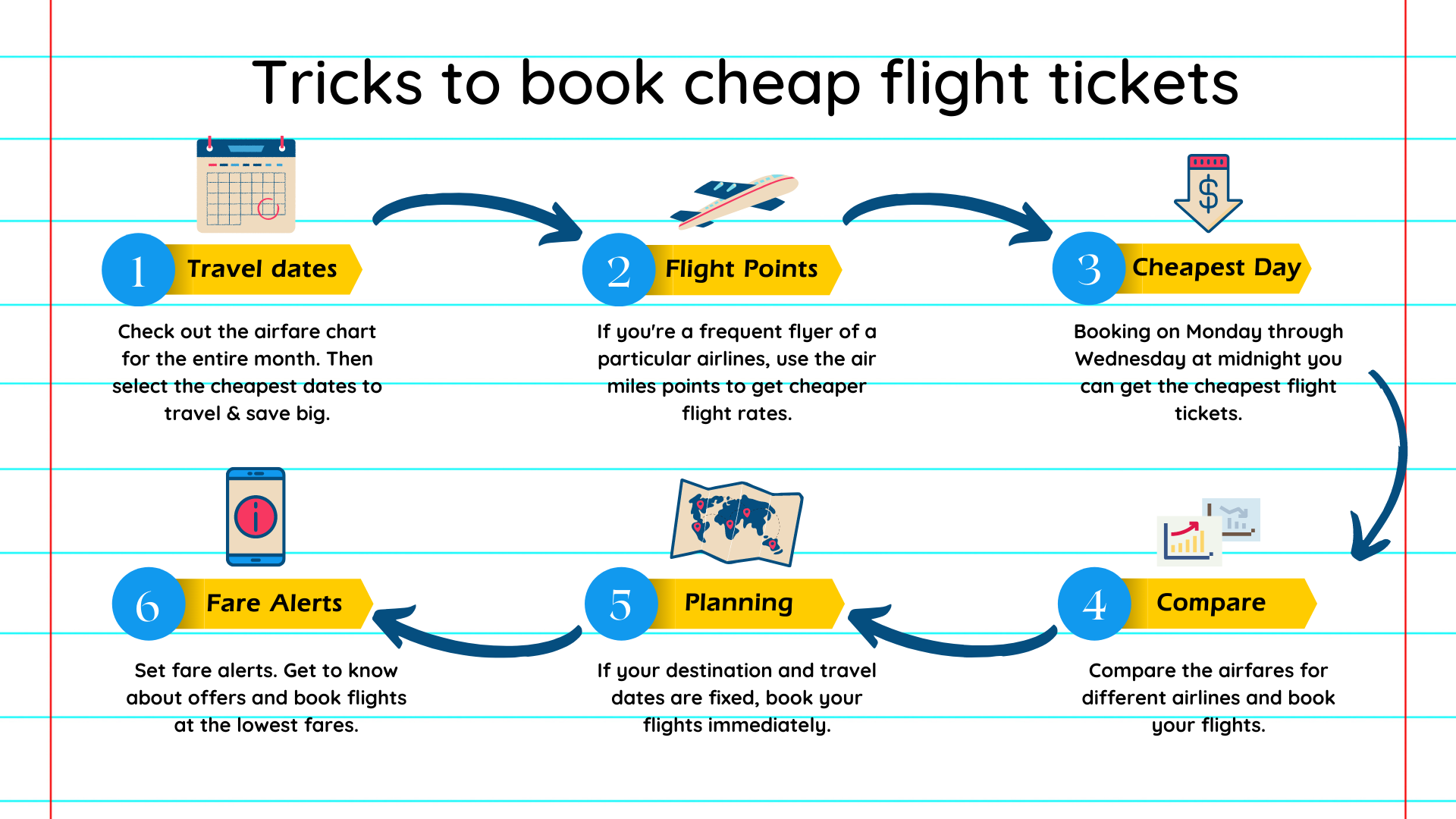
For domestic flights, the sweet spot typically falls between one to three months before your departure date. Booking too early (e.g., six months out) often means you’re seeing initial, higher prices before airlines gauge demand and potentially introduce sales. Booking too late (e.g., within two weeks of departure) almost guarantees inflated prices, as airlines know last-minute travelers have fewer options and are more willing to pay a premium. Mid-week departures (Tuesday, Wednesday) and red-eye flights are frequently cheaper due to lower demand compared to weekend or prime-time travel.
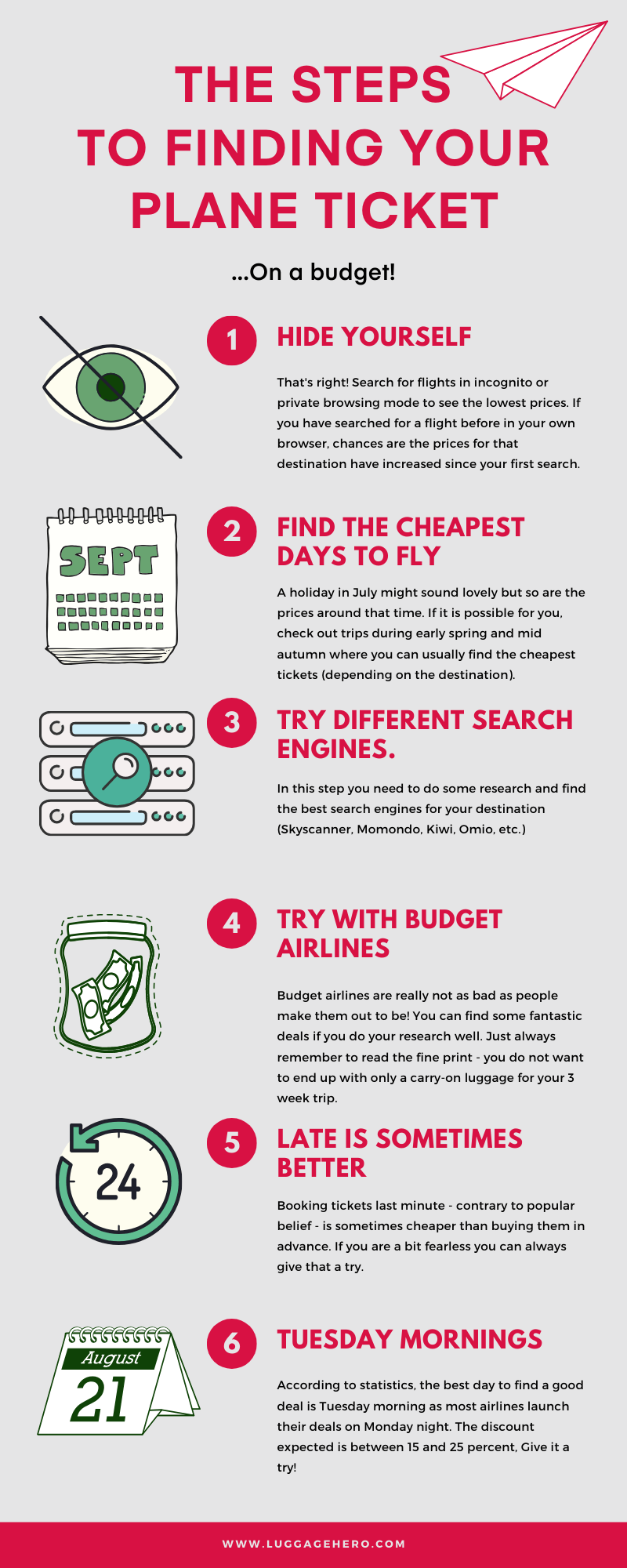
For international flights, the booking window extends further, generally four to five months out for the best rates. This longer lead time is due to the greater complexity of international routes, differing airline alliances, and the need for more extensive planning by travelers. Waiting until three months before an international trip can often see prices escalate significantly. Flexibility with your travel dates, even by a day or two, can yield substantial savings. Utilizing tools that allow you to view prices across an entire month can highlight cheaper days to fly, often midweek or during off-peak seasons.
Consider also the day of the week you book your ticket. While the actual flight day is more impactful, some theories suggest that booking on Tuesdays or Wednesdays can be cheaper because airlines often release new sales or match competitors’ prices early in the week after weekend demand has been assessed. However, consistency across all airlines is not guaranteed, and the general trend of “early is better” within the optimal window remains the most reliable financial strategy.
Leveraging Financial Tools and Strategies
In the quest for affordable airfare, modern financial tools and smart strategies are indispensable. They empower travelers to navigate the complex pricing landscape and capitalize on every potential saving.
Comparison Websites and Price Alerts: Your Digital Allies
Comparison websites like Google Flights, Skyscanner, Kayak, and Expedia are powerful financial tools. They aggregate prices from hundreds of airlines and online travel agencies (OTAs), providing a comprehensive view of the market. Instead of manually checking each airline’s site, these platforms allow for quick comparisons, identifying the cheapest options, and often highlighting flexible date ranges that offer better value.
Beyond simple comparison, many of these platforms offer price alert features. This is a crucial financial strategy. By setting up alerts for specific routes and dates, you receive notifications when prices drop. This eliminates the need for constant manual checking and ensures you can act swiftly when a good deal emerges. For volatile routes, setting up multiple alerts across different platforms can increase your chances of catching a significant price reduction. Remember to clear your browser’s cookies or use incognito mode when repeatedly searching for flights, as some theories suggest airlines may subtly increase prices for repeat visitors to create a sense of urgency, though this practice is debated.
The Power of Credit Cards and Loyalty Programs
Smart use of financial products can significantly reduce the effective cost of your plane tickets. Travel rewards credit cards are a prime example. Many cards offer substantial sign-up bonuses (e.g., 50,000+ points) which can be redeemed for free flights or statement credits against travel purchases. Earning points on everyday spending, especially through category bonuses (e.g., 3x points on travel or dining), further accumulates rewards that can be put towards future flights. Before committing, meticulously compare annual fees, redemption values, and any foreign transaction fees to ensure the financial benefits outweigh the costs.
Airline loyalty programs are another cornerstone of financially savvy travel. By consistently flying with one airline or its partners, you accumulate miles or points that can be redeemed for free flights, upgrades, or discounted fares. Achieving elite status can unlock additional perks like free checked bags, priority boarding, and lounge access – all of which translate to tangible financial savings and an improved travel experience. It’s often financially beneficial to concentrate your travel on one airline alliance (e.g., Star Alliance, SkyTeam, Oneworld) to maximize point accumulation and benefit from status recognition across partner airlines. Be mindful of miles expiration policies and any blackout dates or restricted availability for award travel.
Navigating Hidden Costs and Maximizing Value
The advertised price of a plane ticket is rarely the final cost. A multitude of ancillary fees and overlooked expenses can quickly inflate your travel budget. A thorough understanding of these potential financial drains is essential for accurate budgeting and maximizing overall value.
Understanding Fare Classes and Ancillary Fees
Airlines unbundle services to offer lower base fares, then charge for extras. These ancillary fees can include checked baggage, carry-on bags (especially on budget airlines), seat selection, in-flight meals, priority boarding, and even printing a boarding pass at the airport. Each of these adds to the total financial outlay. Before booking, meticulously review the airline’s fee structure. For instance, a budget airline ticket that appears cheaper upfront might become more expensive than a full-service carrier once baggage and seat selection fees are factored in.
Fare classes (e.g., Basic Economy, Economy, Economy Plus) also dictate what’s included and what’s extra. Basic Economy, while the cheapest, often comes with significant restrictions: no seat selection, no changes or refunds, and sometimes even last-to-board status. While tempting due to its low price, it’s crucial to weigh these restrictions against your travel needs and financial flexibility. If your plans are prone to change, the inability to modify or refund a Basic Economy ticket could lead to a greater financial loss than the initial savings. Always compare the total cost and flexibility across different fare classes.
Budgeting for the Unforeseen
Beyond the ticket price and known fees, smart financial planning for travel involves anticipating potential additional expenses. Travel insurance is a key component here. While an added upfront cost, it can protect against significant financial losses due to flight cancellations, delays, lost luggage, or medical emergencies abroad. For expensive trips, or those with tight connections, the peace of mind and financial safeguard offered by insurance often outweighs its cost. Always read the policy details to understand coverage limits and exclusions.
Currency exchange rates and foreign transaction fees are also important financial considerations for international travel. Using a credit card without foreign transaction fees can save you 1-3% on every purchase abroad. Withdrawing cash from ATMs can incur fees from both your bank and the local ATM operator, so researching cost-effective ways to access local currency is vital. Furthermore, transportation to and from the airport, visas, and unexpected travel necessities (e.g., an overnight hotel due to a missed connection) should be factored into your total travel budget. A robust contingency fund is a wise financial practice for any journey.
Alternative Avenues for Cost-Effective Travel
Sometimes, traditional booking methods don’t yield the best financial results. Exploring alternative strategies can uncover significant savings, especially for the flexible traveler.
Exploring Budget Airlines and Layovers
Budget airlines have revolutionized air travel by offering extremely low base fares. Carriers like Spirit, Ryanair, EasyJet, and Southwest (in certain markets) are masters of unbundling services, charging for everything from checked bags to water. For the financially conscious traveler, they represent an opportunity for significant savings, provided you understand and adhere to their strict rules. Travel light, pack only what’s necessary, and pre-pay for any desired extras online to avoid higher airport fees. These airlines often fly to secondary airports, which might require additional transportation costs and time, so factor these into your overall financial assessment.
Layovers are another common way to save money. Direct flights are almost always more expensive due to their convenience and efficiency. By opting for a flight with one or more layovers, you can often find significantly cheaper tickets. While it adds travel time, the financial savings can be substantial, making it a worthy trade-off for budget-minded individuals. Tools like Google Flights allow you to filter by the number of stops, helping you find a balance between cost and convenience. Sometimes, a “hidden city” ticketing strategy (booking a longer itinerary with a layover at your actual destination and simply not taking the final leg) can offer savings, but this practice is often against airline terms and conditions and carries risks, including baggage issues and potential penalties.

Group Travel and Package Deals
For certain types of travel, group bookings and package deals can offer financial advantages. If you’re traveling with a larger party, some airlines or travel agencies offer discounted rates for group reservations. This can streamline the booking process and unlock savings that aren’t available to individual travelers. Coordinating with a group leader who can manage the finances and communication is crucial for a smooth experience.
Flight + hotel package deals (and sometimes car rental) can also provide considerable savings compared to booking each component separately. Online travel agencies often negotiate bulk rates with airlines and hotels, passing some of those savings onto consumers. These packages are particularly attractive for vacations where you have a fixed itinerary and desire convenience. However, it’s essential to compare the package price against the cost of booking each component individually to ensure you are indeed getting a financial benefit. Be aware of cancellation policies for packages, as they can sometimes be more restrictive than individual bookings. Flexibility in dates and destinations often unlocks the best package deals, especially during off-peak seasons.
aViewFromTheCave is a participant in the Amazon Services LLC Associates Program, an affiliate advertising program designed to provide a means for sites to earn advertising fees by advertising and linking to Amazon.com. Amazon, the Amazon logo, AmazonSupply, and the AmazonSupply logo are trademarks of Amazon.com, Inc. or its affiliates. As an Amazon Associate we earn affiliate commissions from qualifying purchases.