
Travel is often one of the most significant discretionary expenses in a household budget. However, unlike fixed costs such as rent or insurance, the price of a plane ticket is highly volatile, governed by complex algorithms and market fluctuations. For the financially savvy individual, mastering the art of the “cheap flight” is not merely about luck; it is an exercise in market analysis, capital management, and strategic timing. By treating airfare procurement as a financial operation rather than a simple purchase, travelers can redirect thousands of dollars toward their investments, savings, or high-yield assets. This guide explores the systematic approach to minimizing travel expenditures through the lens of personal finance and economic strategy.
The Financial Strategy of Booking: Timing and Market Volatility
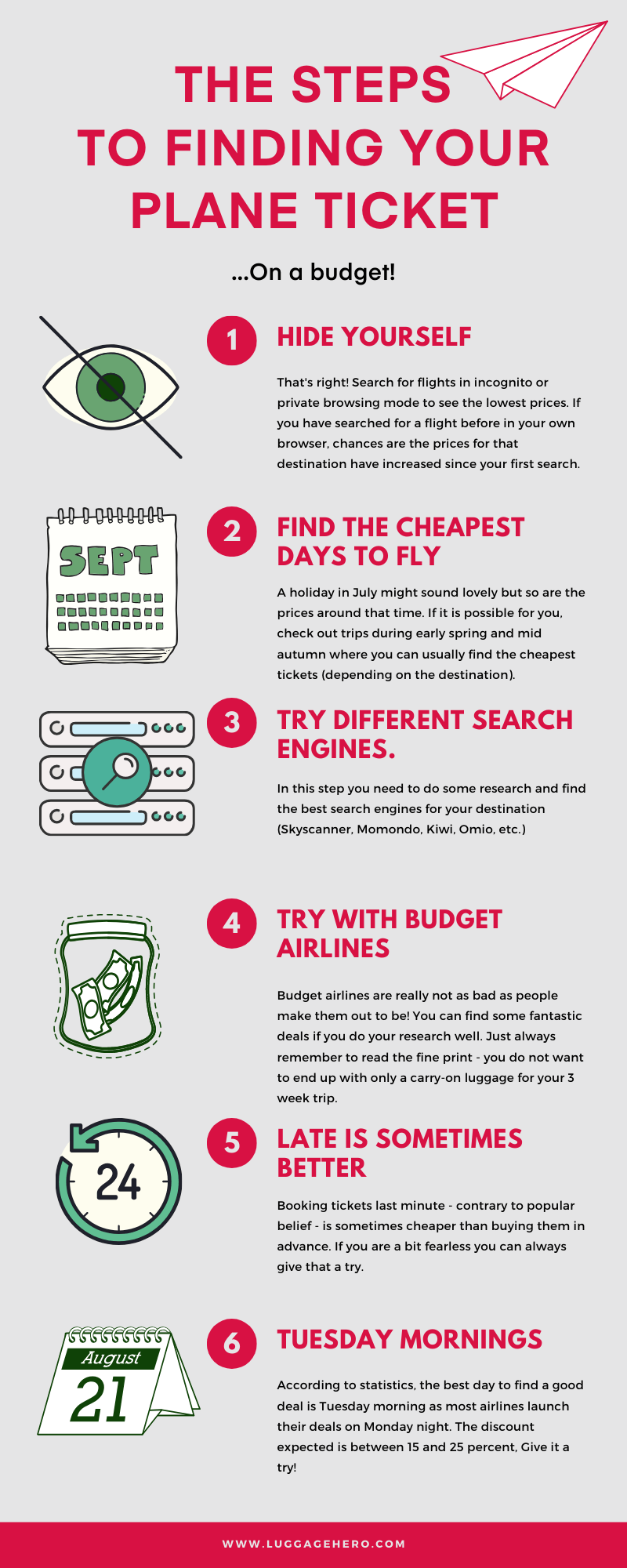
In the world of finance, timing is everything. The same principle applies to the aviation industry. Airlines use dynamic pricing models that adjust rates in real-time based on demand, supply, and consumer behavior. To get a plane ticket cheap, one must understand the underlying economic cycles of the travel market.
Understanding the 21-Day Rule and Booking Windows
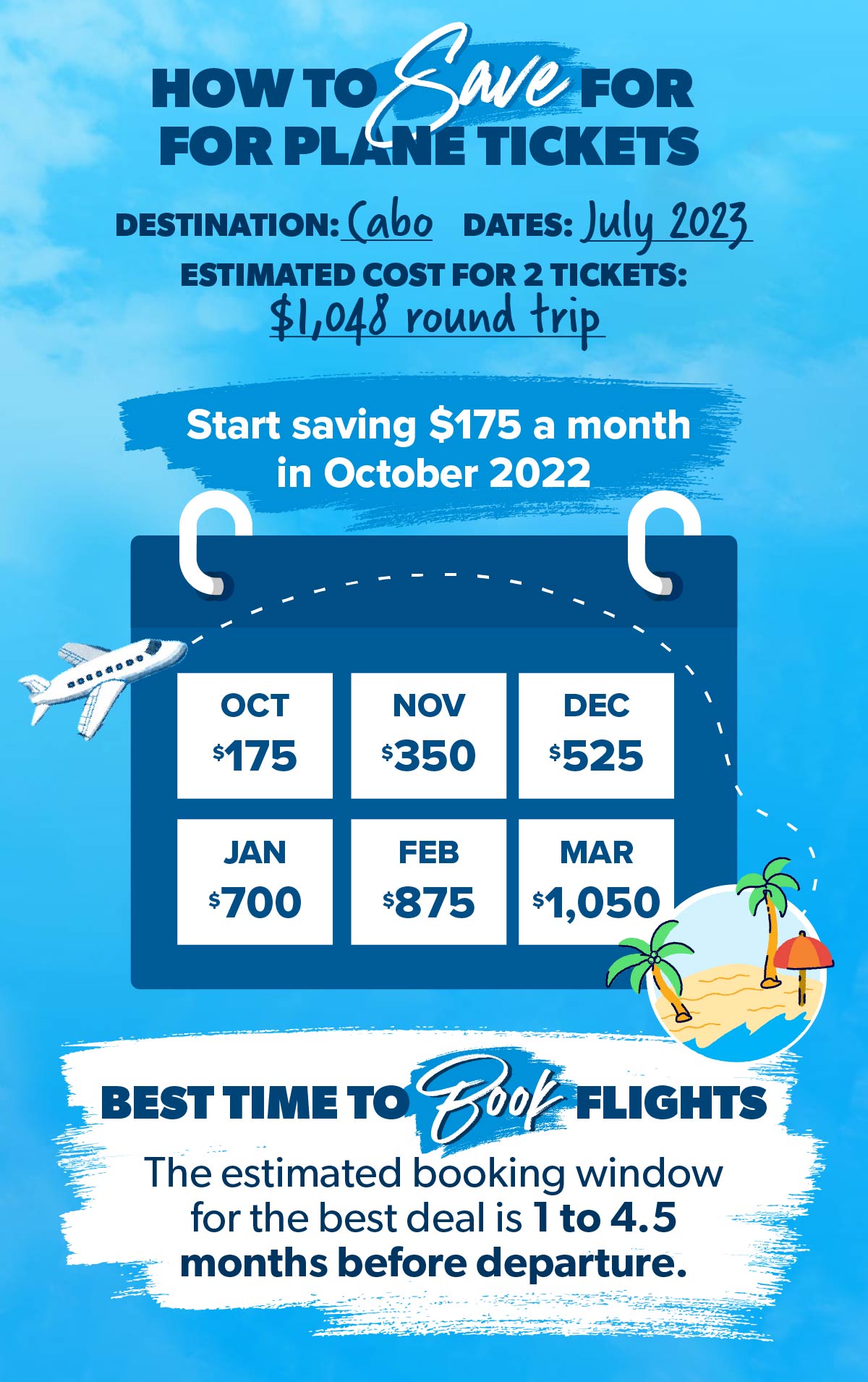
From a personal finance perspective, airfare should be viewed as a commodity. Data from various financial analysts suggest that there is a “Goldilocks window” for purchasing tickets. For domestic flights, this usually occurs between one and three months before departure. The “21-day rule” is a critical threshold; airlines know that business travelers, who are less price-sensitive and backed by corporate accounts, often book within three weeks of travel. Consequently, prices often spike 21, 14, and 7 days before a flight. By securing your “position” in the market early, you avoid the premium charged to last-minute, inelastic demand.
Leveraging Off-Peak Economic Cycles
Price optimization also requires an understanding of seasonal volatility. Traveling during “shoulder seasons”—the period between peak and off-peak times—can result in a 30% to 50% reduction in costs. Financially, it makes little sense to compete for resources (seats) when demand is at its highest, such as during major holidays or summer vacations. By shifting travel dates to mid-week (Tuesdays and Wednesdays) rather than weekends, you capitalize on the lower demand from both leisure and corporate travelers, effectively increasing your purchasing power.
Maximizing Travel Rewards and Credit Arbitrage
One of the most effective ways to lower the net cost of a plane ticket is through the strategic use of financial instruments, specifically travel reward credit cards. This is often referred to as “travel hacking,” but fundamentally, it is a form of credit arbitrage where you leverage your everyday spending to generate high-value travel credits.
The Power of Sign-up Bonuses and Spend Optimization
The quickest way to accumulate the capital needed for “free” or deeply discounted flights is through credit card sign-up bonuses. Many premium cards offer 60,000 to 100,000 points after a minimum spending requirement is met. For a disciplined budgeter, this spending represents money that would have been spent anyway—on groceries, utilities, and gas. By funneling these expenses through a strategic card, the consumer earns a “rebate” in the form of points that can be redeemed for airfare, often at a value of 1.5 to 2 cents per point.
Point Valuation and Transfer Partners
To truly maximize the financial return on your points, one must understand the concept of transfer partners. Rather than booking through a bank’s generic travel portal, transferring points to an airline’s frequent flyer program can often yield a much higher Return on Investment (ROI). For example, 50,000 points might buy $500 worth of travel on a standard portal, but if transferred to an international partner for a business class seat, those same points could cover a ticket valued at $3,000. This is a classic example of maximizing the utility of a digital asset.

Tools for Financial Comparison and Cost Minimization
In any financial market, information asymmetry is the enemy of the consumer. To get a cheap plane ticket, you must use tools that provide transparency and allow for real-time price discovery. Treating flight search engines as financial terminals allows you to survey the entire market before committing capital.
Utilizing Aggregators for Real-Time Price Discovery
Google Flights, Skyscanner, and Kayak function as the “Bloomberg Terminals” of airfare. These platforms aggregate data from hundreds of airlines, allowing you to see price trends across different dates and nearby airports. A savvy financier knows that a flight from a secondary airport (e.g., Newark instead of JFK) can often save hundreds of dollars. These tools allow you to perform a cost-benefit analysis of your time versus your money, identifying the most efficient route for your budget.
Setting Automated Price Alerts and Volatility Tracking
Market monitoring is exhausting if done manually. Just as an investor might set a “limit order” for a stock, travelers should set price alerts for their desired routes. These automated systems notify the user when the price drops below a certain threshold. This allows the buyer to remain passive until the market moves in their favor, ensuring that they never overpay due to a lack of awareness of a sudden price dip.
Alternative Cost-Saving Tactics for the Modern Budgeter
Beyond standard booking practices, there are several advanced financial maneuvers that can further drive down the cost of airfare. These require a deeper understanding of airline pricing structures and currency markets.
Hidden City Ticketing and Strategic Risk Management
“Hidden city” ticketing is a controversial but effective tactic where a traveler books a flight with a layover in their actual destination because the multi-city route is cheaper than a direct flight to that destination. For example, a flight from New York to Los Angeles with a layover in Denver might be cheaper than a direct flight from New York to Denver. While this carries certain risks—such as the inability to check luggage and potential friction with airline terms of service—it represents a significant “hack” of the airline’s hub-and-spoke pricing model. From a financial perspective, it is a way to exploit inefficiencies in how airlines price geography.
Geographic Arbitrage and Local Currency Transactions
Airlines often price their tickets differently based on the “point of sale” or the currency used for the transaction. By using a VPN or visiting the local version of an airline’s website (e.g., the .co.uk version vs. the .com version), you can sometimes find lower prices. Furthermore, if the local currency of the airline’s home country is weak against your home currency, paying in that local currency can result in a lower total cost after the conversion. It is essential, however, to use a credit card with no foreign transaction fees to ensure these gains aren’t eaten up by bank charges.
The Long-Term Wealth Impact of Budget Travel
While saving $200 on a flight may seem small in isolation, the cumulative effect of these savings over a lifetime of travel is substantial. If a traveler saves $1,000 a year on flights and invests that money into a low-cost index fund with an average 7% annual return, that “travel savings” could grow to over $100,000 over thirty years.
Securing a cheap plane ticket is not just about the vacation itself; it is about capital efficiency. By applying the principles of personal finance—timing, asset maximization, tool utilization, and market arbitrage—to the airline industry, you transform a standard expense into a manageable variable. In the modern economy, the most successful travelers are those who treat their boarding pass as a financial asset to be acquired at the lowest possible cost, ensuring that their wealth continues to grow even as they explore the world.
aViewFromTheCave is a participant in the Amazon Services LLC Associates Program, an affiliate advertising program designed to provide a means for sites to earn advertising fees by advertising and linking to Amazon.com. Amazon, the Amazon logo, AmazonSupply, and the AmazonSupply logo are trademarks of Amazon.com, Inc. or its affiliates. As an Amazon Associate we earn affiliate commissions from qualifying purchases.