
In today’s interconnected world, managing money often extends beyond traditional banks and physical wallets. The rise of digital payment platforms has revolutionized how we conduct transactions, send money, and manage our finances online. Among these, PayPal stands as a veritable titan, a globally recognized and widely adopted service that has become synonymous with secure and convenient online financial interactions. For anyone looking to participate fully in the digital economy – whether for online shopping, receiving payments for freelance work, or simply sending money to friends and family – understanding how to get a PayPal account is the foundational first step.
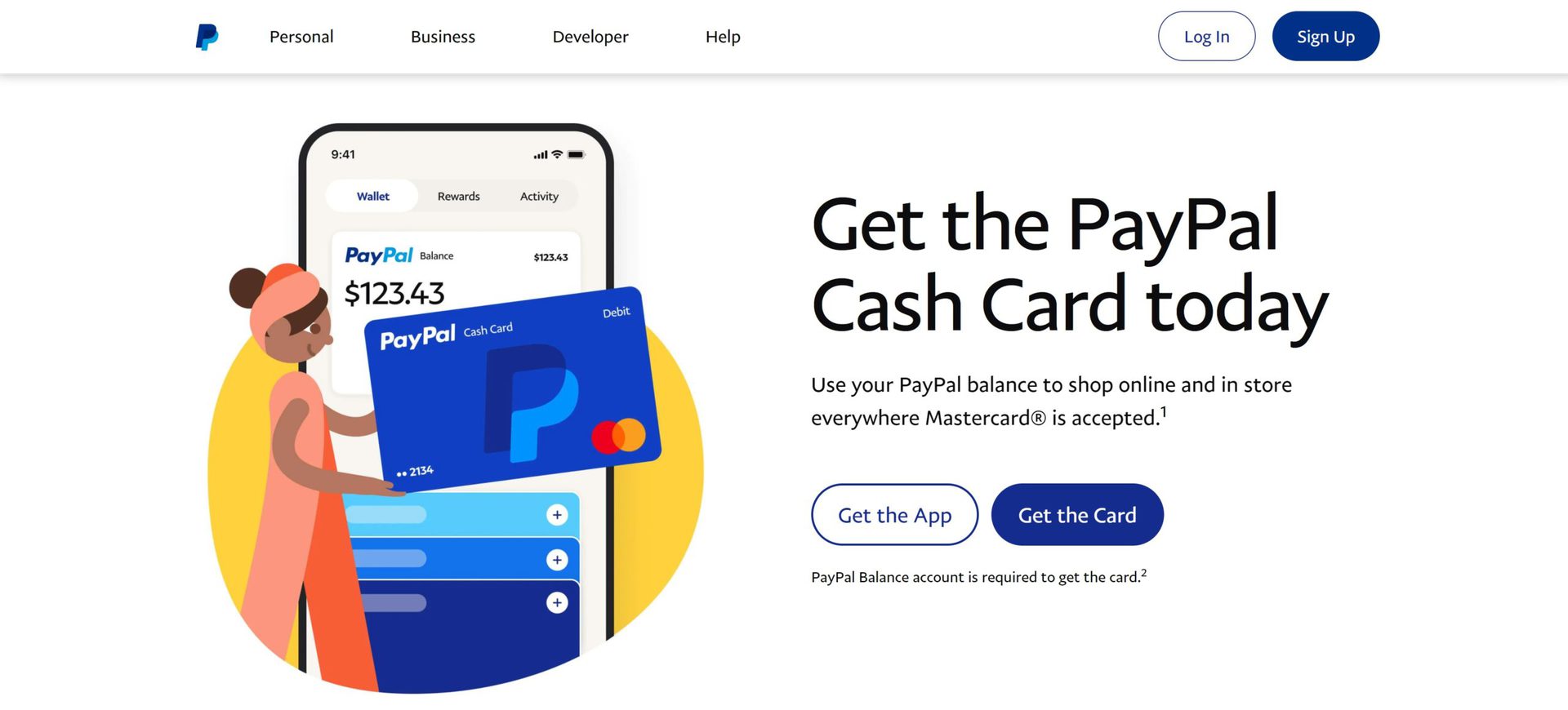
This guide delves into the process of establishing your PayPal presence, exploring not just the mechanics of account creation but also the profound financial advantages it unlocks, its crucial role in personal and business finance, and the essential security measures every user should embrace. By the end, you’ll have a clear roadmap to leveraging PayPal as a powerful tool in your financial arsenal.
Understanding PayPal’s Core Value in the Digital Economy
Before diving into the “how-to,” it’s vital to appreciate why PayPal has become such an indispensable financial instrument for millions worldwide. Its appeal lies in its ability to streamline complex financial operations into simple, user-friendly processes, bridging critical gaps in both individual and commercial transactions.
Bridging the Gap in Online Transactions
At its core, PayPal was designed to facilitate secure and seamless online payments without requiring users to share sensitive financial details directly with every vendor or individual. This intermediary role is a significant advantage. Instead of entering your bank account or credit card number on multiple websites, you simply log into your PayPal account to authorize a payment. This adds a crucial layer of security, minimizing your exposure to potential fraud and data breaches.
Furthermore, PayPal transcends geographical boundaries, enabling cross-border payments with relative ease. For individuals dealing with international remittances or businesses operating in a global marketplace, PayPal simplifies currency conversions and international transfers, making global financial interactions more accessible and less daunting. Its ubiquitous acceptance across countless e-commerce platforms, marketplaces, and online services further cements its position as a universal currency for the internet age.
Empowering Personal and Business Finance
PayPal isn’t merely a payment processor; it’s a comprehensive financial tool that empowers users across various facets of their financial lives. For personal finance, it offers a convenient way to split bills with friends, pay for online subscriptions, or manage funds for personal projects. It eliminates the need for physical cash or checks in many scenarios, promoting efficiency and digital record-keeping.
From a business perspective, PayPal offers an accessible entry point into online commerce, particularly for small businesses, freelancers, and sole proprietors. It enables them to accept payments from customers worldwide without the overhead and complexity often associated with traditional merchant accounts. Features like invoicing, recurring payments, and detailed transaction histories provide essential tools for managing cash flow, tracking revenue, and simplifying financial reconciliation. In essence, PayPal democratizes digital finance, putting powerful financial management capabilities within reach of virtually anyone with an internet connection.
Step-by-Step Guide to Opening Your PayPal Account
The process of getting a PayPal account is straightforward, designed to be intuitive for users of all technical proficiencies. However, a clear understanding of each step ensures a smooth setup and full activation of your account’s capabilities.
Choosing the Right Account Type: Personal vs. Business
The first decision you’ll make is selecting the appropriate account type: Personal or Business. This choice is fundamental, as it dictates the features and functionalities available to you.
- Personal Account: Ideal for individuals who primarily intend to use PayPal for online shopping, sending money to friends and family, and receiving occasional payments. It’s perfect for everyday financial tasks, managing personal budgets, and engaging with e-commerce platforms as a consumer.
- Business Account: Geared towards merchants, freelancers, and companies of all sizes. It unlocks advanced features necessary for commercial operations, such as accepting payments from customers using various methods (credit cards, debit cards, PayPal balance), sending invoices, managing multiple users, and accessing business-specific reporting tools. While a business account offers more features, it may also require more detailed verification and compliance information. If you anticipate selling goods or services, even on a small scale, a Business account is the recommended choice. You can always upgrade a Personal account to a Business account later if your needs change.
The Registration Process: From Sign-Up to Verification
Once you’ve chosen your account type, the registration process is initiated via the PayPal website or mobile app.
- Visit the PayPal Website/App: Navigate to www.paypal.com and click on the “Sign Up” button, or download the PayPal app from your device’s app store and tap “Sign Up.”
- Select Account Type: Confirm whether you want a Personal or Business account.
- Provide Basic Information: You’ll be prompted to enter essential details, starting with your phone number. For a Personal account, this will typically include your full name, email address, and a strong password. For a Business account, you’ll need to provide business name, contact information, and details about your business type.
- Agree to Terms and Conditions: Read and accept PayPal’s User Agreement and Privacy Policy. It’s crucial to understand these terms as they govern your use of the service.
- Email Verification: PayPal will send a verification link to the email address you provided. Click this link to confirm your email, which is a critical step for account security and activation.
- Identity Verification (Optional but Recommended): To remove sending/receiving limits and fully unlock all features, PayPal will require you to link and confirm a bank account or credit/debit card. In some regions, or for certain transaction volumes, you may also need to provide additional identity documents (e.g., government-issued ID, proof of address) to comply with financial regulations. This KYC (Know Your Customer) process is standard for financial institutions and is designed to prevent fraud and money laundering.
Linking Financial Instruments: Bank Accounts and Cards
To make your PayPal account truly functional for both sending and receiving money, you’ll need to link it to your existing financial instruments.
- Linking a Bank Account: This is often the most cost-effective way to fund your PayPal account and withdraw funds. PayPal will usually make two small deposits (a few cents) into your bank account, which you then verify on the PayPal website. This confirms that you are the legitimate owner of the bank account.
- Linking a Credit or Debit Card: Cards provide an alternative funding source for payments and can serve as a backup if your bank account has insufficient funds. Linking a card usually involves entering the card details and confirming a small, temporary charge that appears on your card statement.
Linking these financial instruments ensures that you can seamlessly move money into and out of your PayPal balance, facilitating purchases, payments, and withdrawals, thus integrating PayPal deeply into your overall financial ecosystem.
Maximizing Your PayPal Account for Financial Advantage
Once your PayPal account is set up and verified, a world of financial opportunities opens up. Understanding how to leverage its various features can significantly enhance your personal and business financial management.
Secure Online Shopping and Payments
PayPal’s most widely recognized use is for secure online shopping. When you pay with PayPal, your financial information (bank account numbers or credit card details) is never shared with the merchant. This reduces the risk of data breaches and identity theft, providing peace of mind. Moreover, PayPal’s Buyer Protection program offers a safety net, potentially refunding your purchase if an item doesn’t arrive or is significantly not as described, adding a layer of consumer confidence to your online spending. For businesses, offering PayPal as a payment option can increase conversion rates, as many customers prefer its convenience and security.
Receiving Funds and Managing Online Income
For freelancers, online sellers, and anyone receiving income through digital channels, PayPal is an invaluable tool. It allows you to:
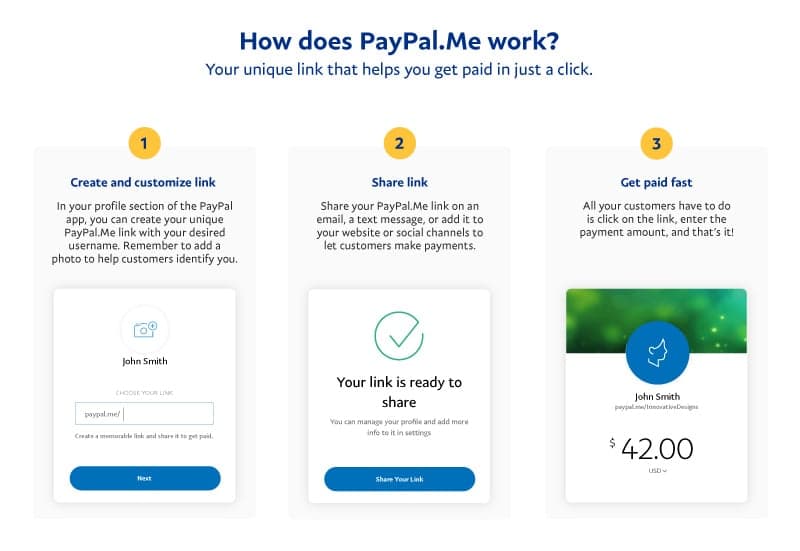
- Receive payments: Clients can send money directly to your PayPal email address.
- Generate invoices: Business accounts can create and send professional invoices, tracking payment statuses.
- Manage subscriptions: Set up recurring payments for services you offer.
- Consolidate online earnings: Many platforms (e.g., Etsy, eBay, Upwork) integrate with PayPal for payouts, making it a central hub for your online income. Efficiently managing these funds through PayPal’s transaction history helps in tracking income for tax purposes and overall financial planning.
International Transfers and Currency Exchange
PayPal simplifies international money transfers, making it easier to send and receive funds across borders. This is particularly beneficial for individuals supporting family abroad, or businesses dealing with international clients and suppliers. While currency conversion fees apply, PayPal offers a convenient way to manage different currencies within your account, allowing you to hold balances in various denominations. This can be advantageous for those who frequently transact in foreign currencies, offering a degree of control over exchange rates.
Essential Security Practices for Your PayPal Account
Given that PayPal is a hub for your financial activity, maintaining its security is paramount. Proactive measures can safeguard your funds and personal information against potential threats.
Protecting Your Credentials: Passwords and 2FA
Your login credentials are the first line of defense. Always use a strong, unique password that combines letters, numbers, and symbols, and avoid reusing passwords from other online services. Crucially, enable Two-Factor Authentication (2FA), also known as two-step verification. This adds an extra layer of security by requiring a second form of verification (e.g., a code sent to your phone) in addition to your password when logging in, significantly reducing the risk of unauthorized access even if your password is compromised.
Recognizing and Avoiding Scams
Unfortunately, the popularity of PayPal makes it a target for scammers. Be vigilant against phishing attempts, which are fraudulent emails or messages designed to trick you into revealing your login details. Always check the sender’s email address, look for grammatical errors, and never click on suspicious links. If you receive an email regarding an issue with your PayPal account, always log directly into your account through the official website or app to verify the information, rather than clicking links in the email. Be wary of requests for money from unknown sources or “too good to be true” offers.
Understanding PayPal’s Buyer and Seller Protection
PayPal offers robust Buyer and Seller Protection programs, but it’s important to understand their scope and limitations.
- Buyer Protection: If an eligible item doesn’t arrive or is significantly not as described, PayPal’s Buyer Protection can help you get a refund. However, this typically applies to tangible goods and services, and there are specific conditions and timelines for filing a dispute.
- Seller Protection: For eligible transactions, Seller Protection safeguards merchants against claims of unauthorized payments and items not received. This provides a crucial layer of security for businesses accepting payments via PayPal. Both programs require adherence to specific guidelines, such as shipping to the confirmed address, providing tracking information, and responding promptly to disputes. Familiarizing yourself with these policies ensures you can leverage them effectively when needed.
Beyond Basic Transactions: Advanced PayPal Features
While the core functionality of sending and receiving money is powerful, PayPal offers a suite of advanced features that can further streamline financial operations for both individuals and businesses.
Invoicing and Payment Requests for Businesses
For freelancers, consultants, and small businesses, PayPal’s invoicing tools are a game-changer. You can create professional, customizable invoices directly from your PayPal account, send them to clients, and track their payment status. This significantly simplifies billing and ensures timely payments. Similarly, the ability to send payment requests allows you to easily prompt individuals or clients for funds, specifying the amount and purpose. This reduces the friction associated with collecting money owed, improving cash flow management.
PayPal Credit and Other Financial Services
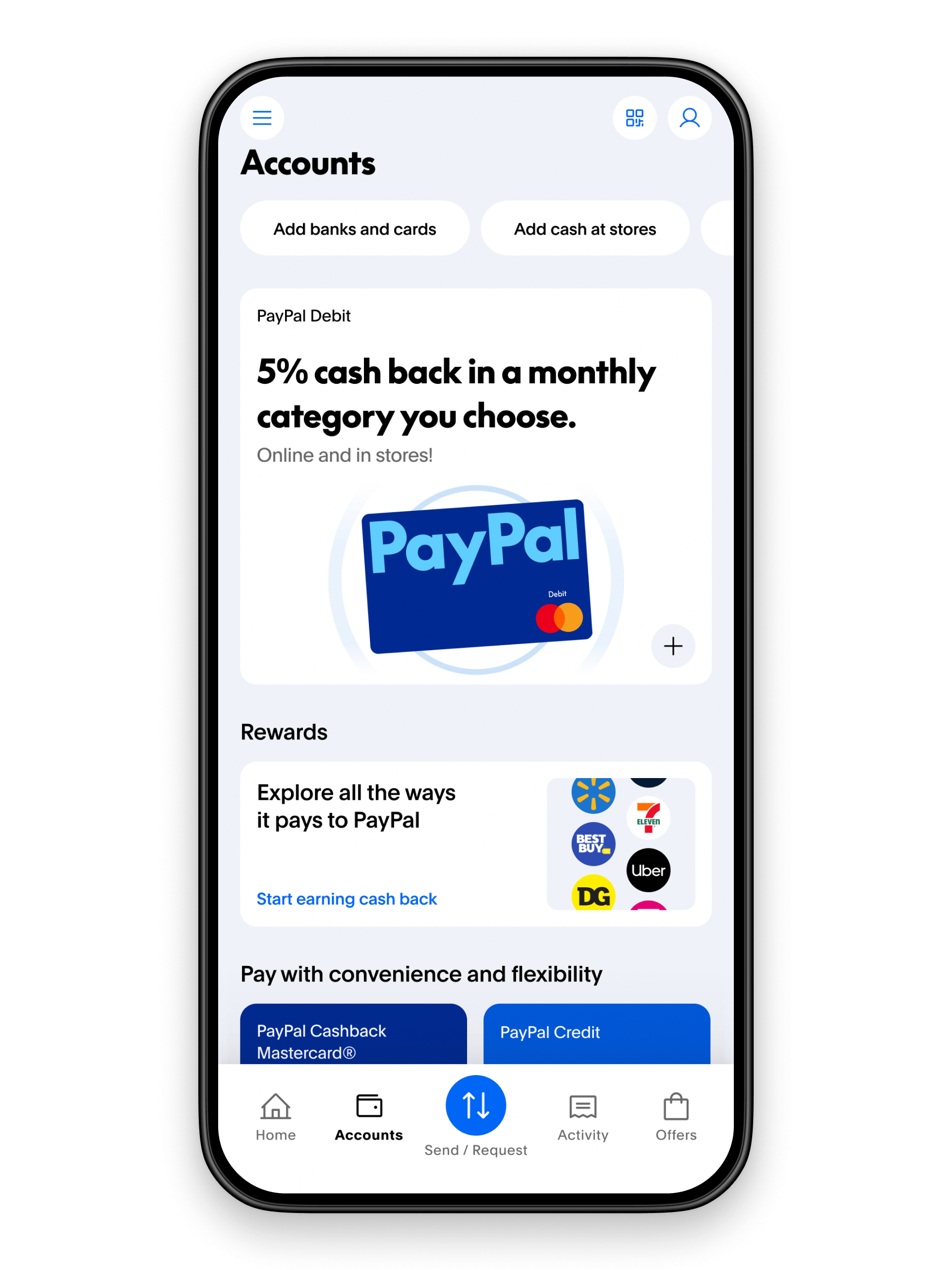
Depending on your region and eligibility, PayPal may offer additional financial services, such as PayPal Credit. This is a revolving line of credit that can be used for online purchases, often with promotional financing options like interest-free periods on qualifying purchases. While it can be a convenient financing tool, like any credit product, it requires responsible management to avoid accumulating debt. PayPal has also expanded into other financial offerings in various markets, including debit cards linked to your PayPal balance, and even investment options, continually evolving its role as a holistic financial platform.
Integrating PayPal with E-commerce Platforms
For businesses running online stores, PayPal’s robust integration capabilities are invaluable. It can be easily added as a payment gateway to popular e-commerce platforms like Shopify, WooCommerce, and Magento. This allows customers to pay directly via PayPal during checkout, offering a trusted and familiar payment option that can boost conversion rates. Integrating PayPal also often comes with features like expedited checkout, subscription management, and robust reporting, all designed to make online selling more efficient and profitable.
Conclusion
Getting a PayPal account is more than just signing up for another online service; it’s stepping into a comprehensive digital financial ecosystem. From the simplicity of secure online shopping and effortless money transfers to the sophisticated tools for managing online income and business finances, PayPal offers an unparalleled array of features that cater to the modern individual and entrepreneur.
By carefully selecting the right account type, diligently completing the registration and verification steps, and then embracing the platform’s full capabilities while adhering to essential security practices, you unlock a powerful gateway to digital finance. PayPal empowers you to transact with confidence, manage your money with greater efficiency, and participate fully in the ever-expanding global digital economy. As you navigate your financial journey in the digital age, a well-managed PayPal account stands as an indispensable asset, simplifying transactions and opening doors to new financial possibilities.
aViewFromTheCave is a participant in the Amazon Services LLC Associates Program, an affiliate advertising program designed to provide a means for sites to earn advertising fees by advertising and linking to Amazon.com. Amazon, the Amazon logo, AmazonSupply, and the AmazonSupply logo are trademarks of Amazon.com, Inc. or its affiliates. As an Amazon Associate we earn affiliate commissions from qualifying purchases.