
In the modern financial landscape, your debit card is more than just a piece of plastic; it is the primary gateway to your liquid assets and the central tool for managing your daily cash flow. Whether you are dealing with a misplaced wallet, a compromised account, or simply a card that has seen better days, knowing how to efficiently navigate the replacement process is a fundamental skill in personal finance management. Chase, as one of the largest financial institutions in the United States, provides several streamlined pathways for card replacement designed to minimize disruption to your financial life.
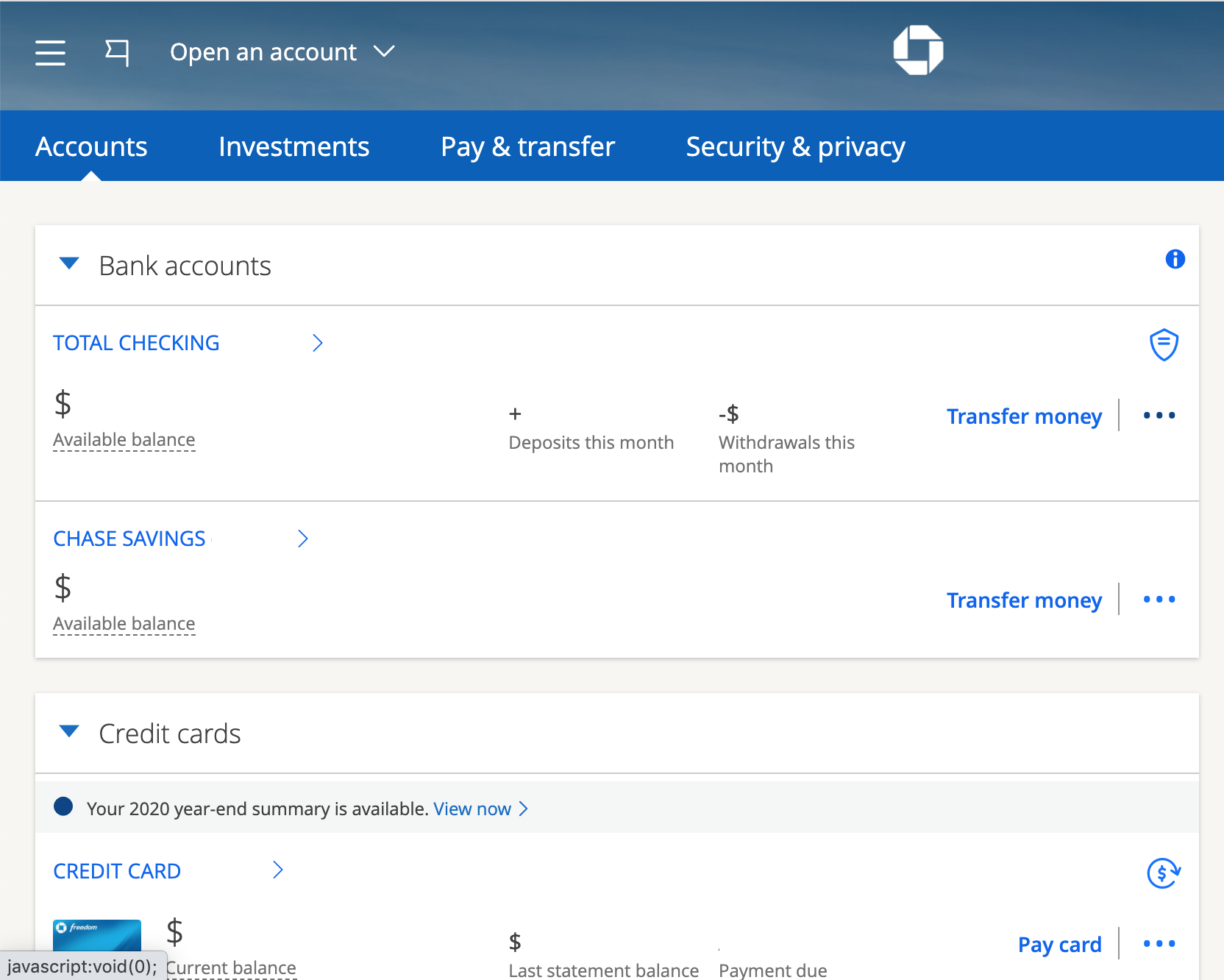
Understanding the nuances of these processes—from expedited shipping options to digital wallet integration—allows you to maintain control over your spending and security. This guide explores the various methods available to secure a new Chase debit card, the security protocols you should follow, and how to optimize your card usage for better financial health.
Understanding the Need for a New Debit Card
Before initiating a request, it is important to identify why you need a new card, as the reason dictates the specific procedure and the security implications for your account.
Lost or Stolen Cards
If your card is missing, the priority shifts from convenience to security. In this scenario, you are not merely replacing a tool; you are closing a potential vulnerability. When a card is reported lost or stolen, Chase will deactivate the old card number entirely and issue a new one with a different 16-digit sequence, expiration date, and CVV code. This ensures that any unauthorized person who finds the old card cannot access your funds.
Damaged or Worn Plastic
Over time, the magnetic stripe may demagnetize, or the EMV chip may become unresponsive due to physical wear. In these instances, you can request a “replacement” rather than a “report lost/stolen.” Often, Chase can issue a new card with the same number, which is particularly helpful if you have several recurring subscriptions tied to that specific card.
Expiration and Upgrades
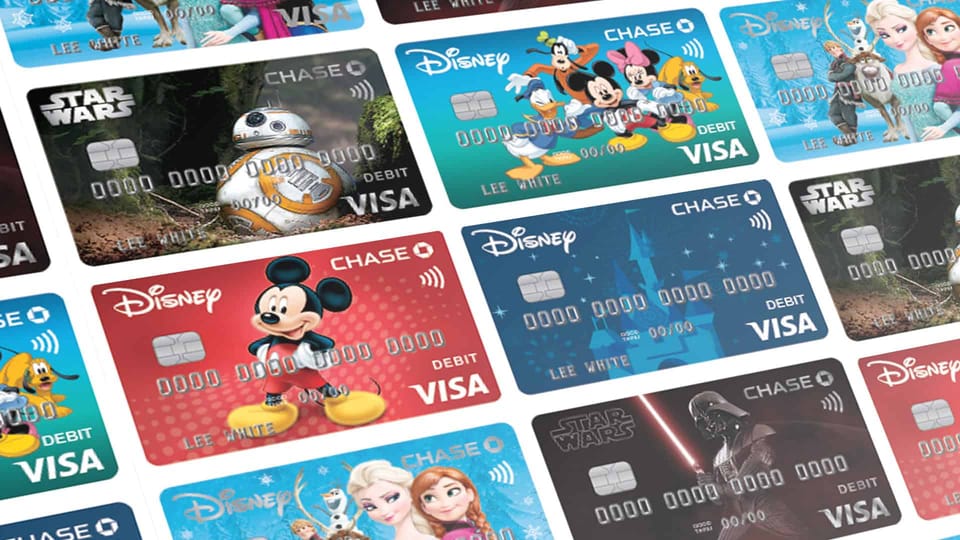
Chase typically sends out a new debit card automatically 30 to 60 days before your current card expires. However, if you haven’t received yours or if you wish to upgrade to a different card design (such as moving from a standard debit card to a Disney-themed card or a premium Chase Sapphire checking card), you may need to initiate the request manually.
Proven Methods to Request Your Chase Debit Card
Chase offers a multichannel approach to banking, allowing customers to request a new card through digital platforms, over the phone, or in person. Each method has its own set of advantages depending on your level of urgency.
Requesting via the Chase Mobile App
The mobile app is arguably the most efficient way to manage your card. To request a replacement:
-
Log in to the Chase Mobile app.
-
Select the checking account associated with the card you need to replace.
-
Scroll down to the “Account services” section and tap on “Replace a card.”
-
Choose the reason for the replacement (Damaged, Lost, or Stolen).
-
Review your shipping address and confirm the request.
The app is particularly useful because it provides immediate feedback and, in many cases, allows you to add your “new” card to your digital wallet (Apple Pay or Google Pay) before the physical card even arrives in the mail.
Utilizing Chase Online Banking
If you prefer a desktop interface, the process is equally straightforward:
-
Sign in to your account at Chase.com.
-
Navigate to the “Things you can do” menu or the “Account Services” tab.
-
Select “Replace a card.”
-
Follow the prompts to select the specific card and the reason for the request.
-
Confirm your details and submit.
Calling Customer Service
For those who prefer human interaction or have complex questions regarding their account security, calling Chase customer service is a reliable option. By calling the number on the back of your old card (if available) or the general Chase customer service line, you can speak with a representative who can verify your identity and expedite the shipping of a new card. This is often the best route if you are traveling internationally and need a card sent to an overseas address.
Visiting a Local Branch
While digital methods are faster to initiate, visiting a branch offers a unique advantage: some Chase locations have the capability to print “instant issue” debit cards. If you are in an emergency and cannot wait the standard 3-5 business days for mail delivery, a branch representative can verify your ID and hand you a functional, temporary, or permanent debit card on the spot.

Navigating the Activation Process and Digital Integration
Receiving your new card in the mail is only the first step. To ensure a seamless transition and maintain your financial momentum, you must properly activate the card and integrate it into your digital ecosystem.
Activation Steps
Upon receiving the card, you can activate it through the Chase app, online, or by calling the activation number printed on the sticker affixed to the card. Alternatively, making a transaction at a Chase ATM using your existing PIN will also activate the card. It is a best practice to destroy your old card immediately after the new one is functional to prevent any confusion or accidental use of an inactive card.
Setting and Managing Your PIN
Your Personal Identification Number (PIN) is the primary defense for point-of-sale transactions and ATM withdrawals. When you get a new card due to damage, your old PIN usually carries over. However, if the card was lost or stolen, you may be prompted to set a new PIN. Choose a number that is not easily guessable (avoid birthdays or simple sequences) to enhance your personal financial security.
Leveraging Digital Wallets
One of the most significant advancements in modern banking is the ability to use your card before the physical version arrives. Once you request a new card via the Chase app, you can often “Add to Digital Wallet” immediately. This allows you to make contactless payments at retailers and even withdraw cash from cardless Chase ATMs using your smartphone. This bridge between requesting and receiving a card ensures that your ability to conduct business is never truly interrupted.
Security Protocols and Fraud Prevention Strategies
Managing a debit card requires a proactive approach to security. Unlike credit cards, which use the bank’s money, a debit card is a direct link to your hard-earned cash.
Utilizing the “Lock” Feature
If you have misplaced your card but aren’t sure if it’s gone for good, Chase offers a “Lock/Unlock” feature within the mobile app. Locking the card prevents new purchases, ATM withdrawals, and transfers from being made. If you find the card under your car seat an hour later, you can simply unlock it. If you don’t find it, you can then proceed to request a permanent replacement.
Zero Liability Protection
Chase provides “Zero Liability Protection,” which means you won’t be held responsible for unauthorized transactions made with your card or account information, provided you report them promptly. This highlights the importance of regularly monitoring your transaction history. Setting up “Real-time Alerts” for every transaction over a certain dollar amount is an excellent way to catch fraudulent activity the moment it happens.
Travel Notifications
In the past, banks required travel notices to prevent cards from being declined while you were abroad. While Chase’s fraud detection systems have become sophisticated enough that travel notices are often unnecessary, it is still wise to ensure your contact information is up to date. If the bank sees a charge in London while your billing address is in Chicago, they may send a text verification to confirm it is you.
Maximizing the Value of Your Chase Banking Relationship
A debit card is more than a tool for spending; it is a tool for financial organization. By integrating your card usage with Chase’s broader suite of financial tools, you can gain better insight into your spending habits.
Budgeting and Spending Overviews
Within the Chase mobile app and online portal, the “Spending & Budgeting” tool automatically categorizes your debit card transactions. This provides a monthly visual breakdown of where your money goes—whether it’s groceries, entertainment, or utilities. Reviewing this data monthly is a cornerstone of a healthy personal finance strategy, allowing you to identify areas where you can cut back and increase your savings rate.
Chase Overdraft Assist
When using your debit card, it is vital to stay within your balance to avoid fees. Chase offers “Overdraft Assist,” which helps customers avoid overdraft fees if they overdraw their account by $50 or less at the end of the business day. Understanding these buffers can help you manage your cash flow more effectively during tight months.
ATM Network Benefits
Your Chase debit card grants you access to one of the largest ATM networks in the country. To optimize your finances, always aim to use Chase-branded ATMs to avoid out-of-network fees. Furthermore, many Chase ATMs now offer denominations beyond the standard $20 bill, allowing for more precise cash management when you need specific amounts for side hustles or small-scale business transactions.
In conclusion, getting a new debit card from Chase is a straightforward process, but it serves as an important reminder to audit your financial habits. By choosing the right replacement method, securing your account with modern digital tools, and utilizing Chase’s analytical features, you transform a simple banking task into an opportunity for improved financial management. Whether through the app or in a branch, maintaining an active and secure debit card is essential for navigating today’s economy with confidence.
aViewFromTheCave is a participant in the Amazon Services LLC Associates Program, an affiliate advertising program designed to provide a means for sites to earn advertising fees by advertising and linking to Amazon.com. Amazon, the Amazon logo, AmazonSupply, and the AmazonSupply logo are trademarks of Amazon.com, Inc. or its affiliates. As an Amazon Associate we earn affiliate commissions from qualifying purchases.