
Securing a mortgage is often the most significant financial transaction an individual will undertake in their lifetime. While the prospect of homeownership is an exciting milestone, the path to obtaining a loan can be complex, involving intricate financial assessments, regulatory requirements, and a deep dive into personal fiscal health. Understanding how to navigate this landscape is not just about finding a place to live; it is about making a strategic financial decision that will impact your net worth and cash flow for decades.
Preparing Your Financial Foundation
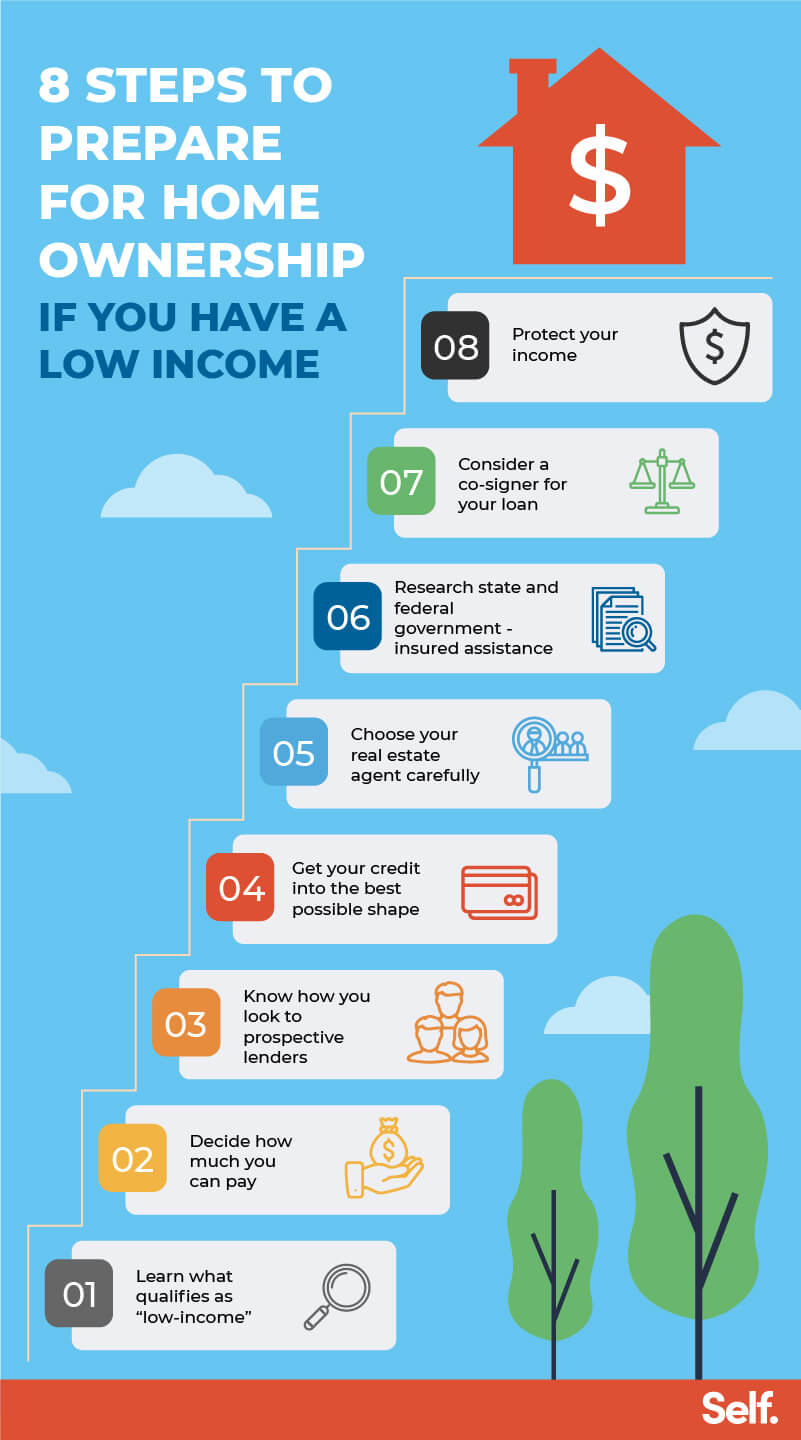
Before you even begin browsing real estate listings, you must ensure your financial house is in order. Lenders look for stability, reliability, and the ability to manage debt over the long term. This preparation phase is the most critical step in the home-buying journey, as it determines not only if you will be approved but also the interest rate you will pay.
Understanding and Improving Your Credit Score
Your credit score is the primary metric lenders use to gauge risk. Most conventional loans require a minimum FICO score of 620, but the best interest rates are typically reserved for those with scores of 740 or higher. A lower score translates to a higher interest rate, which can add tens of thousands of dollars to the total cost of the loan over 30 years.
To optimize your score, start by obtaining your credit reports from the major bureaus. Look for inaccuracies or outdated information that could be dragging your score down. Additionally, focus on your credit utilization ratio—the amount of credit you are using compared to your total limits. Aiming to keep this ratio below 30% can provide a significant boost to your score in a relatively short period.
Managing Your Debt-to-Income (DTI) Ratio
Lenders use the Debt-to-Income (DTI) ratio to measure your ability to manage monthly payments. This is calculated by dividing your total monthly debt obligations (student loans, car payments, credit cards) by your gross monthly income. Generally, lenders prefer a DTI ratio below 43%, though some programs allow for higher ratios if other financial factors are strong.
If your DTI is high, consider paying down high-interest consumer debt before applying for a mortgage. This not only improves your chances of approval but also increases the maximum loan amount for which you qualify, giving you more flexibility in the housing market.
Accumulating a Down Payment and Closing Costs
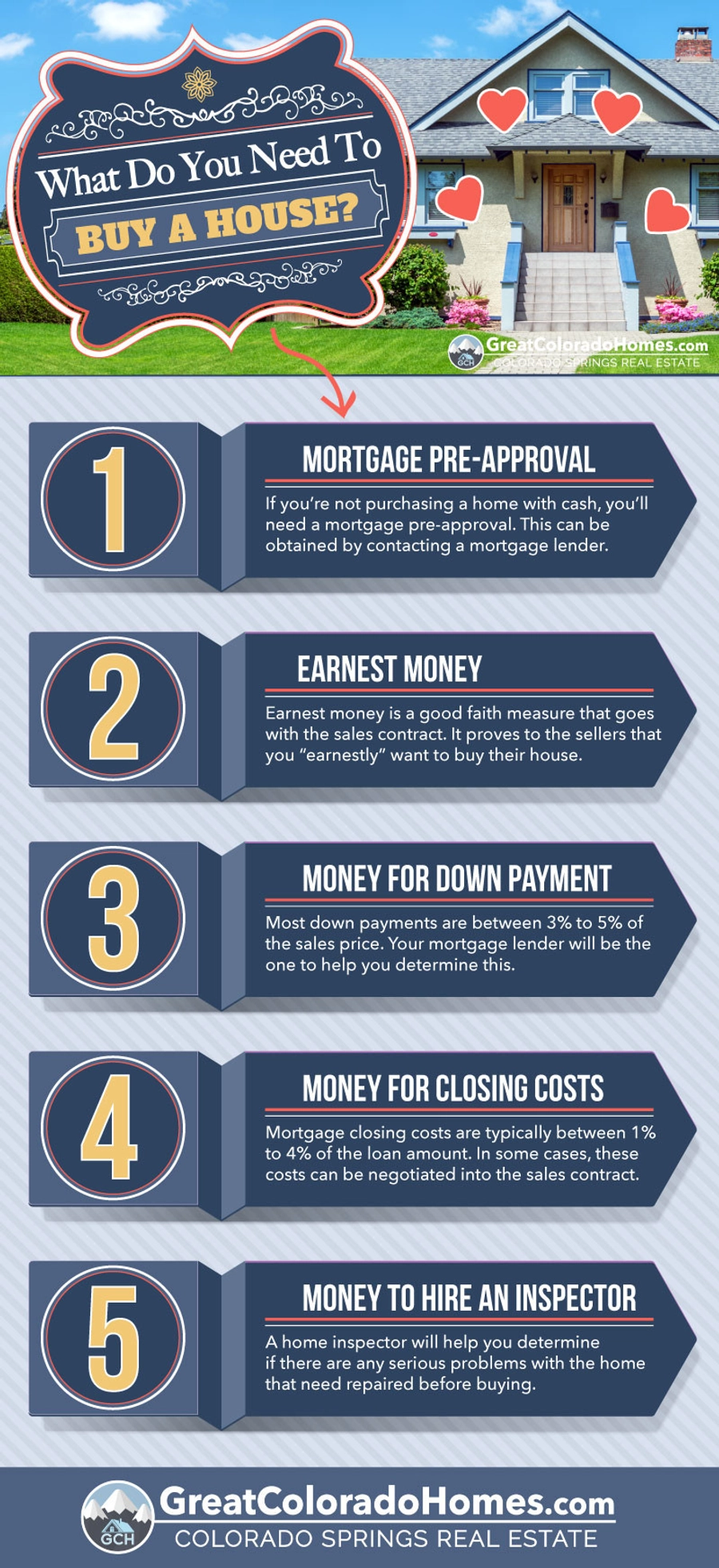
The “20% down payment” is a common benchmark, but it is not a strict requirement for many buyers. However, the size of your down payment directly influences your monthly mortgage payment and your need for Private Mortgage Insurance (PMI).
Beyond the down payment, you must also budget for closing costs, which typically range from 2% to 5% of the purchase price. These costs cover loan origination fees, appraisals, title insurance, and government recording fees. Having a dedicated “house fund” that accounts for both the down payment and these administrative costs is essential to avoid last-minute financial strain.
Exploring Mortgage Types and Loan Programs
The financial market offers a variety of loan products designed to meet different buyer needs. Choosing the right one depends on your financial profile, how long you plan to stay in the home, and your eligibility for government-sponsored programs.
Conventional Loans
Conventional loans are not insured or guaranteed by the federal government. They are typically categorized as “conforming” because they adhere to the funding criteria set by Fannie Mae and Freddie Mac. These loans are ideal for borrowers with strong credit scores and stable incomes. While they can require down payments as low as 3%, those who put down less than 20% will generally be required to pay PMI until they reach 20% equity in the home.
FHA Loans: Accessible Entry Points
Insured by the Federal Housing Administration, FHA loans are designed for low-to-moderate-income borrowers. They allow for down payments as low as 3.5% and have more lenient credit score requirements, often accepting scores in the 500s. The trade-off is that FHA loans require an Upfront Mortgage Insurance Premium (UFMIP) and annual mortgage insurance premiums that often last for the life of the loan, regardless of equity.
Specialized Government-Backed Loans: VA and USDA
For those who qualify, specialized government loans offer some of the most favorable terms in the market.
- VA Loans: Available to veterans, active-duty service members, and eligible surviving spouses, VA loans often require no down payment and no private mortgage insurance. They are backed by the Department of Veterans Affairs and offer highly competitive interest rates.
- USDA Loans: Backed by the U.S. Department of Agriculture, these loans are designed for low-to-moderate-income buyers in eligible rural and suburban areas. Like VA loans, they often offer 100% financing (zero down payment), provided the property meets specific geographic criteria.
Fixed-Rate vs. Adjustable-Rate Mortgages (ARMs)
A fixed-rate mortgage maintains the same interest rate for the entire life of the loan, providing predictability in monthly budgeting. These are standard for 15-year or 30-year terms. An Adjustable-Rate Mortgage (ARM), conversely, usually offers a lower “teaser” rate for an initial period (e.g., 5, 7, or 10 years), after which the rate adjusts based on market indices. ARMs can be beneficial for those who plan to sell or refinance before the initial rate period expires, but they carry the risk of significantly higher payments in the future.
The Step-by-Step Application and Approval Process
Once your finances are prepared and you have identified the type of loan you need, the formal application process begins. This stage involves rigorous documentation and a multi-step verification process by the lender.
Getting Pre-Approved vs. Pre-Qualified
Pre-qualification is a preliminary estimate based on self-reported data. Pre-approval, however, is much more robust. During pre-approval, a lender verifies your income, assets, and credit history. In a competitive real estate market, a pre-approval letter is essential; it signals to sellers that you are a serious buyer who has already cleared the initial hurdles of financing.
Selecting the Right Lender
Not all lenders are created equal. It is wise to shop around and compare Loan Estimates from at least three different sources, such as national banks, local credit unions, and online mortgage brokers. Look beyond the interest rate; compare the “Annual Percentage Rate” (APR), which includes fees and other costs, to get a true sense of the loan’s expense. Mortgage brokers can be particularly helpful as they have access to a wide network of lenders and can find niche products that fit unique financial situations.
The Mortgage Underwriting Stage
Once you have an accepted offer on a house, your file moves to underwriting. This is the stage where a professional underwriter scrutinizes every detail of your financial life to ensure the loan meets all guidelines. They will verify your employment, check your bank statements for large or unexplained deposits, and review the property’s appraisal. During this time, it is vital to avoid any major financial changes—do not change jobs, take out new credit lines, or make large purchases like a new car, as these can derail your final approval.
Navigating Interest Rates and Market Trends
Interest rates are the “price” of borrowing money, and they are influenced by a complex mix of global economics, inflation, and Federal Reserve policy. Understanding these trends can help you time your application or decide when to lock in a rate.
How Economic Factors Impact Your Monthly Payment
Mortgage rates generally track the yield on the 10-year Treasury note. When inflation is high, the Federal Reserve may raise interest rates to cool the economy, which usually leads to higher mortgage rates. Even a 1% difference in your interest rate can result in hundreds of dollars of difference in your monthly payment and hundreds of thousands over the life of the loan. Being aware of the “yield curve” and economic indicators like the Consumer Price Index (CPI) can provide context for why rates are moving in a particular direction.
Locking in Your Rate
Because interest rates fluctuate daily, lenders offer a “rate lock.” This guarantees your interest rate for a specific period (typically 30 to 60 days) while your loan is being processed. If rates rise during this window, you are protected. Some lenders offer a “float-down” option, which allows you to take advantage of a lower rate if market conditions improve before you close.
Finalizing the Deal: From Appraisal to Closing
The final stretch of the loan process involves ensuring the asset—the house—is worth the investment and legally transferring ownership.
The Role of the Appraisal and Inspection
A home inspection is for the buyer’s benefit, identifying potential repairs and safety issues. An appraisal, however, is required by the lender to ensure the home’s value justifies the loan amount. If the appraisal comes in lower than the purchase price, a “valuation gap” is created. In such cases, the buyer may need to cover the difference in cash, renegotiate the price with the seller, or walk away from the deal.
Signing the Final Paperwork
Three business days before your closing date, you will receive a Closing Disclosure. Compare this document carefully with your initial Loan Estimate to ensure fees haven’t changed unexpectedly. On closing day, you will sign a mountain of paperwork, including the Promissory Note (your legal promise to repay the loan) and the Deed of Trust (which gives the lender a claim to the property if you default). Once the funds are wired and the deed is recorded with the county, the process is complete, and you officially become a homeowner.
Obtaining a loan to buy a house is a marathon, not a sprint. By focusing on credit health, understanding the diverse range of loan products, and maintaining disciplined communication with your lender, you can navigate this financial milestone with confidence and security.
aViewFromTheCave is a participant in the Amazon Services LLC Associates Program, an affiliate advertising program designed to provide a means for sites to earn advertising fees by advertising and linking to Amazon.com. Amazon, the Amazon logo, AmazonSupply, and the AmazonSupply logo are trademarks of Amazon.com, Inc. or its affiliates. As an Amazon Associate we earn affiliate commissions from qualifying purchases.