
Securing financing is often the lifeblood of a small business, whether you’re just starting out, looking to expand, or simply need capital to manage daily operations. The journey to obtaining a small business loan can seem daunting, fraught with paperwork, financial jargon, and numerous options. However, with a clear understanding of the process, your financial needs, and the various lending avenues available, it becomes a navigable path towards sustainable growth. This comprehensive guide will demystify small business loans, offering a professional, insightful, and engaging roadmap to help you secure the funding your venture needs to thrive.
Understanding Your Small Business Loan Needs
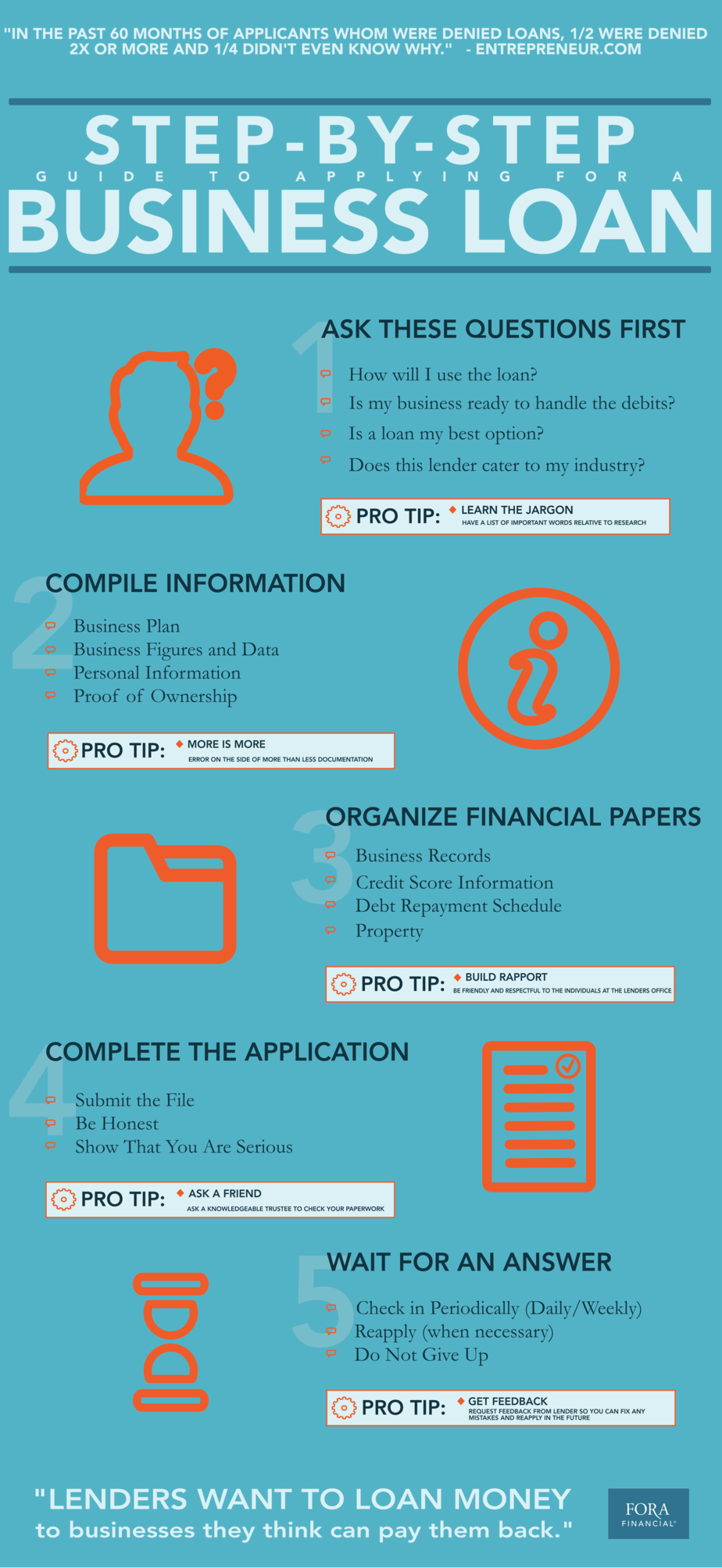
Before approaching any lender, the most crucial step is to gain absolute clarity on your specific financial requirements. This involves an honest assessment of why you need the money, how much you need, and a realistic evaluation of your business’s current financial standing. Lenders look for well-defined objectives and a strong financial foundation, so preparation in this phase is paramount.
Why Do You Need a Loan?
The purpose of your loan will significantly influence the type of financing you should pursue. Common reasons small businesses seek loans include:
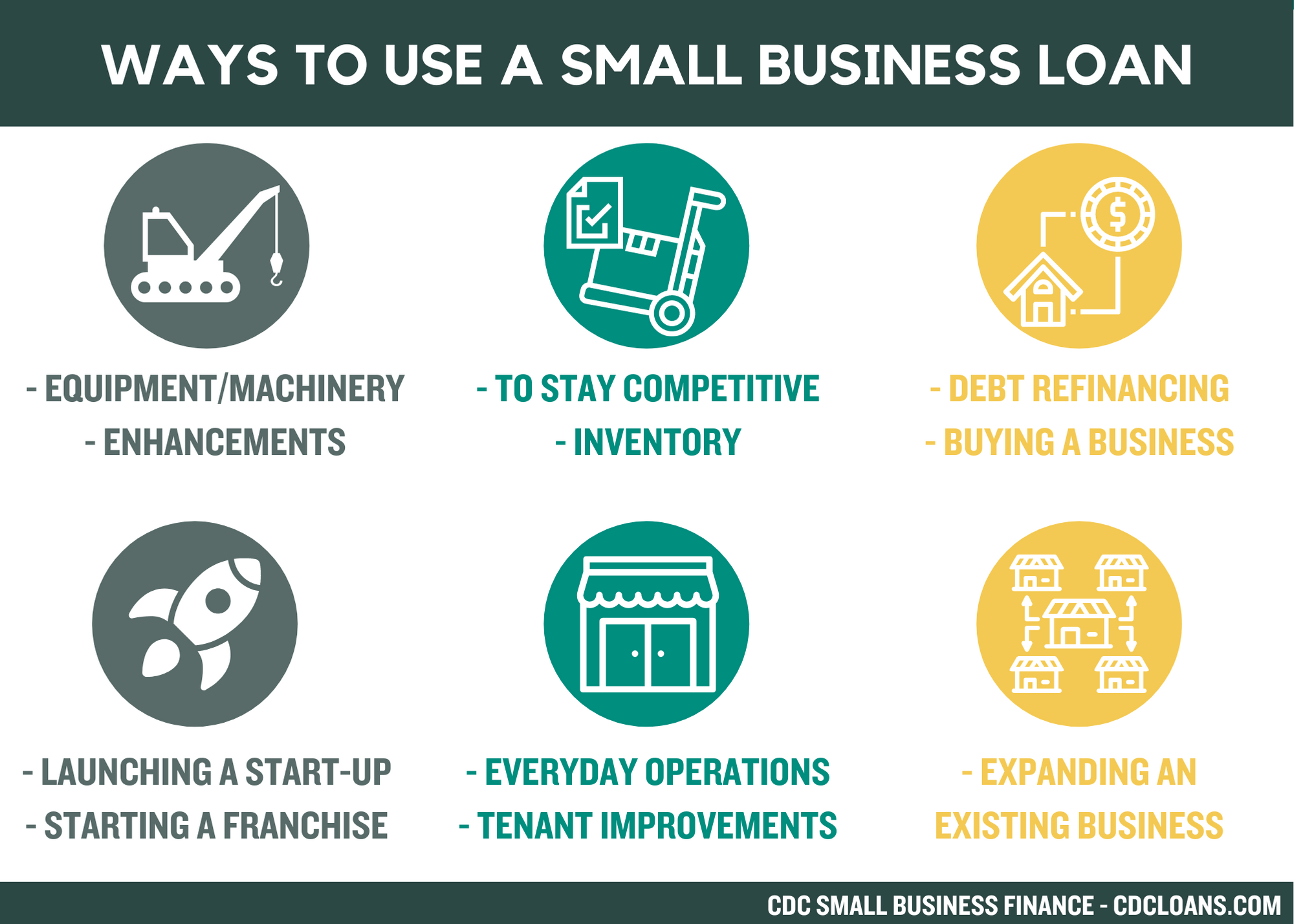
- Start-up Capital: To cover initial expenses like legal fees, licensing, equipment purchases, inventory, and initial marketing.
- Working Capital: To bridge gaps in cash flow, pay for daily operational expenses (rent, utilities, payroll) during lean periods, or manage seasonal fluctuations.
- Equipment Financing: To purchase or lease essential machinery, vehicles, or technology specific to your industry.
- Inventory Purchases: To stock up on goods, especially for seasonal businesses or in anticipation of increased demand.
- Business Expansion: To fund growth initiatives like opening new locations, expanding product lines, hiring more staff, or entering new markets.
- Debt Refinancing: To consolidate existing, higher-interest debts into a single, more manageable loan with better terms.
Clearly articulating your loan’s purpose demonstrates foresight and a strategic approach, which lenders appreciate.
How Much Capital Do You Need?
Determining the precise amount of capital required involves meticulous budgeting and financial forecasting. Avoid guessing; instead, create a detailed breakdown of all expenses the loan is intended to cover. For start-ups, this might mean a projected operating budget for the first 6-12 months. For expansion, it could involve detailed cost analyses for new equipment, construction, or hiring. Always factor in a contingency buffer—typically 10-20% of the total amount—to cover unforeseen expenses. Requesting too little could leave you short, while asking for too much might raise questions about your financial planning or lead to unnecessary interest payments.
What’s Your Business’s Financial Health?
Lenders assess risk, and your business’s financial health is the primary indicator. Key metrics they will scrutinize include:
- Credit Score (Personal and Business): Your personal credit score (FICO) is often a critical factor for small businesses, especially newer ones, as it reflects your individual financial responsibility. Establishing and maintaining a good business credit score (e.g., Dun & Bradstreet PAYDEX score) is also vital.
- Revenue and Profitability: Lenders want to see consistent revenue generation and a clear path to profitability, demonstrating your ability to repay the loan.
- Cash Flow: Positive and consistent cash flow is crucial. It shows you have sufficient liquidity to meet your obligations.
- Debt-to-Equity Ratio: This indicates how much debt your business uses to finance its assets relative to the value of shareholders’ equity. A lower ratio is generally more favorable.
- Collateral: If applicable, the value and liquidity of assets you can offer as security for the loan.
Understanding these aspects allows you to identify areas for improvement before applying, strengthening your position considerably.
Preparing for the Application Process
Once you’ve identified your needs, the next phase is about meticulously preparing your application. This involves compiling essential documents and crafting compelling narratives that present your business in the best possible light. A well-organized and thoroughly prepared application signals professionalism and reduces potential delays.
Building a Solid Business Plan
A comprehensive business plan is arguably the most critical document in your loan application. It’s not just a formality; it’s a strategic roadmap that convinces lenders you have a viable business model and a clear vision for success and repayment. Key components include:
- Executive Summary: A concise overview of your business, its mission, products/services, and why it will succeed.
- Company Description: Legal structure, history, and goals.
- Market Analysis: Industry overview, target market, competitive analysis.
- Organization & Management: Ownership structure, management team bios, expertise.
- Service or Product Line: Detailed description of what you offer.
- Marketing & Sales Strategy: How you will reach customers and generate sales.
- Financial Projections: Detailed 3-5 year forecasts (P&L, balance sheet, cash flow), including assumptions.
- Funding Request: Specific amount requested and how it will be used.
Ensure your financial projections are realistic and backed by sound assumptions.
Gathering Essential Documentation
Lenders require a suite of documents to verify your business’s legal standing and financial health. While requirements vary by lender and loan type, generally expect to provide:
- Personal and Business Tax Returns: For the past 2-3 years.
- Bank Statements: Business bank statements for the past 6-12 months.
- Financial Statements: Profit & Loss statements, balance sheets, and cash flow statements, typically for the past 2-3 years and year-to-date.
- Legal Documents: Business licenses, registrations, articles of incorporation/organization, partnership agreements.
- Personal Financial Statement: For all owners with 20% or more stake.
- Collateral Details: If offering collateral, documentation of asset ownership and valuation.
- Accounts Receivable/Payable Aging Reports: To show cash flow management.
Having these documents organized and readily available will streamline the application process.
Improving Your Creditworthiness
Both your personal and business credit scores are paramount. Before applying, take steps to improve them:
- Review Credit Reports: Obtain copies of your personal credit reports from Experian, Equifax, and TransUnion, and your business credit reports (e.g., from Dun & Bradstreet, Experian Business, Equifax Business). Correct any errors immediately.
- Pay Bills on Time: This is the most significant factor. Set up reminders or automatic payments.
- Reduce Personal Debt: A lower personal debt-to-income ratio improves your overall financial picture.
- Maintain Low Credit Utilization: Keep your credit card balances low relative to your credit limits.
- Establish Business Credit: Open a business bank account, get a business credit card, and ensure suppliers report your payments to business credit bureaus.
- Limit New Credit Applications: Each application can temporarily lower your score.
A strong credit profile demonstrates reliability and significantly increases your chances of approval and favorable terms.
Exploring Different Types of Small Business Loans
The landscape of small business financing is diverse, offering a range of options tailored to different needs and business profiles. Understanding these types is crucial to selecting the one that best fits your situation.
Traditional Bank Loans
Banks are often the first stop for businesses seeking capital. They typically offer:
- Term Loans: A lump sum of money repaid over a set period (e.g., 1-10 years) with fixed or variable interest rates. Ideal for significant investments like equipment or expansion.
- Lines of Credit: Provides access to a revolving pool of funds up to a certain limit. Businesses can draw on it as needed and repay what they borrow, making it suitable for managing cash flow fluctuations or working capital.
- Pros: Lower interest rates, longer repayment terms, established lenders.
- Cons: Stricter eligibility requirements, lengthy application process, often require collateral.
SBA Loans
Backed by the U.S. Small Business Administration, SBA loans are partially guaranteed by the government, which reduces risk for lenders and makes them more willing to approve loans to small businesses that might not qualify for traditional bank financing. They offer excellent terms and lower down payments.
- SBA 7(a) Loan Program: The most common SBA loan, highly flexible for various purposes including working capital, equipment, real estate, and refinancing.
- SBA 504 Loan Program: For purchasing or renovating major fixed assets like real estate or equipment.
- SBA Microloan Program: Smaller loans (up to $50,000) for startups and small businesses, often used for working capital or inventory.
While SBA loans have a rigorous application process and strict eligibility criteria, their favorable terms often make them worth the effort.
Online Lenders
The rise of financial technology (fintech) has led to a proliferation of online lenders. They often offer:
- Speed and Convenience: Faster application and approval processes, often with funds disbursed within days.
- More Accessible Criteria: May be more flexible with credit scores or time in business compared to traditional banks.
- Diverse Products: Term loans, lines of credit, short-term loans.
- Pros: Quick access to funds, less stringent requirements, streamlined digital experience.
- Cons: Potentially higher interest rates (especially for short-term loans), less personalized service, need to scrutinize terms carefully.
Alternative Financing Options
Beyond the mainstream, several other financing methods exist:
- Invoice Factoring/Financing: Selling your unpaid invoices to a third party (factor) at a discount for immediate cash. Good for businesses with slow-paying clients.
- Merchant Cash Advances (MCAs): A lump sum provided in exchange for a percentage of future credit/debit card sales. Very fast, but often very expensive with high effective APRs.
- Equipment Financing: Loans specifically for purchasing machinery or equipment, with the equipment itself serving as collateral.
- Crowdfunding: Raising small amounts of capital from a large number of individuals, often via online platforms. Can be donation-based, reward-based, equity-based, or debt-based.
Each option has its own set of advantages and disadvantages regarding cost, repayment structure, and eligibility. Careful consideration of your business model and financial health is essential when choosing.
Navigating the Application and Approval Journey
With your preparation complete and an understanding of the available options, the next phase is the actual engagement with lenders. This involves careful research, diligent application submission, and a thorough understanding of the terms.
Researching Lenders and Comparing Offers
Do not apply to the first lender you find. Research multiple lenders—banks, credit unions, online platforms, and SBA-approved lenders—and compare their offerings. Focus on:
- Eligibility Requirements: Do you meet their minimum credit score, time in business, or revenue thresholds?
- Interest Rates and Fees: Understand the Annual Percentage Rate (APR) rather than just the stated interest rate, as APR includes all associated fees.
- Repayment Terms: Loan duration, frequency of payments, and any prepayment penalties.
- Collateral Requirements: What assets, if any, do they require as security?
- Customer Service and Reputation: Read reviews and assess their responsiveness.
Comparing offers ensures you secure the most favorable terms for your business.
Submitting a Comprehensive Application
Once you’ve chosen a lender, meticulously complete their application form. Ensure all information is accurate, consistent, and matches your supporting documents. Inconsistencies or missing information can cause significant delays or even rejection.
- Be Truthful: Never embellish or falsify information. Lenders conduct thorough due diligence.
- Provide Context: Use your business plan to explain any anomalies or challenges in your financial history.
- Follow Instructions: Adhere strictly to the lender’s guidelines for document submission.
A well-presented, error-free application reflects positively on your business.
What Happens After You Apply?
The period after submission typically involves:
- Underwriting: The lender assesses your creditworthiness, financial stability, and repayment capacity. They will review all submitted documents.
- Due Diligence: This might involve interviews, site visits, or requests for additional information. Be prepared to answer questions and provide further clarification promptly.
- Decision: You will receive an approval, denial, or a request for more information. If approved, you’ll receive a loan offer detailing terms and conditions.
Be patient, but also be proactive in responding to any lender requests.
Understanding Loan Terms and Conditions
Receiving a loan offer is not the end of the process. Before signing anything, thoroughly review the loan agreement. Pay close attention to:
- Interest Rate and Calculation Method: Is it fixed or variable? How is interest compounded?
- Fees: Origination fees, closing costs, administrative fees, late payment fees, prepayment penalties.
- Repayment Schedule: Exact payment amounts and due dates.
- Covenants: Conditions attached to the loan (e.g., maintaining certain financial ratios, not taking on additional debt without permission).
- Default Terms: What constitutes a default and the consequences.
- Collateral: Clear understanding of what assets are pledged and the lender’s rights in case of default.
If anything is unclear, seek clarification from the lender or consult with a financial advisor or attorney. Understanding your obligations is paramount to avoiding future issues.
Responsible Loan Management and Growth
Securing a small business loan is a significant achievement, but it’s just the beginning. Effective management of the borrowed funds and your repayment obligations is critical for your business’s long-term financial health and future access to capital.
Adhering to Repayment Schedules
This is non-negotiable. Missing payments can severely damage your business’s credit score, lead to higher interest rates, accrue late fees, and ultimately result in default. A default can lead to the seizure of collateral, legal action, and make it virtually impossible to secure financing in the future.
- Set up automatic payments: This minimizes the risk of missed deadlines.
- Monitor cash flow: Ensure you always have sufficient funds to cover loan payments.
- Communicate with your lender: If you foresee difficulty making a payment, contact your lender immediately. They may be willing to work with you to find a solution, such as a temporary deferral or revised payment plan, rather than facing a default.
Punctual repayment builds a strong credit history and demonstrates financial responsibility.
Utilizing Funds Strategically
The loan funds should be used precisely as outlined in your business plan and funding request. Deviating significantly without consulting your lender can sometimes violate loan covenants. More importantly, using funds unwisely can lead to wasted capital, failing to achieve the intended business growth, and making repayment more challenging.
- Track expenses: Keep meticulous records of how every dollar is spent.
- Monitor ROI: Continuously evaluate the return on investment (ROI) from the activities funded by the loan. Are new equipment purchases improving efficiency? Is marketing driving sales?
- Avoid unnecessary expenditures: Resist the temptation to use loan money for non-essential items or personal expenses.
Strategic utilization ensures the loan genuinely contributes to your business’s success and generates the revenue needed for repayment.

Building Lender Relationships for Future Needs
A positive relationship with your lender extends beyond the current loan. A track record of timely payments and open communication can be invaluable for future financing needs, whether it’s another loan for expansion or a line of credit for working capital.
- Maintain transparency: Keep your lender informed about significant business changes, successes, or challenges.
- Regular reviews: Schedule periodic check-ins or provide updated financial statements as requested, even if not strictly required by your loan agreement.
- Be a reliable client: Demonstrating consistency and trustworthiness builds confidence.
A strong relationship with a financial institution can open doors to more flexible terms, preferential rates, and faster approvals for subsequent funding rounds.
Getting a small business loan is a strategic move that can catalyze growth and stability. By thoroughly understanding your needs, meticulously preparing your application, exploring all available financing options, diligently navigating the application process, and responsibly managing your loan, you empower your business to secure the capital it needs to thrive in a competitive marketplace. It requires diligence and foresight, but the rewards of expanded opportunities and sustained success are well worth the effort.
aViewFromTheCave is a participant in the Amazon Services LLC Associates Program, an affiliate advertising program designed to provide a means for sites to earn advertising fees by advertising and linking to Amazon.com. Amazon, the Amazon logo, AmazonSupply, and the AmazonSupply logo are trademarks of Amazon.com, Inc. or its affiliates. As an Amazon Associate we earn affiliate commissions from qualifying purchases.