
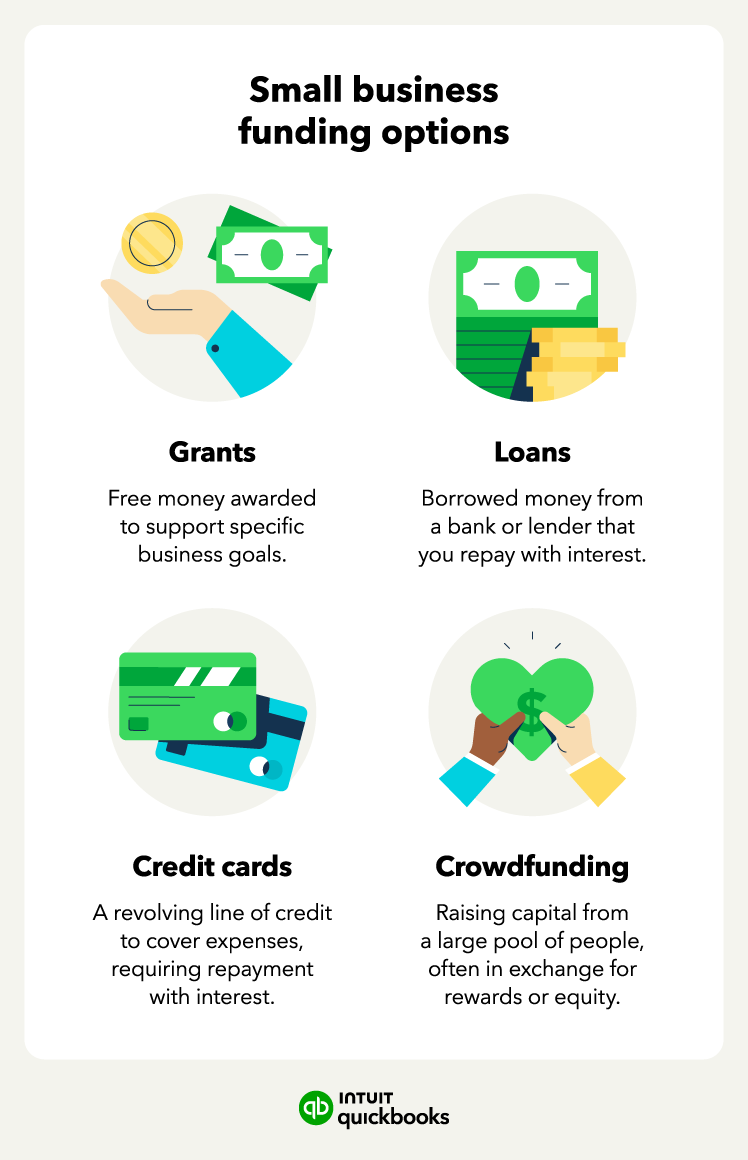
For many small business owners, the dream of expansion, innovation, or even just sustained operation often bumps up against the harsh reality of limited capital. Traditional loans come with the burden of repayment and interest, while equity financing means giving up a share of your hard-earned enterprise. This is where business grants emerge as a compelling alternative – non-repayable funds designed to fuel specific projects or initiatives that align with a grantor’s mission.
Securing a small business grant, however, is far from a passive endeavor. It demands strategic planning, meticulous preparation, and a compelling articulation of your vision. Unlike loans, which primarily assess your ability to repay, grants scrutinize your potential impact, your alignment with specific objectives, and the intrinsic value of your project. This comprehensive guide will demystify the grant application process, offering actionable insights for small businesses aiming to unlock this invaluable funding source.
Understanding the Landscape of Small Business Grants
Before diving into the application process, it’s crucial to grasp what business grants entail, why they are so sought after, and to dispel common misconceptions. A clear understanding of this landscape will set realistic expectations and sharpen your focus.
What Exactly Are Business Grants?
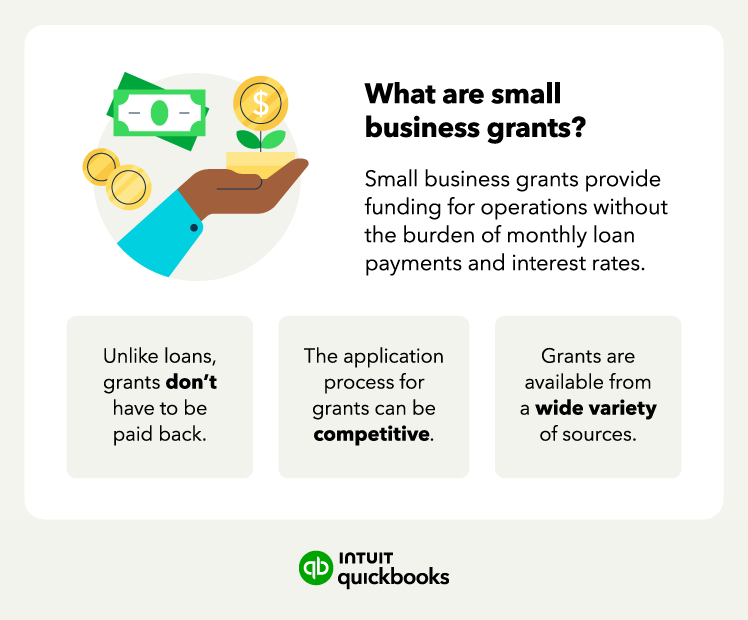
At its core, a business grant is a sum of money provided to a business or individual, typically by a government agency, corporation, or foundation, for a specific purpose that aligns with the grantor’s objectives. The key differentiator from a loan is that grants do not need to be repaid. Instead, they are awarded based on merit, potential impact, and the alignment of the proposed project with the grantor’s mission. This non-repayable nature makes them incredibly attractive, as they allow businesses to invest in growth, research, development, or community initiatives without incurring debt.
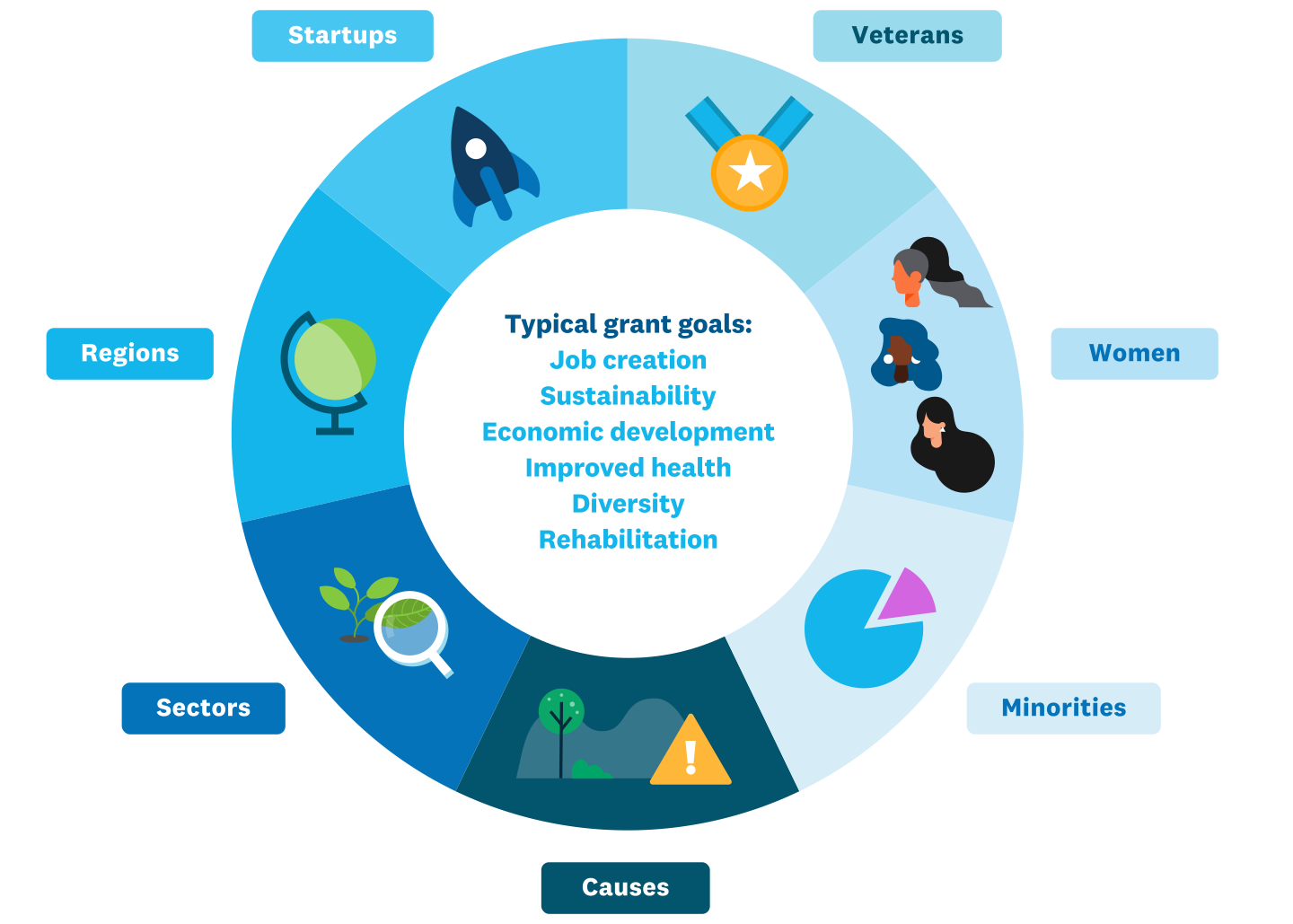
Grants are often highly specialized. Some might focus on technological innovation, others on job creation in underserved communities, environmental sustainability, or supporting businesses owned by specific demographics like women, minorities, or veterans. The diversity of grant programs reflects the diverse goals of their funders.
Why Pursue Grant Funding for Your Small Business?
The allure of grants extends beyond just the “free money” aspect. For small businesses, grants offer several strategic advantages:
- Debt-Free Capital: The most obvious benefit is receiving funds that do not need to be repaid, freeing up your cash flow and balance sheet from debt obligations. This allows for greater financial flexibility and reduces risk.
- Catalyst for Growth and Innovation: Grants often target specific areas like research and development, market expansion, or adopting new technologies. Securing a grant can enable projects that might otherwise be financially out of reach, driving significant growth and innovation.
- Validation and Credibility: Being awarded a competitive grant serves as a powerful endorsement of your business’s viability, potential, and the impact of its work. This can enhance your reputation, attract further investment, and open doors to new partnerships.
- Enhanced Public Image: Many grants are tied to social, environmental, or community benefits. Receiving such funding can significantly boost your business’s public image and demonstrate a commitment beyond just profit, appealing to a wider customer base and talented employees.
- Access to Resources and Networks: Grant programs often come with additional support, such as mentorship, training, or access to exclusive networks, which can be invaluable for a small business’s development.
Common Misconceptions About Grants
Despite their benefits, grants are frequently misunderstood. Debunking these myths is crucial for a realistic approach:
- Grants are “Free Money” for Anything: Grants are highly specific. They are not intended for general operating costs unless explicitly stated (e.g., pandemic relief grants). You must propose a project that aligns perfectly with the grantor’s mission and guidelines.
- Grants are Easy to Get: The grant landscape is highly competitive. Applications require significant time, effort, and strategic planning. Many qualified businesses apply for limited funds.
- There are Plenty of Grants for Startups/General Business: While grants exist for various stages and types of businesses, finding a perfect match, especially for a brand-new, general-purpose business without a clear social or innovative mission, can be challenging. Most grants target specific problems or demographics.
- Grant Writing is Simple: It’s an art and a science, requiring persuasive writing, data analysis, budget development, and meticulous adherence to instructions.
- You Just Need a Good Idea: A good idea is essential, but it must be presented within a robust business plan, a well-structured proposal, and backed by a strong team and demonstrated capacity.
Identifying Potential Grant Opportunities
The vast and often fragmented world of small business grants can feel overwhelming. The key to success lies in knowing where to look and how to match your business’s needs with the grantor’s objectives.
Government Grants: Federal, State, and Local
Government bodies are significant sources of grant funding, often with a mandate to stimulate economic growth, promote innovation, or address specific societal challenges.
- Federal Grants: In the U.S.,
Grants.govis the primary portal for federal grants across numerous agencies like the Small Business Administration (SBA), Department of Energy (DOE), Department of Agriculture (USDA), National Institutes of Health (NIH), and National Endowment for the Arts (NEA). These grants often target specific sectors (e.g., R&D, rural development, environmental projects) or demographics. For example, the SBA offers programs like the Small Business Innovation Research (SBIR) and Small Business Technology Transfer (STTR) grants for businesses engaged in federal R&D. - State and Local Grants: Don’t overlook opportunities closer to home. State economic development agencies, local chambers of commerce, and city governments frequently offer grants to stimulate local economies, support specific industries, or revitalize certain areas. These might be easier for smaller businesses to access due to less competition than federal grants and a focus on local impact. Research your state’s commerce department or local municipality websites.
Corporate and Foundation Grants
Beyond government entities, a significant portion of grant funding originates from the private sector:
- Corporate Philanthropy: Many large corporations have philanthropic arms or foundations that award grants as part of their corporate social responsibility initiatives. These grants often align with the company’s values, industry, or the communities they operate in. For instance, a tech giant might fund grants for STEM education or digital literacy initiatives, while a food company might support grants for sustainable agriculture.
- Private Foundations: These are non-governmental, non-profit organizations with a principal fund managed by their own trustees or directors. They award grants to other non-profits or, in specific cases, for-profit entities if the project aligns with their charitable purpose. Examples include the Bill & Melinda Gates Foundation, Ford Foundation, or local community foundations. Their focus areas can be incredibly diverse, ranging from arts and culture to environmental protection, healthcare, and economic development.
Niche and Industry-Specific Grants
Many grants are highly specialized, targeting businesses within particular industries or owned by specific demographics. These can be excellent fits if your business meets the criteria.
- Demographic-Specific Grants: Look for grants specifically for women-owned businesses (e.g., Amber Grant, Cartier Women’s Initiative), minority-owned businesses, veteran-owned businesses, or businesses owned by individuals with disabilities. Organizations like the National Minority Supplier Development Council (NMSDC) or Women’s Business Enterprise National Council (WBENC) can be good starting points.
- Industry-Specific Grants: Certain industries, such as technology, biotech, clean energy, arts and culture, or sustainable agriculture, often have dedicated grant programs funded by government agencies, industry associations, or foundations passionate about that sector’s growth.
- Community-Focused Grants: If your business has a strong community impact or is located in a distressed or rural area, you might qualify for grants aimed at economic revitalization, job creation, or social enterprise.
Preparing Your Business for Grant Applications
Securing a grant is a marathon, not a sprint. The groundwork you lay before even looking at specific applications will significantly enhance your chances of success. This involves clarifying your business’s vision, solidifying its operations, and demonstrating its readiness for impactful projects.
Develop a Strong and Detailed Business Plan
A robust, well-articulated business plan is the cornerstone of any successful grant application. It serves as your business’s resume, demonstrating its viability, direction, and potential.
- Clear Mission and Vision: Articulate what your business does, why it exists, and what impact it aims to achieve. Grantors want to see purpose beyond profit.
- Market Analysis and Strategy: Show that you understand your target market, competitors, and how your product or service provides unique value. Demonstrate a clear path to market penetration and sustainability.
- Operational Structure: Detail your team, their qualifications, and how your business is organized to execute projects effectively. Grantors invest in capable teams.
- Financial Projections: Provide realistic and well-supported financial forecasts. While grants are non-repayable, grantors want to see that your business is financially sound and will continue to operate beyond the grant period.
Establish a Solid Financial Footing
Grantors will scrutinize your financial health to ensure you’re a responsible steward of funds and that your project is sustainable.
- Maintain Accurate Financial Records: Have up-to-date balance sheets, income statements, and cash flow projections. These provide a clear picture of your business’s current state.
- Demonstrate Need and Impact: Clearly explain why you need the grant funding and how it will specifically alleviate a financial bottleneck or enable a project that wouldn’t be possible otherwise. Crucially, quantify the expected financial and social impact of the grant.
- Show Leverage/Matching Funds: Some grants prefer or require you to demonstrate that you can contribute a portion of the project cost yourself, or secure other funding. This shows commitment and increases the project’s overall financial viability.
Define Your Project and Its Impact Clearly
Grants are typically awarded for specific projects, not general operating expenses. Your ability to articulate a clear, compelling project is paramount.
- Specific Goals and Objectives: What exactly will the grant enable you to do? Set SMART goals (Specific, Measurable, Achievable, Relevant, Time-bound).
- Alignment with Grantor’s Mission: This is critical. Thoroughly research the grantor and ensure your project directly addresses their stated funding priorities. Use their language where appropriate.
- Measurable Outcomes and Evaluation Plan: How will you demonstrate that the grant funds were used effectively and achieved their intended impact? Outline clear metrics and a plan for tracking and reporting progress. This builds trust and positions you for future funding.
Ensure Legal and Compliance Readiness
Grantors want to fund legitimate, well-structured entities.
- Legal Registration: Ensure your business is properly registered with the state and federal authorities.
- Employer Identification Number (EIN): Have a valid EIN from the IRS.
- Licenses and Permits: Possess all necessary business licenses and permits.
- Good Standing: Ensure your business is in good standing with all regulatory bodies.
Crafting a Winning Grant Proposal
Once you’ve identified suitable opportunities and prepared your business, the final, crucial step is writing a compelling proposal. This is where you bring your vision, your business’s readiness, and the grant’s potential impact together into a persuasive narrative.
Read and Understand Guidelines Thoroughly
This cannot be stressed enough. Every grant program has unique requirements, and failure to follow them precisely is the quickest way to get disqualified.
- Eligibility Criteria: Double-check that your business meets all criteria (e.g., revenue size, location, industry, ownership demographics).
- Application Instructions: Pay close attention to word counts, page limits, required attachments (letters of support, resumes, financials), formatting guidelines, and submission methods.
- Deadlines: Mark all deadlines in your calendar and work backward to ensure ample time for writing, review, and submission.
Structure Your Proposal Effectively
Most grant proposals follow a standard structure, though specific sections may vary. A logical flow is essential for clarity and readability.
- Executive Summary: A concise, powerful overview of your entire proposal (1-2 paragraphs), often written last, but appearing first. It should hook the reader and summarize your project, need, and impact.
- Problem Statement/Need: Clearly articulate the problem your project addresses and why it needs to be solved. Provide data and evidence to support your claims.
- Project Description: Detail your proposed activities, methodology, timeline, and who will be involved. Explain how your project will solve the problem identified.
- Goals, Objectives, and Outcomes: Reiterate your SMART goals and explain what specific, measurable results you expect to achieve.
- Budget and Justification: Provide a detailed line-item budget that clearly explains how every dollar of the grant will be spent. Justify each expense, demonstrating cost-effectiveness and alignment with project activities.
- Organizational Capacity/Qualifications: Describe your business’s history, mission, and your team’s expertise and experience relevant to the proposed project.
- Evaluation Plan: Explain how you will track progress, measure outcomes, and report on the project’s success.
- Sustainability Plan: How will the project continue, or its benefits endure, after the grant funding ends?
- Appendices: Include supporting documents like letters of support, resumes of key personnel, financial statements, and relevant permits or licenses.
Write Compelling Narratives with Clarity
Your proposal isn’t just a list of facts; it’s a persuasive story.
- Clarity and Conciseness: Use clear, straightforward language. Avoid jargon where possible, or explain it if necessary. Get straight to the point.
- Compelling Storytelling: While professional, don’t be afraid to tell the story of your business and the problem you’re trying to solve. Evoke empathy and demonstrate passion.
- Address the “Why” and “How”: Explain why your project is important and how you will achieve its goals. Connect your project directly to the grantor’s mission.
- Data and Evidence: Back up your claims with relevant statistics, market research, and testimonials.
- Positive and Confident Tone: Project confidence in your business’s ability to successfully execute the project and achieve the desired impact.
Develop a Detailed and Justified Budget
Your budget is a critical component that demonstrates financial responsibility and the strategic use of funds.
- Accuracy: Ensure all figures are accurate and realistic.
- Alignment: Every budget item should directly relate to and support the activities described in your project narrative.
- Detailed Line Items: Break down costs into specific categories (e.g., personnel, supplies, equipment, travel, marketing). Don’t just list a lump sum.
- Justification: For each major budget item, provide a brief explanation of why it’s necessary and how the cost was determined.
- Cost-Effectiveness: Show that you’ve considered ways to maximize the impact of the grant funds.
Proofread and Seek Feedback
A polished, error-free proposal reflects professionalism and attention to detail.
- Thorough Proofreading: Read your entire proposal carefully for grammar, spelling, punctuation, and typographical errors. Read it aloud, or use text-to-speech software, to catch awkward phrasing.
- External Review: Ask someone unfamiliar with your project to read the proposal. They can identify areas that are unclear, confusing, or lack sufficient detail. A fresh pair of eyes can catch what you’ve overlooked.
- Adherence to Instructions Check: Have someone else verify that you’ve addressed every single requirement in the grant guidelines.
Securing a grant for your small business is a competitive and demanding process, but the rewards are substantial. By thoroughly understanding the grant landscape, meticulously preparing your business, and crafting a compelling, well-structured proposal, you significantly increase your chances of obtaining the non-repayable funding that can propel your small business to new heights of innovation, growth, and impact. It requires patience, persistence, and a genuine commitment to your business’s mission, but the effort is undoubtedly worth it.
aViewFromTheCave is a participant in the Amazon Services LLC Associates Program, an affiliate advertising program designed to provide a means for sites to earn advertising fees by advertising and linking to Amazon.com. Amazon, the Amazon logo, AmazonSupply, and the AmazonSupply logo are trademarks of Amazon.com, Inc. or its affiliates. As an Amazon Associate we earn affiliate commissions from qualifying purchases.