
Securing a credit card is a significant step in managing your personal finances, offering both convenience and a powerful tool for building credit history. Among the myriad of credit card issuers, Discover stands out with its distinct approach to rewards, customer service, and a diverse portfolio of card options designed to meet various financial needs. Whether you’re a student building credit for the first time, an experienced cardholder seeking better rewards, or someone looking to repair past financial missteps with a secured card, understanding how to navigate the Discover application process is crucial. This comprehensive guide will walk you through everything you need to know, from selecting the right card to responsible usage, ensuring you embark on your credit journey with confidence and a solid financial strategy.
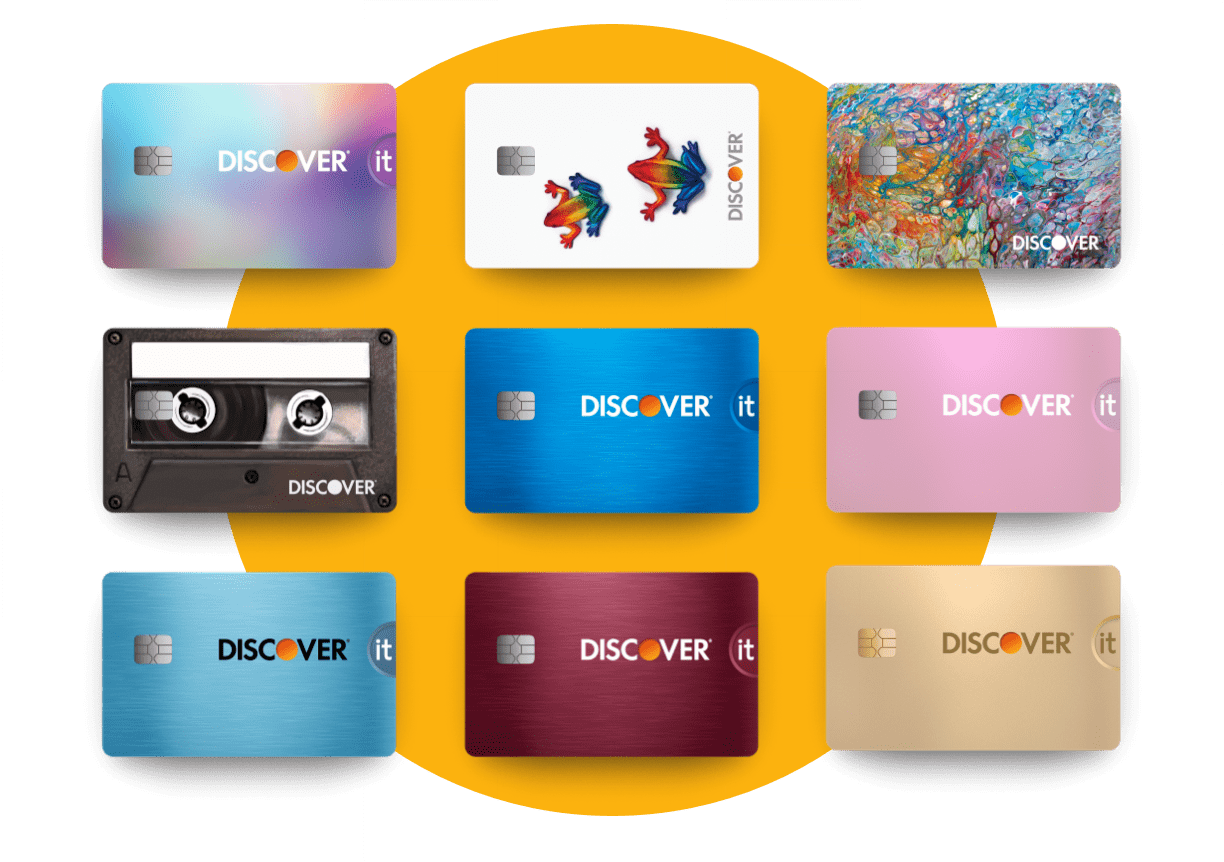
Understanding Discover Credit Cards: Benefits and Offerings
Before you even consider applying, it’s essential to grasp what makes Discover a compelling choice and to identify which of their products aligns best with your financial goals and credit profile. Discover has carved a niche by focusing on customer-centric benefits, robust reward programs, and transparent terms.
Why Choose Discover? Unique Perks and Rewards
Discover credit cards are renowned for several unique advantages that set them apart in a competitive market. Foremost among these is their Cashback Match™ program, which matches all the cash back you’ve earned at the end of your first year, dollar for dollar. This can significantly boost your initial rewards. Additionally, most Discover cards boast no annual fees, a substantial saving that allows cardholders to maximize their benefits without incurring recurring costs. Beyond the tangible rewards, Discover is consistently lauded for its award-winning U.S.-based customer service, available 24/7, providing a crucial safety net for any inquiries or issues. They also offer a free FICO® Score on monthly statements and online, a valuable tool for tracking credit health.
Types of Discover Cards: Cash Back, Travel, Secured, and Student Options
Discover offers a specialized suite of credit cards catering to different life stages and financial requirements:
- Cash Back Cards: The flagship Discover it® Cash Back card typically offers 5% cash back on rotating bonus categories each quarter (up to a quarterly maximum, activation required) and 1% on all other purchases. This is ideal for those who strategically plan their spending to maximize rewards.
- Travel Cards: The Discover it® Miles card offers unlimited 1.5x miles on every dollar spent on purchases. These miles can be redeemed for travel credit, cash, or gift cards, making it suitable for frequent travelers who prefer straightforward rewards.
- Secured Cards: For individuals looking to build or rebuild their credit, the Discover it® Secured Credit Card is an excellent option. It requires a refundable security deposit, which typically matches your credit limit, but still offers cash back rewards and reports to all three major credit bureaus, aiding in credit score improvement.
- Student Cards: Recognizing the unique needs of college students, Discover offers cards like the Discover it® Student Cash Back and Discover it® Student Chrome. These cards provide rewards tailored for student spending habits while helping them establish a credit history responsibly, often with perks like a Good Grades Reward.
- Balance Transfer Cards: Discover also offers cards designed for balance transfers, providing introductory 0% APR periods to help individuals pay down existing high-interest debt more efficiently.
Key Features: No Annual Fee, Cashback Match, and Customer Service
Regardless of the specific Discover card you choose, you’ll likely benefit from core features that underscore Discover’s commitment to its cardholders. The absence of an annual fee is a significant draw, eliminating a common barrier to entry for many consumers. The Cashback Match™ at the end of the first year adds substantial value. Furthermore, all Discover cards come with robust fraud protection, including $0 fraud liability guarantee, and the ability to freeze your account instantly from their app or website if your card is lost or stolen. These features collectively contribute to a secure and rewarding credit card experience.
Preparing for Your Discover Card Application
Successfully applying for a Discover card, or any credit card, hinges on adequate preparation. This involves understanding your financial standing and gathering the necessary information to present a complete and compelling application.
Assessing Your Creditworthiness: Credit Score and History
Your credit score is arguably the most critical factor in a credit card application. Discover, like other lenders, uses your FICO® Score and credit report to assess your risk. A higher score indicates a lower risk and increases your chances of approval for premium cards with better terms. Before applying, it’s wise to:
- Check Your Credit Score: Utilize Discover’s free FICO® Score access (if you’re an existing customer) or other free resources like annualcreditreport.com to get your credit reports from all three major bureaus (Equifax, Experian, TransUnion).
- Review Your Credit Report: Scrutinize your report for any errors or inaccuracies that could negatively impact your score. Dispute any incorrect information promptly.
- Understand Key Credit Factors: Payment history (paying on time), amounts owed (credit utilization ratio), length of credit history, new credit, and credit mix all play a role. If your score is low, consider actions like paying down debt, making timely payments, and waiting before applying for new credit.
Essential Information Needed: Personal and Financial Details
When you apply, Discover will require several pieces of information to verify your identity and financial capacity. Have these ready:
- Personal Information: Full legal name, date of birth, Social Security Number (SSN), citizenship status.
- Contact Information: Current residential address, phone number, email address.
- Financial Information: Total annual gross income (from all sources), employment status, monthly housing payment (rent or mortgage).
- Bank Account Information: While not always required at application, it’s useful to have your bank account details for setting up automatic payments if approved.
Providing accurate and up-to-date information is paramount. Any discrepancies could delay your application or lead to a denial.
Understanding Eligibility Requirements: Age, Income, and Residency
Beyond creditworthiness, Discover has baseline eligibility criteria:
- Age: You must be at least 18 years old to apply for a credit card in the United States. If you’re under 21, you generally need to show independent income or have a co-signer (though Discover typically doesn’t allow co-signers, emphasizing individual income for approval).
- Income: While there’s no specific minimum income requirement, you must demonstrate a reasonable ability to repay your debts. Discover will consider your reported income and debt-to-income ratio.
- Residency: You must be a U.S. citizen or a permanent resident with a valid SSN.
Meeting these basic requirements is the first hurdle in the application process.
The Step-by-Step Application Process
Once you’re prepared, applying for a Discover card is typically a straightforward online process. Understanding each step can help alleviate anxiety and ensure a smooth experience.
Online Application: Navigating Discover’s Website
The most common and efficient way to apply for a Discover card is through their official website, discover.com.
- Browse Cards: Start by exploring the various Discover card options available. Use their comparison tools and read the terms and conditions carefully to select the card that best fits your needs.
- Select “Apply Now”: Once you’ve chosen your card, click the “Apply Now” button.
- Complete the Application Form: You’ll be directed to an online form where you’ll input all the personal, contact, and financial information you gathered during your preparation phase. Be meticulous in filling out each field.
- Review and Submit: Before submitting, carefully review all the information you’ve entered. Ensure accuracy to avoid delays or issues. Once satisfied, click “Submit.”
Some applicants may also choose to apply via mail or phone, though the online process is generally faster and more convenient.
Providing Accurate Information: Tips for a Smooth Application
- Double-Check Everything: This cannot be stressed enough. Small errors, like a transposed number in your SSN or a misspelled street name, can trigger red flags or lead to denial.
- Be Honest About Income: Only include income that is verifiable and that you have reasonable access to. This can include wages, salaries, self-employment income, investment income, and certain government benefits.
- Understand Consent: By submitting the application, you’re consenting to Discover pulling your credit report, which will result in a hard inquiry. This will temporarily ding your credit score, typically by a few points.
What Happens After You Apply: Instant Decision vs. Review
After submitting your application, one of two things usually happens:
- Instant Approval/Denial: Many applicants receive an immediate decision. If approved, you’ll often see your initial credit limit. If denied, you’ll receive a reason for the denial, which is valuable feedback for future applications.
- Application Under Review: Sometimes, Discover needs more time to process your application, especially if there are ambiguities or if they need to verify information manually. You might receive a message stating that your application is under review, and you’ll be notified of the decision via email or mail within a specified timeframe (typically 7-10 business days). You can often check the status of your application online using your SSN and zip code.
If Your Application is Denied: Next Steps and Reconsideration
A denial isn’t the end of the road. It’s an opportunity to learn and improve.
- Understand the Reason: Discover is legally obligated to provide you with a reason for denial. This will arrive in an adverse action letter, usually within 7-10 days. Common reasons include low credit score, high debt-to-income ratio, insufficient income, or too many recent credit inquiries.
- Request Reconsideration: Sometimes, a polite phone call to Discover’s reconsideration line (often found by searching online or calling their main customer service) can overturn a denial. If you have unique circumstances or can provide additional information that wasn’t clear on the application (e.g., a recent salary increase not reflected in your credit report), making your case professionally can sometimes lead to approval.
- Improve Your Credit: If reconsideration isn’t successful, focus on addressing the reasons for denial. This might involve paying down existing debt, building a longer credit history, or using a secured card to demonstrate responsible credit use. Wait at least 6-12 months before reapplying for the same product to allow your credit score to recover.
Maximizing Your Discover Card Benefits
Getting approved for a Discover card is just the beginning. The real value comes from responsibly managing your account and strategically utilizing its features to enhance your financial standing.
Activating Your Card and Setting Up Online Access
Once your physical card arrives in the mail, you’ll need to activate it before use. This can typically be done online through your Discover account or by calling the number on the sticker attached to your card. Immediately after activation, set up your online account access. This allows you to:
- Monitor Transactions: Keep an eye on your spending and detect any unauthorized activity promptly.
- Make Payments: Schedule one-time or recurring payments to avoid late fees.
- Manage Rewards: View your earned cash back or miles and redeem them.
- Access FICO® Score: Track your credit health over time.
- Freeze/Unfreeze Your Card: A crucial security feature in case your card is misplaced.
Understanding Your Cardholder Agreement and Fees
It’s vital to read your cardholder agreement thoroughly. This document outlines your interest rate (APR), fees (late payment, cash advance, foreign transaction), minimum payment requirements, and other terms. Pay close attention to:
- Regular APR: The interest rate applied to balances carried beyond the grace period.
- Grace Period: The time between the end of a billing cycle and the payment due date during which interest is not charged on new purchases, provided you pay your statement balance in full.
- Fees: Be aware of any potential fees and how to avoid them, such as making payments on time to prevent late fees. Discover is known for having fewer fees than some competitors (e.g., no foreign transaction fees on most cards).
Strategies for Responsible Credit Card Use
Responsible credit card management is key to building good credit and avoiding debt:
- Pay Your Bill in Full and On Time: This is the golden rule. Paying your statement balance in full each month avoids interest charges and prevents late payment fees, while consistently reporting positive payment history to credit bureaus.
- Keep Your Credit Utilization Low: Aim to keep your credit utilization ratio (the amount of credit you’re using compared to your total available credit) below 30%, ideally even lower (e.g., under 10%). This positively impacts your credit score.
- Only Spend What You Can Afford to Repay: A credit card is not an extension of your income. It’s a short-term borrowing tool.
- Monitor Your Account Regularly: Stay vigilant against fraud and track your spending.
Utilizing Rewards Programs Effectively
Discover’s reward programs are designed to be user-friendly, but strategic use can maximize your benefits:
- Activate Bonus Categories: For cash back cards, remember to activate the 5% bonus categories each quarter. Failing to do so means you’ll only earn the base 1% on those purchases.
- Redeem Rewards Wisely: Discover allows various redemption options: statement credit, direct deposit, gift cards (often with bonus value), or charitable donations. Choose the option that provides the most value to you.
- Leverage Cashback Match™: In your first year, every dollar of cash back you earn will be matched. This provides a strong incentive to use your card for everyday spending during that initial period.
Beyond the Application: Building a Healthy Financial Future with Discover
A Discover credit card can be a powerful instrument for financial growth, provided it’s managed with foresight and discipline. Embracing its features for ongoing financial health is where its true value shines.
Monitoring Your Credit: Free FICO Score Access
One of Discover’s standout features is providing cardholders with free access to their FICO® Score on monthly statements and online. This isn’t just a neat perk; it’s a vital tool for financial literacy and progress. Regularly checking your FICO score allows you to:
- Track Progress: See how your responsible financial habits (e.g., paying bills on time, lowering utilization) are positively impacting your score.
- Identify Issues: A sudden drop in your score could signal an error on your credit report or potential identity theft, prompting you to investigate.
- Inform Decisions: A clear understanding of your credit standing empowers you to make informed decisions about future loans, mortgages, or other credit products.
Debt Management and Payment Strategies
While the ideal is to pay your balance in full, life happens. If you find yourself carrying a balance, strategic debt management is crucial.
- Focus on High-Interest Debt: If you have multiple credit cards, prioritize paying down the one with the highest interest rate first while making minimum payments on others.
- Consider a Balance Transfer: If you have high-interest debt on other cards, a Discover balance transfer card with an introductory 0% APR period could provide a window to pay down debt without accruing additional interest. Be sure to understand the balance transfer fee and pay off the transferred amount before the promotional period ends.
- Budgeting: Integrate your credit card payments into your monthly budget to ensure you allocate sufficient funds for repayment.
Upgrading or Downgrading Your Card
As your financial needs and credit profile evolve, you might consider changing your Discover card. For instance:
- From Secured to Unsecured: After responsible use of a Discover it® Secured Card, Discover may automatically review your account and transition you to an unsecured card, returning your security deposit.
- Switching Card Types: If your spending habits change (e.g., from a student to a full-time professional with more travel), you might want to switch from a cash back card to a travel card. Contact Discover customer service to inquire about product changes without needing a new application. This can preserve your credit history with the same account.

Discover’s Commitment to Financial Literacy
Discover actively promotes financial literacy through various resources available on their website and blog. These resources cover topics ranging from budgeting and saving to understanding credit and managing debt. Leveraging these tools can further enhance your financial acumen, helping you make the most of your credit card and build a robust financial future.
In conclusion, getting a Discover credit card is a well-defined process that rewards preparation and responsible management. By understanding Discover’s unique offerings, preparing your application meticulously, navigating the approval process, and committing to smart borrowing habits, you can leverage a Discover card not just for its immediate benefits but as a cornerstone for building a strong and healthy financial future.
aViewFromTheCave is a participant in the Amazon Services LLC Associates Program, an affiliate advertising program designed to provide a means for sites to earn advertising fees by advertising and linking to Amazon.com. Amazon, the Amazon logo, AmazonSupply, and the AmazonSupply logo are trademarks of Amazon.com, Inc. or its affiliates. As an Amazon Associate we earn affiliate commissions from qualifying purchases.